
Dehradun Travel Guide
The best windows are March to June and September to November . The monsoon brings beauty but also landslide risk on the roads to Mussoorie and beyond, so plan around it.
When to visit Dehradun, and the monsoon rule for hill roads
The best windows are March to June and September to November. The monsoon brings beauty but also landslide risk on the roads to Mussoorie and beyond, so plan around it.
- March to June: pleasant and clearThe most comfortable season, with warm days, clear skies and the hills green and accessible. March to May is ideal for Mussoorie, Rishikesh and the valley sights, and it is the prime Char Dham window. June is still fine in Dehradun itself, though the hills begin to cloud over by late June.
- September to November: crisp and rewardingAfter the monsoon the air clears and the Himalayan views from the valley sharpen. A lovely, quieter time for the city's own sights and as a base for Mussoorie and the autumn Char Dham window of September to October. The shrines stay open until they close for winter around mid-November.
- Winter (December to February): cold but doableDehradun's valley position, at roughly 640 metres, means winters are cool rather than severe. Clear days give the best Himalayan views from the city. Mussoorie can receive snow, which adds appeal but can briefly close the upper road, so check before you go and carry warm layers.
- Decide your purpose firstIf you are heading for the Char Dham, plan around the May to June or September to October windows and avoid the peak monsoon. If you want the city and Mussoorie alone, the shoulder weeks of March or October give you the sights without the crowds and without the rain.
July to September brings heavy rain to Dehradun and the surrounding hills. The city itself stays manageable, but the roads up to Mussoorie and onward to Rishikesh, Haridwar and the Char Dham are prone to landslides and occasional closures. Build in buffer days for any hill-road journey, avoid driving at night, and check road conditions before you set out. The Char Dham season winds down around mid-November and the shrines close for winter.
How to reach Dehradun, Uttarakhand's gateway city
Dehradun is the air and rail gateway for Uttarakhand. Jolly Grant airport is about 25 km from the city, the Vande Bharat brings Delhi visitors in about 4 hours 45 minutes, and the new Delhi-Dehradun Expressway cuts the drive to roughly 2.5 to 3 hours.
- By air: Jolly Grant Airport, about 25 kmJolly Grant Airport (code DED) is about 25 km from the city centre, roughly 40 to 60 minutes by taxi depending on traffic. Airlines including IndiGo, Air India and SpiceJet connect Delhi and other cities, with the Delhi hop taking around an hour. It is also the Char Dham helicopter base, with services to all four shrines.
- By train: Vande Bharat from Anand Vihar TerminalThe Vande Bharat Express (train 22457) runs from Delhi's Anand Vihar Terminal, not New Delhi station, to Dehradun in about 4 hours 45 minutes over roughly 302 km, on most days of the week. The Shatabdi and other expresses take about 5 to 6 hours. Dehradun railway station is the main railhead for the whole hill region, so book early in peak season and reconfirm the running days on IRCTC.
- By road from Delhi: expressway or NH routeDelhi to Dehradun is about 210 km and roughly 2.5 to 3 hours via the Delhi-Dehradun Expressway, an access-controlled 6-lane highway inaugurated in April 2026 via Baghpat and Saharanpur, which requires a FASTag and is now the fastest road option. The older NH route is about 250 km and 5 to 6 hours through towns, with Haridwar and Rishikesh as useful stops. ISBT Dehradun is well served by Volvo and express buses from Delhi too.
- Getting around the cityWithin Dehradun, app cabs, autorickshaws and the city bus network cover the main sights, but most attractions are spread out, so a hired car or taxi for a day is the simplest way to combine FRI, Robber's Cave, Sahastradhara and Mindrolling. Agree the fare or use a metered app before you set off.
Fly into Delhi, the main international gateway, then take a connecting flight to Jolly Grant (about an hour) or the Vande Bharat or an express train (about 4 hours 45 minutes to 6 hours). Delhi to Dehradun is easily done in a day.
Fly into Delhi and continue to Dehradun by flight or train. Dehradun is a convenient, low-altitude first night for NRI families beginning an Uttarakhand or Char Dham trip.
Take a direct train or flight to Dehradun from Delhi and other cities, or drive from Delhi via the new Delhi-Dehradun Expressway in about 2.5 to 3 hours (about 210 km), or the older NH route in about 5 to 6 hours. Haridwar and Rishikesh are natural en-route stops on the NH route.
FRI, Robber's Cave, Mindrolling and the closure to know
Dehradun's own sights reward a full day. The Forest Research Institute is the headline, but the cave, the springs and the monastery are just as distinctive. The FRI museums are closed at weekends and the fees were sharply revised in May 2026.
- Forest Research Institute (FRI)A striking Greco-Roman colonial campus set in about 450 acres, housing several natural-history and forestry museums. Under fees revised with effect from 25 May 2026, campus entry is about 100 rupees for Indian visitors and about 1,000 rupees for foreign nationals, with a separate museum ticket of about 150 rupees for Indians and about 1,500 rupees for foreign nationals (school children about 30 rupees, college students about 50 rupees). Reconfirm at the gate as fees can change. Opening hours are roughly 9 am to 5:30 pm, and the museums are closed on Sundays and national holidays, with many visitors reporting a full-weekend closure, so plan your museum visit for a weekday to be safe. Arrive early for the emptiest grounds and the best light on the facade.
- Robber's Cave (Guchhupani)A natural river gorge about 8 km from the city, where a cold stream runs through a narrow cleft you wade along. Expect cold water, low ceilings at points and slippery rocks, so wear secure footwear with grip; lockers and changing rooms are available for a small charge. Entry is small, about 25 to 35 rupees per person, it is open roughly 7 am to 6 pm daily, and a visit takes about 2 to 3 hours. A weekday morning is best.
- Mindrolling Monastery and the Great StupaOne of the largest Tibetan Buddhist monastery complexes in India, in the Clement Town area. The Great Stupa is among the tallest in the world, and the gardens and shrine rooms are serene. Entry is free and open to all faiths; it is a peaceful, flat, visually remarkable visit very different from the city's other sights.
- SahastradharaAbout 14 km from the city centre, Sahastradhara is known for its sulphur springs, natural bathing pools and a scenic ropeway. Entry is small, commonly about 30 rupees per adult and about 15 rupees per child, while the ropeway is a separate ticket of about 100 rupees one way or about 180 rupees return, with parking on top. It runs roughly 7 am to 7 pm and is busiest at weekends, so a weekday is calmer; reconfirm current rates locally.
- Tapkeshwar TempleA Shiva temple in a natural cave setting by a stream, about 5 km from the city. Naturally cool and atmospheric, with water dripping over the lingam, and easy to combine with a quiet morning walk. A gentle, free stop that pilgrims and families both enjoy.
The Forest Research Institute museums are closed on Sundays and national holidays, and many visitors report a full-weekend closure, so the safe plan is to treat both Saturday and Sunday as closed and visit the museums on a weekday. The fees were sharply revised with effect from 25 May 2026, with campus entry about 100 rupees and the museum about 150 rupees for Indian nationals, and about 1,000 and 1,500 rupees respectively for foreign nationals; many older web pages still quote the old 15 to 25 rupee figure, so carry enough cash and reconfirm at the gate or on the official FRI website. Opening hours are roughly 9 am to 5:30 pm.
Signature experiences in and around Dehradun
Beyond ticking off the sights, these are the experiences people remember, and how to arrange them well, from the FRI grounds at golden hour to the wade through Robber's Cave and the Mussoorie hop.
- The FRI facade at golden hourThe Greco-Roman main building and its long lawns are the city's signature view, and they are at their best early in the morning or in the late-afternoon light, with the fewest visitors. Walk the grounds slowly before or after the museums, and you will see why it is one of the most photographed campuses in India.
- Wade through Robber's CaveRolling up your trousers and wading the cold stream through the gorge is the most hands-on thing to do in Dehradun, a genuine little adventure that children love. Wear grippy footwear you do not mind getting wet, use the lockers for valuables, and go on a weekday morning before the crowds and the slip-and-slide of busy afternoons.
- Quiet hour at MindrollingMindrolling Monastery rewards a slow, unhurried visit: the towering stupa, the painted shrine rooms and the calm gardens are a complete change of pace from the city. Go in the morning or at dusk, dress modestly, walk clockwise around the stupa, and sit a while. It is free and one of the most peaceful spots in the valley.
- The Mussoorie day tripThe 35 km climb to Mussoorie is the classic add-on: the Mall Road, the Himalayan views from Lal Tibba and Gun Hill, and the falls. Leave early to beat the traffic, especially at weekends, and consider a shared taxi over a private car in heavy congestion. An overnight lets you catch both sunset and the clear morning view.
- Soak at SahastradharaOn a warm day the sulphur pools and cascades at Sahastradhara are a local favourite for a cooling dip, and the ropeway gives a quick hilltop view. It is busiest at weekends and holidays, so a weekday morning is calmer and the water cleaner.
- Char Dham by helicopter from Jolly GrantFor pilgrims short on time or mobility, the helicopter yatra from Jolly Grant covers all four shrines in about two days. From our own operations, the best booking windows are roughly 15 May to 10 June and again from about 20 September; weather usually worsens after about noon, so flights run early, and a pony or palki at Kharsali helps with the steep climb to Yamunotri.
If you do only one thing slowly in Dehradun, make it the FRI grounds at either end of the day, when the long lawns and the colonial facade catch the soft light and the crowds thin out. Pair it with a quiet half-hour at Mindrolling and you have the gentle, green, contemplative side of the Doon Valley that a quick sights-ticking stop always misses.
Dehradun as your Uttarakhand gateway: Mussoorie, Rishikesh and Char Dham how-to
Dehradun is the practical launch pad for Uttarakhand. Mussoorie is a 35 km hop, Rishikesh is about 70 km, and the Char Dham starts here, but pilgrims must register free before heading up.
- Register free for the Char Dham before you head upEvery pilgrim heading to Yamunotri, Gangotri, Kedarnath or Badrinath must register, free of charge, online via the Uttarakhand government portal or the Tourist Care Uttarakhand app, or at the official counters in Dehradun, Haridwar or Rishikesh. Carry the confirmation: it is checked at biometric checkpoints on every route and without it you will be turned back. Do this in Dehradun before you set out.
- Mussoorie: 35 km, 1 to 1.5 hours by roadThe Queen of Hill Stations is an easy 35 km up from Dehradun, about 1 to 1.5 hours by car or shared taxi. Most people do it as a day trip or one overnight; Mall Road, Kempty Falls, Lal Tibba and the Himalayan views are the draws. Dehradun is the most practical base for a Mussoorie trip from the plains.
- Rishikesh and Haridwar onwardRishikesh (yoga, river rafting and the Ganges ghats) is about 70 km from Dehradun, roughly 1.5 to 2 hours. Haridwar (a major pilgrimage centre with Char Dham registration counters) is about 50 km, roughly 1 to 1.5 hours. Both are easy day trips or en-route stops on the older NH route.
- Char Dham by helicopter from Jolly GrantJolly Grant Airport is the hub for Char Dham helicopter services, connecting all four shrines in about two days for pilgrims short on time or mobility. Seats book out fast in the May to June and September to early October windows, so reserve well ahead and confirm the weather policy, as services are weather-dependent and usually fly early in the day.
The Char Dham shrines open around late April and close around mid-November (dates are announced annually, so reconfirm for your year). The ideal pilgrimage windows are May to June and September to October. Registration is mandatory and free; do it before you leave Dehradun. The official portal is registrationandtouristcare.uk.gov.in.
Where to stay in Dehradun, and how many days
Stay central near the Clock Tower and Paltan Bazaar to be close to transport, or out along leafy Rajpur Road for the nicer hotels and an easy run toward Mussoorie. One to two days is the sweet spot.
- Central: Clock Tower, Paltan Bazaar and the stationThe busy heart of the city, walkable to the bazaar and close to the railway station and ISBT. Convenient for an early train, a quick overnight or a pilgrim stop, with the widest spread of budget and mid-range rooms, though it is noisier and more congested.
- Rajpur Road and the Mussoorie sideThe greener, quieter stretch with the better hotels, cafes and resorts, and the natural choice if you want comfort or an easy morning start up to Mussoorie. A short drive from the central sights, and the most pleasant base for couples, families and NRI travellers.
- Room budgetsBudget rooms run roughly 800 to 1,800 rupees, mid-range hotels about 2,000 to 5,000 rupees, and the better Rajpur Road and resort stays about 6,000 to 15,000 rupees. Rates rise in the May to June and autumn peak and around long weekends, so book ahead in season.
- How many daysOne full day covers FRI, Robber's Cave or Sahastradhara, Mindrolling and Tapkeshwar. Add a second day for the Mussoorie hop. Pilgrims and hill travellers usually give Dehradun a single night to register for the Char Dham, rest and set out, then pass back through on the way home.
If you have an early train or a dawn helicopter for the Char Dham, stay central near the station or airport road. If your trip is about the city sights and Mussoorie, the Rajpur Road side is calmer, greener and a shorter drive up to the hills. Either way, one night is usually enough for Dehradun itself unless you are weaving in day trips.
Dehradun costs and a realistic daily budget
Dehradun is gentle on the wallet, but the May 2026 FRI fee jump and the separate Sahastradhara ropeway ticket catch people out. Here is what the main things cost so you can plan.
- A realistic daily budgetExcluding your room and long-distance transport, plan on about 1,000 to 1,800 rupees a day as a backpacker, about 2,500 to 4,500 rupees mid-range, and about 6,000 rupees and up for a comfortable day with a car, sights and meals out. A hired car for the day to link the scattered sights is the biggest single local cost.
- The fixed-price sightsFRI campus entry is about 100 rupees for Indians and about 1,000 rupees for foreign nationals, with the museum about 150 and about 1,500 rupees respectively (revised May 2026). Sahastradhara entry is about 30 rupees with the ropeway a separate ticket of about 100 rupees one way or about 180 rupees return. Robber's Cave is about 25 to 35 rupees. Mindrolling and Tapkeshwar are free.
- The variable thingsHired cars, taxis and the Mussoorie day trip are where the money goes, and rates rise in peak season and at weekends. Agree the fare or use a metered app before you set off, and a single day-hire car shared across the sights usually works out cheaper and far less hassle than separate autos.
- Cash, cards and UPIDehradun is a proper city, so cards and UPI work almost everywhere and ATMs are plentiful. Carry some cash for the sight tickets, parking, lockers and small vendors, especially before heading up to the hills where digital coverage thins out.
The single most common costing mistake is to trust an old web page that quotes FRI entry at 15 to 25 rupees. Since 25 May 2026 the campus is about 100 rupees and the museum about 150 rupees for Indian nationals, and about 1,000 and 1,500 rupees for foreign nationals. Carry enough cash for your group, and remember the museums are closed at weekends.
Practical logistics: getting around, money, SIM and language
The small things that make a Dehradun day smooth, from linking the scattered sights to ATMs, connectivity and the low-altitude valley setting.
- Getting around the spread-out sightsDehradun's sights are scattered, so app cabs, autorickshaws or a day-hire car are the practical ways around; a single car for the day to link FRI, Robber's Cave, Sahastradhara and Mindrolling saves time and money. The city centre around the Clock Tower is walkable, but most attractions need transport.
- Money and ATMsAs a state capital, Dehradun has ATMs and card and UPI acceptance everywhere. Carry some cash for sight tickets, parking, lockers and small vendors, and top up before heading into the hills, where digital payments and ATMs become patchy.
- SIM, signal and languageMobile coverage in the city is good for calls, data and maps. Hindi and Garhwali are the local languages, but English is widely understood in hotels, restaurants and the tourist trade. NRI and foreign visitors should pick up a SIM or eSIM in Delhi on arrival rather than hunting for one here.
- A gentle, low-altitude baseDehradun sits in the Doon Valley at roughly 640 metres, so there is no altitude sickness and winters are cool rather than harsh. That makes it the gentlest base in Uttarakhand to rest, register and acclimatise before heading up to Mussoorie or the high Char Dham shrines.
Safety, the monsoon roads, and staying well
Dehradun is an easy-going, safe city. The real risks are the monsoon hill roads, the slippery cave and the high-altitude Char Dham, so a little awareness keeps the trip happy.
- Monsoon roads and landslidesThe biggest hazard is not the city but the hill roads in July to September, which are prone to landslides and brief closures. Build buffer days into any Mussoorie or Char Dham plan, avoid night driving on the ghats, and check Uttarakhand road updates before you head up. The city itself stays manageable through the rains.
- The cave, the water and footwearRobber's Cave means wading a cold stream over slippery rocks, so wear grippy footwear, mind the low ceilings, and keep a close eye on children. Sahastradhara's pools and Tapkeshwar's stream are similarly slippery. None of it is dangerous with care, but flip-flops on wet rock are how people fall.
- Altitude on the onward routesDehradun is low and safe, but the Char Dham shrines, especially Kedarnath, are high. Anyone with cardiac or respiratory conditions should consult a doctor before the yatra, ascend gradually, and carry essential medication. From our own operations, a little camphor can ease breathing at altitude, and pacing the climbs matters more than speed.
- General health and city safetyDehradun is generally safe and relaxed for all travellers, including solo women, with normal city precautions. Drink bottled or filtered water, take the usual care with street food, and carry sun protection for the open FRI grounds and the hills.
Dehradun is a calm, student-and-services city and is generally comfortable for solo and women travellers with standard precautions: prefer app cabs after dark, keep to busier areas in the evening, and you will find the valley one of the easier, gentler stops in Uttarakhand to travel alone.
Dehradun for every kind of traveller, and on access
Dehradun rewards very different visitors in different ways. Here is what it offers you, and the one tip that matters for each, including how a senior visits comfortably.
- PilgrimsDehradun is the practical starting point for the Char Dham. Register here, sort your onward transport or helicopter seat, and allow a night to rest before heading up; Tapkeshwar Temple is a calm early-morning stop, and the low valley altitude helps you start fresh.
- Families with childrenThe FRI grounds are child-friendly and educational, Robber's Cave is a genuine wade-through adventure, and Sahastradhara has pools and a ropeway. Mussoorie is a rewarding one-night family add-on. Keep the itinerary gentle and avoid driving to the hills on busy weekends.
- Senior travellers and on accessibilityVery doable with a little planning. The valley is low (about 640 metres) with no altitude sickness, the FRI grounds and Mindrolling are flat and easy walking, and the Mussoorie drive needs little walking. Skip the slippery cave if mobility is limited, use a day-hire car to avoid hauling between sights, and choose a Rajpur Road hotel for calm and comfort.
- CouplesA relaxed base for the valley, with Mussoorie's hill romance a short drive away. Mindrolling at dusk, the FRI grounds in the morning and an evening on Rajpur Road or in Paltan Bazaar make a satisfying day in the city before heading to the hills.
- Trekkers and the activeDehradun is the staging city for major Garhwal treks, including the Har Ki Doon and the popular winter Kedarkantha (its base village Sankri is roughly an 8 to 10 hour drive away). Book permits, guides and gear in or before Dehradun, and check the season for your specific trail.
- Budget travellersGood-value rooms, frequent buses and shared taxis to Mussoorie, Rishikesh and Haridwar, and free or cheap sights (Mindrolling and Tapkeshwar cost nothing, the cave and springs very little) make Dehradun comfortable and affordable, even with the higher FRI fee.
A suggested Dehradun itinerary
How to shape one or two unhurried days so you catch FRI on an open weekday, link the scattered sights efficiently, and add the Mussoorie hop if you have the time.
- Day one, morningStart at FRI on a weekday when the museums are open, walking the grounds in the soft early light before the museums fill. Then drive over to Robber's Cave for the wade through the gorge while it is quiet, keeping grippy footwear and a locker for your valuables.
- Day one, afternoon and eveningAfter lunch, take in Mindrolling Monastery's stupa and gardens, then either cool off at Sahastradhara's pools and ropeway or visit the cave-set Tapkeshwar Temple. Close the day with an unhurried hour at Mindrolling at dusk or an evening on Rajpur Road.
- Day two: the Mussoorie hopIf you have a second day, drive the 35 km up to Mussoorie early to beat the traffic, take in the Mall Road, Lal Tibba and the Himalayan views, and either return by evening or stay one night to catch both sunset and the clear morning panorama.
- The pilgrim versionIf Dehradun is your Char Dham launch pad, give it a single night: register online before you arrive, rest, visit Tapkeshwar in the morning, confirm your transport or helicopter seat, and set out early, leaving the city sights for the return leg if time allows.
The single thing that breaks a tight Dehradun plan is arriving at the Forest Research Institute when the museums are closed at the weekend. Build your day so FRI falls on a weekday within the roughly 9 am to 5:30 pm hours, carry enough cash for the revised fee, and you will not find yourself at a shut museum with the day half gone.
The real questions travellers ask about Dehradun
Straight answers to the questions that come up again and again on traveller forums, so you arrive already knowing the score.
- How many days do I need, and is it worth it?One full day covers the city's sights comfortably, and a second day adds Mussoorie. As a standalone destination Dehradun is pleasant rather than spectacular; its real value is as the gentle, low-altitude gateway to Mussoorie, Rishikesh and the Char Dham, which is exactly how most travellers use it.
- Is FRI open today, and what does it cost?The FRI museums are closed at weekends and open roughly 9 am to 5:30 pm on weekdays. Since 25 May 2026 the fee is about 100 rupees campus and about 150 rupees museum for Indians, and about 1,000 and 1,500 rupees for foreign nationals. Reconfirm at the gate, as many web pages still show the old, much lower fee.
- Do I really have to register for the Char Dham?Yes. Registration is mandatory and free for all four shrines, done online via registrationandtouristcare.uk.gov.in or the Tourist Care app, or at counters in Dehradun, Haridwar or Rishikesh. It is checked at biometric points en route, and without it you will be turned back, so do it before you leave the city.
- Day trip to Mussoorie or stay overnight?Mussoorie is an easy 35 km, 1 to 1.5 hour drive, so a day trip works well if you leave early and beat the traffic. Stay a night if you want both a clear morning Himalayan view and a relaxed Mall Road evening, or if you are travelling with seniors who would rather not rush the winding road twice in a day.
- Is the monsoon a problem for Dehradun and Mussoorie?The city stays manageable in the rains, but the hill roads to Mussoorie and onward carry landslide and closure risk in July to September. It can be lush and quiet, but build in buffer days, avoid night driving, and check road conditions; do not plan a tight, fixed hill itinerary in peak monsoon.
- Dehradun or Rishikesh as a base?Base in Dehradun for the airport, the Vande Bharat, FRI and the Mussoorie hop, and for Char Dham logistics. Base in Rishikesh if your trip is mainly about the Ganges, yoga and rafting. They are only about 70 km apart, so many travellers split a few nights between the two.
Planning Dehradun from abroad
Dehradun is the most practical, gentle entry point for Uttarakhand: a short flight or fast train from Delhi, a low-altitude valley base, and the launch pad for Mussoorie, Rishikesh and the Char Dham.
- Fly Delhi to Dehradun or take the Vande BharatJolly Grant Airport (DED) is about 25 km from the city, with daily flights from Delhi taking around an hour. Alternatively the Vande Bharat Express from Delhi's Anand Vihar Terminal reaches Dehradun in about 4 hours 45 minutes. Either is easy and comfortable from Delhi's international terminal, and the new expressway makes a car transfer about 2.5 to 3 hours.
- Sort Char Dham registration in DehradunIf your Uttarakhand trip includes the Char Dham, register before you leave the city; it is free and quick online via registrationandtouristcare.uk.gov.in or at the official counters. Without the registration confirmation you will not be allowed to proceed to the shrines, which catches many first-time pilgrims out.
- A gentle, accessible valley baseDehradun sits in the Doon Valley at roughly 640 metres, making it the gentlest base in Uttarakhand: no altitude sickness, no extreme cold, English widely spoken in hotels and restaurants, and ATMs and UPI everywhere. It suits NRI families, seniors and first-time Uttarakhand visitors well.
- FRI entry for foreign nationalsForeign nationals pay a higher entry fee at FRI: about 1,000 rupees for the campus and about 1,500 rupees for the museums (revised May 2026; reconfirm on arrival, as fees can change). The campus is a remarkable colonial building and an easy morning visit. Remember the museums are closed at weekends, so plan it for a weekday.
Money, connectivity and timing for foreign visitors
The practical basics an overseas traveller needs for Dehradun and the wider Uttarakhand trip: cash and cards, a SIM, the helicopter-yatra timing, and how many days to give it.
- Cards and UPI in the city, cash for the hillsDehradun is a proper city where cards and UPI work almost everywhere and ATMs are plentiful, so you need less cash here than in a small town. Carry some cash for sight tickets and parking, and stock up properly before heading into the hills and the Char Dham, where digital coverage and ATMs thin out.
- Get a SIM in Delhi on arrivalPick up an Indian tourist SIM or an eSIM when you land in Delhi rather than hunting for one later. Coverage in Dehradun is good for maps, calls and ride-hailing, though it becomes patchy on the high mountain routes, so download offline maps for any Char Dham or trekking leg.
- Time the Char Dham helicopter wiselyIf you are doing the Char Dham by helicopter from Jolly Grant, the best windows are roughly 15 May to 10 June and from about 20 September; from our own operations the weather usually turns after about noon, so flights run early and a missed slot can cost a day. Book well ahead and confirm the weather and refund policy.
- How long to give it on a bigger tripOn a first Uttarakhand trip, give Dehradun one to two days: a day for the city sights and a day for Mussoorie, then move on to Rishikesh, Haridwar or the Char Dham. As a Char Dham launch pad, one night to register and rest is usually enough before you head up.
Dehradun is an unusually gentle introduction to the Indian Himalaya: low enough that there is no altitude worry, well connected to Delhi by air, the fast Vande Bharat and the new expressway, and English-friendly in hotels and restaurants. Slot it as the calm first and last night of an Uttarakhand trip, register for the Char Dham here, and let the valley ease you in before the hills.
The Doon Valley, between two rivers and two ranges
Dehradun sits in a broad, fertile valley the locals call the Doon, cradled between the Ganga and the Yamuna and held between the Himalayan foothills to the north and the low Shivalik hills to the south. The popular reading of the name joins 'dera', a camp or settlement, with 'doon', the valley, recalling the tradition that a camp was established here by Guru Ram Rai in the late seventeenth century, whose Darbar Sahib still stands in the old city. The valley's mild climate and clear mountain water made it a place of orchards, tea gardens and, in time, the great research institutes and schools the city is known for. Whether you arrive as a pilgrim bound for the Char Dham, a family heading up to Mussoorie or a traveller pausing between the plains and the peaks, Dehradun is the gentle valley threshold of the Uttarakhand Himalaya, the camp in the valley that everyone passes through.
Planning a Dehradun trip?
Our Uttarakhand travel experts plan your full journey for you: route, hotels, darshan timings and transport. You get a free day-by-day plan and an exact quote on WhatsApp, usually within a few hours. No payment is needed to get your plan.
Tour packages that visit Dehradun
Every journey below is private, hand-crafted and fully customizable. Tell us your dates and we tailor the itinerary, the pace and the priests or guides around you.
 2D / 1N
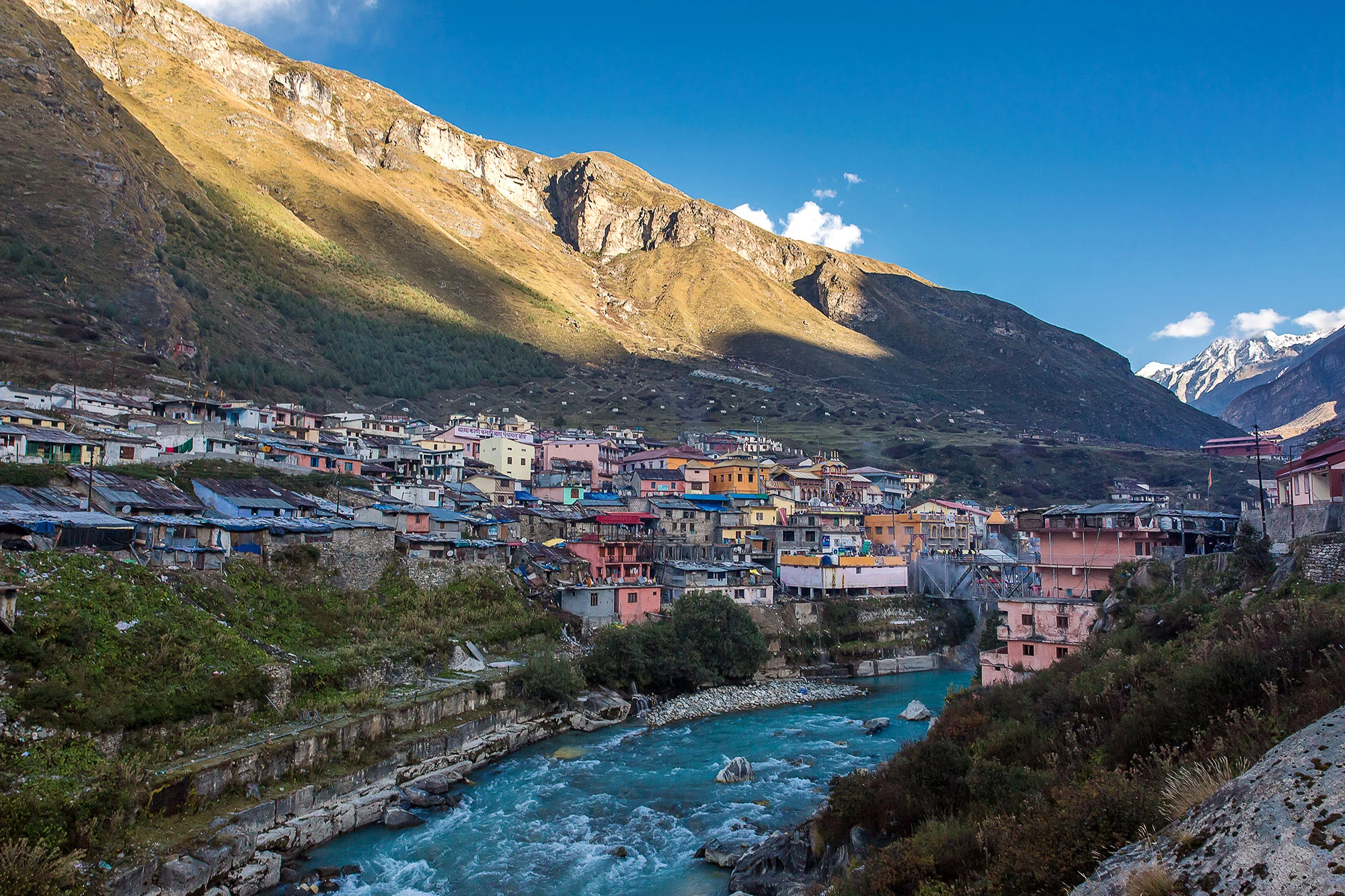
Badrinath Yatra By Helicopter
- Flight over the Himalayas to Badrinath from Dehradun.
- VIP Darshan at Badrinath Temple.
 6D / 5N
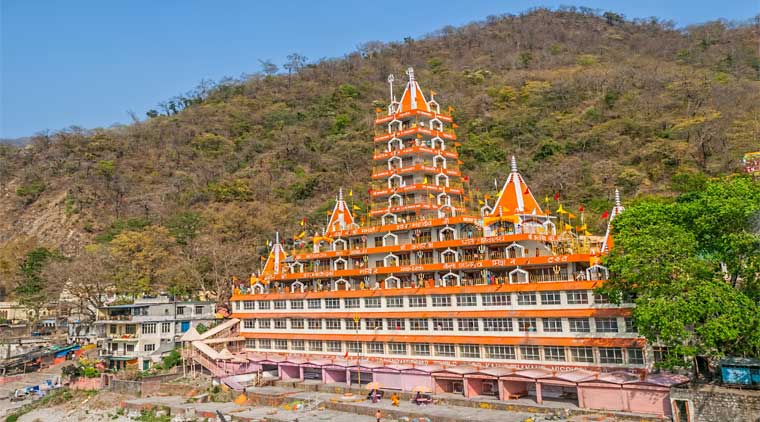
Haridwar Rishikesh Varanasi Tour Package from Delhi
- Haridwar
- Rishikesh
 19D / 18N
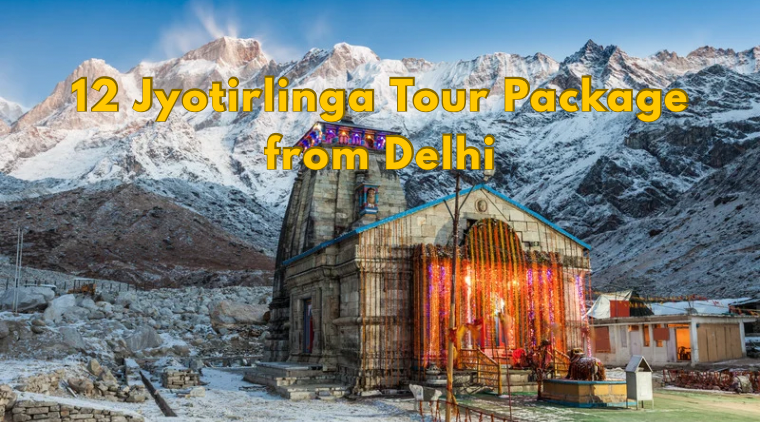
12 Jyotirlinga Tour Package from Delhi
- All Jyotirlinga darshans
- Ganga Aarti experiences
 6D / 5N
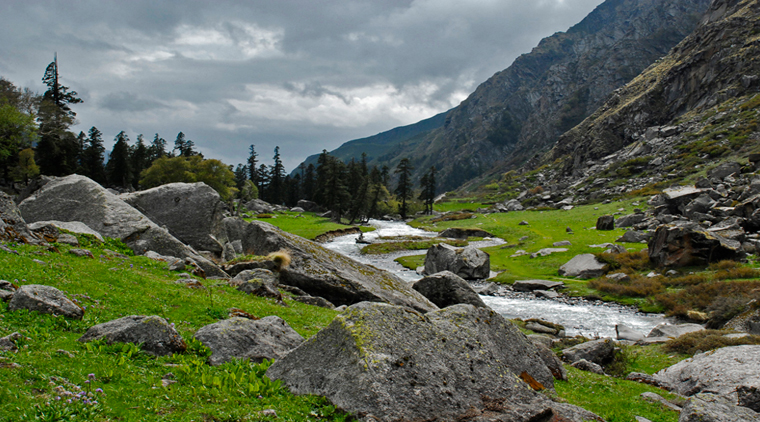
Har Ki Doon Trek
- Enjoy the majestic view of Swargarohini Peak
- Enjoy breathtaking views of Alpine Meadows
 7D / 6N
Hills of Uttarakhand Package
- Visit Tapkeshwar Temple & Dakpatthar
- Visit Mussoorie Lake
 6D / 5N
Kedarkantha Trek
- Explore the Sankri village
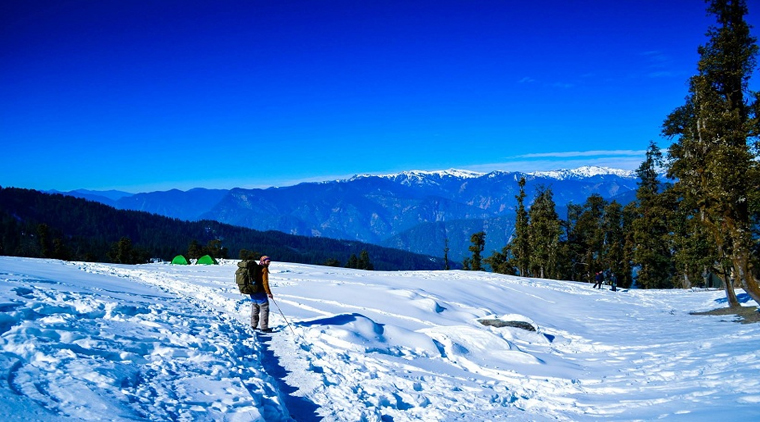
- Enjoy splendid view of snow-capped Bandarpoonch & Swargarohini