
Gangotri Travel Guide
Gangotri is only open about half the year. The best windows are May to June and September to October ; in 2026 the temple opens around 19 April and closes around 11 November...
When to visit Gangotri, and the open season
Gangotri is only open about half the year. The best windows are May to June and September to October; in 2026 the temple opens around 19 April and closes around 11 November, and shuts all winter.
- May to June: open and clearSoon after the temple opens, with pleasant days and the route at its busiest. Book accommodation and your free registration well ahead, as this is peak yatra season.
- September to October: calm and crispAfter the monsoon eases, the air is clear and the crowds thinner, right up to the closing around early-to-mid November. A lovely, quieter time for darshan, and good for the Gaumukh trek before the cold sets in.
- The open season itselfThe temple opens on Akshaya Tritiya (in 2026 around 19 April) and closes around Diwali and Bhai Dooj (in 2026 around 11 November), when the Goddess's worship moves down the valley to Mukhba for winter. Plan strictly within the open dates, and reconfirm them near the start and end of the season.
July to August brings heavy monsoon rain and a serious risk of landslides and road blockages on these fragile mountain roads, so build in buffer time or avoid it. In winter the temple is closed and the town snowbound, so a winter visit is not possible.
How to reach Gangotri
Gangotri has no airport or railhead. It is a long mountain drive from the plains via Rishikesh and Uttarkashi, with a flight or train only getting you to the foothills.
- Foothill airport and railheadsThe nearest airport is Jolly Grant (Dehradun) and the nearest railheads are Rishikesh and Haridwar. From there it is a long mountain road journey via Uttarkashi: roughly 280 to 300 km and about 10 to 12 hours from Haridwar, usually broken with an overnight at Uttarkashi or Harsil.
- By road via UttarkashiThe route climbs through Tehri and Uttarkashi, then up the Bhagirathi valley to Gangotri (the last stretch from Uttarkashi is about 100 km and 3 to 4 hours). We arrange a car with an experienced hill driver and sensible overnight stops, which is far gentler than rushing it in one go.
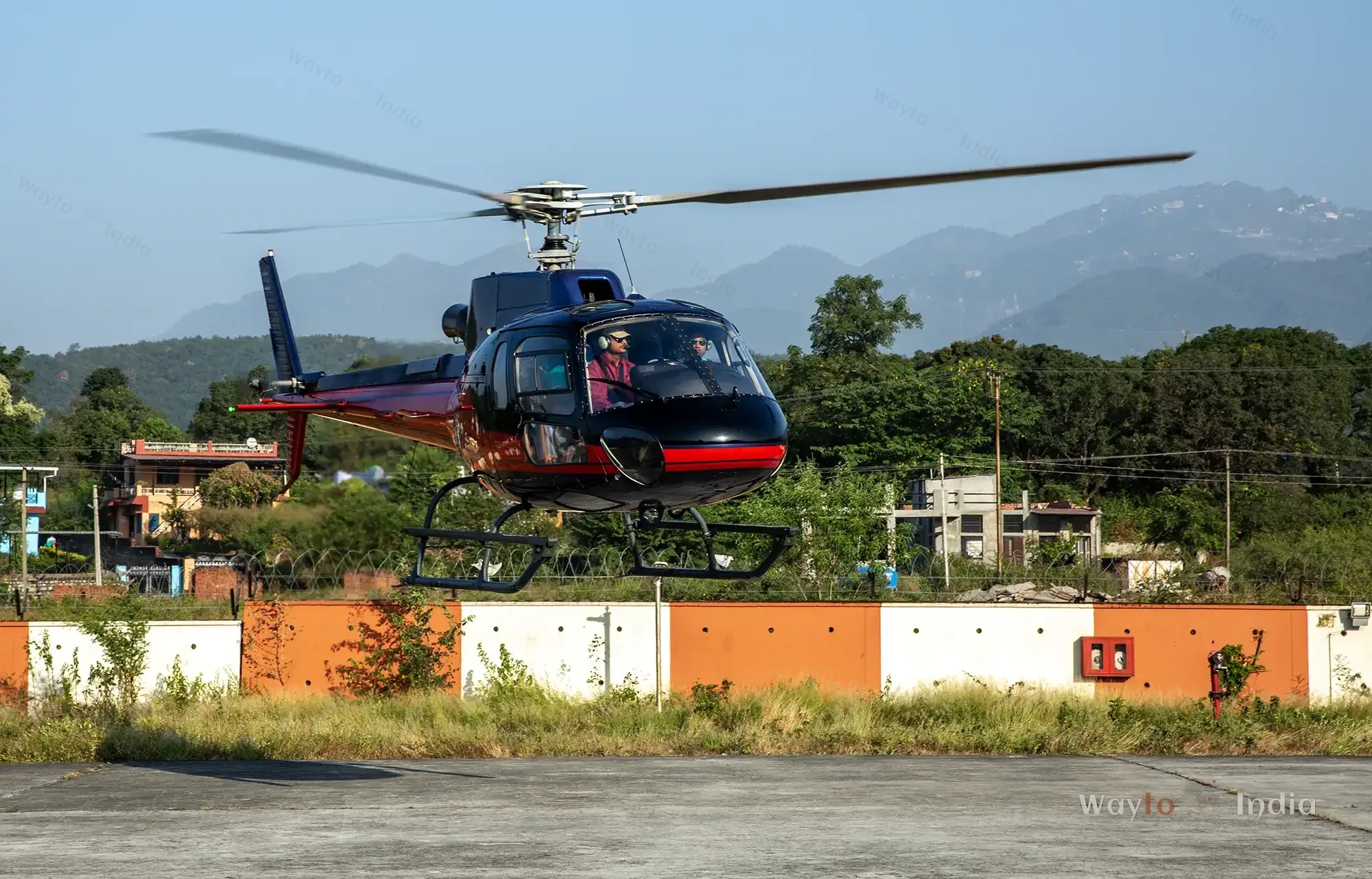
- By helicopter (Char Dham circuit)Char Dham helicopter packages run for pilgrims short on time and cover Gangotri as part of the four-shrine circuit, often as a 1 to 2 day trip from Dehradun. They save days but cost much more and depend on the weather; we can arrange them on request.
Fly into Delhi, the main international gateway, then drive (or take a short flight to Dehradun) to Rishikesh and up the mountain route via Uttarkashi. Allow several days for the Char Dham; it cannot be rushed.
Fly into Delhi and continue to Haridwar or Rishikesh, then up by road. Build in time for the free registration and for acclimatisation.
Reach Haridwar or Rishikesh by train or road, complete your registration, then take the mountain road via Uttarkashi to Gangotri over one or two days.
The temple, the registration, and the Bhagirathi
Gangotri is the seat of the Goddess Ganga: the riverside temple, the sacred Bhagirathi ghats, and the rocks of legend. The one thing to sort before anything else is your mandatory, free registration.
- Register first, it is mandatory and freeEvery Char Dham pilgrim must register, free of charge, online via the Uttarakhand government portal (registrationandtouristcare.uk.gov.in), the Tourist Care Uttarakhand app or WhatsApp, or at counters in Haridwar and Rishikesh. For 2026 registration opened around 6 March and now needs Aadhaar; carry the QR e-pass confirmation, as it is checked on the route. Without it you cannot proceed to darshan, and beware third-party sites that charge a fee, since registration is free.
- Gangotri templeThe white temple of the Goddess Ganga on the bank of the Bhagirathi, one of the Char Dham of Uttarakhand. Darshan runs from about 6:15 am morning and into the evening with a midday break, and the evening Ganga aarti by the river is the highlight of the day.
- Bhagirath Shila and Surya KundBeside the temple, the Bhagirath Shila is the rock where King Bhagirath is said to have meditated to bring the Ganga to earth, and the Surya Kund is the powerful waterfall where the Bhagirathi crashes through a gorge below the temple. Take care near the cold, fast water.
- Harsil and Gangnani on the wayThe apple-orchard valley of Harsil and the hot spring at Gangnani both lie on the road up, and make a calm, scenic overnight or stop, especially for families and older travellers wanting to break the climb.
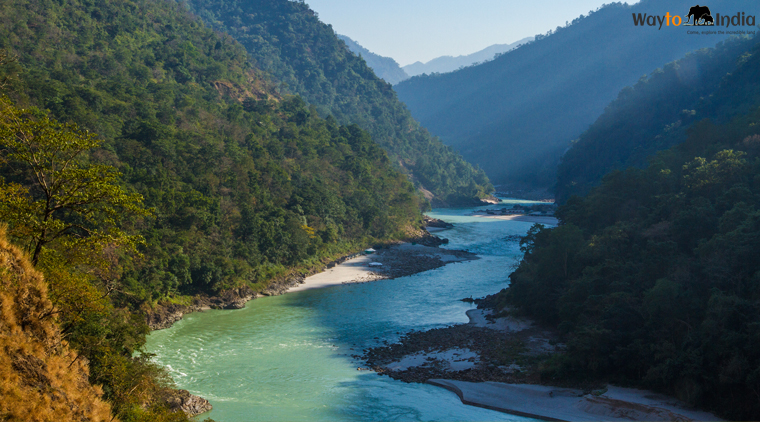
A common surprise: the actual source of the Ganga is the Gaumukh glacier snout, about 18 to 19 km on foot beyond Gangotri, inside Gangotri National Park. At Gangotri itself you worship at the temple and bathe in the Bhagirathi. Reaching the glacier source is a serious trek with its own paid forest permit, covered in the next section.
The Gaumukh and Tapovan trek, and the forest permit
The true source of the Ganga lies at the Gaumukh glacier, about 18 to 19 km of trekking beyond Gangotri inside a national park. It needs a paid forest permit with a daily cap, separate from the free Char Dham registration. Here is how it works.
- What and how farGaumukh, the snout of the Gangotri glacier, is the source of the Bhagirathi (the Ganga), about 18 to 19 km from Gangotri via Chirbasa and Bhojbasa. Tapovan, the high meadow under the dramatic Shivling peak, is a further steep climb above Gaumukh. It is a moderate-to-hard high-altitude trek, not a casual walk, usually done over about 5 to 7 days including the drive, with overnights at Bhojbasa.
- The paid forest permit and daily capThe trek runs inside Gangotri National Park, so you need a paid forest-department permit from the Uttarkashi forest division. Entry is capped at about 150 trekkers per day to protect the fragile glacier zone, so book ahead in peak season. This permit is separate from, and in addition to, the free Char Dham registration.
- The fee and the rulesThe permit fee is about 150 rupees for Indians and about 600 rupees for foreign nationals, obtained online through the Uttarakhand forest Single Window / Pathik portal or in person at the Uttarkashi forest office. From 10 September 2024, a registered guide, trek insurance and a medical fitness certificate have been mandatory for the Gaumukh trek, so allow time to arrange these.
- Altitude and fitnessBhojbasa is about 3,800 m, Gaumukh about 4,000 m and Tapovan about 4,460 m, so this is real high-altitude trekking. Acclimatise at Gangotri first, ascend gradually, carry warm layers and water, and turn back if the altitude tells. It is for the genuinely fit and acclimatised, not for an unprepared day visitor.
The free Char Dham registration gets you to the Gangotri temple. The paid forest permit (about 150 rupees Indian, about 600 foreign, capped at about 150 trekkers a day) gets you onto the Gaumukh trek inside the national park. You need the registration for the temple and, additionally, the forest permit for the trek. Tell us early if you want the trek so we can line up the permit, guide and medical certificate.
Signature experiences in Gangotri
Beyond darshan, these are the experiences people remember, and how to arrange them.
- Darshan and the evening Ganga aartiTime your darshan for the calmer morning or stay for the evening Ganga aarti by the Bhagirathi, when lamps float on the river in the cold mountain air. Go early to beat the longest queues.
- A dip in the BhagirathiPilgrims traditionally take a holy dip in the Bhagirathi at the Gangotri ghats. The water is glacial and very cold and the current strong, so use the marked steps and railings and take great care, especially with children and older travellers.
- The Gaumukh trek to the sourceFor the fit and acclimatised, the trek to Gaumukh is the chance to stand at the very source of the Ganga, where the river emerges from the glacier. It needs the paid forest permit and falls under the daily cap, so plan it well ahead. See the Gaumukh section for the full detail.
- Pause at Harsil and GangnaniBreak the climb at the apple valley of Harsil or soak at the Gangnani hot spring on the way up. Both are gentle, scenic stops that suit families and seniors and help with acclimatisation.
- Combine with YamunotriGangotri pairs naturally with Yamunotri, the neighbouring Char Dham, on a shared itinerary. We can arrange the two together as part of a wider Char Dham plan with sensible overnights.
Where to stay at or near Gangotri
Gangotri itself has only basic GMVN, ashram and dharamshala stays and no luxury. Many travellers sleep more comfortably lower down at Harsil or Uttarkashi and visit the temple from there.
- In Gangotri town: basic and simpleExpect GMVN tourist rest houses, ashrams, dharamshalas and a handful of simple hotels and guesthouses. Rooms are plain, hot water can be limited, and there is no luxury stay in the town. Budget rooms run roughly 800 to 1,500 rupees and simple hotels or better GMVN rooms roughly 1,500 to 4,000 rupees in season, rising at peak. Book ahead in May to June.
- Harsil: the comfortable alternativeAbout an hour below Gangotri, the apple-orchard hamlet of Harsil has better hotels, homestays and a few GMVN options in a beautiful valley. Many travellers and families base here, sleep warmer and lower, and drive up to the temple for the day. It also helps acclimatisation.
- Uttarkashi: the town stopThe district town of Uttarkashi, about 3 to 4 hours below Gangotri, has the widest choice of hotels and is the natural overnight on the drive up. Good for breaking the journey, picking up supplies, and arranging the Gaumukh permit at the forest office.
- How many nightsFor darshan alone, one night at or near Gangotri is enough, ideally with a night lower down at Harsil or Uttarkashi on the way. For the Gaumukh trek, plan several extra days. As part of the full Char Dham, Gangotri is usually one to two days of a 10 to 12 day circuit.
A simple rule that makes the trip more comfortable and safer for the altitude: where you can, sleep at Harsil or Uttarkashi rather than at Gangotri itself, and drive up to the temple for darshan. You get warmer, better rooms, you gain altitude more gradually, and you still get the full experience of the shrine and the river.
Gangotri costs and a realistic budget
Darshan is free once you register, and the Gaumukh permit is small. The real cost of a Gangotri trip is the car, the driver and the nights on the long mountain road.
- A rough daily budget on the groundExcluding your car or package and long-distance travel, plan on roughly 1,500 to 2,500 rupees a day for a simple pilgrim day at Gangotri, and about 3,000 to 5,000 rupees for a more comfortable one with a better room and meals. Costs are higher than in the plains because everything is carried up the valley.
- The fixed and free thingsDarshan at the Gangotri temple is free once you hold the mandatory free registration. The Gaumukh forest permit is about 150 rupees for Indians and about 600 rupees for foreign nationals. These are the rare fixed costs; almost everything else depends on your car and your stay.
- The big costsOn a road trip the major expense is the car with an experienced hill driver, fuel and the nights at Uttarkashi or Harsil, which is why a shared package often works out better value than a solo hire. A Char Dham helicopter circuit from Dehradun is far quicker but costs many times more and depends on the weather.
- Carry cashCard and UPI acceptance thins out as you climb and signal is patchy, so carry enough cash for rooms, meals, the permit and small purchases up the valley. Draw cash in Rishikesh, Haridwar or Uttarkashi rather than counting on an ATM at Gangotri.
Practical logistics: connectivity, road safety and what to carry
The small things that make a Gangotri trip smooth and safe, from the patchy mobile signal to the night-driving rules and what to pack for the cold and altitude.
- Mobile signal and connectivityCoverage thins as you climb. BSNL and Jio tend to work best, but signal is weak or absent on stretches near Gangotri and largely gone on the Gaumukh trek. Download offline maps, share your plan with family before you lose signal, and do not rely on data for navigation or payments up the valley.
- Road safety and night drivingChar Dham mountain roads are long, winding and single-lane in places. Night driving is restricted or strongly discouraged, so convoys pause overnight at Uttarkashi or Harsil. Use an experienced local hill driver, never rush the blind bends, and build buffer days for weather and road clearance.
- What to carryEven in season it is cold at altitude: pack warm layers, a windproof jacket, gloves and a cap, sturdy walking shoes, sunscreen, a torch, a power bank, and rain gear for the monsoon shoulder. Carry your ID, your registration e-pass, and any prescribed medicines including something for altitude on a doctor's advice.
- Food, water and fitnessStick to bottled or boiled water, eat at clean places, and lean on the simple vegetarian food along the route. Light walking and breathing exercises in the weeks before help with the altitude, and dry fruit, glucose and chocolate are handy energy for the climbs.
Altitude, the river, and staying well
Gangotri is high and remote, so the real risks are altitude sickness, the cold fast river, and the long mountain road. A little care and pacing keeps the yatra safe.
- Altitude and AMSAt about 3,100 m, even the temple visit needs care, and the Gaumukh and Tapovan trek goes far higher. Ascend gradually with an overnight lower down, rest the first afternoon, keep hydrated, and watch for headache, nausea or breathlessness. If symptoms worsen, descend. Anyone with heart or breathing conditions should consult a doctor before the trip.
- The river and the ghatsThe Bhagirathi at Gangotri is glacial, icy and fast, and the Surya Kund gorge is powerful. Take the holy dip only at the marked steps and railings, never wade into the current, and watch children and older travellers closely near the water.
- Weather, landslides and the monsoonMountain weather turns fast and the July to August monsoon brings a real risk of landslides and road blockages. Travel in the dry windows, build buffer days, avoid night driving, and be ready to wait out a closure rather than push through.
- Honest steer on who should not push itThe temple darshan is achievable for most reasonably fit pilgrims with sensible pacing. The Gaumukh trek is not: it is for the genuinely fit and acclimatised only, with a guide and medical certificate now required. Do not attempt the glacier trek on a whim from the temple, and do not talk an unfit elder up the valley too fast.
Char Dham registration and the QR e-pass are completely free on the official Uttarakhand portal, the Tourist Care app, WhatsApp or government counters. Several third-party sites and touts charge a fee to do it for you or sell a fake confirmation. Register yourself on registrationandtouristcare.uk.gov.in, keep the confirmation, and never pay anyone for what the government gives free.
Gangotri for every kind of traveller
The Gangotri yatra suits different pilgrims and travellers in different ways. Here is what it offers you, and the one tip that matters for each.
- PilgrimsOne of the Char Dham and the seat of the Goddess Ganga. Register early, take the holy dip in the Bhagirathi, and stay for the evening Ganga aarti. Allow time and treat it as a serious mountain pilgrimage.
- Senior travellersThe temple visit itself is very doable with care: ascend gradually with overnights at Uttarkashi or Harsil, rest on arrival for the altitude, and consider the helicopter circuit to cut the long drive. The Gaumukh trek, however, is not suitable for most seniors. A doctor's check beforehand is wise.
- Families with childrenRewarding but high and remote, so go gently with the altitude, keep children warm and hydrated, and break the drive with overnights at Harsil or Gangnani. The temple and the riverside suit families; the Gaumukh trek does not suit young children.
- CouplesA profound, scenic journey through the high Himalaya, with the river, the aarti and the apple valley of Harsil. Pair the darshan with a calm overnight at Harsil for a memorable few days.
- Trekkers and the activeThe Gaumukh and Tapovan trek to the source of the Ganga, under Shivling peak, is the real draw here. Arrange the paid forest permit, guide, insurance and medical certificate ahead, acclimatise at Gangotri, and respect the daily cap and the altitude.
- Budget travellersGMVN and dharamshala-style stays keep costs down, buses run the route via Uttarkashi, and darshan is free once you are registered. Travel in shoulder season for the best value and calm.
A suggested Gangotri itinerary
How to shape the Gangotri leg, whether you want darshan in a few days, the full Gaumukh trek, or Gangotri as part of the wider Char Dham circuit.
- Darshan in 3 to 4 days from the plainsDay one, Haridwar or Rishikesh up to Uttarkashi or Harsil. Day two, drive up to Gangotri, settle for the altitude, and take the evening aarti. Day three, morning darshan and the Bhagirath Shila, then begin the drive down. A fourth day gives a calmer pace and a buffer for weather.
- Gaumukh trek in about 5 to 7 daysAdd the drive up, an acclimatisation day at Gangotri, then the trek over Chirbasa and Bhojbasa to Gaumukh and, if fit, up to Tapovan, returning the same way. Plan the permit, guide and medical certificate before you arrive, and keep a spare day for altitude and weather.
- Gangotri within the full Char DhamOn the classic road circuit (Yamunotri, Gangotri, Kedarnath, Badrinath) over about 10 to 12 days, Gangotri is usually one to two days, paired with Yamunotri on the western side. A 1 to 2 day helicopter circuit from Dehradun compresses all four at much higher cost.
- The honest minimumDo not try to do Gangotri as a rushed there-and-back in two days from the plains. The road is too long and the altitude gain too fast to be safe or enjoyable. Give it at least three days, with a night lower down for acclimatisation.
The single thing that saves a Gangotri trip is a spare day. Weather, landslides, road clearance and altitude can all cost you time, and a tight there-and-back plan turns the smallest delay into a missed darshan or an unsafe rush. Add a buffer day to whatever itinerary you choose, and the mountain feels far less stressful.
The real questions travellers ask about Gangotri
Straight answers to the questions that come up again and again on traveller and trek forums, so you arrive already knowing the score.
- Is Gangotri the source of the Ganga?No. Gangotri town is the temple and the holy ghats, but the actual source is the Gaumukh glacier snout, about 18 to 19 km of high-altitude trekking beyond town inside the national park. Many first-timers are surprised by this, so plan the trek separately if you want to reach the glacier.
- How hard is the Gaumukh trek and how long?It is a moderate-to-hard high-altitude trek, usually about 5 to 7 days including the drive, with overnights at Bhojbasa and Gaumukh at around 4,000 m. Tapovan above it is steeper still at about 4,460 m. It needs real fitness, acclimatisation, and now a guide, insurance and medical certificate.
- Is registration mandatory and free, and do foreigners register too?Yes, free and mandatory for everyone, including NRIs and foreign nationals, with Aadhaar now required for those who have it and passport details for foreigners. Register on the official Uttarakhand portal, the Tourist Care app, WhatsApp or at counters, and carry the QR e-pass. Never pay a third-party site for it.
- When does the temple open and close, and can I visit in winter?In 2026 the temple opens around 19 April and closes around 11 November, and it is shut all winter when the worship moves to Mukhba. A winter visit to Gangotri is not possible, so plan strictly within the open season and reconfirm the dates before booking.
- Can seniors and families manage Gangotri?The temple darshan is achievable for most with care: ascend gradually, overnight lower at Harsil or Uttarkashi, and rest for the altitude. The Gaumukh trek is not suitable for most seniors or young children. The helicopter circuit is the gentlest way for those who cannot manage the long drive.
- Is the Char Dham helicopter package worth it?If time is short or the long road is too much, yes: a 1 to 2 day helicopter circuit from Dehradun covers all four shrines including Gangotri. It is far more expensive and weather-dependent, and flights can be delayed or cancelled, so build in flexibility and treat the cost as the trade-off for speed.
Planning Gangotri from abroad
Gangotri, the seat of the Goddess Ganga and one of the Char Dham, is a deeply meaningful pilgrimage for the diaspora. The registration, the season, the altitude and (for the trek) the forest permit are the things to plan around from abroad.
- Sort the mandatory registrationEvery pilgrim must register, free, on the Uttarakhand government portal (registrationandtouristcare.uk.gov.in), the Tourist Care Uttarakhand app or WhatsApp, or at the Haridwar and Rishikesh counters. Aadhaar is required where you have it and passport details for foreign nationals. Do it before you head up and carry the QR confirmation, as it is checked on the route. Registration is free, so avoid any site that charges for it.
- Travel only within the open seasonThe temple opens on Akshaya Tritiya (in 2026 around 19 April) and closes around Diwali and Bhai Dooj (in 2026 around 11 November). Plan your trip strictly within these dates, and aim for May to June or September to October for the best conditions.
- Respect the altitude and the driveGangotri is at about 3,100 m and a long mountain drive from the plains via Uttarkashi. Ascend gradually with overnights, rest on arrival, and if a doctor advises against the altitude, consider the helicopter circuit or another Dham. The Gaumukh trek goes much higher and is only for the fit and acclimatised.
- For the Gaumukh trek, plan the permit earlyIf you want to trek to the source of the Ganga, the paid forest permit (about 150 rupees Indian, about 600 rupees for foreign nationals), the daily cap of about 150 trekkers, and the now-required guide, insurance and medical certificate all need arranging ahead. Tell us early and we will coordinate the registration, the route and the permit so an NRI family trip runs smoothly.
Money, connectivity and timing for foreign visitors
The practical basics an overseas traveller needs for a remote high-Himalayan shrine: cash, a SIM, connectivity, and how Gangotri fits a wider India trip.
- Carry cash and a backupCard and UPI acceptance fades as you climb and ATMs are unreliable above Uttarkashi, so draw enough cash in Delhi, Rishikesh, Haridwar or Uttarkashi for the whole leg. Keep small notes for rooms, meals, the forest permit and offerings up the valley.
- Get a SIM early, expect signal gapsPick up an Indian tourist SIM or eSIM when you land in Delhi rather than hunting for one in the hills. BSNL and Jio work best on the route, but expect weak or no signal near Gangotri and none on the Gaumukh trek, so download offline maps and share your plan before you lose coverage.
- How long to give it on a bigger tripOn a wider India trip, allow at least 3 to 4 days for Gangotri from the plains for darshan, more for the trek, or fold it into a 10 to 12 day Char Dham circuit. Do not try to bolt it onto a city itinerary as a quick side trip; the mountain road needs time.
- Time it to the open season and the weatherMay to June and September to October are the windows. Avoid the July to August monsoon for landslide risk, and remember the shrine is shut all winter. Book the registration and your stays ahead for the peak May to June season.
For overseas and NRI travellers, Gangotri rewards those who treat it as the high, remote pilgrimage it is rather than a quick photo stop. Give it time, acclimatise, register properly, and let the long drive up the Bhagirathi valley be part of the experience. Many diaspora pilgrims say standing by the river at the seat of the Goddess Ganga, or at the glacier source itself, is the most moving part of their whole India trip.
Why the river is born at Gangotri
Gangotri marks the place where, in the old tradition, the Ganga first touched the earth. King Bhagirath, the story goes, performed years of penance on a rock above the river to bring the heavenly Ganga down to release the ancestors of his line. The goddess agreed, but her fall from the heavens was so powerful it would have shattered the earth, so Lord Shiva caught her in his matted locks and let her flow gently from the Himalaya. The river that rises here is named the Bhagirathi for the king whose devotion brought her, and only downstream, after it meets the Alaknanda at Devprayag, is it called the Ganga. The rock where Bhagirath is said to have meditated is still shown beside the temple as the Bhagirath Shila, and the true glacial source, about 18 to 19 km above town, is called Gaumukh, the cow's mouth, for the shape of the ice from which the water emerges.
Planning a Gangotri trip?
Our Uttarakhand travel experts plan your full journey for you: route, hotels, darshan timings and transport. You get a free day-by-day plan and an exact quote on WhatsApp, usually within a few hours. No payment is needed to get your plan.
Tour packages that visit Gangotri
Every journey below is private, hand-crafted and fully customizable. Tell us your dates and we tailor the itinerary, the pace and the priests or guides around you.
 11D / 10N5.0
Chardham Yatra Tour Package 2026
- Visit Yamunotri
- Visit Gangotri
 6D / 5N
Char Dham Yatra By Helicopter From Dehradun
- Cover all 4 Dhams by Helicopter in 6 Days (5 Nights) from Dehradun
- Palki/Pony at Kharsali in place of 6Km Trekking to Yamunotri
 7D / 6N
Gangotri Gaumukh Tapovan Trek
- Gangotri valley
- The trek to Tapovan