Kedarnath Travel Guide
Kedarnath is open for only about six months a year. The shrine opens around late April and closes around Bhai Dooj in early November , and the best months inside that window are...
When to visit Kedarnath, and the one window that matters
Kedarnath is open for only about six months a year. The shrine opens around late April and closes around Bhai Dooj in early November, and the best months inside that window are May to June and September to October.
- May and June: the comfortable early seasonPleasant days, melting snow on the high peaks and the longest run of settled weather. This is the busiest and most popular window, so registration and helicopter seats go fast and the gateway hotels fill. Book early and start the trek at first light to beat both the crowds and the afternoon weather.
- September and October: clear post-monsoon airAfter the rains ease, the skies clear, the valley turns green and the crowds thin a little. Mornings turn cold and the season winds down around Bhai Dooj, so the later you go the more you should watch the forecast and keep warm layers handy.
- Avoid the monsoon, roughly July to early SeptemberHeavy rain brings landslides and road blocks across the hills, and the trek can be slippery and genuinely risky. The 2013 disaster happened in mid-June rain, so if you must travel in the wet months, keep your plan flexible, build in buffer days, and never push on through a weather warning.
- Decide the heli-or-trek question with the seasonEarly May and the post-monsoon window are kindest for the trek. In a wet or uncertain spell the helicopter looks tempting, but flights are the first thing grounded by cloud and rain, so a heli plan in poor weather can strand you. Match your method to the month and keep a fallback.
For 2026 the shrine opened on about 22 April at around 8 am, announced on Maha Shivratri by the Badri-Kedar Temple Committee and tied to the Akshaya Tritiya season. It is expected to close around Bhai Dooj, with a tentative date of about 11 November 2026; the final closing date is announced on Vijayadashami (Dussehra). Because the exact dates shift each year with the Hindu calendar, treat 11 November as tentative and always reconfirm the current window on the Badri-Kedar Temple Committee or Uttarakhand tourism site before you book travel.
How to reach Kedarnath
There is no road to the shrine. You reach the hills by air, rail or road to a gateway town, drive to Sonprayag, then either trek about 16 km from Gaurikund or fly the last leg by helicopter.
- To the hills firstMost pilgrims travel via Haridwar or Rishikesh, then drive up through Rudraprayag to the gateway towns of Guptkashi, Phata or Sersi. The nearest airport is Dehradun (Jolly Grant), roughly a long day's drive from the trek base, and the nearest major railhead is Haridwar, after which it is a long mountain road. Build in a night at Haridwar or Rishikesh to acclimatise and rest.
- The road ends at SonprayagPrivate vehicles stop at Sonprayag, where your QR e-pass is checked. From there a shared jeep covers the last roughly 5 km to Gaurikund, where the trek begins. You cannot drive to the temple itself, and on busy days the Sonprayag to Gaurikund shuttle can mean a queue.
- On foot from GaurikundIt is an uphill trek of about 16 km from Gaurikund to the shrine at around 3,583 m, on the route rebuilt after the 2013 floods, taking roughly 6 to 9 hours depending on your pace; some sources quote about 18 km. You can hire a pony, a palki carried by porters, a dandi or a kandi back-basket for children at the official counters, covered in the costs section.
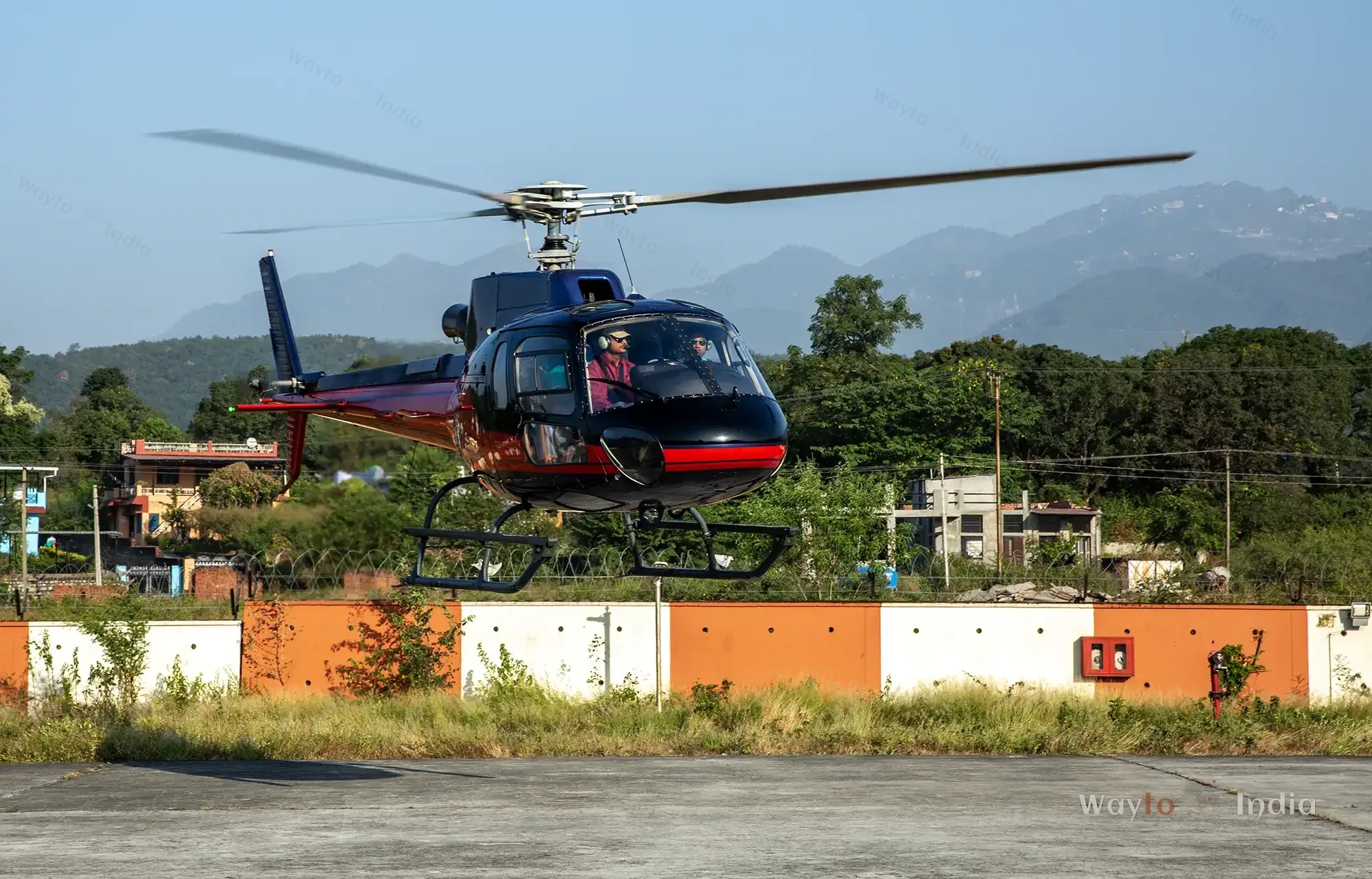
- By helicopter, booked only on IRCTCHelicopters fly from Guptkashi, Phata and Sersi and can be booked only on the official government site heliyatra.irctc.co.in. Seats sell out within minutes and any other site or agent is unauthorised. See the helicopter and registration section for the fares and the booking-day drill.
Fly into Delhi, then continue to Dehradun by a short domestic flight or reach Haridwar by train or road, and drive up to the gateway towns. There is no international airport near Kedarnath, so give yourself a night in the plains to rest before the hills.
Fly into Delhi, the main gateway, and continue to Dehradun or Haridwar, then drive into the hills. Build in a night at Haridwar or Rishikesh to acclimatise, sort your registration and start the mountain leg early.
Reach Haridwar or Rishikesh by train or road, or fly to Dehradun, then take the mountain road through Rudraprayag to Guptkashi, Phata or Sersi for the trek or the helicopter. Overnight in a gateway town before you go up.
The shrine, the darshan, and the nearby temples
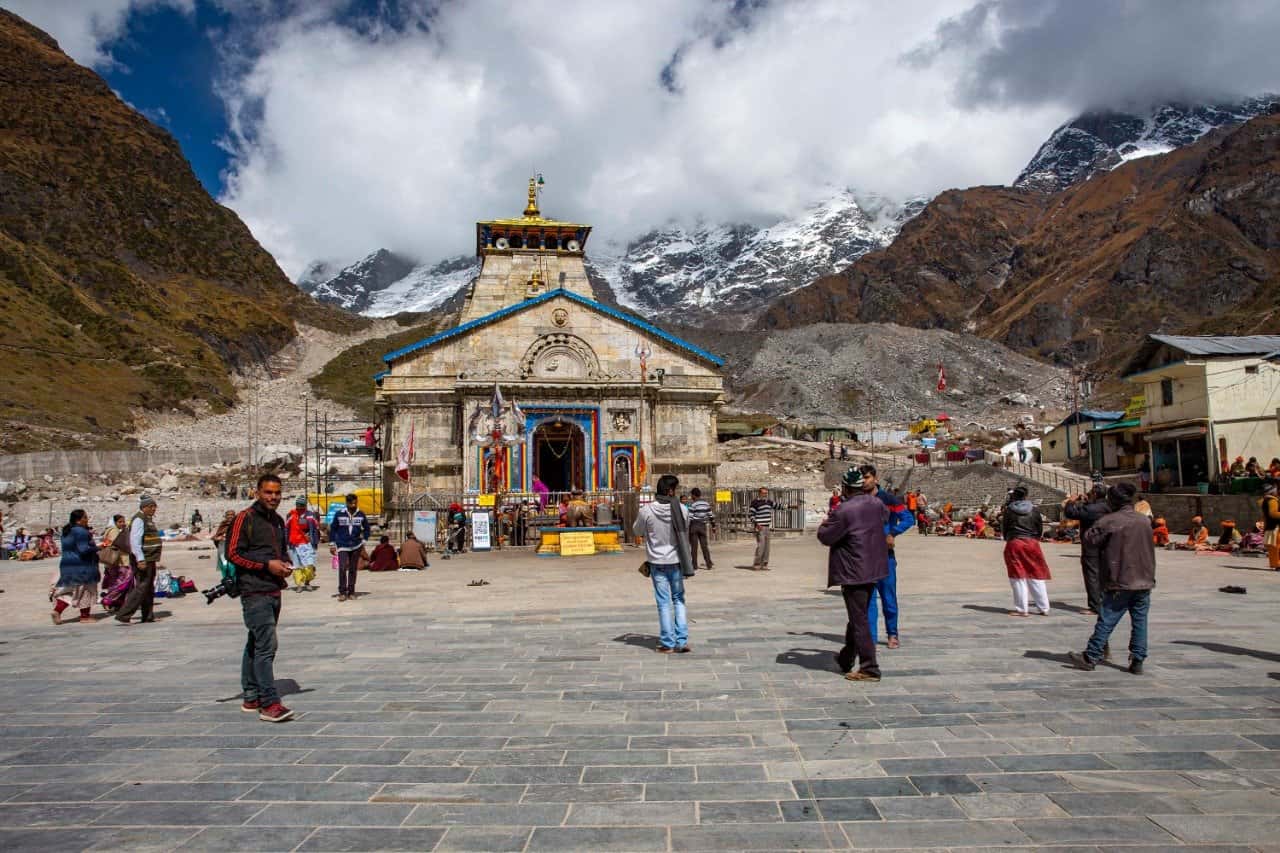
Kedarnath is one of the twelve Jyotirlingas of Lord Shiva and one of the four Char Dham shrines. The temple itself is the heart of the trip, with a few sacred sites around it.
- The Kedarnath temple and darshanThe ancient stone temple houses the conical rock Jyotirlinga and is the goal of the whole journey. Darshan runs through the day with a midday break for the deity's rituals; queues are long at peak times, so go early and pace yourself for the altitude. Reconfirm the current aarti and darshan timings on arrival, as they shift with the season and festival days.
- Bhairavnath templeA short, steep walk above the shrine to the temple of Bhairavnath, the fierce guardian deity of Kedarnath, with sweeping views over the valley. Locals believe he watches over the shrine through the closed winter. A worthwhile add if you have the breath for the climb, and a good acclimatisation walk.
- Adi Shankaracharya SamadhiBehind the main temple, the rebuilt memorial to the eighth-century philosopher-saint traditionally linked with reviving the shrine. Quiet and quick to see, and a calm spot to sit after the darshan crush.
- The gateway townsOn the way up, Guptkashi (with its Vishwanath temple and the Ardhanareshwar shrine), Rudraprayag (the sacred confluence of the Alaknanda and Mandakini) and Ukhimath (the winter seat of the deity) are worth a pause, and most itineraries overnight in one of these towns before the trek.
Darshan at the Kedarnath temple is free. Your real costs are the travel to the gateway, the trek aids (pony or palki) or the helicopter, and your stay. Special poojas can be pre-booked through authorised channels, typically from about 300 rupees up to about 25,000 rupees depending on the ritual. The one thing you must arrange in advance is the free Char Dham registration, covered in the next sections.
The IRCTC helicopter and the free registration you cannot skip
Two things trip people up before they even start: the Kedarnath helicopter can be booked on only one website, and the free Char Dham registration is a hard gate with no entry past Sonprayag without it. Here is exactly how both work.
- The helicopter is IRCTC-onlyKedarnath helicopters fly from Guptkashi, Phata and Sersi, and the only authorised place to book is the government site heliyatra.irctc.co.in. Any other website or agent claiming to sell these seats is unauthorised under the Uttarakhand civil aviation authority's rules, a point the state has warned about repeatedly. Sersi is closest to Kedarnath and cheapest, Phata sits in the middle, Guptkashi is farthest but easiest to reach by road.
- The 2026 fares, roughlyFor 2026, indicative round-trip fares were about 6,390 rupees from Sersi, about 10,164 from Phata and about 12,762 from Guptkashi, inclusive of a convenience fee of about 300 rupees and 18 percent GST. Fares are revised each season, so treat these as a guide and check the live price on the IRCTC portal.
- Seats vanish in minutesBooking opens on a fixed date and time before the season (in 2026 the first window opened at about 6 pm on 15 April for flights from about 22 April) and slots sell out almost instantly. Have your registration done, your details ready and the page open the moment booking opens, and have a trek or pony fallback in case you miss out.
- Registration is free and compulsoryEvery pilgrim must register, free of cost, on the official Uttarakhand portal registrationandtouristcare.uk.gov.in or its app (online registration for 2026 opened on about 6 March at 7 am, with offline counters opening later in Haridwar, Rishikesh and elsewhere). You cannot buy a helicopter ticket without it, and your QR e-pass is scanned at Sonprayag.
- No registration, no entryWithout the registration e-pass you are not allowed up to Kedarnath, full stop. Carry it on your phone and as a printout, along with the photo ID you registered with. Counters also exist at Haridwar, Rishikesh and Sonprayag for anyone who could not register online, but doing it ahead saves a queue. We can help you complete the registration correctly.
Helicopter seats are sold only on heliyatra.irctc.co.in and registration is done only on registrationandtouristcare.uk.gov.in. Anything else risks a scam or a wasted trip. Remember the helicopter still lands you at about 3,583 m within minutes, with no time to adjust, so read the altitude and safety section before you choose it for an older traveller.
Signature experiences at Kedarnath
Beyond the darshan, these are the experiences people remember, and how to arrange them safely at altitude.
- Walk the trek, at your own paceFor the fit, the roughly 16 km climb from Gaurikund through changing mountain scenery is the heart of the pilgrimage. Start at first light, carry water and snacks, and rest often. If your legs or lungs struggle, switch to a pony or palki at the next official counter rather than pushing on, and never feel you have failed by doing so.
- Evening aarti at the templeThe evening aarti at the shrine, with the Kedarnath peak darkening behind it and the cold settling in, is the most moving moment for many pilgrims. Reconfirm the current timing on arrival and get there early for a place, wrapped up warm.
- The Vasuki Taal trekStrong trekkers can extend from Kedarnath to Vasuki Taal, a high-altitude lake at around 4,150 m of striking beauty, best between about June and October. This is a serious high-altitude trek of several hours each way, so go with a guide, only after you have acclimatised, and turn back if the weather closes in.
- Towards Chorabari (Gandhi Sarovar)A shorter walk from the shrine towards the Chorabari area gives glacier and valley views. The lake here, Gandhi Sarovar, was the one that breached in the 2013 disaster, so check locally whether the route is open and safe in your season before you set out.
- Bhairavnath for the viewThe short, steep climb to Bhairavnath above the temple rewards you with the best panorama of the Kedarnath valley. A good gentle acclimatisation walk if you are staying overnight and want to test your legs at altitude.
If you can manage a night at the shrine rather than a same-day return, the reward is the quiet early-morning darshan and the dawn light on the Kedarnath peak before the day's crowds arrive up the trek. The accommodation is basic and cold, but for many devotees that still pre-dawn moment at the temple is the single memory the whole journey is built around. Pack warm, and let the altitude settle overnight rather than rushing back down tired.
Where to stay: the shrine, or a comfortable gateway base
You can sleep right at Kedarnath in basic tents and dharamshalas, or stay more comfortably in Guptkashi, Sonprayag or Sitapur and start the trek or helicopter from there. Most pilgrims do a mix.
- At Kedarnath itself: basic and coldGMVN tents and ground-bedded camps run roughly about 250 to 1,000 rupees per bed, GMVN guesthouses about 1,000 to 2,000 rupees per bed, and private dharamshalas about 2,000 to 3,000 rupees per bed. It is simple, cold and books out fast in peak season, but staying up top buys you the dawn darshan. Book the GMVN options ahead through their official site.
- Guptkashi, Sersi and Phata: the comfortable basesThese gateway towns have the better hotels and the helipads, and most heli pilgrims base here for a same-day return to Kedarnath. Guptkashi has the widest choice of rooms and is the easiest to reach by road. Good for families and older travellers who want a proper bed before and after the high day.
- Sonprayag and Sitapur: closest to the trekSonprayag, where the road ends, and nearby Sitapur sit just before Gaurikund, so an early start onto the trek is easiest from here. Rooms are simpler than Guptkashi but you save the morning drive. GMVN runs a rest house at Sonprayag worth booking ahead.
- How many nights and whereA common shape is one or two nights in a Guptkashi-area base, with either a same-day helicopter return or a trek up with an optional night at Kedarnath. Sleeping at the shrine adds the dawn darshan but means a cold, basic night at altitude, so weigh comfort against that quiet early morning.
In May and June, and around big festival days, both the basic Kedarnath tents and the better Guptkashi-area hotels sell out well ahead at higher prices. If you want to sleep at the shrine for the dawn darshan, or want a comfortable gateway base in peak weeks, book early. If you plan to stay overnight at Kedarnath, tell your operator in advance so accommodation and any helicopter return can be arranged.
Kedarnath costs: pony, palki, helicopter and a realistic budget
Darshan is free, but the journey is not. Here are the official trek-aid rates, the helicopter fares, and a realistic daily budget, so you can plan and avoid being overcharged.
- Pony, palki and kandi: book at the official counterBooked at the government prepaid counter at Gaurikund or Sonprayag at rates fixed by the Rudraprayag district administration. For 2026 a one-way pony was about 2,500 to 3,500 rupees, a one-way palki about 4,200 to 5,500 rupees, and a kandi or pitthu back-basket about 1,000 to 1,500 rupees, varying with weight. A biometric or QR pass is needed to book a horse. Never agree a price with a tout on the trail.
- The helicopterRound-trip 2026 fares were about 6,390 rupees from Sersi, about 10,164 from Phata and about 12,762 from Guptkashi, inclusive of fee and GST, booked only on IRCTC. For a couple that is roughly about 13,000 to 25,000 rupees on the seats alone, so treat the heli as a comfort upgrade rather than the default.
- A realistic leg budgetExcluding your long-distance travel to Haridwar, plan on roughly about 8,000 to 15,000 rupees per person for a trek-based two to three day Kedarnath leg covering gateway hotels, food and a pony if you need one. Adding the helicopter raises that, and a comfortable family trip with good hotels and heli seats can run a good deal more, so price it to your group.
- Cash and connectivityCarry enough cash, as card and UPI acceptance thins out above Sonprayag and the trek vendors run on notes. Mobile coverage is patchy and best on BSNL and Jio. Draw cash at Guptkashi or Sonprayag rather than relying on an ATM higher up.
Everything on the trail except the official-counter pony, palki and kandi has a quoted price that starts high, so the single habit that saves money and avoids a dispute high on the mountain is to book the trek aids only at the government prepaid counter at Gaurikund or Sonprayag, at the fixed rate, before you start. Confirm the one-way figure, get the receipt, and you remove the only common friction of the climb.
Practical logistics: packing, food, signal and the trek day
The small things that make a Kedarnath day work, from what to pack and eat to where the signal holds and how the trek day actually unfolds.
- Pack for cold, wet and a climbEven in summer the shrine is cold and the weather turns fast, so carry warm layers, a windcheater, a raincoat or poncho, a cap and gloves, plus trekking shoes with good grip. Add a torch, a power bank, sunscreen, basic medicines and any prescriptions. Keep your ID and registration e-pass on your phone and on paper.
- Eat light and vegetarianStick to light vegetarian satvik meals and packaged or boiled water; avoid roadside stalls and untreated water on the route. Carry dry fruits, glucose, chocolate and biscuits for energy on the climb. Non-vegetarian food, alcohol and smoking are not part of the yatra and are best left behind.
- Signal, money and the early startMobile coverage is patchy and best on BSNL and Jio, so tell family your plan before you lose signal above Sonprayag. Carry cash. Start the trek before dawn so you reach the shrine and return, or settle in, before the afternoon weather closes in.
- How the trek day unfoldsFrom your gateway hotel you drive to Sonprayag, take the shared jeep to Gaurikund, and start the 16 km climb. It is steep in stretches, with rest points, tea stalls and medical posts along the way. Fit walkers take about 6 to 9 hours up. Pace yourself, drink often, and switch to a pony if the altitude bites.
Kedarnath sits in a fragile, sacred and avalanche-prone valley that has seen real disaster. Carry your litter out, refuse single-use plastic where you can, follow the instructions of the authorities and your coordinators at all times, and dress and behave modestly at the shrine. The mountain rewards humility and punishes haste, so move slowly and leave it as you found it.
Altitude, the medical check, and staying safe
Kedarnath is a high-altitude pilgrimage in a disaster-scarred valley. The altitude, the medical-screening rule and the weather are the real risks, and a little preparation keeps the journey safe.
- The altitude is real, even by helicopterYou reach about 3,583 m quickly, and a helicopter delivers you there in minutes with no time to adjust, so Acute Mountain Sickness is a genuine risk. AIIMS Rishikesh and the state advise acclimatising about 24 to 48 hours lower down at Haridwar or Rishikesh, ascending slowly, drinking plenty of water, and asking your doctor about acetazolamide (Diamox) before you go. Do not push through a bad headache, breathlessness or vomiting; rest, descend if it worsens, and use the medical posts.
- The medical screening for older pilgrimsFor the season, pilgrims over about 50, or anyone showing breathing trouble, can be stopped for a compulsory medical screening at Sonprayag, and health kiosks at Sitapur, Sonprayag and Gaurikund run on-the-spot fitness checks. A medical fitness certificate is strongly advised for anyone over 50 or with heart disease, hypertension, asthma or diabetes. Carry your prescriptions and your certificate.
- Weather, landslides and the 2013 lessonThe monsoon and sudden storms bring landslides and flash floods to this valley, as the 2013 disaster showed. Watch the forecast, never trek in a weather warning, keep buffer days, and remember helicopters are grounded by cloud and rain. Listen to the local authorities, who close the route when it is unsafe.
- Carry evacuation insuranceWeather and altitude can force an emergency airlift or a hospital trip from a remote spot. Travel insurance that covers a helicopter evacuation is strongly recommended, especially for older pilgrims and families. Keep the policy details and an emergency contact on your phone and on paper.
A worsening headache, nausea or vomiting, breathlessness at rest, dizziness or unusual fatigue are the signals of Acute Mountain Sickness, and the safest treatment is to stop climbing and descend. Do not let determination or a tight itinerary push a struggling member of your group higher. The medical posts on the route and at the shrine exist for exactly this, so use them early rather than late.
Kedarnath for every kind of pilgrim, and on access
Kedarnath asks something different of every traveller. Here is what it offers you, and the one tip that matters for each, including how an older or less mobile devotee reaches the shrine.
- Senior travellers and on accessibilityVery doable with care. Get a medical check before you go, carry a fitness certificate (advised for over-50s), choose the helicopter or a palki or pony for the climb, spend a day acclimatising lower down, and carry evacuation insurance and prescribed medicines. Ask your doctor about Diamox. Anyone with heart, lung or serious health conditions should take medical advice before committing.
- Families with childrenOlder children manage the trek with a slow pace and plenty of breaks; little ones can ride in a kandi back-basket booked at the official counter. Keep everyone warm, hydrated and fed, do not rush the altitude, and an overnight in a gateway town before the high day helps the whole family adjust.
- First-time pilgrimsDecide early between the trek and the helicopter, complete the free registration first, and pack warm layers and rain protection whatever the month. Build in buffer days for weather, which can delay both flights and the road, and read the safety section so the altitude does not surprise you.
- Trekkers and the fitThe roughly 16 km climb and the side treks to Vasuki Taal and Chorabari are the draw. Acclimatise, go with a guide for the high lakes, and respect the weather window of about June to October for the extensions. The main trek is a steep, sustained climb, not a stroll, so train a little beforehand.
- Couples and devoteesThe evening aarti and the dawn mountain setting make this one of the most moving of the Char Dham shrines. Plan an overnight at Kedarnath rather than a rushed same-day return if you want the quiet early-morning darshan, and pack for a cold, basic but unforgettable night.
- Budget pilgrimsThe trek on foot is the cheapest way up, with simple GMVN tents and dharamshalas at the top from roughly about 250 rupees per bed. Book pony or porter help only if you need it, and always at the official rate. A Guptkashi base with a day-trek keeps costs down without the helicopter.
How long do you need, and a suggested itinerary
How to shape the Kedarnath leg around the trek or the helicopter, with the right buffer for weather and the altitude.
- The trek version, three to four days from HaridwarDay one, Haridwar or Rishikesh to a Guptkashi-area base. Day two, an early drive to Sonprayag, the jeep to Gaurikund, and the 16 km climb, with an optional night at the shrine. Day three, the dawn darshan and the trek back down to your base. Add a buffer day for weather, and the route back to Haridwar.
- The helicopter version, two to three daysBase in Guptkashi, Phata or Sersi, fly up early for darshan and back the same day, then drive out. It is faster and easier on the legs, but you still arrive at 3,583 m within minutes, so do not skip the acclimatisation night lower down, and keep a buffer day in case cloud grounds the flight.
- As part of a wider Char Dham or Do DhamKedarnath pairs naturally with Badrinath as a Do Dham, or with Gangotri and Yamunotri for the full Char Dham over roughly 10 to 12 days. Sequence it sensibly so you are not crossing the state in a rush, and build the altitude days with rest.
- Why you should not rush itA same-day helicopter dash is possible, but the altitude, the weather and the queues all reward a little slack. Give the leg an extra day over the bare minimum and you protect both your darshan and your health if a flight is grounded or the road is blocked.
The single thing that wrecks a tight Kedarnath plan is weather: cloud grounds the helicopters, rain blocks the road, and the route is closed when it is unsafe. Build at least one buffer day into the leg, keep your onward bookings flexible, and you turn a stressful scramble into a calm wait. Pilgrims who plan to the minute are the ones who miss the darshan when the mountain has other ideas.
The real questions pilgrims ask about Kedarnath
Straight answers to the questions that come up again and again on traveller forums, so you arrive already knowing the score.
- Can elderly parents do the yatra comfortably?Yes, with care. Use the helicopter or a palki or pony, get a medical check and a fitness certificate first, acclimatise a day lower down, and carry evacuation insurance. Anyone with serious heart or lung conditions should take their doctor's advice before committing, since the altitude is unforgiving.
- Should we trek or take the helicopter?The trek is the traditional, cheaper, more rewarding way for the fit, but it is a steep 16 km climb of 6 to 9 hours. The helicopter saves the legs and a day, but costs more, can be grounded by weather, and still lands you at full altitude. Many groups trek up and book a pony as a fallback, or fly with elderly members.
- Is IRCTC really the only place to book the helicopter?Yes. heliyatra.irctc.co.in is the only authorised site, and any other agent or website is unauthorised under the state aviation rules. Seats open on a fixed date and sell out in minutes, so be ready with your registration already done.
- What happens at Sonprayag without registration?You are turned back. The free Char Dham registration on registrationandtouristcare.uk.gov.in is compulsory and your QR e-pass is scanned at Sonprayag. Do it ahead online, or use the offline counters, and carry it on your phone and on paper with your ID.
- How do I avoid being overcharged for a pony or palki?Book only at the government prepaid counter at Gaurikund or Sonprayag at the Rudraprayag district rate, not from anyone who approaches you on the trail. For 2026 a one-way pony was about 2,500 to 3,500 rupees and a palki about 4,200 to 5,500 rupees. Confirm the figure and keep the receipt.
- Should we sleep at Kedarnath or down in Guptkashi?Sleep at the shrine in a basic tent or dharamshala only if you want the quiet dawn darshan and can take a cold night at altitude. For comfort, base in Guptkashi, Sonprayag or Sitapur and do a day-trek or a same-day helicopter return. Most families prefer the comfortable gateway base.
Planning Kedarnath from abroad
For the diaspora, Kedarnath is the emotional centre of a Char Dham trip. A little planning, the right ID, and respect for the altitude make it smoother and safer for the whole family.
- Register first, free, onlineComplete the compulsory free Char Dham registration on registrationandtouristcare.uk.gov.in (or its app) before you travel; it is the gate to everything, scanned at Sonprayag. Use the passport or OCI card you will carry, keep the e-pass on your phone and on paper, and register each family member. We can help you register correctly from abroad.
- Book the helicopter only on IRCTCIf trekking is not for your family, the helicopter from Guptkashi, Phata or Sersi is booked only on heliyatra.irctc.co.in. It opens on a fixed date and sells out in minutes, so be ready the moment booking opens, with your registration already done and your details to hand.
- Take the altitude seriouslyEven by helicopter you arrive at about 3,583 m within minutes, with no time to adjust. AIIMS Rishikesh and the state advise acclimatising about 24 to 48 hours lower down, ascending slowly and seeing a doctor about Diamox. Older parents should get a medical check and carry a fitness certificate, advised for over-50s.
- Carry evacuation insurance and warm gearTravel insurance that covers an emergency helicopter airlift is strongly recommended for an overseas family. Pack warm layers and rain protection for any month, since the weather changes fast in the high Himalaya and the shrine is cold even in summer.
- Pair it with the wider yatraKedarnath joins Badrinath, Gangotri and Yamunotri in the Char Dham circuit, and Haridwar's evening Ganga aarti is a beautiful, restful start to the journey while you acclimatise. We can build the loop around your family's pace and the altitude.
ID, money, connectivity and timing for foreign pilgrims
The practical basics an overseas or OCI pilgrim needs for a remote Himalayan shrine: what ID to carry, cash and signal, and how to slot Kedarnath into a wider India trip.
- Carry the ID you registered withRegister and travel on the same photo ID, your passport or OCI card, and carry photocopies for hotel check-ins and counters along the route. Keep the registration e-pass on your phone and on paper, since signal is patchy and you will need to show it at Sonprayag.
- Carry cash, expect patchy signalCard and UPI acceptance thins out above Sonprayag, so draw cash at Guptkashi or Sonprayag and keep small notes for the trek, food and tips. Pick up an Indian SIM or eSIM in Delhi or Haridwar; coverage in the hills is best on BSNL and Jio and drops out high up, so tell family your plan in advance.
- Time it to the open season and your comfortThe shrine is open only about late April to early November. May and June and then September and October are the best months. Avoid the monsoon, roughly July to early September, for landslide risk. For an older family, the post-monsoon clear spell can be gentler than the peak-season crowds.
- How long to give it on a bigger tripOn a wider India trip, give the Kedarnath leg three to four days by trek or two to three by helicopter from Haridwar, with a buffer day for weather. Slot it after a restful, acclimatising night or two in Haridwar or Rishikesh, and pair it with Badrinath if you want the Do Dham.
Kedarnath is one of the most demanding but most moving stops a diaspora family can make: remote, high and weather-dependent, but reachable by helicopter and well supported with registration, medical posts and pony or palki help. Plan it slowly, register early, respect the altitude, and let Haridwar's Ganga aarti be the gentle opening to a journey that many overseas pilgrims describe as the spiritual high point of their whole trip to India.
Why Shiva hid here as a bull, and the Panch Kedar
After the great war of the Mahabharata, the Pandavas sought Lord Shiva to be absolved of the bloodshed of their kin. Shiva, unwilling to forgive them yet, fled to the Himalayas and took the form of a bull to hide among the herds at Kedarnath. When Bhima recognised him and seized the bull, it dived into the ground, and its parts are said to have surfaced at five places across the mountains, worshipped to this day as the Panch Kedar: the hump at Kedarnath, the arms at Tungnath, the face at Rudranath, the navel at Madhyamaheshwar and the matted hair at Kalpeshwar. Kedarnath, where the hump emerged, holds the conical rock Jyotirlinga and is the greatest of the five. The ancient stone temple is also traditionally linked with the eighth-century philosopher Adi Shankaracharya, whose samadhi lies behind it. The legend is carried in the Puranic and regional Mahabharata-linked traditions and retold in temple histories; no single scriptural verse is reliably attributed to one fixed source, so it is best read as living tradition rather than one citable line.
Planning a Kedarnath trip?
Our Uttarakhand travel experts plan your full journey for you: route, hotels, darshan timings and transport. You get a free day-by-day plan and an exact quote on WhatsApp, usually within a few hours. No payment is needed to get your plan.
Tour packages that visit Kedarnath
Every journey below is private, hand-crafted and fully customizable. Tell us your dates and we tailor the itinerary, the pace and the priests or guides around you.
 18D / 17N5.0
12 Jyotirlinga Tour Package
- Darshan of Somnath Jyotirlinga
- Mallikarjuna Jyotirlinga with Bhramaramba Shaktipeeth
 4D / 3N
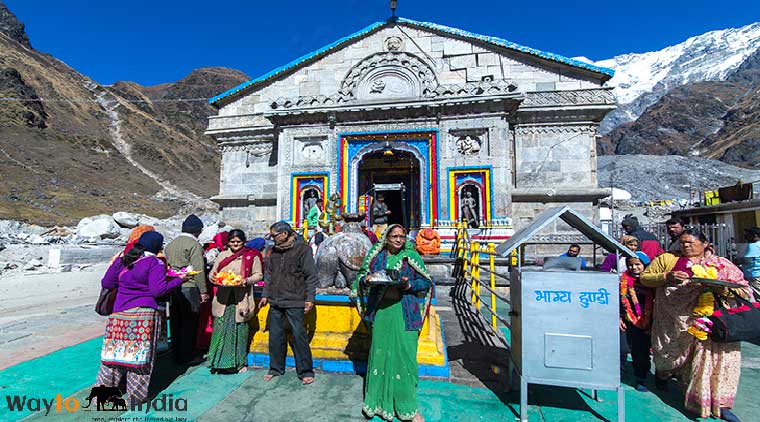
Kedarnath Jyotirlinga Tour Package
- Visit Mansa Devi Temple
- Visit Chandi Devi Temple
 12D / 11N
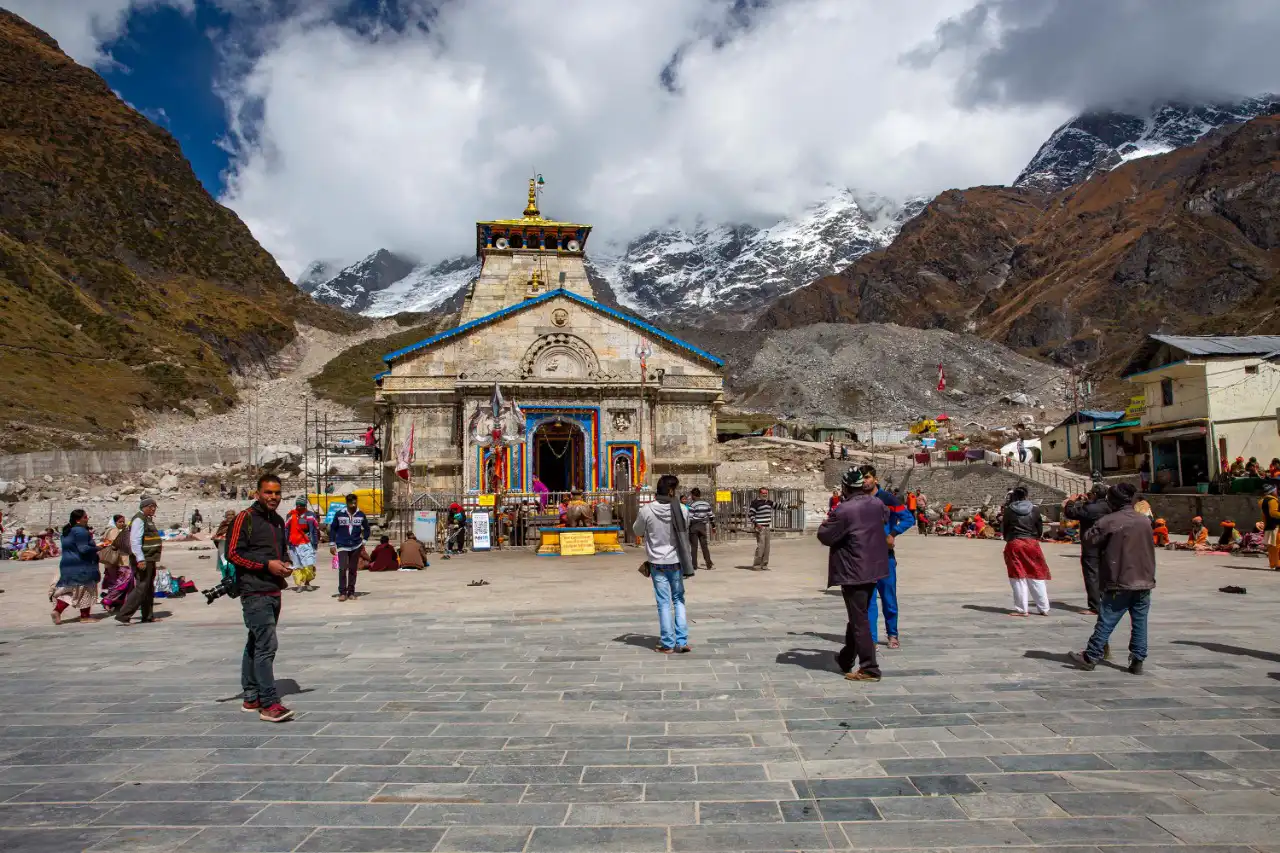
Panch Kedar Tour Package: Five Shiva Temples of Garhwal in 12 Days
- Darshan at all five Panch Kedar temples in one journey: Kedarnath, Madhyamaheshwar, Tungnath, Rudranath and Kalpeshwar
- Kedarnath, one of the twelve Jyotirlingas, where the hump of Shiva is worshipped at 3,583 metres
 6D / 5N
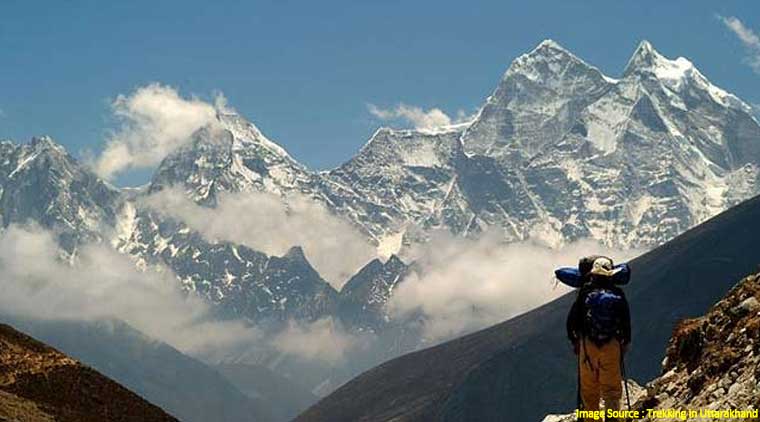
Kedarnath and Vasuki Taal Trek
- Kedarnath Vasuki Tal
- River Mandakini
 6D / 5N
Char Dham Yatra By Helicopter From Dehradun
- Cover all 4 Dhams by Helicopter in 6 Days (5 Nights) from Dehradun
- Palki/Pony at Kharsali in place of 6Km Trekking to Yamunotri
 19D / 18N
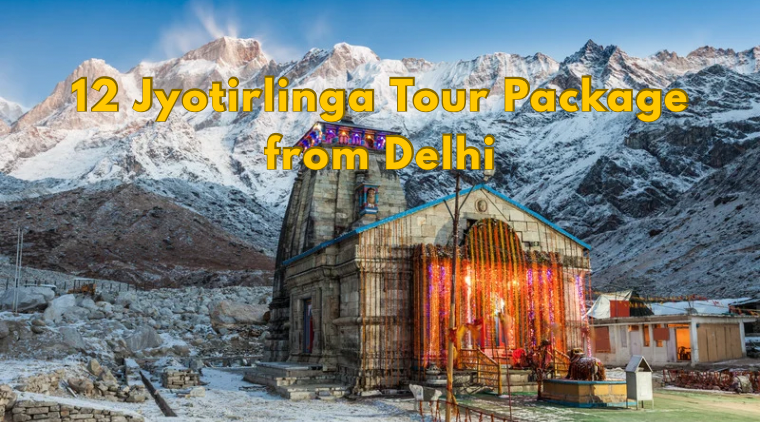
12 Jyotirlinga Tour Package from Delhi
- All Jyotirlinga darshans
- Ganga Aarti experiences