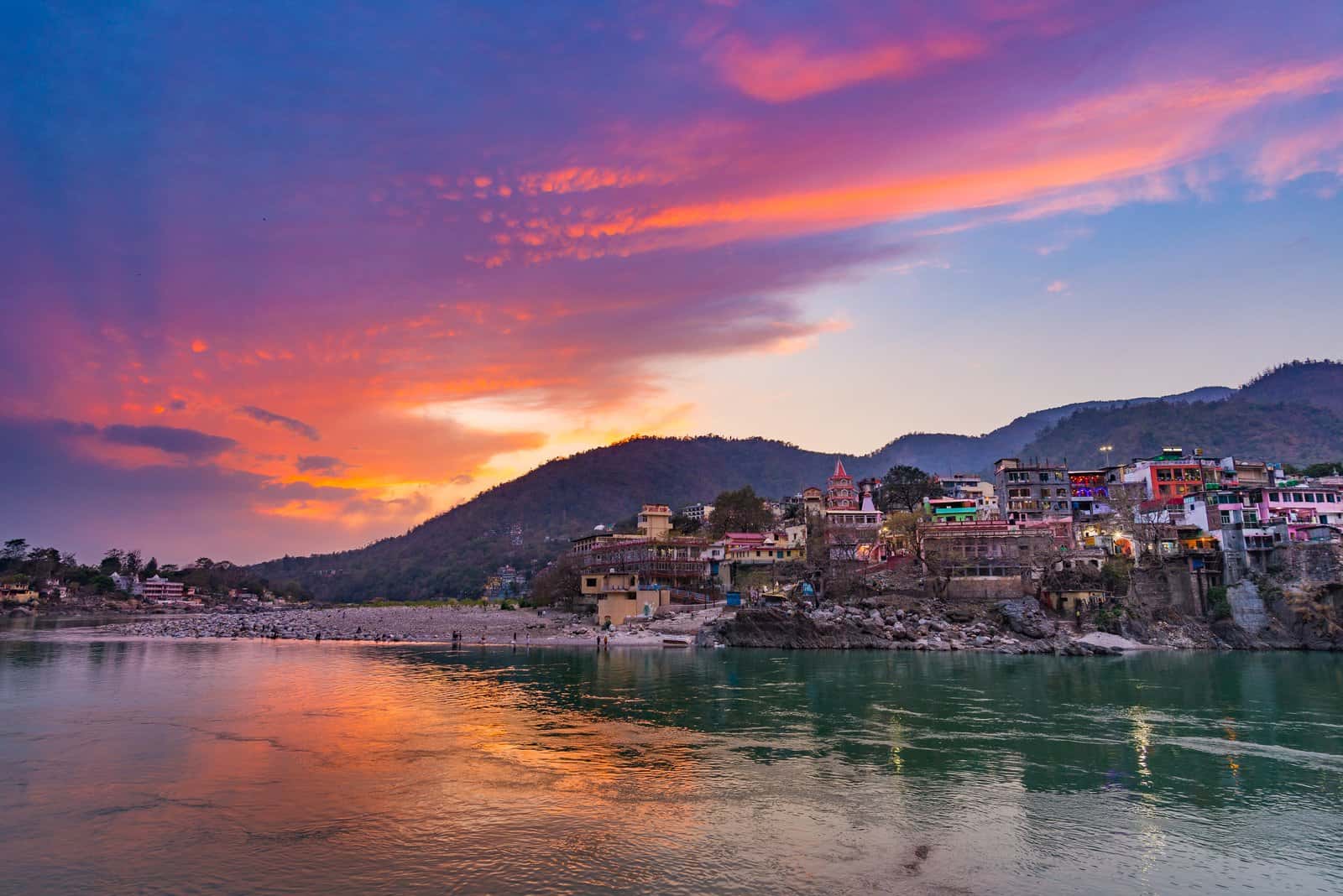
Rishikesh Travel Guide
The best months are September to November and February to April , mild and clear with a good river. The rafting season and the monsoon closure decide a lot, so plan around them.
When to visit Rishikesh, and the rafting season
The best months are September to November and February to April, mild and clear with a good river. The rafting season and the monsoon closure decide a lot, so plan around them.
- September to November: the sweet spotThe river settles after the monsoon, the air clears and the temperature is comfortable by day and cool at night. Rafting reopens, the cafes fill, and the light on the Ganga at the evening aarti is at its best. The most rewarding window for a first visit.
- February to April: spring and the yoga seasonPleasant and busy, with the International Yoga Festival in March and rafting in full swing. Carry a layer for the early mornings, which stay cool until spring is well established.
- May to June: hot in the valleyThe valley warms up and the middle of the day is tiring for temples and walking, though rafting still runs until about the end of June. Do the river and the climbs early and rest through the heat.
- July to mid-September: monsoon, and rafting closedHeavy rain, landslide risk on the hill roads and the rafting closure. The town is green and quiet and good for a yoga retreat, but the river is off limits and the Char Dham roads can be disrupted, so plan with that in mind.
White-water rafting on the Ganga runs roughly from late September or October to about 30 June and is closed through the peak monsoon, about July to mid-September, on safety orders. Even inside the season it can be suspended at short notice when the river crosses warning level after rain. Treat any quoted season or date as the norm rather than a guarantee, and reconfirm with your operator and Uttarakhand Tourism before you travel, especially at the shoulder of the monsoon.
How to reach Rishikesh
Most travellers come by train to Haridwar or by air to Dehradun, then a short drive in. Rishikesh is also the road and helicopter gateway to the Char Dham.
- By air via Jolly Grant (Dehradun)Jolly Grant airport near Dehradun is the nearest, about 21 km away and roughly 45 minutes by road, with flights from Delhi, Mumbai and other cities. Take a pre-paid taxi or an app cab from the airport into Rishikesh.
- By train via HaridwarHaridwar is the reliable railhead, about 25 km away and roughly 45 minutes to an hour by road, well served from Delhi and beyond. Rishikesh also has its own smaller stations, Yog Nagari Rishikesh and the older Rishikesh station, but Haridwar has the wider choice of trains.
- From Delhi by roadDelhi is about 240 km away, a long half-day by car or bus on the highway through Haridwar. Many travellers take an overnight or early train to Haridwar and drive the short hop, which is faster and easier than the full road run.
- The Char Dham gatewayRishikesh is the traditional starting point for the Char Dham pilgrimage to Yamunotri, Gangotri, Kedarnath and Badrinath, by shared jeep, bus, private car or helicopter from Dehradun. If you are combining Rishikesh with the yatra, this is your base and we can arrange the onward journey.
Fly into Delhi, the main international gateway, then take a short domestic flight to Dehradun (Jolly Grant) or a train to Haridwar and drive in. There are no international flights into Rishikesh itself.
Fly into Delhi, then connect to Dehradun by a short flight or take the train to Haridwar. Rishikesh sits an easy 45 minutes to an hour from either.
Take a train to Haridwar and drive the short hop, or drive from Delhi through Haridwar. The Haridwar railhead, well served by the Delhi line, is the simplest way in by rail.
The Ganga Aarti, the bridges and the temples
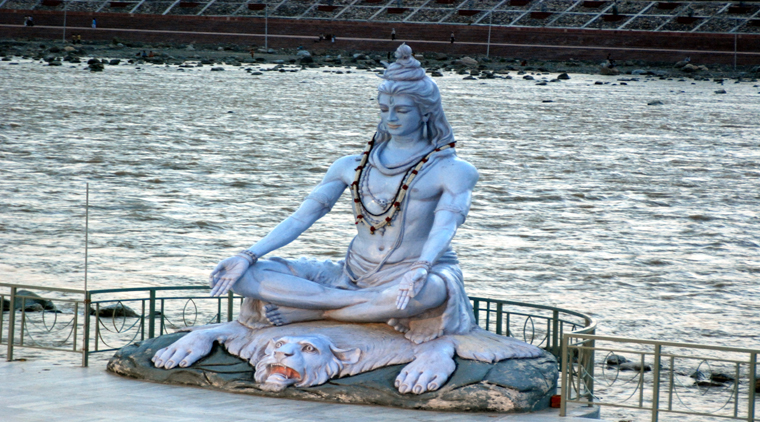
Rishikesh is its riverfront: the evening aarti, the famous suspension bridges, the Beatles Ashram and the Shiva shrine in the hills. A few current facts are worth knowing before you go.
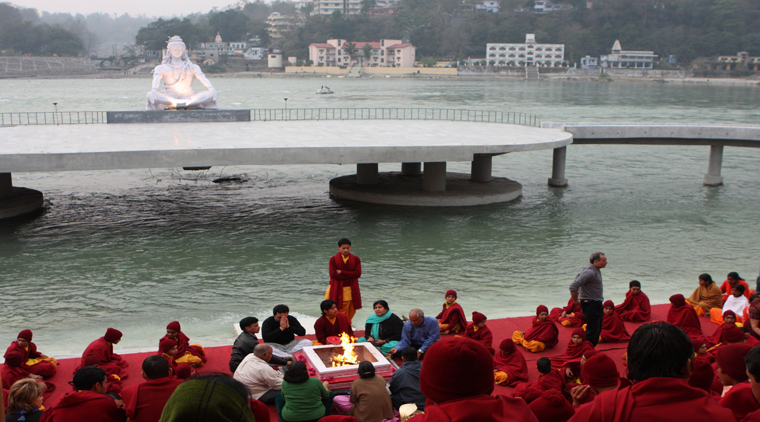
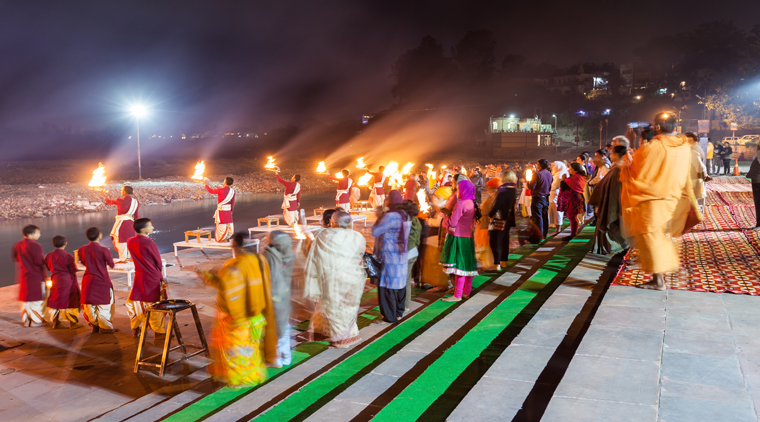
- The evening Ganga AartiThe lamp-lit riverside prayer is the heart of a visit. At Triveni Ghat it runs roughly 6 pm to 7 pm in summer and about 5:30 pm to 6:30 pm in winter; the famous aarti at Parmarth Niketan on the Swarg Ashram side starts about 30 minutes earlier. Arrive about 30 minutes ahead for a seat, sit quietly and join in.
- Ram Jhula, Lakshman Jhula and the new bridgeRam Jhula is the working pedestrian suspension bridge linking Swarg Ashram with the town side, and your reliable crossing. Lakshman Jhula, the iron bridge from 1929, has been closed to the public since 2019 on safety grounds; its replacement at the same site, the Bajrang Setu glass-decked bridge, was built through 2025 with inauguration slated for early 2026 and has been opening to pedestrians in stages with a bumpy rollout (a cracked glass panel restricted access for repairs), so treat it as a bonus and check it is open on the day. Cross at Ram Jhula and enjoy the old Lakshman Jhula as a view.
- The Beatles Ashram (Chaurasi Kutia)The abandoned ashram where the Beatles stayed in 1968, now a quiet ruin of domed huts covered in murals, inside the Rajaji Tiger Reserve. Entry is the forest-reserve fee of about 150 rupees for Indians and about 1,200 rupees for foreign nationals (the foreigner ticket doubled from 600 rupees in late 2023, so reconfirm at the gate), open daily roughly 10 am to 4 pm. Carry cash and ID.
- Neelkanth Mahadev Temple in the hillsA major Shiva shrine at about 1,330 metres, around 32 km away by a winding hill road of about 1.5 to 2 hours, or a steep trek of about 14 km from Ram Jhula. Entry is free; it is busiest in the Shravan month around July to August. Start early for fewer crowds and clearer mountain views.
Rishikesh is a deeply religious place. Cover shoulders and knees near the temples and ghats, remove shoes where asked, and do not picnic, drink or play loud music at the ghats. Remember the town is legally dry and vegetarian, covered in the logistics and overseas sections below. Photography is fine at most ghats, but ask before photographing people at prayer.
Rafting, yoga and the thrill sports
Rishikesh is the river-rafting capital of India and the yoga capital of the world. Here are the signature experiences and how to arrange them honestly and safely.
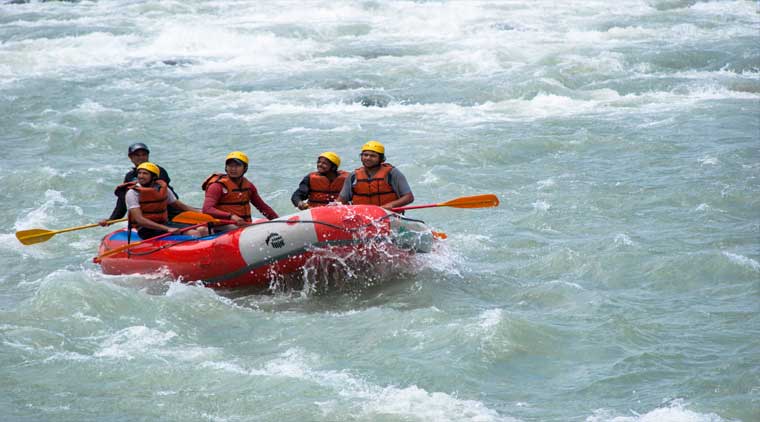
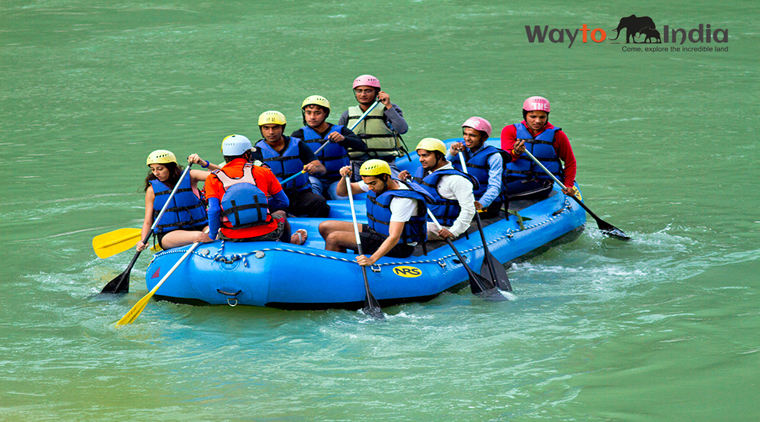
- White-water rafting on the GangaThe short Brahmpuri run of about 9 km is the gentle introduction at around 600 rupees, the classic Shivpuri run of about 16 km is around 1,000 to 1,200 rupees, and the long Marine Drive or Kaudiyala runs of about 24 to 26 km are around 1,500 rupees and up, plus a mandatory government rafting slip of about 20 rupees a person in cash at the start. Use a registered operator, wear the fitted life jacket and helmet, and follow the guide.
- Yoga and meditationFrom a single drop-in class to a month-long teacher training, Rishikesh is built for it. The long-established ashrams and Yoga Alliance registered schools around Swarg Ashram, Ram Jhula and Tapovan are the genuine article. Choose on reputation and certification rather than a tout on the street, and read the overseas section for how to pick one.
- Bungee jumping and the giant swingJumpin Heights at Mohan Chatti, run by an Australia and New Zealand trained team operating since 2010, has India's highest fixed-platform bungee at about 83 metres over a Ganga tributary. The operator's own rate is about 4,500 rupees a person including the video and GST, with free transport from its Tapovan office. There is also a valley rope swing at about 4,500 rupees and a long flying fox at about 2,500 rupees. The age limit is 12 to 55 and the weight limit 40 to 110 kg, so check before promising it to a child or an older traveller.
- The evening aarti and a riverside sunsetThe free experience people remember most: the lamp-lit aarti at Triveni Ghat or Parmarth Niketan, then a chai on a riverside cafe terrace as the light goes. Give yourself an unhurried evening rather than rushing between sights.
- Waterfall walks and short treksShort walks to the small waterfalls above Tapovan and Neer Garh, and the climb or drive to Kunjapuri Devi temple for a Himalayan sunrise, are gentle half-day outings. Wear proper shoes and avoid the waterfalls in heavy rain, when flash floods are a real risk.
- A slow morning by the riverBeyond the adventure, the quiet morning ritual is the point: a sunrise yoga class, a walk along the ghats before the crowds, and breakfast at a vegetarian cafe over the water. This is what brings people back.
A commercial rafting trip is generally safe for a non-swimmer with a top operator, a properly fitted high-buoyancy life jacket and helmet, and by following the guide's instructions. The real risks are using an unregistered operator, going at high flow near the monsoon, and panicking if you fall in. Book a registered operator, do the easier Brahmpuri or Shivpuri stretches if you are nervous, never raft when the river is high after rain, and remember rafting can be suspended at short notice when the Ganga crosses warning level.
Where to stay in Rishikesh, and how many nights
Choose the calm spiritual core around Swarg Ashram, the backpacker buzz of Tapovan, or the town side near the railway and Triveni Ghat. Two to three nights is the sweet spot, longer for a retreat.
- Swarg Ashram and Ram Jhula: the spiritual coreThe calm, traffic-light east bank of ashrams, yoga schools and vegetarian cafes, with the Parmarth aarti on your doorstep. Best for a yoga stay or a quiet, reflective first visit. It is largely no-vehicle near the river, so expect to walk.
- Tapovan and Lakshman Jhula: the backpacker heartAbove Swarg Ashram, full of cafes, German-bakery breakfasts, music and budget-to-mid guesthouses, and close to the yoga schools. Livelier and more social, the natural base for younger and adventure travellers.
- Town and Triveni Ghat: handy for the railwayThe west-bank town side is busier and more local, close to the main bus and railway and to the big Triveni Ghat aarti. Less atmospheric for a yoga stay but convenient if you are passing through or starting the Char Dham.
- How many nights, and room budgetsTwo to three nights covers the aarti, a rafting trip, the Beatles Ashram and a temple, with time to slow down; a yoga retreat or teacher training runs one to four weeks. Budget rooms run about 600 to 1,500 rupees, mid-range about 2,000 to 5,000 rupees, and riverside or retreat stays about 6,000 to 20,000 rupees and up.
If you find old listings for overnight tented beach camps on the Ganga sand, know that the National Green Tribunal first banned riverside camping from Kaudiyala to Rishikesh in 2015, then in 2017 eased it into a regulated regime of about 25 designated, licensed camp sites set back from the water; the old free-for-all on the sand is gone, so most legitimate stays are hotels, ashrams and permitted properties, with only a handful of licensed camps. Separately, during the International Yoga Festival in March, rooms in Swarg Ashram and Tapovan are scarce and dearer, so book well ahead.
Rishikesh costs and a realistic daily budget
Rishikesh is gentle on the wallet outside festival week. Here is what the main things cost, so you can plan and avoid being overcharged.
- A rough daily budgetExcluding your room and long-distance transport, plan on about 1,200 to 2,000 rupees a day as a backpacker, about 3,000 to 5,000 rupees mid-range, and about 6,000 rupees and up for a comfortable day with cafes, an activity and some shopping. The vegetarian cafe food is good value.
- The activity pricesRafting is about 600 rupees for the short Brahmpuri run, around 1,000 to 1,200 rupees for the classic 16 km Shivpuri run, and about 1,500 rupees and up for the long runs, plus the 20 rupee forest slip. Bungee jumping is about 4,500 rupees including video and GST. The Beatles Ashram is about 150 rupees for Indians and about 1,200 rupees for foreign nationals (reconfirm at the gate).
- The free thingsThe Ganga Aarti, the riverside walks, most temples including Neelkanth Mahadev, and a sunrise by the river cost nothing. Some of the best of Rishikesh is free, which makes it easy to travel here on a modest budget.
- Cash, cards and the forest slipCafes and bigger shops take cards or UPI, but small eateries, the rafting forest slip and many rides run on cash. There are bank ATMs in town and in Tapovan. Carry enough cash for the day, and small notes for the mandatory rafting slip.
Beyond the price your operator quotes, budget the small mandatory government rafting slip of about 20 rupees a person, paid in cash at the starting point, and check that GST, transport from the office and any video are clear before you pay. Agreeing the full price in advance, including these extras, removes the only common money friction on a Rishikesh rafting trip.
Practical logistics: food, money, SIM and getting around
The small things that make a Rishikesh day smooth, from the dry-and-vegetarian rule to ATMs, the bridges and local transport.
- Vegetarian and dry, by lawThe sale and consumption of alcohol is banned across the Rishikesh municipal area, and meat is not openly sold or served in the temple and ashram zone. The vegetarian food, from thalis to cafe bowls, is excellent, so lean into it and save any drink for Dehradun, Haridwar or your next stop.
- Getting around town and across the riverWithin each area you walk; between Swarg Ashram, Tapovan and the town side you use shared autos, e-rickshaws and the Ram Jhula crossing. With Lakshman Jhula closed since 2019, cross at Ram Jhula, which is the reliable open bridge; the new Bajrang Setu glass bridge has been opening in stages, so use it if it is open on the day. Allow time as the bridges and lanes get busy.
- Money, ATMs and the rafting slipBank ATMs are in the town and Tapovan. Cafes and bigger shops take cards or UPI, but small eateries, the rafting forest slip and local transport want cash, so carry enough for the day and keep small notes.
- SIM, signal and languageMobile coverage in town is generally fine for calls, maps and data, though it thins on the hill roads to Neelkanth and the Char Dham. Hindi is the local language and English is widely understood in the yoga and cafe trade, so communicating is easy.
Safety, the river, and staying well
Rishikesh is welcoming and relaxed, but the Ganga is the real hazard. A little awareness of the river, the rafting rules and the touts keeps the visit happy.
- The Ganga is the real danger, treat it with respectThe river here is fast, cold and deceptively strong, and drownings happen most years among people who wade in to bathe or to cool off. Bathe only at marked ghats, hold the chains, stay where it is shallow and never swim out into the main current. Watch children closely. This is the single most important safety fact in Rishikesh.
- Raft only with a registered operatorUse a registered operator, insist on a fitted high-buoyancy life jacket and helmet, listen to the safety briefing, and do not raft when the river is high after rain. Rafting can be and is suspended at short notice when the Ganga crosses warning level, so do not push a guide who says the river is too high.
- Touts, fake schools and small scamsMost friction is sales pressure: touts steering you to a particular yoga school, guesthouse or rafting deal for a commission. Choose ashrams and schools on reputation and certification, agree all prices in advance, and a polite, firm no handles the rest. Watch your belongings in the crowded aarti.
- Health, water and the heatDrink bottled or filtered water, take the usual care with street food, and in summer carry sun protection and water for the walks and the hill climbs. On the monsoon hill roads to Neelkanth and the Char Dham, watch for landslides and travel by day.
Rishikesh is widely regarded as one of the easier places in India for solo women, and many come for long yoga stays. The friction reported on traveller forums is sales pressure and the occasional pushy tout rather than violent crime. Dress modestly near the temples and ashrams, choose a reputable school and guesthouse, avoid isolated riverbank stretches after dark, and trust your instincts, and a long stay here is one of the gentler solo experiences in the country.
Rishikesh for every kind of traveller, and on access
Rishikesh suits very different visitors in different ways. Here is what it offers you, and the one tip that matters for each, including how a senior pilgrim uses it as the Char Dham base.
- CouplesSoulful and easy: riverside sunsets, the evening aarti, a yoga class together and a gentle rafting trip. Stay in Swarg Ashram or a quiet riverside property and give yourselves an unhurried two or three nights.
- Families with childrenPlenty to enjoy, from the gentle Brahmpuri rafting run to the aarti and the cafes, but the river is the hazard, so keep children close at the ghats and choose the easy stretches. Bungee has a minimum age, so check before promising it to teenagers.
- Senior travellers and Char Dham pilgrimsVery doable with planning. Stay on the town side near Triveni Ghat to limit walking and stairs, use the aarti there rather than the long lanes of Swarg Ashram, and use Rishikesh as the comfortable base before the Char Dham, by private car or helicopter from Dehradun. The riverbanks have steps and slopes, so take them slowly.
- Backpackers and budget travellersA long-loved hub, full of cheap guesthouses, cafes, music and easy company around Tapovan and Lakshman Jhula. Easy to reach via Haridwar, and a great place to slow down, learn some yoga and meet people for a few days or weeks.
- Solo female travellersOne of the gentler stops in India for solo women, and a popular long-stay yoga base. Choose a reputable school and guesthouse, dress modestly near the temples, avoid isolated riverbanks after dark, and you will likely find it relaxed and welcoming.
- Adventure seekersThe rafting, the 83 metre bungee, the giant swing, the flying fox and the short treks make this India's adventure-sports capital. Use registered operators, mind the rafting season, and pace a day so you are not doing the big thrills on no sleep.
A suggested Rishikesh itinerary
How to shape two or three unhurried days so you catch the river, the aarti and the temples without rushing, and what a longer retreat looks like.
- Day one: settle in and the aartiArrive, settle into Swarg Ashram or Tapovan, walk the ghats and across Ram Jhula in the afternoon, take a sunrise or sunset yoga class if you can, and end at the evening Ganga Aarti at Parmarth Niketan or Triveni Ghat. Arrive about 30 minutes early for a seat.
- Day two: the riverDo a morning rafting trip on the Brahmpuri or Shivpuri stretch with a registered operator, then a relaxed riverside lunch. In the afternoon walk to the Beatles Ashram, allowing for the forest-reserve entry, or rest before another aarti.
- Day three: the hills, if you have itDrive up to Neelkanth Mahadev Temple in the morning before the crowds, or to Kunjapuri for a Himalayan sunrise, then a final slow afternoon in the cafes. A third night turns a quick stop into the calm pause Rishikesh does best.
- The retreat versionIf you have come for yoga, give it a week or more at one ashram or Yoga Alliance school, build the day around the morning and evening practice, and fit one rafting trip and the aarti around it. A teacher training runs three to four weeks.
The single thing that breaks a tight Rishikesh plan is arriving in the monsoon, about July to mid-September, expecting to raft, when the season is closed; even at the shoulders the river can be suspended at short notice after rain. Build your trip in the September to June window if rafting matters to you, keep a flexible day, and reconfirm the river is running with your operator before you commit to a date.
The real questions travellers ask about Rishikesh
Straight answers to the questions that come up again and again on traveller forums, so you arrive already knowing the score.
- How many days do I need?Two to three nights covers the aarti, a rafting trip, the Beatles Ashram and a temple comfortably. If you have come for yoga or meditation, give it a week or more at one school. A single day in transit only scratches the surface.
- Is rafting safe if I cannot swim, and when is it open?Yes, a commercial trip with a registered operator, a fitted life jacket and helmet, and the guide's instructions is generally safe for a non-swimmer. The season runs roughly late September or October to about 30 June and is closed in the peak monsoon, and it can be suspended at short notice when the river is high.
- Which ashram or yoga school should I choose?Choose on reputation and certification, not a tout on the street. The long-established ashrams and Yoga Alliance registered schools around Swarg Ashram, Ram Jhula and Tapovan are the genuine article; read reviews, check the certification and, for a serious stay, contact them directly before you arrive.
- Can I really not get meat or a beer?Correct: alcohol is banned across the Rishikesh municipal area and meat is not openly sold in the temple and ashram zone, so do not plan on either inside town. The vegetarian food is a highlight, and a drink waits at Dehradun, Haridwar or your next stop.
- Is the Ganga safe to bathe or swim in?Bathing at a marked ghat while holding the chains is fine; swimming out into the current is not, and drownings happen most years. Stay where it is shallow, never go into the main flow, and watch children closely.
- Is Lakshman Jhula open?No, the 1929 iron bridge has been closed to the public since 2019 on safety grounds. Cross at Ram Jhula, which is open; the new Bajrang Setu glass bridge built at the same site has been opening to pedestrians in stages with a bumpy rollout (a cracked panel restricted access for repairs), so treat it as a bonus and check it is open on the day, and enjoy the old Lakshman Jhula as a view.
Planning a yoga trip to Rishikesh from abroad
Rishikesh is the yoga capital of the world and a gentle introduction to spiritual India. A little preparation makes choosing a school, the festival timing and the dry-town rule easy to handle.
- Choose a genuine school, not a toutThere are many real, long-established ashrams and Yoga Alliance registered schools, and a fringe of opportunists. Decide on reputation and certification rather than a street tout or a too-cheap deal, read recent reviews, and for a teacher training or a long retreat, email the school and ask about the syllabus, the teachers and the accommodation before you commit.
- Time it to the season and the festivalFebruary to April and September to November are the comfortable windows. If you want the International Yoga Festival, it runs about 9 to 15 March 2026 at Parmarth Niketan, so book rooms far ahead and reconfirm the dates on the Parmarth site. Avoid the peak monsoon for travel and rafting.
- Know it is a dry, vegetarian townAlcohol is banned across the municipal area and meat is not openly sold in the temple and ashram zone. Eat the excellent vegetarian food, enjoy the cafes, and if you want a drink, plan it for Dehradun, Haridwar or your next stop. It is a defining part of Rishikesh's character.
- Getting there and a longer India tripFly into Delhi, then a short flight to Dehradun (Jolly Grant) or a train to Haridwar and a short drive in. Rishikesh pairs naturally with Haridwar, the Char Dham and the Himalaya, and is an easy add-on to a Delhi, Agra and Jaipur first trip.
Money, connectivity and safety for foreign visitors
The practical basics an overseas traveller needs for a long or short stay in a Himalayan town: cash, cards, a SIM, and an honest read on safety.
- Carry cash, but cards and UPI work tooCafes, schools and bigger shops take cards or UPI, but small eateries, the rafting forest slip and local transport are cash places. Draw cash at the town or Tapovan ATMs and keep small notes for the slip, autos and tips.
- Get a SIM in Delhi or at the airportPick up an Indian tourist SIM or an eSIM when you land in Delhi or at Dehradun rather than hunting for one in town. Coverage in Rishikesh is fine for maps, calls and ride-hailing, though it thins on the hill roads.
- An honest read on safetyRishikesh is one of the easier places in India for foreign and solo travellers, including women on long yoga stays. The real hazard is the river, not crime: respect the Ganga, raft only with a registered operator, and handle touts with a firm, polite no. Avoid isolated riverbanks after dark.
- How long to give itFor a sightseeing visit, two to three nights is right. For yoga, give it a week or more at one school, or three to four weeks for a teacher training. Many overseas visitors plan a short stay and end up extending it.
Rishikesh is an unusually gentle introduction to India: walkable, deeply atmospheric and, because it is dry and vegetarian, calmer than a big city. Slot it after Delhi or alongside Haridwar, give it a few nights or a longer yoga stay, and let it be the slow, soulful chapter of the trip. Many overseas visitors say it ends up being the part of India they remember most warmly.
The place where the Ganga leaves the mountains
Rishikesh sits where the Ganga finally leaves the Himalaya and meets the plains, and that threshold is the source of its sanctity. The name is traditionally linked to Hrishikesh, a name of Lord Vishnu, and to the sage Raibhya Rishi, who is said to have meditated here until the lord appeared to him. For centuries it has been a tapobhumi, a land of austerity, where rishis came to meditate by the cold, clear river, and the traditional gateway from which pilgrims set out for the Char Dham high in the mountains. In the twentieth century it gathered a second reputation as the yoga capital of the world, sealed when the Beatles came to study transcendental meditation at the ashram now called Chaurasi Kutia in 1968. Pilgrim road and yoga school, river of ritual and river of adventure, Rishikesh holds both, and the lamp-lit aarti at dusk, when the whole riverfront sings the Ganga down to the sea, is where the two meet.
Planning a Rishikesh trip?
Our Uttarakhand travel experts plan your full journey for you: route, hotels, darshan timings and transport. You get a free day-by-day plan and an exact quote on WhatsApp, usually within a few hours. No payment is needed to get your plan.
Tour packages that visit Rishikesh
Every journey below is private, hand-crafted and fully customizable. Tell us your dates and we tailor the itinerary, the pace and the priests or guides around you.
 12D / 11N
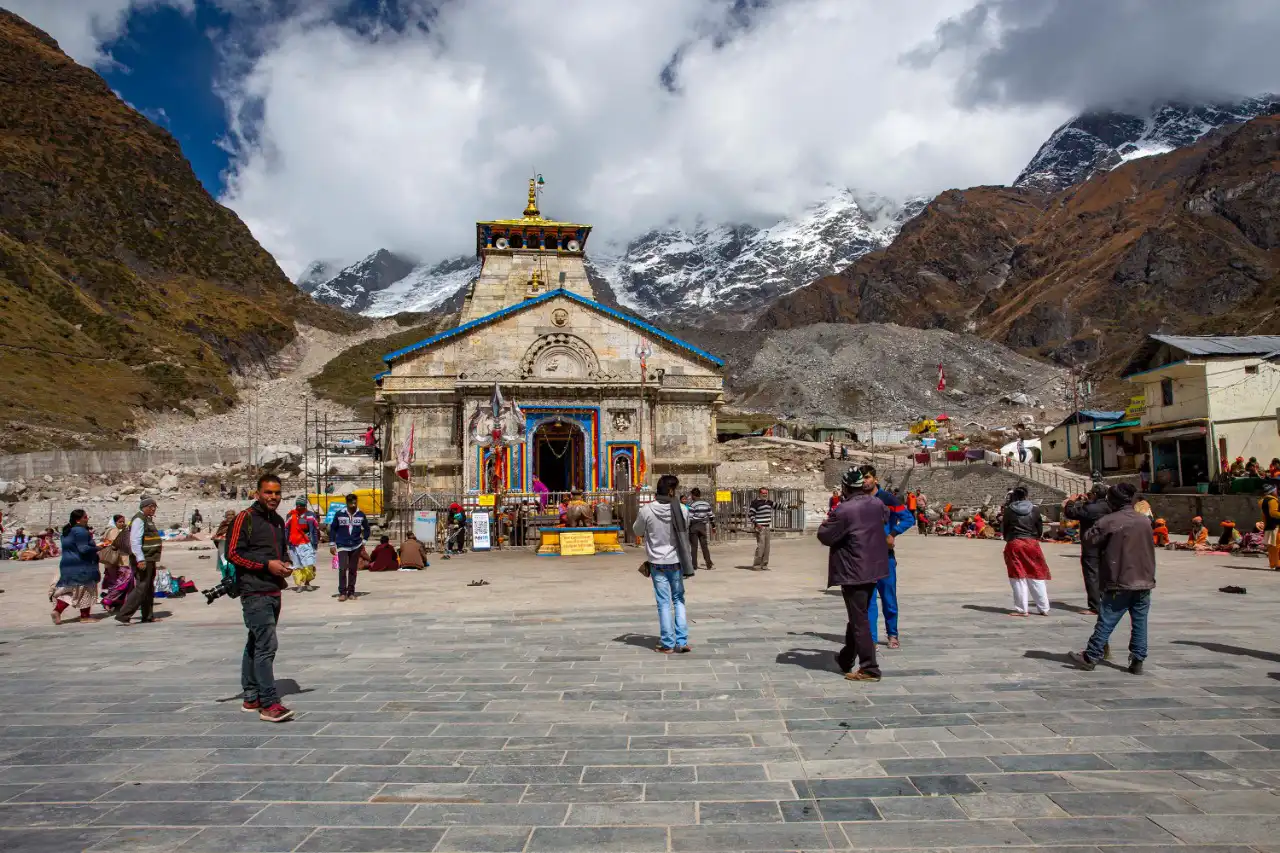
Panch Kedar Tour Package: Five Shiva Temples of Garhwal in 12 Days
- Darshan at all five Panch Kedar temples in one journey: Kedarnath, Madhyamaheshwar, Tungnath, Rudranath and Kalpeshwar
- Kedarnath, one of the twelve Jyotirlingas, where the hump of Shiva is worshipped at 3,583 metres
 11D / 10N
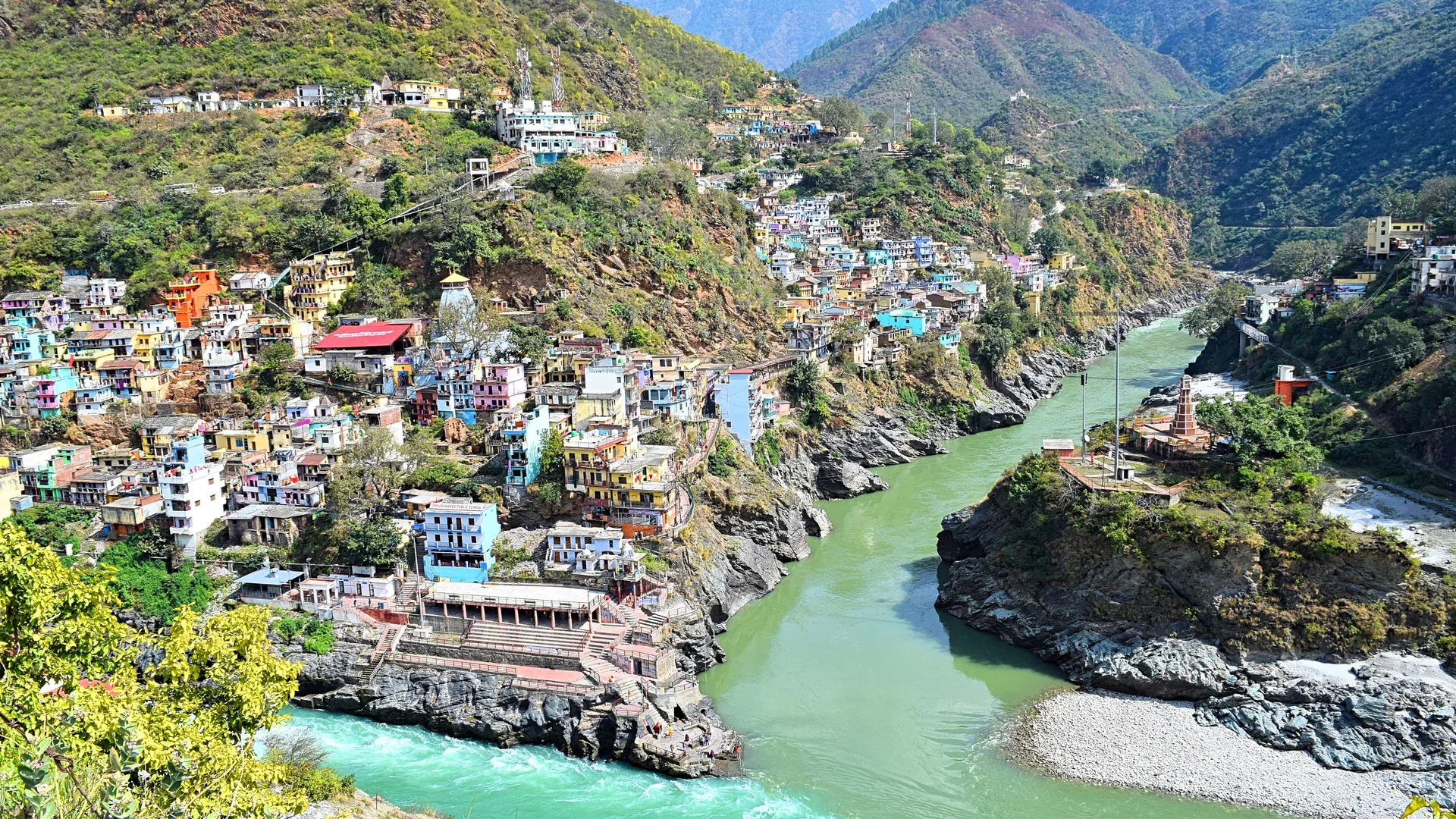
North India Divya Desam Tour Package: 7 Vada Naadu Temples in 11 Days
- All 7 North India Divya Desams in one 11 day circle: Mathura, Gokul, Naimisharanya, Ayodhya, Devprayag, Joshimath and Badrinath
- Built around the Badrinath opening window, with assistance and guidance for your mandatory Uttarakhand yatra e-registration
 6D / 5N
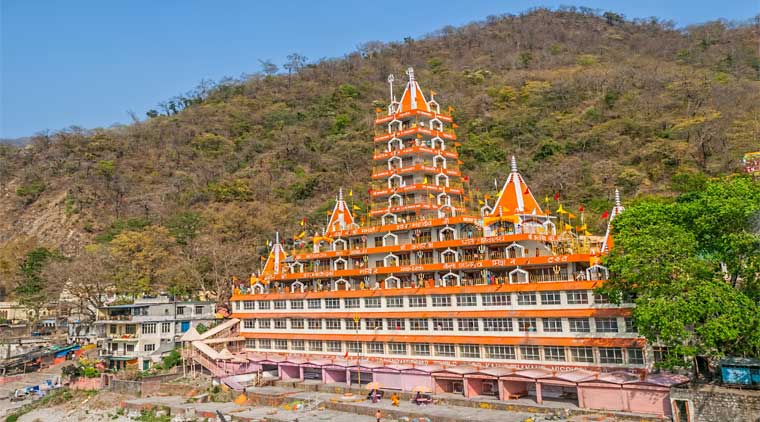
Haridwar Rishikesh Varanasi Tour Package from Delhi
- Haridwar
- Rishikesh
 2D / 1N
Brahmpuri River Rafting Package
- Visit Rishikesh
- Enjoy adventure activities in lap of Himalayas.
 5D / 4N
Rafting in Rishikesh with trekking in Himalayas
- View Of Snow Clad Himalayan Peaks
- Stay At Deluxe Tents
 2D / 1N
Haridwar Rishikesh Tour
- Visit Mata Chamunda Devi
- Visit Mata Vaishno Devi
 3D / 2N
Marine Drive River Rafting Package
- Visit Rishikesh.
- Enjoy River Rafting In Ganges.
 3D / 2N
Kaudiyala River Rafting Package
- Visit Shivpuri
- Enjoy River Rafting At Kaudiyala
 2D / 1N
Shivpuri River Rafting Package
- Visit Rishikesh.
- Enjoy River Rafting on Ganga River.