 11D / 10N 5
9 days
8 nights
16+ yearscrafting India journeys · since 2010
Trustedby travellers worldwide
Local repsIndia + overseas support
No prepayfree customisation · GST invoice
Overview
Tour overview
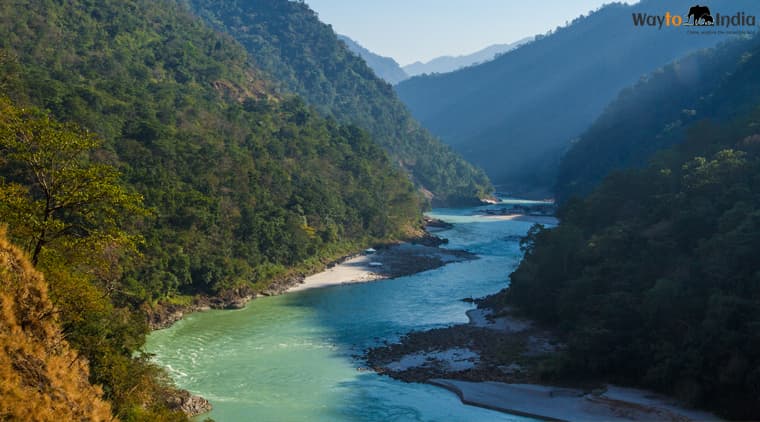
Uttarakhand Tour Package The best way to explore the scenic destinations of Uttarakhand. It's a place with a great diversity of the region where snow-clad mountains, green hills, fertile valleys, flowing rivers and thriving lakes add to the natural beauty.
Uttarakhand Tour Package is the best way to explore the scenic destinations of Uttarakhand Uttarakhand is a place with a great diversity of the region where snow-clad mountains, green hills, fertile valleys, flowing rivers and thriving lakes add to the natural beauty It’s also a region with several natural lakes, which are the center of attraction of the town and good for sporting activities.
Uttarakhand Tour Package takes you through the beautiful hill stations of Almora, Mussoorie, Nainital, Ranikhet. For unlimited serenity and tranquility in pleasant pollution free environs, book this Uttarakhand Tour Package with us and enjoy your trip.
Tour highlights
Visit Mata Mansa Devi and Chamunda Devi
Visit Most Beautiful Kempty Fall
Visit Chaukhotia Apple Orchid
Day by day
Day-by-day itinerary
A carefully paced plan, day by day. Tap any day for the stay, meals and altitude detail.
Early morning drive to Mussorie, Enroute visit Haridwar covering temples of Mata Mansa Devi and Chamunda Devi. On arrival, check into the hotel. Rest of the day free at leisure. Enjoy dinner & Overnight stay at Mussoorie.
After breakfast in the morning visit the most beautiful 'Kempty fall, Gun hill and company garden. Explore the Mall road in the evening and return back to hotel for dinner & Overnight stay at hotel.
After breakfast in the hotel, drive to Ranikhet. On arrival check into the hotel and rest of the day free at leisure. Enjoy dinner & Overnight stay at Ranikhet.
After a healthy breakfast proceed for full day sightseeing tour of Ranikhet and nearby places, Explore Hedhakhan Temple, visit Chaukhotia Apple orchid as well as golf course and return back to hotel for dinner & Overnight stay at hotel.
After breakfast check out on time and drive to another beautiful hill station, Almora. Arrive and transfer to the hotel and rest of the day is at leisure to explore the unspoiled flora & fauna of this beautiful hill station. Enjoy dinner & Overnight stay in Almora.
After enjoying breakfast, a full day excursion to Binsar Wildlife sanctuary a 30 min. drive from Almora, Explore all other important places nearby Almora. Return back to hotel for dinner & overnight stay at hotel.
In morning after breakfast on time drive to Nainital, the most beautiful hill station of Kumaon. On arrival check into the hotel and rest of the day free at your own leisure. Dinner & Overnight stay in Nainital.
After enjoying breakfast in the hotel proceed for full day sightseen of Nainital. Enjoy the boat ride at Naini Lake, followed by lake tour and visit all other important places in and around Nainital. Enjoy dinner & Overnight stay at hotel.
After breakfast in the hotel on time, drive to Delhi. On arrival, transfer to Airport/Hotel for onward journey. Tour and Services Ends.
What's included
What's included
Included
- ✓08 Nights accommodation in the hotel on twin sharing basis.
- ✓Daily breakfast & dinner in the hotel.
- ✓Transport services by an exclusive Car with a tourist driver as per Itinerary.
- ✓Driver Expenses, toll tax, parking inclusive.
- ✓All present applicable taxes.
Not included
- ✕Any train / air fare.
- ✕Tips, Camera fees, Laundry and other items of a personal nature.
- ✕Any other expenses not mentioned above.
- ✕Any guide charges.
What travellers say
What travellers say
4.7
Way to India · rated 4.7★ on Google across 47 reviews
S
Shivani Gupta★★★★★
“Had a wonderful experience with way to india for my badrinath kedarnath yatra.everything was well organized-from travel accommodation to food. A special thanks to Ms. Neha who managed everything so beautifully n was extremely supportive n cooperative throughout the journey. They took great care of us n darshan was done very smoothly.”a week ago · Google
Y
Yashvind Kumar Poteeram★★★★★
“A big thanks to Way To India for organising such a truly memorable and spiritually fulfilling experience during our 12 Jyotirlinga Darshan pilgrimage from 1st May to 18th May. They organized the entire journey exceptionally well, ensuring that every aspect of the trip was smooth, comfortable, and hassle-free. From transportation and hotel arrangements to darshan planning and coordination, everything was managed professionally. Despite the extensive travel across multiple destinations, the itinerary was well-structured, allowing us to complete all the Jyotirlinga darshans comfortably. Thanks to staff of Way To India, especially, Ms Neha, who was supportive, responsive, and attentive throughout the journey, always ready to assist whenever needed. Her dedication and careful planning made this sacred pilgrimage stress-free and enjoyable. I sincerely appreciate their excellent service, commitment, and hospitality. Highly recommend Way To India to anyone planning a spiritual tour, especially for the 12 Jyotirlinga Yatra. Thank you for making this divine journey so special and memorable.”4 months ago · Google
A
Aruna Persand★★★★★
“We have successfully completed the 12 Jyotirlinga Yatra, with Waytoindia and it was a truly blessed and unforgettable journey. Every aspect of the tour was well planned and professionally organized, from transportation and accommodations to temple visits and sightseeing. Visiting all twelve sacred Jyotirlingas was a deeply spiritual experience. The itinerary was designed efficiently, allowing us to have darshan at each shrine comfortably while enjoying the cultural and religious significance of every destination. We sincerely appreciate the excellent support and coordination throughout the trip. The team was always available to assist, ensuring a smooth and stress-free pilgrimage. Thank you Waytoindia for making our dream of completing the 12 Jyotirlinga Yatra a reality. We highly recommend this tour to anyone seeking a well-organized and spiritually enriching pilgrimage experience. Har Har Mahadev! 🙏🕉️”4 months ago · Google
Travelled with Way to India?
Share your experience on Google — it takes a minute and helps fellow travellers plan with confidence.
You may also like
Similar journeys
Ready to plan your Uttarakhand Tour Package?
Tell us your dates and group size. A WayToIndia travel expert replies within a few hours with a plan you can customise freely. Planning India journeys since 2010.
✓ No payment now✓ Free customisation✓ GST invoice✓ India + overseas support