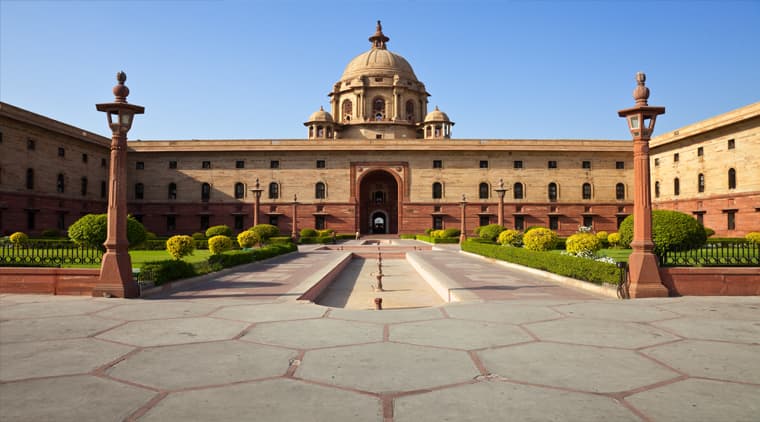
 9D / 8N
Golden Triangle with Ranthambore & Bharatpur Luxury Group Tour
● Starts Delhi
From₹46,791* / person
Explore →EMI from ₹2,291/mo
UNESCO World Heritage · Cultural · inscribed 1986
About an hour from Agra lies a complete Mughal capital that time forgot. Emperor Akbar built Fatehpur Sikri in gratitude for the birth of a son, ruled from it for barely fourteen years, and then left it standing in the sun. Today you walk through his palaces, his great mosque and the dargah of the saint who blessed him, almost exactly as the court left them.
The story begins with a prayer for a child. Emperor Akbar had no surviving son, and the tradition says he came to the Sufi saint Sheikh Salim Chishti, who lived at the village of Sikri near Agra. The saint blessed him, and in 1569 a son was born and named Salim in the saint's honour. That boy would later rule as Emperor Jahangir.
In gratitude, Akbar decided to raise a whole new capital at Sikri. The city was built mainly between 1571 and 1573, in warm red sandstone, and named Fatehpur Sikri, the City of Victory, after his conquest of Gujarat. It was the first planned city of the Mughals, with palaces, courts, a great mosque and water works laid out on a rocky ridge in one clean design.
And then, after only about fourteen years, the court left. In 1585 Akbar moved his capital to Lahore, and Fatehpur Sikri became a place of ceremony and occasional visits. It is often said that the water supply could not support the city, though historians still discuss the full reasons. For you as a traveller, this early departure is a gift. The city was never rebuilt or built over, so you walk through a complete Mughal capital of the 16th century, preserved almost as Akbar knew it. UNESCO placed Fatehpur Sikri on the World Heritage List in 1986.
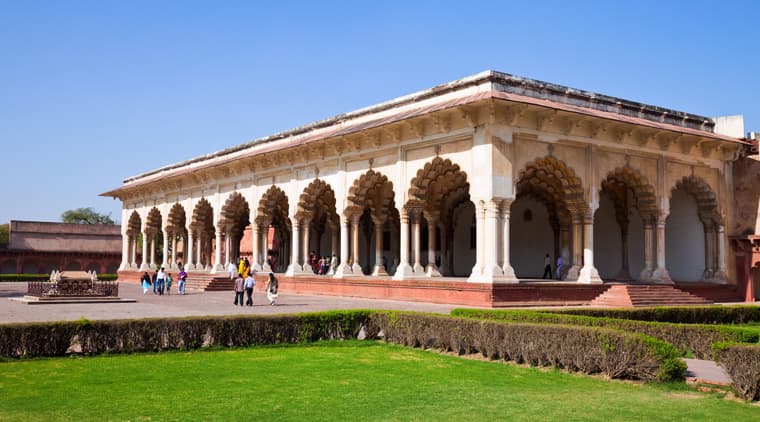
The palace complex comes first. In the Diwan-i-Am, Akbar heard the public. In the Diwan-i-Khas, a single richly carved pillar rises to a platform at the centre of the hall; this is one of the most photographed corners of the city, and the tradition says Akbar sat here for discussions with scholars of different faiths. Nearby rises the Panch Mahal, an airy pavilion of five open storeys held up entirely by columns, and below it the still, square pool called Anup Talao. The palace of Jodha Bai is the largest of the residences, with richly carved pillars and screens, and Birbal's house is close by.
Then you come to the religious side of the city. The Jama Masjid, completed around 1571 to 72, is one of the largest mosques in India, and its vast courtyard is an experience in itself. Within the courtyard glows the white marble tomb of Sheikh Salim Chishti, with jali screens carved so fine that light passes through them like lace. Devotees tie a thread at the jali with a wish, most often the wish for a child, and return to untie it when the wish is fulfilled; the tradition continues to this day.
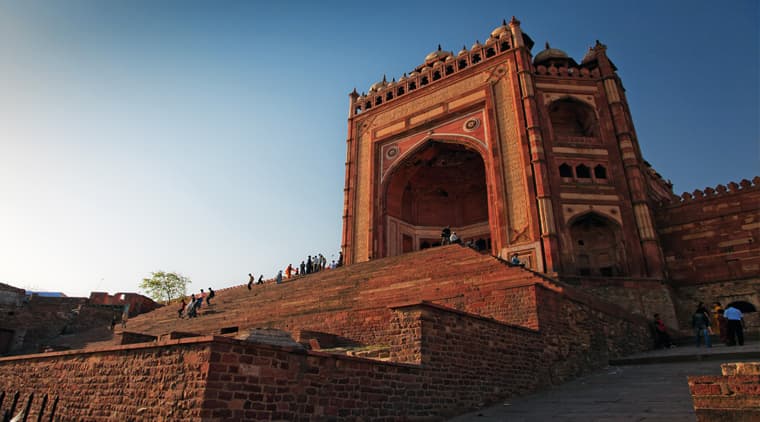
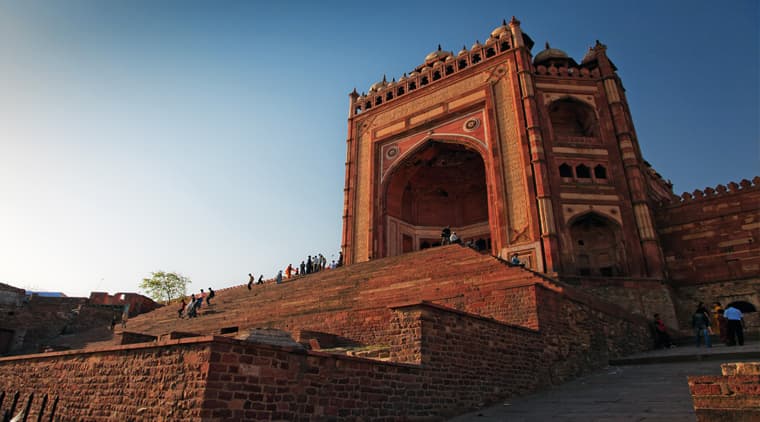
Finally, the Buland Darwaza. Akbar completed this immense victory gate in 1575 to mark his conquest of Gujarat, and it remains one of the tallest gateways in India. You climb a long flight of steps to reach it, and when the arch finally rises above you, you understand exactly what the emperor wanted every visitor to feel.
October to March is the best season, with pleasant mornings and clear light on the red sandstone. April to June is very hot, and the open stone courtyards radiate heat by midday, so a summer visit should be early in the morning. July to September brings the monsoon, which cools the air but can interrupt your walk.
The complex is open every day, from sunrise to sunset, with no weekly closure. Come as early as you can. The first hour after opening gives you soft light, thin crowds and cool stone underfoot, and the city feels almost your own.
Fatehpur Sikri is about 40 km west of Agra, roughly an hour by road. There are two classic ways to see it. The first is a half-day trip from Agra. The second, which we like even more, is to stop here on the drive from Agra to Jaipur, so the visit costs you no extra day on a Golden Triangle journey.
Agra Cantt is the practical railhead of the region, and your car does the rest. At the site, vehicles park below the complex, and you cover the last uphill stretch by the shuttle service or a short walk.
Take an authorised guide from the ticket office, and politely but firmly decline the many unofficial guides and sellers who approach visitors near the Buland Darwaza. A simple "no, thank you" with a smile, repeated once, works well.
The palace complex has an entry fee, with different rates for Indian citizens and foreign nationals; the mosque and dargah side is open without a ticket. Rates change from time to time, so please check the current rate on the official website or with your consultant.
At the Jama Masjid and the dargah of Salim Chishti, remove your footwear and cover your head; a handkerchief or dupatta is enough, and cloth is available there. Keep 3 to 4 hours for the whole city, carry water, and wear a cap in the warmer months. If you are driving on to Jaipur, leave Agra after an early breakfast, see Fatehpur Sikri before lunch, and you will reach Jaipur comfortably by evening.
Many of our overseas guests visit the dargah of Salim Chishti with a personal prayer, just as Akbar once did, and find it the most touching part of the Agra region. Dress modestly for the mosque courtyard, with shoulders and knees covered.
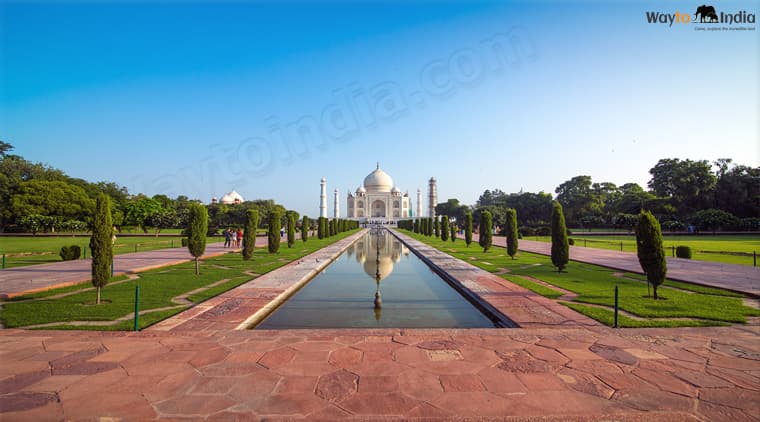
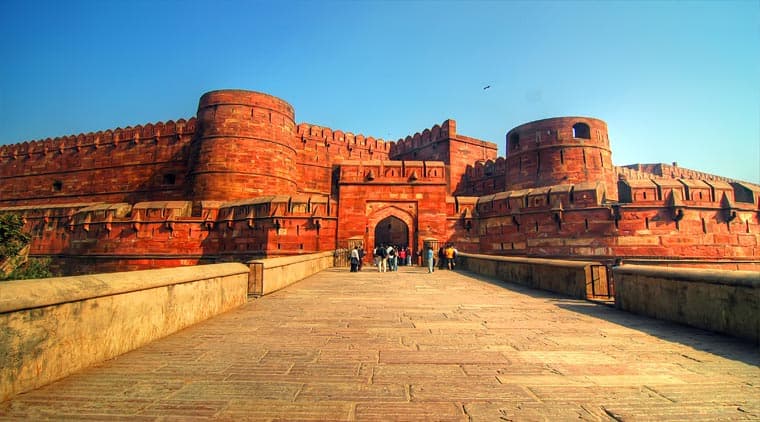
If you hold an OCI card, carry it to the ticket counter and the staff will apply the current rule on entry rates. The site involves walking on old stone and some steps, so for elderly parents we plan the visit for the morning and keep the car close. Combined with the Taj Mahal and Agra Fort, Fatehpur Sikri completes the Mughal story in a way no single monument can.
About 40 km west of Agra, which is roughly an hour by road. You can visit as a half-day trip from Agra or as a stop on the drive from Agra to Jaipur.
No. The complex is open every day from sunrise to sunset. Early morning is the best time, with soft light and few visitors.
The palace complex is ticketed, with different rates for Indian citizens and foreign nationals. The Jama Masjid and the dargah of Salim Chishti are open without a ticket. Rates change from time to time, so please check the current rate on the official website.
Yes, and for a different reason. The Taj is a tomb and the fort is a fortress, but Fatehpur Sikri is a complete Mughal city, with palaces, courts and a great mosque all in one place. It shows you how the empire actually lived.
Dress modestly with shoulders and knees covered. You will remove your footwear before entering the mosque courtyard and cover your head at the dargah; a handkerchief or dupatta is enough, and cloth is available there.
The tradition says Sheikh Salim Chishti blessed Akbar with a son. Devotees tie a thread on the marble jali of his tomb with a wish, most often for a child, and return to untie it when the wish is fulfilled. Visitors of all faiths take part respectfully.
A note on the tours below. These packages travel close to Fatehpur Sikri, but a package may not include a guided visit to the site itself. If you would like this place added to your journey, please tell your Way to India travel consultant and they will happily build it into your itinerary for you.
9D / 8NAbout 22 km from your stay at Bharatpur
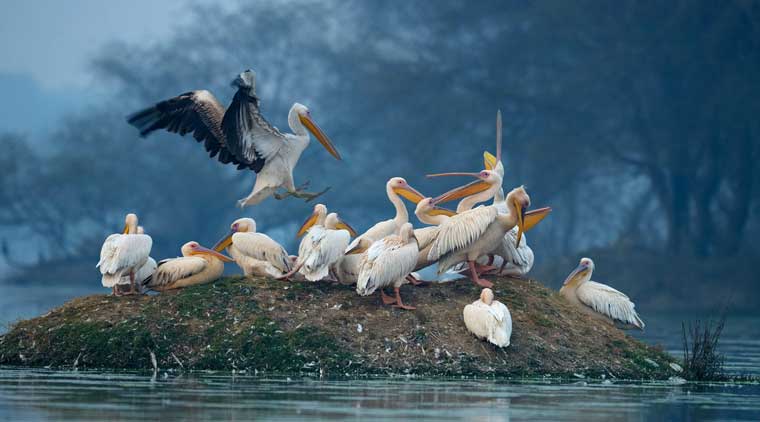 7D / 6N
About 22 km from your stay at Bharatpur
 10D / 9N
About 22 km from your stay at Bharatpur
 4D / 3N
About 22 km from your stay at Bharatpur
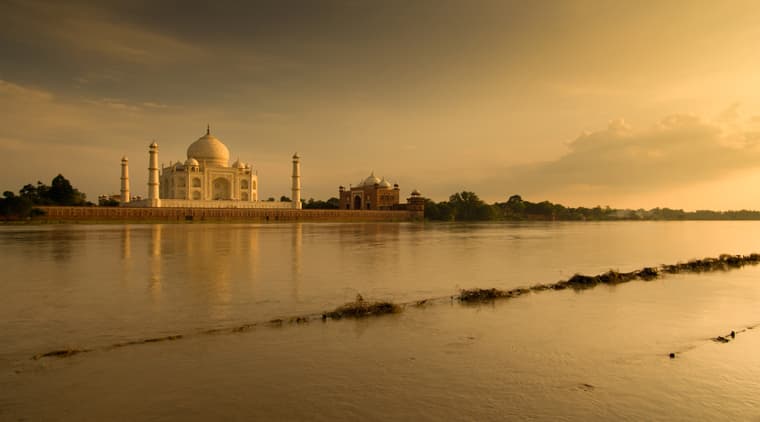 10D / 9N
About 22 km from your stay at Bharatpur
 8D / 7N
About 36 km from your stay at Agra
 2D / 1N
About 36 km from your stay at Agra
 7D / 6N
About 36 km from your stay at Agra
 7D / 6N
About 36 km from your stay at Agra
 7D / 6N
About 36 km from your stay at Agra
 9D / 8N
About 36 km from your stay at Agra
 9D / 8N
About 36 km from your stay at Agra
 6D / 5N
About 36 km from your stay at Agra
 6D / 5N
About 36 km from your stay at Agra
 5D / 4N
About 36 km from your stay at Agra
 4D / 3N
About 36 km from your stay at Agra
 8D / 7N
About 36 km from your stay at Agra
 9D / 8N
About 36 km from your stay at Agra
 9D / 8N
About 36 km from your stay at Agra
 9D / 8N
About 36 km from your stay at Agra
 9D / 8N
About 36 km from your stay at Agra
 10D / 9N
About 36 km from your stay at Agra
 8D / 7N
About 36 km from your stay at Agra
 7D / 6N
About 36 km from your stay at Agra
 9D / 8N
About 36 km from your stay at Agra
 11D / 10N
About 36 km from your stay at Agra
 7D / 6N
About 36 km from your stay at Agra
 5D / 4N
About 36 km from your stay at Agra
 14D / 13N
About 36 km from your stay at Agra
 12D / 11N
About 36 km from your stay at Agra
 11D / 10N
About 36 km from your stay at Agra
 8D / 7N
About 36 km from your stay at Agra
 7D / 6N
About 36 km from your stay at Agra
 9D / 8N
About 36 km from your stay at Agra
 9D / 8N
About 36 km from your stay at Agra
 12D / 11N
About 36 km from your stay at Agra
 3D / 2N
About 36 km from your stay at Agra
 2D / 1N
About 36 km from your stay at Agra
 8D / 7N
About 36 km from your stay at Agra
 4D / 3N
About 36 km from your stay at Agra
 2D / 1N
About 36 km from your stay at Agra
 15D / 14N
About 36 km from your stay at Agra
 8D / 7N
About 36 km from your stay at Agra
 2D / 1N 2
About 36 km from your stay at Agra
 10D / 9N
About 36 km from your stay at Agra
 10D / 9N
About 36 km from your stay at Agra
 8D / 7N
About 36 km from your stay at Agra
 13D / 12N
About 46 km from your stay at Mathura
Explore Way to India
© 2026 Way to India. All rights reserved.