01
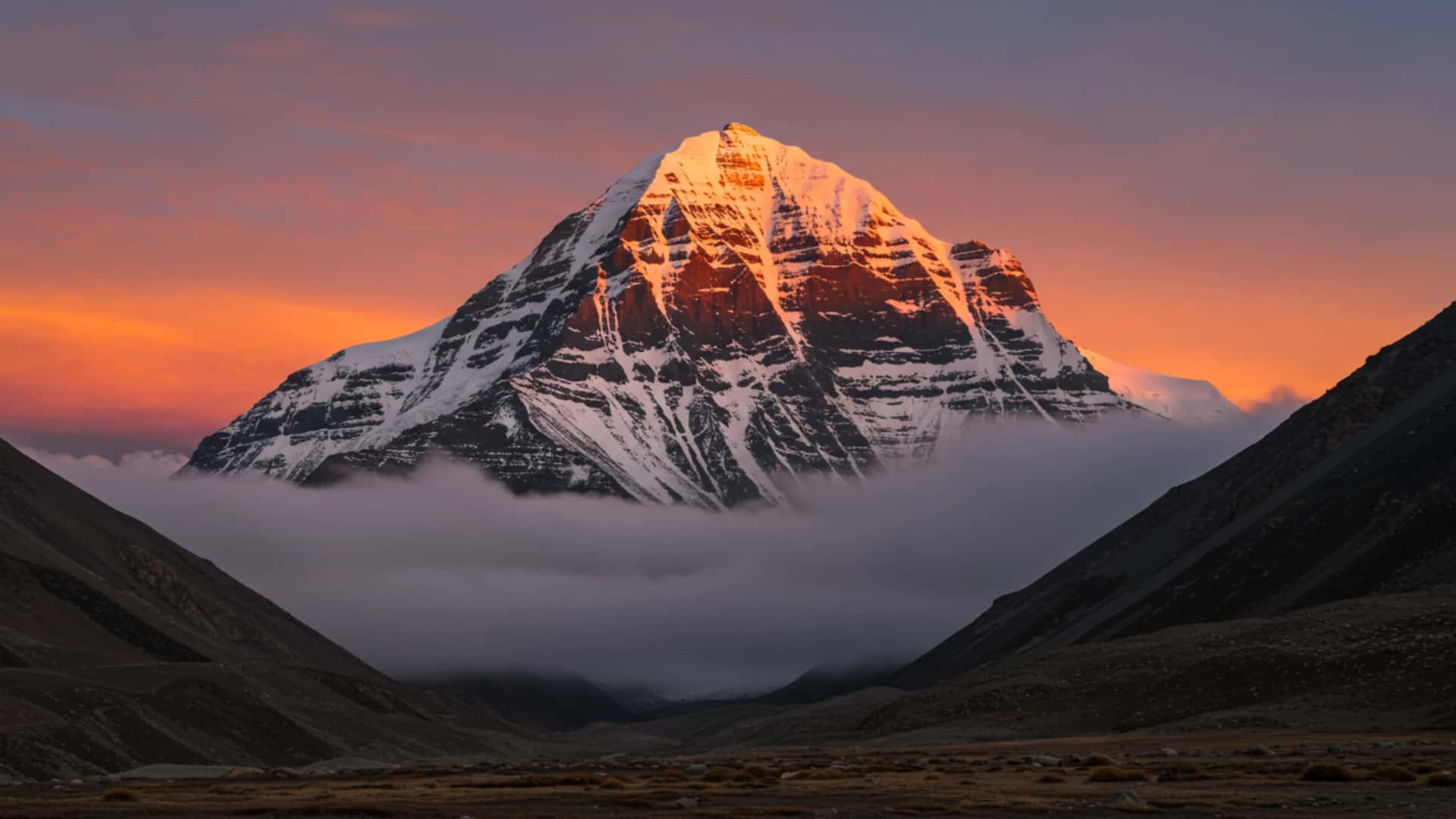
Mount Kailash
Tibet
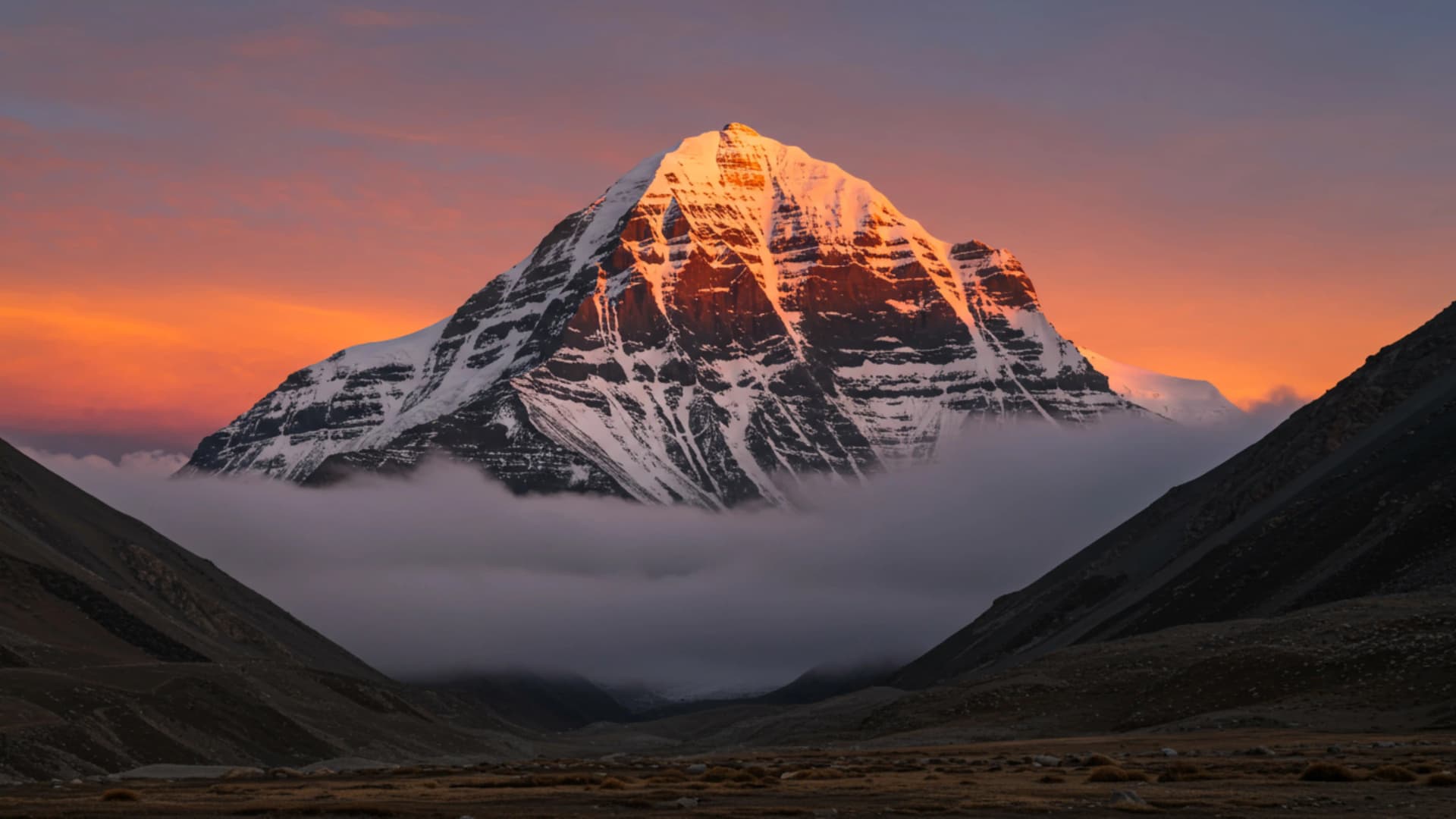
The abode of Bhagwan Shiva, about 6,638 m, never climbed by anyone
Overview
Embark on the ultimate pilgrimage of a lifetime. This is not just a trek; it is a spiritual awakening. We invite you to experience the divine Mount Kailash with a focus on comfort, safety, and expert guidance.
Designed for those who seek the blessings of Lord Shiva but wish to minimize the physical strain of the traditional route, this 9-day itinerary utilizes helicopter transfers to expedite the journey into the Himalayas.
Embark on the ultimate pilgrimage of a lifetime with our kailash mansarovar yatra package 2026. This is not just a trek; it is a profound spiritual awakening. We invite you to experience the divine Mount Kailash with a strong focus on comfort, safety, and expert guidance throughout your sacred journey.
Specially designed for devotees who seek the blessings of Lord Shiva while minimizing the physical strain of the traditional route, this kailash mansarovar yatra by helicopter offers a smooth and time-efficient travel experience. The carefully planned 9-day itinerary utilizes helicopter transfers to expedite the journey deep into the Himalayas, allowing you to focus on devotion, peace, and spiritual fulfillment.
Why This Journey is Special
Helicopter Convenience: Skip the long, arduous trekking routes. We fly you from Simikot to Hilsa by helicopter (approx. 20-25 mins), making the border crossing smoother.
Spiritual Immersion: Perform a holy bath and Puja at the sacred Lake Mansarovar.
Exclusive Darshan: For those physically fit and permitted by authorities, we offer the opportunity for Charan Sparsh (touching the feet of the mountain) during the Parikrama.
Complete Support: You are never alone. Our team includes experienced tour leaders, sherpas, and a medical kit, oxy-meter with oxygen cylinders to ensure your safety.
May to September
Family/Group
Hard
Route & distances
Accurate distances and travel times for every leg: 738 km by road, 220 km on foot. Road times include a traffic buffer; distances marked “aerial” are straight-line for flight, helicopter, ropeway and water legs.
| # | Leg | Mode | Distance | Time |
|---|---|---|---|---|
| 1 | Lucknow → Nepalgunj | By road | 189 km | ~3h 8mest. |
| 2 | Nepalgunj → Simikot, Nepal | By flight | 214 km (aerial) | — |
| 3 | Simikot, Nepal → Hilsa, Nepal | By helicopter | 52 km (aerial) | — |
| 4 | Hilsa, Nepal → Xiarwa Border Post | On foot / trek | 85 km | ~21h 4mest. |
| 5 | Xiarwa Border Post → Purang(Burang)/Taklakot | By road | 68 km | ~2h 26mest. |
| 6 | Purang(Burang)/Taklakot → Mansarovar Lake, Tibet | By road | 70 km | ~1h 24mest. |
| 7 | Mansarovar Lake, Tibet → Darchen, Tibet | By road | 49 km | ~1h 5mest. |
| 8 | Darchen, Tibet → Yam Dwar(Chorten Kang Ngyi), Tibet | By road | 3 km | ~23mest. |
| 9 | Yam Dwar(Chorten Kang Ngyi), Tibet → Dirapuk Monestry | On foot / trek | 18 km | ~3h 38mest. |
| 10 | Dirapuk Monestry → Zutulpuk Monastery, Tibet | On foot / trek | 19 km | ~4h 28mest. |
| 11 | Zutulpuk Monastery, Tibet → Darchen, Tibet | On foot / trek | 13 km | ~2h 31mest. |
| 12 | Darchen, Tibet → Purang(Burang)/Taklakot | By road | 105 km | ~1h 41mest. |
| 13 | Purang(Burang)/Taklakot → Xiarwa Border Post | By road | 68 km | ~2h 26mest. |
| 14 | Xiarwa Border Post → Hilsa, Nepal | On foot / trek | 85 km | ~20h 28mest. |
| 15 | Hilsa, Nepal → Simikot, Nepal | By helicopter | 52 km (aerial) | — |
| 16 | Simikot, Nepal → Nepalgunj | By flight | 214 km (aerial) | — |
| 17 | Nepalgunj → Lucknow | By road | 186 km | ~3h 9mest. |
Day by day
A carefully paced plan, day by day. Tap any day for the stay, meals and altitude detail.
The Beginning (Lucknow to Nepalgunj) Your journey begins in Lucknow. Upon arrival, our team will greet you and drive you (approx. 4 hours) to Nepalgunj, where you will settle into a comfortable 3-star hotel like Hotel Kalpataru(or similar).
Note that we strongly suggest that you reach Lucknow one day in advance(stay would have to be arranged on your own) and intimate us well in advance the pickup point from where you would like us to pick you for your Kailash Mansarovar Yatra by Helicopter.
It is pertinent to take note that on the India–Nepal border, luggage is thoroughly scanned, and all Indian nationals must carry their Voter ID Card for the kailash mansarovar yatra package 2026.
Upon arrival at Nepalgunj, our team will extend a warm welcome to the group. Check in at the hotel and relax in your room after the journey.
In the evening, after some rest, an orientation program will be conducted to brief you about the upcoming sacred journey, including important guidelines and do’s and don’ts for the kailash mansarovar yatra by helicopter. During this session, you will be informed that only up to 10 kg of luggage is permitted. For your convenience, a duffle bag, one small passport-holder sling bag, and a backpack will be provided, along with a snow jacket (on a returnable basis). Since the luggage allowance is limited, all non-essential items must be left at the hotel while preparing for the next day’s journey.
Dinner and overnight stay will be at the hotel.
Into the Himalayas & acclimatization : The adventure truly begins here as after an early breakfast at the hotel, the group leaves for Nepalgunj Airport for kailash mansarovar yatra from lucknow. Take note that Since you are taking a small fixed-wing plane to Simikot, baggage weight limits are strictly enforced, hence make sure that the day before you pack your stuff efficiently (often around 10-12 kg for check-in).
From Nepalgunj Airport, you board a fixed-wing flight to Simikot( 50 minutes to one hour flight), followed by a thrilling kailash mansarovar yatra by helicopter ride to Hilsa (35-45 minutes flight). It is noteworthy that flights from Simikot to Hilsa depends upon weather clearances and sometimes pilgrims have to wait for longer duration also for the weather to clear.
Upon arrival at Hilsa, which is the last Nepalese Village, generally lunch is arranged for the Pilgrims.
Hilsa is actually a very small village in Nepal's Humla District and shares a physical border with Chinese checkpoint. To cross the border one has to cross Karnali River (also known as the Humla Karnali in Nepal or the Mapcha Khambab in Tibet). Yatris are required to carry only their backpacks and passport sling while their duffle bags are carried by the porters.
After crossing the Karnali River, the pilgrims reach Chinese Facilitation Centre where there documents are checked. Full scanning of luggage and personal belongings is done. It is advisable to not store any politically motivated videos and pictures which can lead to difficulties at Immigration. The permits and passport are checked and after clearences the group boards the buses to proceed to Purang(Taklakot)
From there, a short but scenic drive takes you to Purang (Taklakot) for an overnight stay to rest.
The Sacred Lake Mansarovar: Today, we drive to the breathtaking Lake Mansarovar for kailash mansarovar yatra. On the way to Mansarovar Lake, you have a stopover at Rakshas Taal, another very beautiful lake as part of the kailash yatra package 2026.
Upon arrival at Mansarovar Lake, check in at Dharamshala/ Guest house where generally 3-4 persons share the room. Note that the accommodation at Mansarovar is very basic. There is no electricity and electricity is made available through gen-sets only between 9 pm and 11 pm.
It is advisable to take duly charged power banks to keep your mobile phones charged. If the weather is clear, you would be amazed to see the first views of Mount Kailash’s south face. You would also be witness to so many stars in the sky that perhaps you might not have seen till date.
You also visit Choi Gompa, a monastery near Mansarovar Lake.
Dinner and overnight stay shall be at Dharamshala at Mansarovar Lake.
Your day starts with a beautiful darshan of Mansarovaar Lake with Mount Kailash in backdrop as part of the kailash mansarovar yatra Package.
After breakfast, drive to Darchen. Situated at the very foot of Mount Kailash, Darchen is more than just a village; it is the bustling "Base Camp" for every pilgrim preparing to undertake the sacred Parikrama or Kora. It serves as the final logistical hub before you step into the spiritual solitude of the Kora (circumambulation) of Kailash. It is advisable that the Yatris should walk as much as possible when in Darchen to further acclimatize with the high altitude area, as Darchen’s altitude is about 4,575 meters (15,010 ft).
For many, Darchen is also the starting point for excursions to Ashtapad, a site of immense significance for Jain pilgrims (subject to local permissions and extra payment).
Unlike Dharamshala at Mansarovar, there are good hotels at Darchen ensuring a comfortable stay. Dinner and overnight stay at hotel in Darchen.
The First Day of Parikrama (Yama Dwar to Diraphuk) After driving to Tarboche (Yama Dwar), the official "Gate of Salvation" where the walking Parikrama begins. You would be getting packed lunch form the hotel. We suggest that you keep some chocolates., premix coffee/tea and a thermos with hot water for the trek.
You will trek approximately 6 hours (13 km) to Diraphuk. You can also hire Porter and/Pony from Yam Dwar. Please note that you would need extra Yuan currency to pay directly for these services(also note that if you do not complete your Kora and return back from Diraphuk, no refunds are given by the local Porters or Pony owners and company shall not be responsible for the same).
A basic medical kit is available with the Leader Guidewith BP Monitoring instrument and Oximeter. If someone feels unhealthy, local ambulance can be arranged on extra payment basis to drop at hotel in Darchen.
Upon arrival at Diraphuk, all your exhaustion of trekking would vanish the moment you have first glimpse of North Face of Mount Kailash. You can feel the divine presence of Lord Mahadev.
Highlight: If health and permissions allow, our sherpas will assist you in going closer for Charan Sparsh darshan.
Comfort: Those unable to trek can stay back in Darchen at a comfortable 4-star equivalent hotel.
Those who wish to complete the Kailash Kora generally begin the trek before dawn (around 4:00 AM or 5:00 AM) so as to cross the pass before the weather turns as part of the kailash mansarovar yatra Package. As you leave Diraphuk, the "Golden Kailash" view motivates you for the climb ahead.
You will navigate through rocky terrain, often covered in snow. The air is thin, and every step requires determination.
Reaching the top of Dolma-La Pass is a moment of pure triumph. This pass is named after Devi Tara (Dolma), the deity of compassion.
Ritual: It is customary to leave behind a piece of clothing or a lock of hair here. This symbolic gesture represents leaving behind your past sins, ego, and old life to begin a new one.
Atmosphere: The pass is adorned with thousands of colourful Tibetan prayer flags fluttering in the wind, carrying mantras to the heavens.
Immediately after crossing the pass, the trail drops steeply. About an hour into the descent, you will witness the emerald-green waters of Gauri Kunda (Lake of Compassion) on your right.
Significance: Legend says this is the personal bathing pool of Goddess Parvati, where she created Lord Ganesha.
The View: The lake remains frozen for most of the year. Seeing its teal waters against the harsh grey and white landscape is a visual blessing. Note: The path to the lake shore is dangerous, so we offer our prayers and take photos from the trail above and we advise you not to attempt going down near the lake.
After the steep and often slippery descent from Gauri Kunda, you reach the valley floor. The landscape softens into a grassy river valley along the Lha Chu river.
The final 3-4 hours are a long, gentle walk on flat terrain. This is a meditative time where the adrenaline of the pass fades, replaced by a deep sense of peace. You will walk past herds of yaks and curious marmots popping out of the ground.
By late afternoon, you arrive at Zuthulpuk, the "Cave of Miracles."
The Legend: The monastery is built around a cave where the great saint Milarepa is said to have meditated. It is believed he lifted the heavy rock roof of the cave with just his hand to create shelter.
Accommodation at Zuthulphuk is also basic guesthouses. While simple, the warmth of a hot meal and the satisfaction of completing the hardest day make it feel like luxury.
Completing the Circle A short 8 km trek brings you back to the pickup point near Darchen. Depending on the schedule and moon phase, the group will either proceed to Lake Mansarovar or begin exit towards Hilsa/Simikot.
Return with Blessings We drive back to the border, fly from Hilsa to Simikot, and then onward to Nepalgunj and Lucknow. We include a buffer day in the schedule to manage any weather delays, ensuring a stress-free return.
This day is kept as a buffer to manage any unexpected delays or cancellations during your kailash mansaroar yatra package. Sometimes helicopters may be delayed or cancelled due to bad weather or heavy rush of yatris travelling to Simikot or Hilsa. In such cases, the group may stay at Hilsa, Simikot, or Nepalgunj. If you were delayed on any previous day, you will reach Nepalgunj today, and we will arrange your transfer for the Lucknow drop.
End of Tour!!
Travel tips
Are you planning the darshan of Mount Kailash and the holy snan at Lake Mansarovar, from India or from abroad? This tour uses the Nepal helicopter route, so you fly over the hardest trails and save your strength for the parikrama. Here, in one place, is everything you should know before you go and while you travel. Please read the routes and the permits parts with care, because Kailash is in Tibet and some things change from year to year.
This is the darshan of Mount Kailash, believed to be the abode of Bhagwan Shiva, and the holy snan at Lake Mansarovar, both in Tibet. This tour takes about 9 days and uses the Nepal helicopter route, so you fly over the long trails and keep your strength for the sacred parikrama.
Kailash is in Tibet, which is part of China. The yatra depends on the border being open, on Chinese group visas, and on Tibet permits, and these can change from year to year. Please treat every 2026 detail on this page as something to reconfirm at the time of booking. We check the live status for your dates before you pay for anything.
There are two families of routes. The government yatra by the Ministry of External Affairs goes through Lipulekh in Uttarakhand or Nathu La in Sikkim, and is only for Indian passport holders. The private Nepal routes go through Kathmandu or through Simikot and Hilsa, and are open to everyone, including OCI and foreign passport holders. This tour is the Simikot to Hilsa helicopter route.
You drive from Lucknow to Nepalgunj, take a small fixed-wing plane to Simikot, then a helicopter of about 20 to 25 minutes to Hilsa on the Nepal side of the border. From Hilsa you cross into Tibet at Purang, also called Taklakot, and drive on to Mansarovar and Darchen. This route flies over the hardest trekking, so it is the gentlest on the body and the shortest in days. It is open to Indian, NRI and OCI pilgrims. The one risk is the mountain weather at Simikot and Hilsa, which can delay the small aircraft, so a buffer day is built into the tour.
The Ministry of External Affairs runs its own yatra through Dharchula and the Lipulekh pass, at about 5,115 metres. A motorable road now reaches close to the pass, so the old multi-day trek is much reduced. It is subsidised and well organised, but it is only for Indian passport holders, the seats are few and given by a computer draw, and the dates are fixed by the government. Please confirm the current details on kmy.gov.in.
The second government route goes through Gangtok and the Nathu La pass in Sikkim. It is largely motorable and is often chosen by older pilgrims for that reason. Like the Lipulekh route, it is only for Indian passport holders and the seats are limited. Confirm on kmy.gov.in for your year.
The Ministry of External Affairs restarted its own yatra in 2025 after a gap of about five years, and its 2026 season is running from June to August, with the first batch already flagged off and the online registration window having closed in May. But routes, permit rules, seats and dates change from year to year, and can change at short notice, because the yatra depends on India and China relations. We do not state a fixed permit fee, batch count or date that we cannot confirm for your travel. We reconfirm the live status for your chosen dates before booking. Please also check mea.gov.in and kmy.gov.in yourself.
The season is short. The window is roughly May to September, when the passes are open and the weather on the Tibetan plateau is least harsh. Even in season the weather can change fast, so please keep spare days.
The small aircraft between Nepalgunj, Simikot and Hilsa fly only in clear weather, and delays of a day or two are common in the season. This tour keeps a buffer day for exactly this reason. When you book your international flights home, please leave two to three free days after the tour ends, so a weather delay does not make you miss your flight.
This is a demanding yatra. You will be at heights where the air holds far less oxygen than at home. Lake Mansarovar is at about 4,590 metres, and Dolma La pass on the parikrama reaches about 5,630 metres. Please prepare your body, and please tell us about any health condition before you book.
Many devout elders complete this yatra, and it is a blessing to bring parents to Kailash. But the height is real, and the parikrama, especially the Dolma La day, is hard. Elders who are unsure can do the yatra up to Mansarovar and Darchen for the darshan, and let a fitter family member do the full parikrama. There is no shame in this, and the darshan of the mountain and the lake is itself the heart of the yatra.
For the Nepal route you need a valid passport, a Chinese group visa, and Tibet permits. These are arranged through Kathmandu with the Chinese authorities, and the rules can change. Please do not begin the journey hoping to fix the papers on the way, because that has left pilgrims stranded.
In 2026 a group of Indian pilgrims was left stranded in Kathmandu because they set out without their Chinese group visa and Tibet permits in hand, believing the papers could be arranged later. The Ministry of External Affairs then advised all pilgrims to secure their Chinese visa and permits before departure, to keep about seven to eight extra days in Kathmandu for the formalities, and to use only registered, authorised operators. We follow this advice fully. Please reconfirm the current permit rules with us and with mea.gov.in before you travel.
The parikrama, or kora, is a walk of about 52 kilometres around Mount Kailash, done clockwise over three days. It begins at Yama Dwar near Tarboche, climbs to the high Dolma La pass at about 5,630 metres, and returns near Darchen. This is the one part of the yatra that must be walked.
Some fit pilgrims, when the authorities permit, are offered a Charan Sparsh, a chance to touch the very feet of the mountain. This depends on your fitness, on the weather and on permission on the day, and it is never guaranteed. Please treat it as a blessing that may come, not a promise. The full outer parikrama itself is the complete and traditional yatra.
Lake Mansarovar, at about 4,590 metres, is where pilgrims take the holy snan, do puja and sankalp, and fill a little of the sacred water to carry home. The water is very cold and the air is thin, so please do these rituals gently and with care.
Near Mansarovar you usually stay in a simple guesthouse or dharamshala where three to four pilgrims share a basic room. There is little heating and the toilets are very basic. This is part of the yatra, and pilgrims accept it in the right spirit. We tell you the real conditions in advance so there is no shock.
You need warm layers, sun protection and a small day pack, but you must also respect the strict baggage weight limit on the small aircraft to Simikot. Pack warm, pack light, and keep your important things on your body.
Even though the team carries oxygen and a medical kit, please keep your own small kit: your regular medicines, a basic pain reliever, something for stomach upset, electrolyte sachets, band aids, and any altitude medicine your own doctor has advised. Label them clearly in English.
Expect simple vegetarian food and basic stays. In Nepalgunj you get a comfortable hotel, but at Mansarovar, Darchen and on the parikrama the rooms are very basic and shared. Warm, simple food is the rule, and it is enough.
Toilets on the Tibet side are very basic, so carry your own tissue, wet wipes and a hand sanitiser. Electricity for charging is limited, so bring a power bank and a spare one. Indian mobile phones do not work in Tibet; you may get a Chinese SIM in places, but stay prepared for long stretches with no signal, and tell your family in advance.
The Nepal helicopter route is the most expensive way to do the yatra, because it uses fixed-wing and helicopter flights, but it is also the shortest and the gentlest on the body. Costs change with flights, permits and the season, so please take a written quotation for your dates.
Please take a travel insurance policy that clearly covers high altitude and, if possible, helicopter or emergency evacuation. The yatra reaches heights above 5,000 metres, and an evacuation from the mountain is difficult and costly. Read the policy wording for altitude limits before you buy, because some ordinary policies stop covering you above a certain height.
If you live abroad, this is your natural route. The government yatra by the Ministry of External Affairs is only for Indian passport holders, so OCI card holders and foreign passport holders travel through Nepal, which is exactly the route this tour uses. Please confirm your own eligibility, as these rules can change.
Make sure your passport is valid for at least six months beyond your travel and has enough blank pages for the group visa and stamps. If your OCI details, name or address have changed, sort that out well before you travel. Send us clear scans of your passport early, because the group permit work cannot start until every passport is in.
Many overseas Hindu families dream of bringing their parents to Kailash for darshan. It can be a beautiful blessing, but the altitude is serious. A few honest choices make the yatra safe and joyful for elders.
If an elder has a serious heart or lung condition, uncontrolled blood pressure, or a recent major illness, it may be wiser and kinder to choose a lower pilgrimage instead, such as Kedarnath or Amarnath, and to let go of Kailash with peace. Bhagwan Shiva sees the devotion, not the distance. Please decide this with a doctor, honestly, before you book.
नागेन्द्रहाराय त्रिलोचनाय भस्माङ्गरागाय महेश्वराय। नित्याय शुद्धाय दिगम्बराय तस्मै न काराय नमः शिवाय॥
This is the opening verse of the Shiva Panchakshara Stotra, the hymn to the five holy letters Na Ma Shi Va Ya, composed by Adi Shankaracharya. It bows to the Lord who wears the king of serpents, who has three eyes, whose body is smeared with holy ash, who is the great Ishwara, ever pure, and clothed only in the directions. Pilgrims recite it softly through the parikrama, one letter for each slow step. Keep it with you, and the mountain feels less far and less high.
What's included
What travellers say
“A big thanks to Way To India for organising such a truly memorable and spiritually fulfilling experience during our 12 Jyotirlinga Darshan pilgrimage from 1st May to 18th May. They organized the entire journey exceptionally well, ensuring that every aspect of the trip was smooth, comfortable, and hassle-free. From transportation and hotel arrangements to darshan planning and coordination, everything was managed professionally. Despite the extensive travel across multiple destinations, the itinerary was well-structured, allowing us to complete all the Jyotirlinga darshans comfortably. Thanks to staff of Way To India, especially, Ms Neha, who was supportive, responsive, and attentive throughout the journey, always ready to assist whenever needed. Her dedication and careful planning made this sacred pilgrimage stress-free and enjoyable. I sincerely appreciate their excellent service, commitment, and hospitality. Highly recommend Way To India to anyone planning a spiritual tour, especially for the 12 Jyotirlinga Yatra. Thank you for making this divine journey so special and memorable.”3 months ago · Google
“We have successfully completed the 12 Jyotirlinga Yatra, with Waytoindia and it was a truly blessed and unforgettable journey. Every aspect of the tour was well planned and professionally organized, from transportation and accommodations to temple visits and sightseeing. Visiting all twelve sacred Jyotirlingas was a deeply spiritual experience. The itinerary was designed efficiently, allowing us to have darshan at each shrine comfortably while enjoying the cultural and religious significance of every destination. We sincerely appreciate the excellent support and coordination throughout the trip. The team was always available to assist, ensuring a smooth and stress-free pilgrimage. Thank you Waytoindia for making our dream of completing the 12 Jyotirlinga Yatra a reality. We highly recommend this tour to anyone seeking a well-organized and spiritually enriching pilgrimage experience. Har Har Mahadev! 🙏🕉️”3 months ago · Google
“We recently entrusted our honeymoon planning to 'Way to India', and it turned out to be one of the best decisions we made. From itinerary finalization to on-ground execution, everything was handled with remarkable professionalism, warmth, and attention to detail. Every aspect of our trip — flights, hotels, transfers, experiences, and even the small thoughtful touches — was perfectly curated. The itinerary was balanced, well-planned, and tailored exactly to what we wanted. We never had to worry about a single thing; all arrangements were seamless and absolutely hassle-free. What truly stood out was their responsiveness and genuine care. They were always available, always patient, and consistently went the extra mile to ensure our journey was special. Special thanks to Neha Ma'am for planning everything. We are incredibly grateful and wholeheartedly recommend their services to anyone looking for a stress-free, personalised, and delightful travel experience. Thank you for making our honeymoon truly magical!”6 months ago · Google
Travelled with Way to India?
Share your experience on Google — it takes a minute and helps fellow travellers plan with confidence.
FAQ
Mount Kailash is believed to be the divine abode of Lord Shiva in Hinduism. Buddhists consider it the home of Demchok (Chakrasamvara), Jains associate it with Rishabhdev’s nirvana, and Bon followers regard it as the spiritual center of the universe.
Yes, it involves high-altitude travel (up to 19,500 ft / 5,630 meters at Dolma La Pass). Good physical fitness and stamina are required.
Current status (after reopening in 2025/2026): Bathing directly in the lake water (full dip/immersion) is not allowed under current environmental and cultural protection regulations enforced by the authorities in Tibet. Instead: Pilgrims can collect holy water from the lake and perform a ritual bath on the shore or at designated spots nearby
Lake Mansarovar (Manasa + Sarovar) means “Lake of the Mind” — derived from the Sanskrit word Manas, meaning mind. It is believed to have first formed in the mind of Lord Brahma before manifesting on Earth. Situated near Mount Kailash, believed to be the earthly manifestation of Mount Meru, the lake is said to radiate immense spiritual vibrations. Many pilgrims report deep peace, clarity, and emotional purification. Many devotees say that visiting Mansarovar is not just a journey of the body, but a profound transformation of the soul.
It is believed that when you feel the desire to visit Mount Kailash, it means Lord Shiva himself is calling you. The Yatra is not just a journey — it is a life-changing spiritual awakening. What truly makes this Yatra special, however, is your mindset. The purity of your thoughts, humility in your heart, and sincerity in your devotion determine the depth of your experience. This is such a sacred pilgrimage that one can gain immense spiritual merit (punya) through devotion, gratitude, and surrender. At the same time, it is believed that even small materialistic attitudes — ego, complaints, negativity, or disrespect — can diminish the spiritual benefits of the journey. Kailash teaches simplicity, patience, and detachment. Ultimately, this Yatra is not just about reaching a destination — it is about transforming your consciousness. It is a journey where faith is tested, ego dissolves, and the soul awakens.
The Kailash Mansarovar Yatra requires not only good physical fitness but also strong mental and spiritual readiness. While stamina and endurance are important for high-altitude trekking near Mount Kailash and Lake Mansarovar, the true strength needed is inner stability and purity of mind. It is believed that the purer and calmer your heart and thoughts are, the smoother and more graceful the journey becomes. In spiritual tradition, it is said that any mantra chanting or jap performed during a sacred pilgrimage carries a thousand fold merit. Therefore, maintaining silence (maun), minimizing distractions, and constantly remembering the Divine makes the Yatra not only easier but deeply transformative. A peaceful mind, devotion, and surrender to the Lord are what truly help a pilgrim complete this sacred journey with grace.
Yes, mild breathing difficulty is common during the Kailash Parikrama because the trek goes to very high altitude, especially at Dolma La Pass (around 5,630 meters / 18,500+ ft) near Mount Kailash. At this height, oxygen levels are low, so even normal walking can feel tiring. The most important rule is: the slower you walk, the better you feel. Moving at a slow, steady pace helps your body adjust to the altitude and prevents breathlessness. There is no need to rush — this Yatra is about endurance and patience, not speed. Also: Keep sipping water while walking (small sips, frequently). Do not let your body get dehydrated. Maintain a calm and steady breathing rhythm. Avoid sudden exertion or fast climbing. Remember, in high altitude, “slow is safe.” A relaxed pace, continuous hydration, and a peaceful mindset make the Parikrama much smoother and safer.
Before you book
No cancellation will be entertained verbally; it should be informed in written form to our office. Also, the cancellation notification by both verbal & written ways will not be accepted after 25 days of the tour commencement date as it will be no show without any refund. In case of tour cancel & require to refund the balance amount then it will take 90 days or more depending upon Government & Banking policy for the refund amount to reimburse into your account.
Due to any personal reason or any unforeseen reason or Government reason, if the tour is cancelled then INR 20,000 advance deposit amount is non-refundable once the booking made.
In case of tour cancellation made before a month, 25% of the tour cost will be charge
In case of tour cancellation made before 21 days, 50% of the tour cost will be charge
In case of tour cancellation made before 14 days, 75% of the tour cost will be charge
In case of tour cancellation made before 10 days, 100% of the tour cost will be charge, no show
In case of tour cancellation made on any period and due to which the operating group members become less than 21 persons, then 100% of the tour cost will be charge, no show. This condition will be applied from the date of booking made and cancellation happen on any duration in between.
There will not be any refund or adjustments for unutilized services or if you have to quit the program after tour begins for whatsoever reason or due to any unexpected circumstances or due to sickness emergency.
If the flight ticket has been issued by us on any sectors in advance and the flight ticket need to cancel due to any cause, then the cancellation & refund policy will be apply as per concerned airlines & the company.
All the cost will be extra for any rescue or evacuation purposes being emergency and there will not be any refund policy for the tour to give up due to this emergency case as well. Hence, we request all customers to do travel insurance for their life safety and be safe from risk of loss.
The above rule is also applicable for all our passengers as per rule of FEC (Foreign Exchange Centre, T. A. R.) & Tibet Travel Bureau (TTB). We will not accept any medical or personal reason/request for reduction of cancellation charges.
You may also like
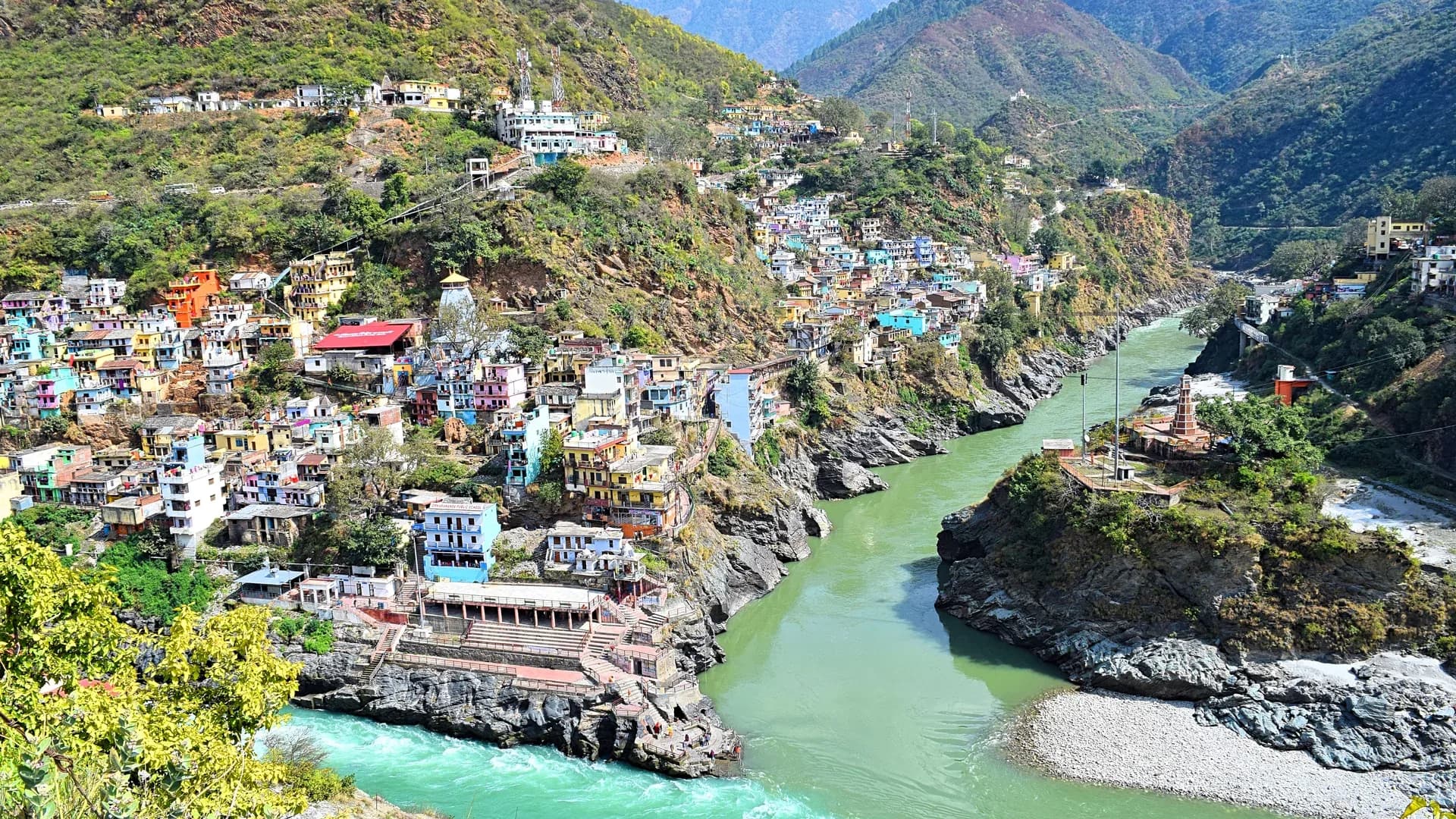 11D / 10N
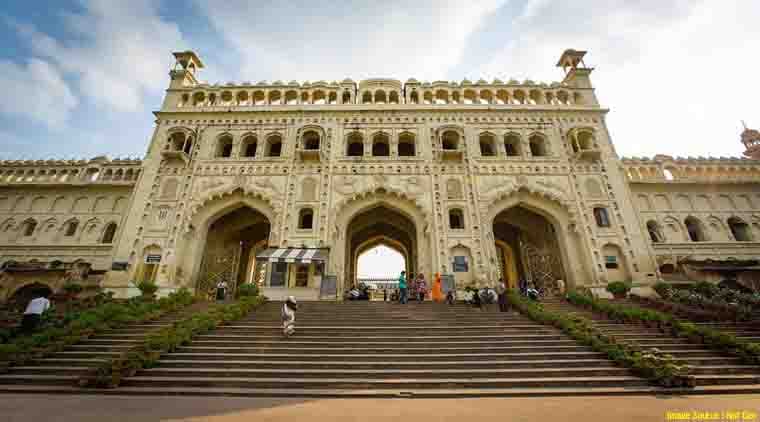 3D / 2N
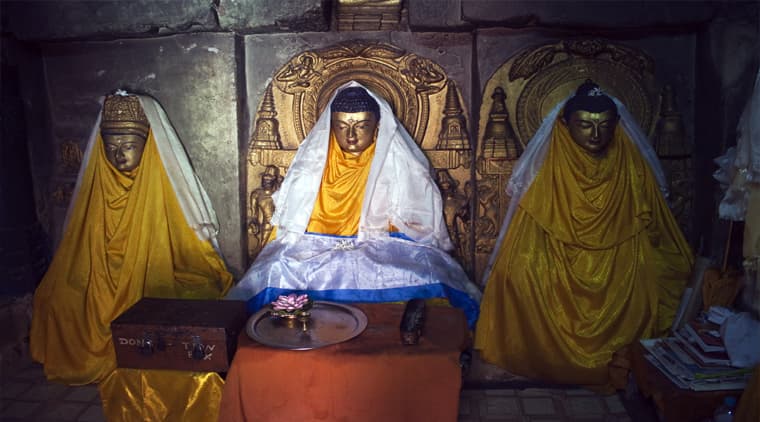 10D / 9N
 7D / 6N
 9D / 8N
 11D / 10N 5
Tell us your dates and group size. A WayToIndia travel expert replies within a few hours with a plan you can customise freely. Planning India journeys since 2010.
Explore Way to India
© 2026 Way to India. All rights reserved.