 © Kalcutta | Dreamstime.com
श्रीराम जय राम जय जय राम
Shri Ram Jai Ram Jai Jai Ram
Walk Where Shri Ram Walked
his whole journey, from the land of his birth to the sea he crossed to Lanka
A 24-day Ramayana tour package along the complete Ram Van Gaman Path, from Mata Kaushalya's Chandkhuri and the Ayodhya of his birth, through Mithila where Sita was born and given in marriage, on to Panchavati and Kishkindha, and down to Rameshwaram and Dhanushkodi, where Shri Ram bridged the sea.
On this yatra you do not read the Ramayana. You walk inside it.
Why every Ram Bhakt longs to walk this path
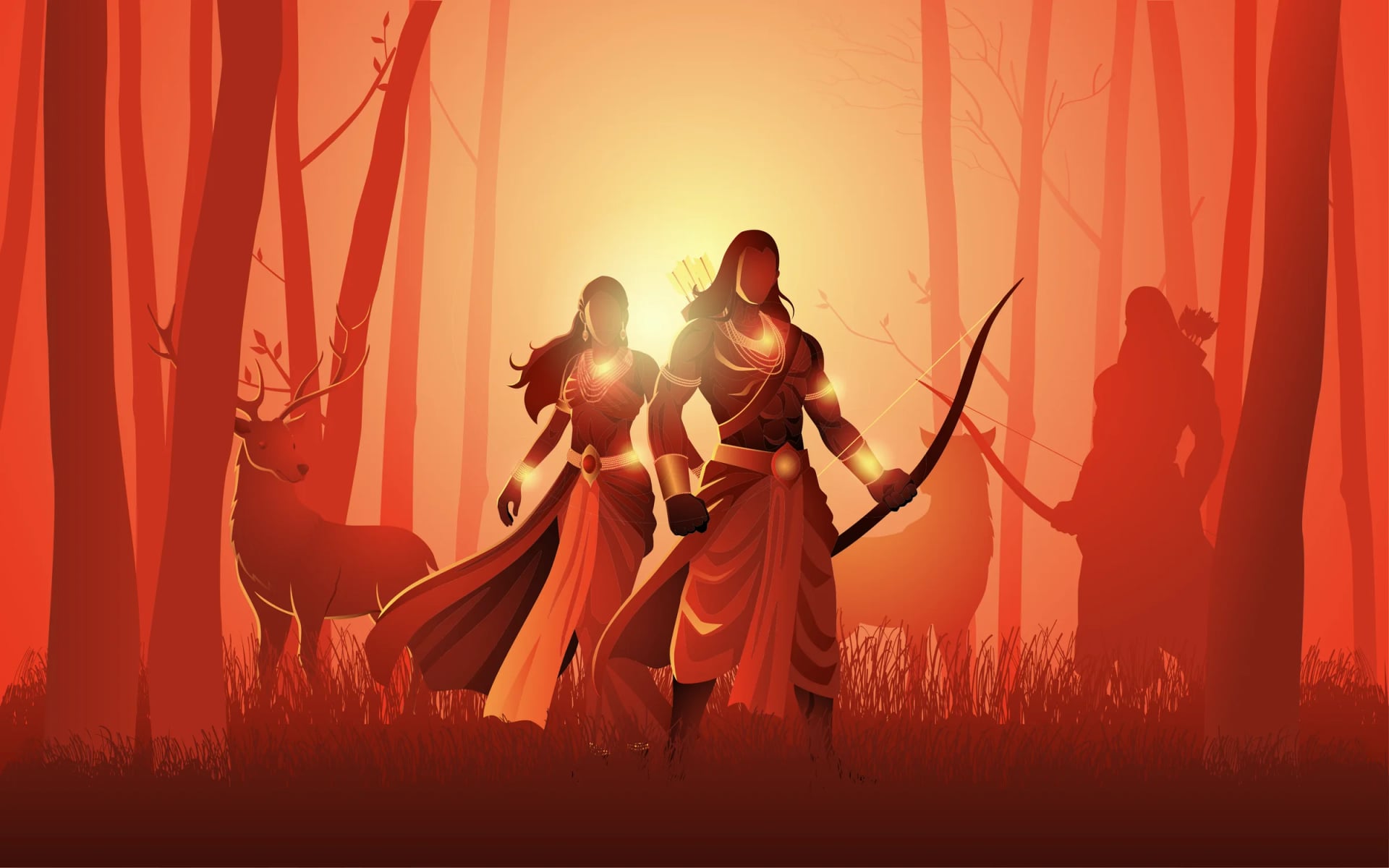
The Ramayana is not only a story. It is a guide for a righteous life. Shri Ram is called Maryada Purushottam, the finest of men, who never stepped away from dharma, not as a son, not as a brother, not as a husband, not as a king. When you read his life, you learn how to live your own.
For thousands of years our elders did not just read the Ramayana. They loved it. They wept at Ram's exile, they felt Sita's sorrow, and they bowed before Hanuman's devotion. Every ghat, forest and hill that Ram touched became sacred, because he set foot there. Joined together, these places form the Ram Van Gaman Path, the road he walked from Ayodhya to the far southern sea.
When you make this yatra, the Ramayana stops being words on a page. You stand on the Ganga bank where the boatman washed Ram's feet. You sit at Chitrakoot, where Bharat begged him to come home. You reach the shore at Dhanushkodi, where he raised the bridge to Lanka. Mile by mile, the epic turns into your own memory, and your heart fills with love for Shri Ram.
You may live here in India, or you may have carried Ram in your heart across the seas. Either way, this is the one path every devotee wishes to walk once in life. Come and walk it. Let each step you take become your prayer.
Every sacred stop, every leg of the journey
A real map of this complete Ramayana tour package across India and Sri Lanka. Each leg shows how you travel, 🚗 by road (with distance & drive time), ✈️ by flight for the long hops, and 🚆 rail options where they shine. Tap any pin or leg to explore.
The Seven Kandas of the Shri Ramayana Yatra
This Ramayana tour package walks the six Kandas of the journey and honours the seventh. Unlike tours that stop at Ayodhya, the Complete Trail connects the real places where each book of the Ramayana unfolded, the definitive Ram Van Gaman Path.
 © Mdsindia | Dreamstime.com
Bala Kanda
Birth and childhood: the maternal land of Ram and the homeland of Sita.
 © Radiokafka | Dreamstime.com
Ayodhya Kanda
The exile begins: Shringverpur, Prayagraj, Chitrakoot and the Bharat Milap.
 © Paolo Donalisio | Dreamstime.com
Aranya Kanda
Forest life: Dandakaranya, the rishi ashrams, Panchavati and the Sita Haran.
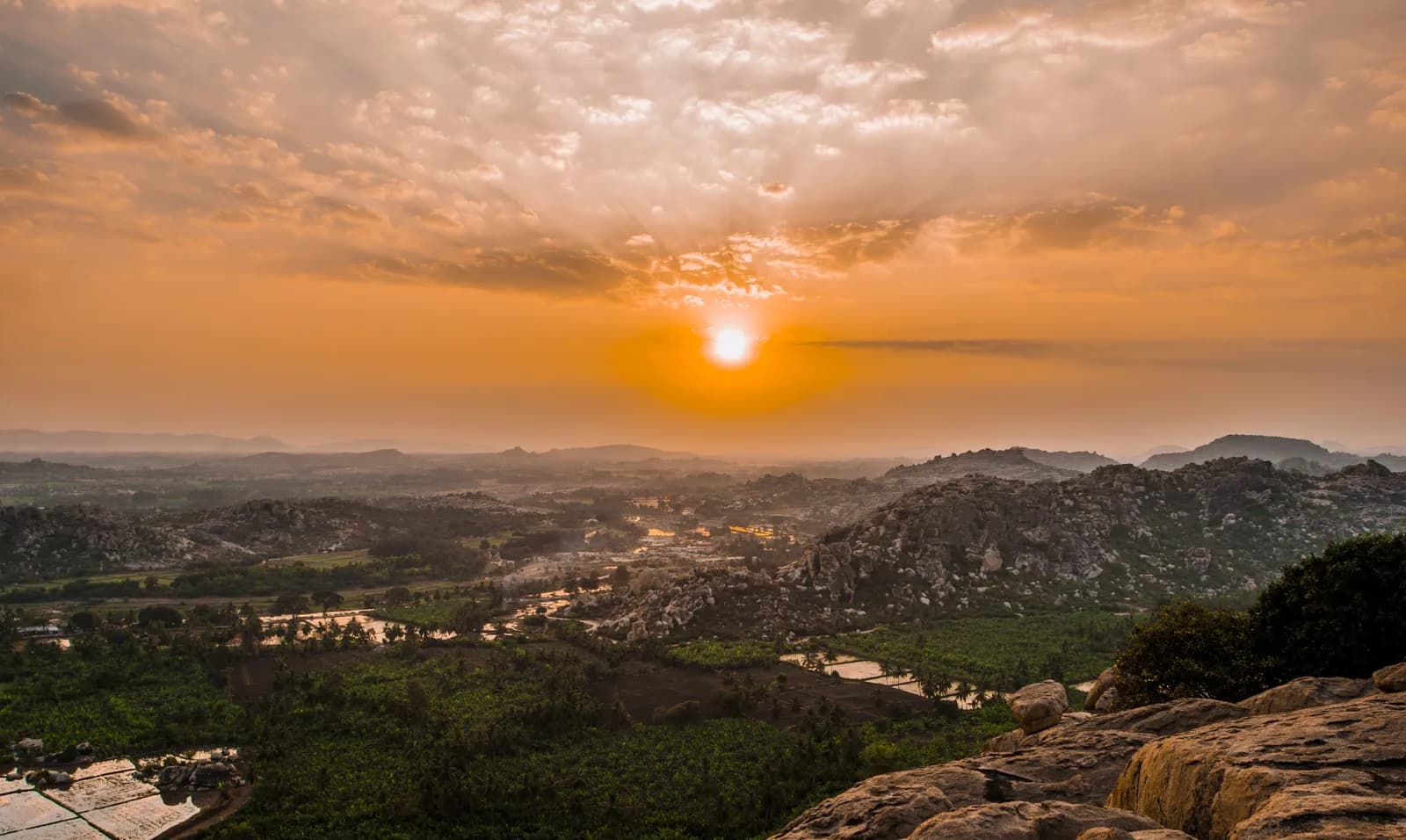
Kishkindha Kanda
The vanara kingdom: Hanuman's birthplace, Pampa Sarovar and Sugriva's alliance.
 © Saiko3p | Dreamstime.com
Sundara Kanda
Hanuman's leap to Lanka and the discovery of Sita in the Ashok Vatika.
 © Vikash Singh | Dreamstime.com
Yuddha Kanda (Lanka Kanda)
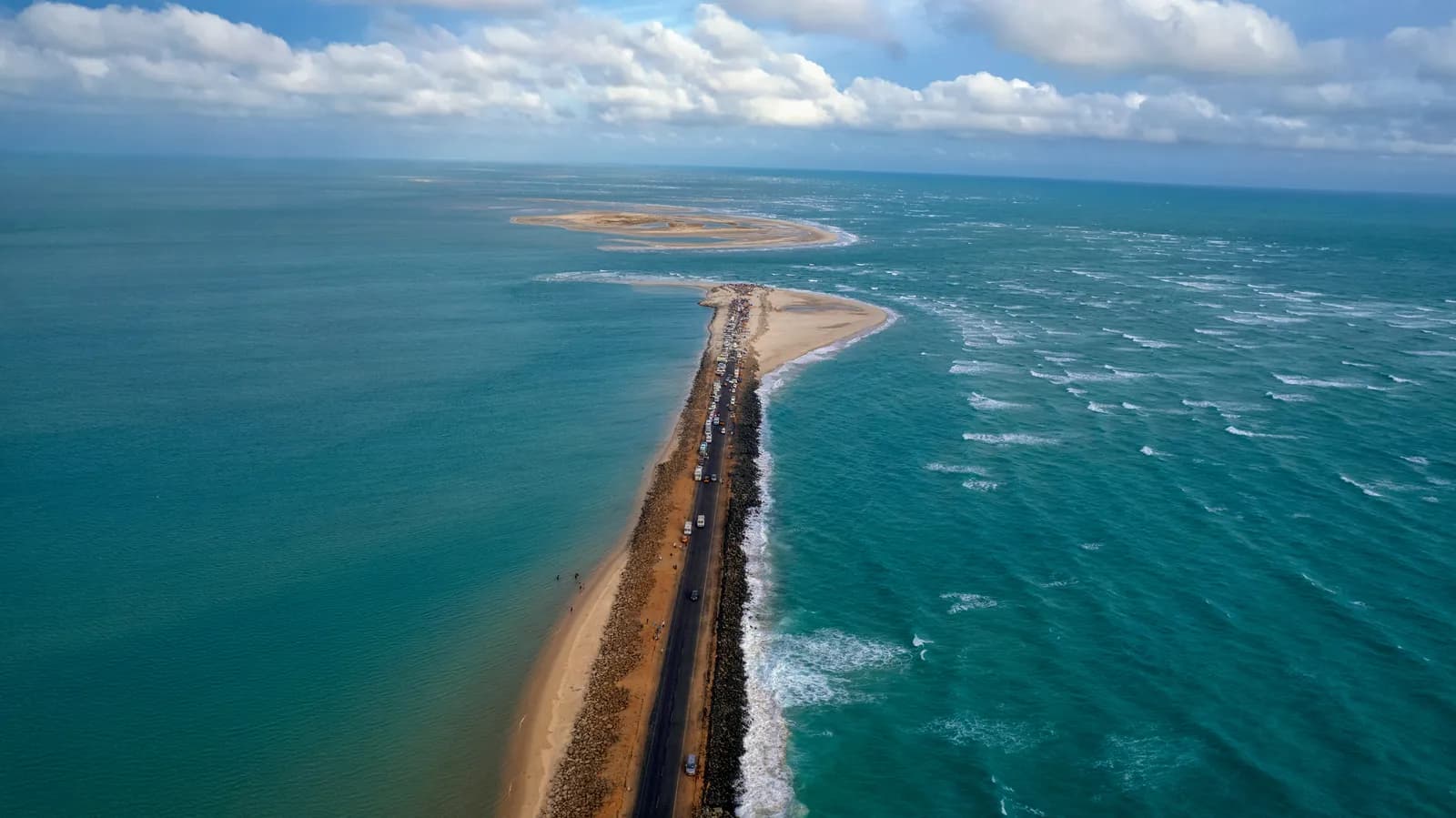
The bridge and the war: Rameshwaram, Dhanushkodi, the Rama Setu and the return.
 © Lalam Mandavkar | Dreamstime.com
Uttara Kanda
The epilogue: Ram Rajya in Ayodhya, and Sita ji's years at Valmiki Ashram where Luv and Kush were born and first sang the Ramayana.
In the Footsteps of Shri Ram, every sacred site on this yatra
This is the complete darshan list of the Ramayana tour package, every temple, ghat, ashram, kund and shrine you touch, grouped by destination in the order you travel. Where a site rests on loving tradition rather than the Valmiki text, we say so honestly.
Chandkhuri & Raipur
Bala KandaThe yatra opens in the nanihaal of Shri Ram, the maternal land of Mata Kaushalya.
- Mata Kaushalya Temple, the only temple in the world to Ram's mother, who holds the infant Ram on her lap on an island shrine
- Kaushalya Mata Sarovar, the wide sacred tank that rings the island temple
- Turturiya (Valmiki Ashram), held in local tradition to be Valmiki’s ashram, where Sita raised Luv and Kushby tradition
Rajim & Sihawa
Bala / Aranya KandaOn the road south lie the Prayag of Chhattisgarh and the ashram where the whole epic was set in motion.
- Kuleshwar Mahadev, Rajim, an ancient Shiva linga on the island where three rivers meet, worshipped by Ram and Sita in traditionby tradition
- Rajiv Lochan Temple, Rajim, the great early-medieval Vishnu temple of Rajim
- Triveni Sangam, Rajim, the confluence of the Mahanadi, Pairi and Sondur, with the Lomash Rishi ashram
- Shringi Rishi Ashram, Sihawa, the ashram of Sage Rishyashringa, whose yajna for King Dasharath led to the birth of Ramby tradition
Bastar (Dandakaranya)
Aranya KandaThe living forest of the exile, and the Danteshwari Shakti Peeth.
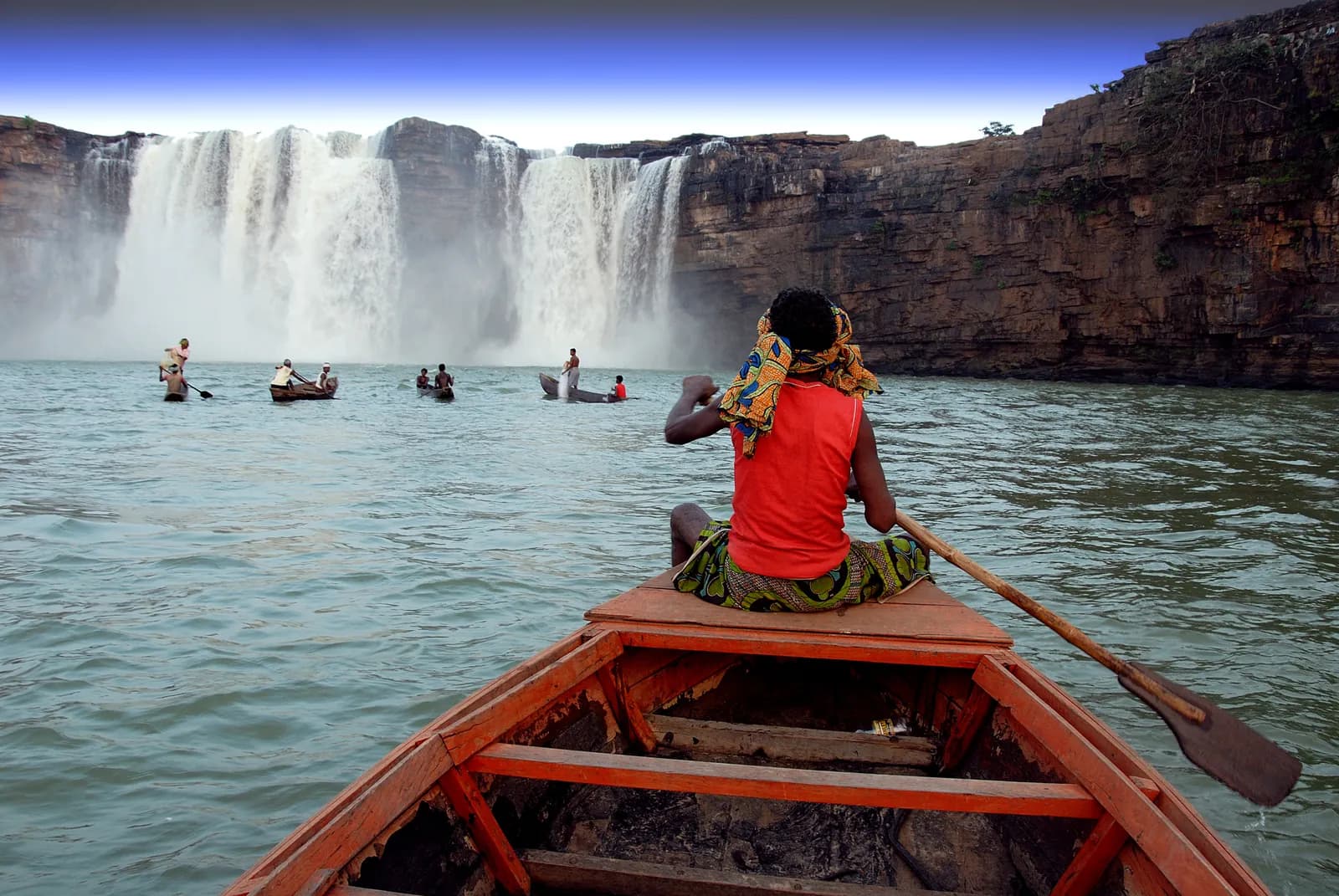
- Chitrakote Falls, the widest waterfall in India, on the Indravati within the ancient Dandakaranyaby tradition
- Narayanpal Temple, an eleventh-century Vishnu temple on the Indravati
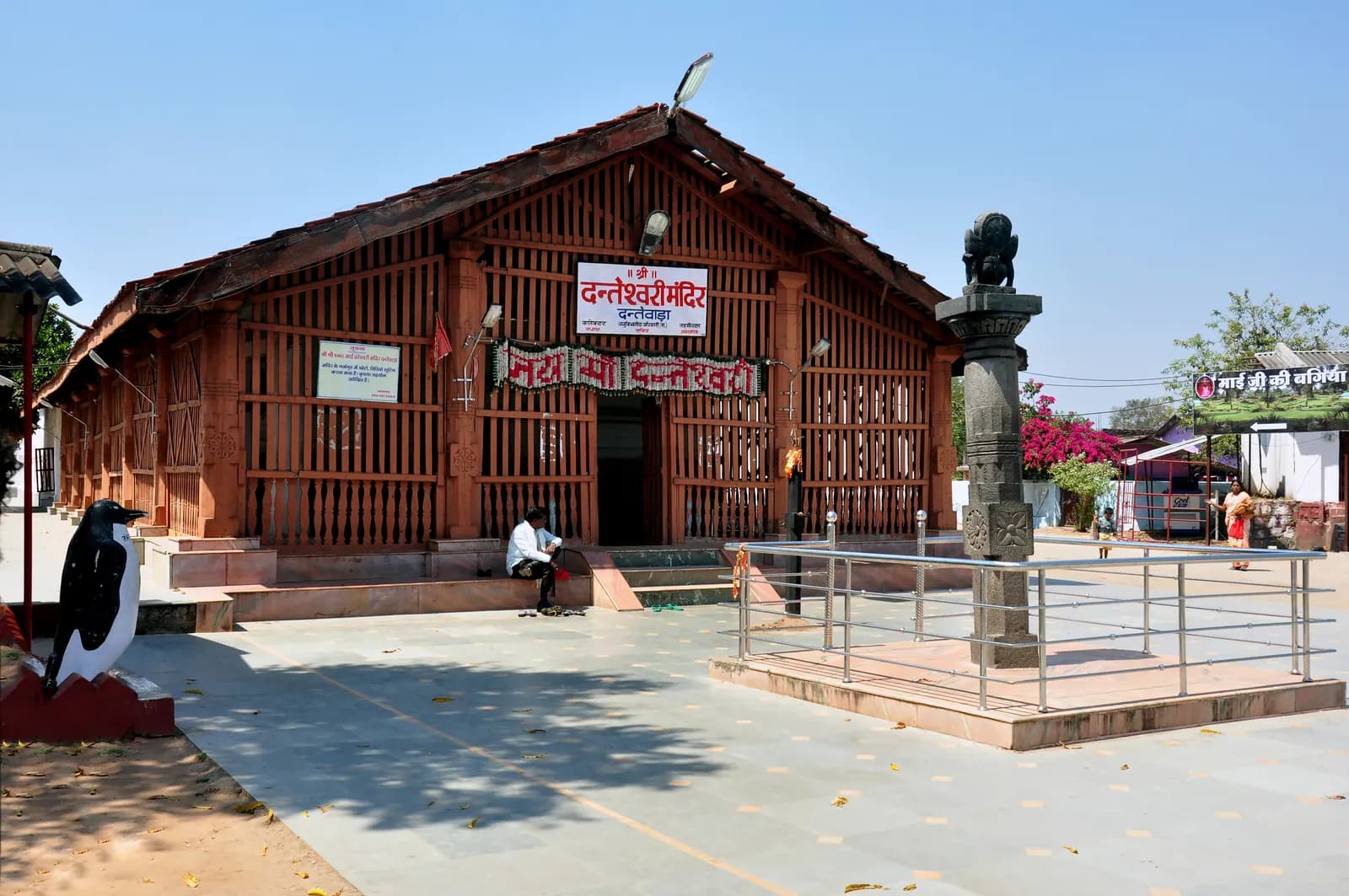
- Danteshwari Temple, Dantewada, one of the revered Shakti Peethas, where a tooth of Sati is said to have fallenby tradition
Amarkantak
Aranya KandaTirthraj, the source of the Narmada, and the exile-forest ashram of Sutikshna.
- Narmada Udgam Kund, the sacred source of the Narmada, the central shrine of Amarkantak
- Sonmuda, the source of the Son river, a cliff-edge viewpoint over the Maikal valley
- Mai ki Bagiya, a grove and tank sacred in Narmada folkloreby tradition
- Kapil Dhara & Kapil Muni Ashram, the first great fall of the Narmada, the meditation site of Sage Kapilaby tradition
- Sutikshna Rishi Ashram, where Agastya’s devoted disciple welcomed Ram, Sita and Lakshman in the forest yearsby tradition
Chitrakoot
Ayodhya KandaThe forest home of the longest exile, and of Bharat's plea to Ram.
- Ram Ghat, the riverfront on the Mandakini where Ram bathed, famed for its evening aarti
- Kamadgiri, the sacred hill worshipped as Ram himself, circled on a barefoot parikrama
- Bharat Milap Temple, where Bharat met Ram and begged him to return, with the brothers’ footprints in stone
- Gupt Godavari, twin caves through which a hidden stream flows, held to be Ram’s forest courtby tradition
- Sati Anasuya Ashram, the ashram of Atri and Sati Anasuya, who counselled Sita
- Hanuman Dhara, a hillside spring that pours over an image of Hanumanby tradition
- Janki Kund, the rock-cut kund where Sita bathed during exile
- Sphatik Shila, a riverside rock bearing footprints revered as Ram and Sita’s
- Bharat Koop, the well said to hold the waters of all tirthas, poured in by Bharatby tradition
- Raghav Prayag Ghat, where Ram is believed to have performed his father Dasharath’s ritesby tradition
- Ram Shaiya, the rock bed on the parikrama path where Ram is said to have restedby tradition
Shringverpur & Prayagraj
Ayodhya KandaThe Ganga crossing of the exile, and the tirtharaj of Prayag.
- Shringverpur (Nishadraj Guha), the capital of the Nishad king who received Ram, with Ram Chaura ghat marking the crossing
- Ram-Kevat Samvad site, where a humble boatman washed Ram’s feet before ferrying him across the Gangaby tradition
- Nishadraj Park, a park centred on a tall statue of Ram embracing Nishadraj Guha
- Triveni Sangam, Prayagraj, the meeting of Ganga, Yamuna and unseen Saraswati where Ram bathed on his way to the forest
- Bharadwaj Ashram, where the sage received Ram and directed him to Chitrakoot
- Bade Hanuman Mandir, the great reclining Hanuman near the Sangamby tradition
- Akshayavat, the imperishable banyan revered near the Sangamby tradition
Ayodhya & Naimisharanya
Bala & Uttara KandaThe Janmabhoomi of Shri Ram, from his birth to his final departure.
- Shri Ram Janmabhoomi Mandir, the birthplace of Ram, where Ram Lalla is enshrined in the new temple
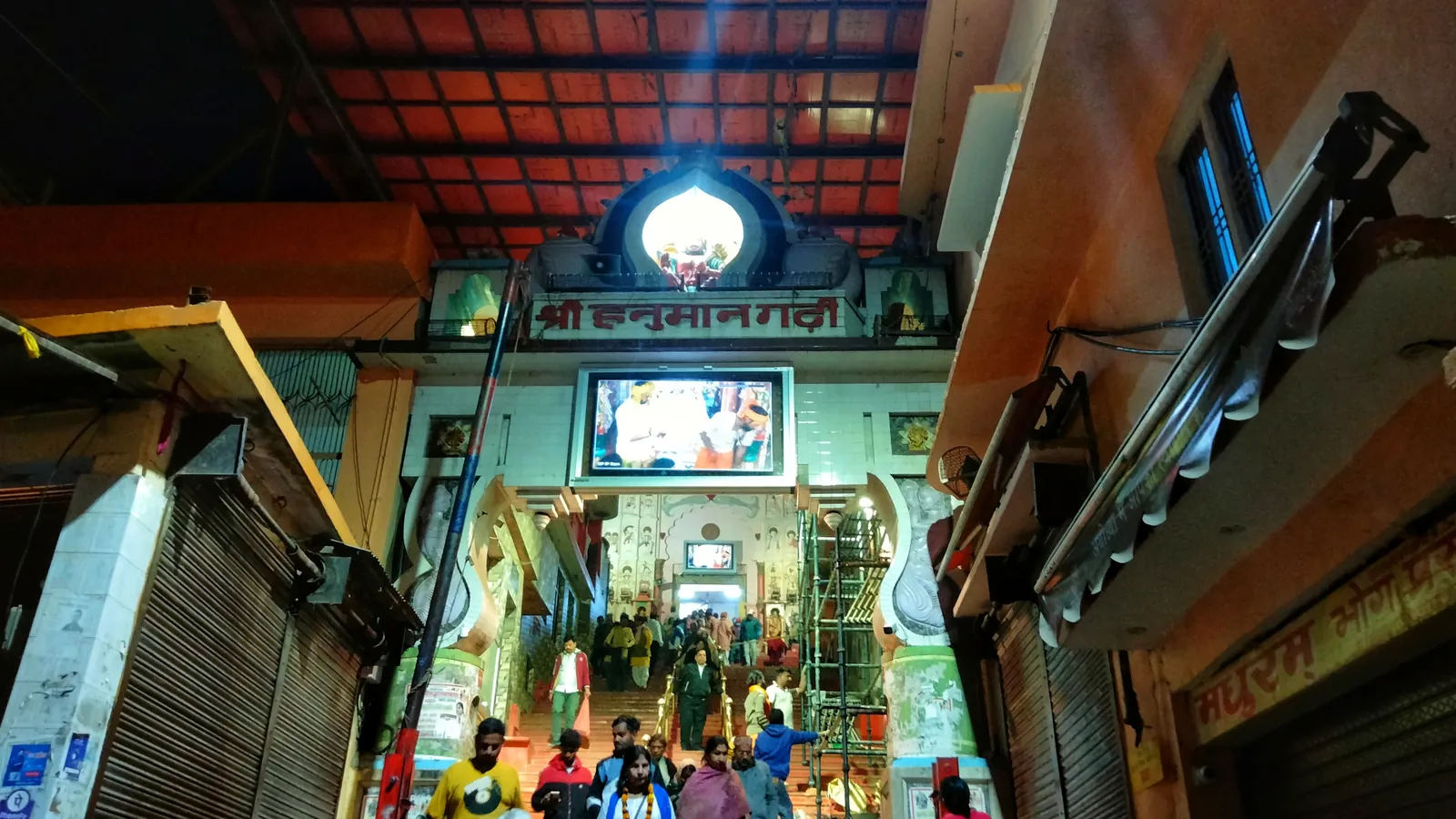
- Hanuman Garhi, the hilltop Hanuman temple of 76 steps, greeted before Ram Lalla
- Kanak Bhawan, the temple on the site of Sita’s golden palaceby tradition
- Nageshwarnath Temple, the ancient Shiva temple said to be established by Ram’s son Kushby tradition
- Ram ki Paidi & Saryu Ghat, the riverfront steps and the grand evening Saryu aarti
- Dashrath Mahal, the revered site of King Dasharath’s palaceby tradition
- Nandigram (Bharat Kund), where Bharat ruled for fourteen years with Ram’s padukas on the throne
- Guptar Ghat, the Saryu ghat where Ram is believed to have left the worldby tradition
- Naimisharanya: Chakra Tirtha, the round kund where Vishnu’s discus fell and the great sacrifice was heldby tradition
- Naimisharanya: Vyas Gaddi, the seat where the Puranas were first narrated to the sagesby tradition
- Naimisharanya: Lalita Devi, one of the revered Shakti Peethasby tradition
Mithila East-Arm
Bala KandaThe road the boy Ram walked to Janaka's court and Sita's swayamvara.
- Gautam Ashram / Ahilya Sthan (Kamtaul), where Ram’s touch freed Ahalya from her stone curse
- Sarisav Pahi (Pandaul), where tradition says Ram bathed on the way to Janakpurby tradition
- Girija Sthan (Phulhar), the Gauri temple where Sita prayed and first saw Ram before the swayamvara
- Baag Taraag Pushpavatika (Phulhar), King Janaka’s flower garden of Ram and Sita’s first meeting, one episode with Girija Sthan
- Vishwamitra Ashram (Bisaul), where the guru and the princes rested on the last stretch to Janakpurby tradition
Janakpurdham, Nepal
Bala KandaThe marriage capital, birthplace of Sita and site of the swayamvara.
- Janaki Mandir (Naulakha), the great white-marble temple on the site of Sita’s birth and home, the largest in Nepal
- Ram-Janaki Vivah Mandap, the pavilion marking the marriage of Ram and Sita
- Ram Mandir, one of the oldest temples of Janakpur
- Rangbhoomi, the ground of the swayamvara where Shiva’s bow was strung and brokeby tradition
- Ganga Sagar & Dhanush Sagar, the twin sacred ponds of the pilgrim parikrama
- Dhanushadham, where a fragment revered as Shiva’s broken bow is enshrinedby tradition
- Jaleshwar Mahadev, an ancient Shiva shrine tied by tradition to Sita’s wedding ritesby tradition
Sitamarhi (Punaura Dham)
Bala KandaSita's birthplace, where Janaka found her in the furrow.
- Punaura Dham (Janaki Janmasthan), the spot where Janaka found the infant Sita in the furrow, with the Sita Kund
- Janaki Sthan (Sitamarhi town), the principal temple honouring Sita’s birthplace
- Urvija Kund, the tank named for Sita as the earth-born, built by Janakaby tradition
- Haleshwar Sthan, a Shiva temple established by Janaka in connection with the yajnaby tradition
- Panth-Pakar, the old tree where Sita is believed to have rested on her bridal journeyby tradition
Panchavati (Nashik)
Aranya KandaThe forest home where Sita was taken and Jatayu fell.
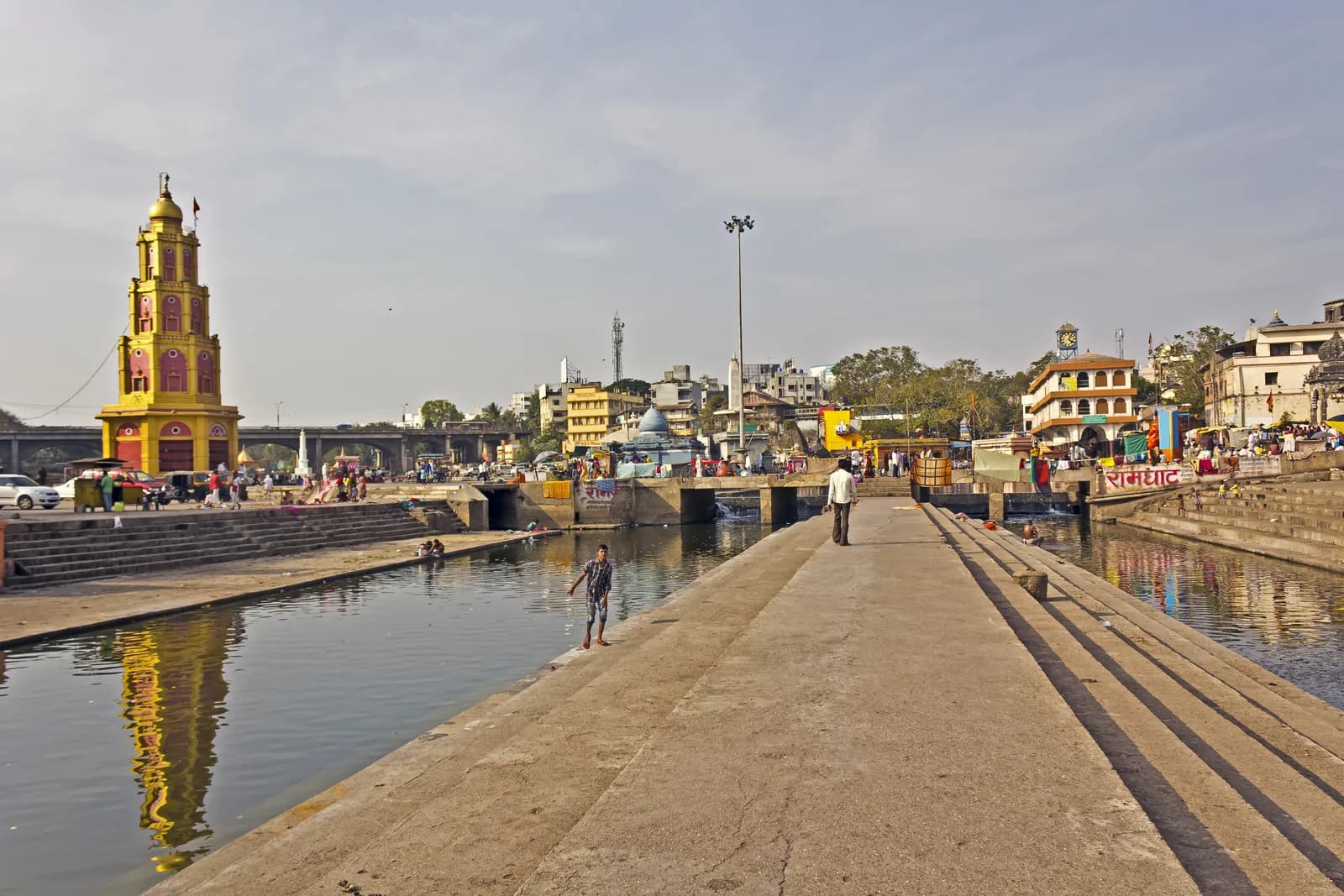
- Kalaram Temple, the black-stone shrine of Ram on the site of the forest abode
- Sita Gufa, the cave from which Sita was carried off after the golden-deer deceptionby tradition
- Ram Kund, the Godavari tank where Ram bathed and performed his father’s rites
- Tapovan, where Lakshman cut off Surpanakha’s nose
- Sundarnarayan (Gora Ram), the Vishnu temple locally called the fair Ram, a counterpart to Kalaramby tradition
- Kapaleshwar Mahadev, the Shiva temple by Ram Kund with no Nandi before the linga
- Trimbakeshwar Jyotirlinga, one of the twelve Jyotirlingas at the source of the Godavari
- Anjaneri, a hill near Trimbak revered by one tradition as Hanuman’s birthplaceby tradition
- Sarvatirtha Jatayu Temple, Taked, where Jatayu fell fighting Ravana and Ram gave him his last ritesby tradition
Hampi / Kishkindha
Kishkindha KandaThe vanara kingdom where Ram met Hanuman, Sugriva and Shabari.
- Anjanadri Hill, revered as Hanuman’s birthplace, a hilltop shrine of many steps, a claim shared with Tirumalaby tradition
- Pampa Sarovar, the lake where Shabari offered Ram her berries, with her cave nearbyby tradition
- Rishyamukha Hill, Sugriva’s refuge where Vali could not set foot, with Matanga Hill aboveby tradition
- Sugriva’s Cave, where Sita’s fallen jewels were kept, its rock marks read as her sareeby tradition
- Kodandarama Temple, the riverside temple of Sugriva’s coronationby tradition
- Malyavanta Raghunatha Temple, where Ram waited out the monsoon before the march on Lankaby tradition
- Anegundi & Chintamani, the older Kishkindha, where tradition marks the slaying of Valiby tradition
- Hampi heritage: Virupaksha, Vijaya Vittala, Lotus Mahal, the UNESCO Vijayanagara temples layered over the sacred ground
Srisailam
Jyotirlinga & Shakti PeethA Jyotirlinga and a Shakti Peeth on one hill, linked by tradition to Ram.
- Mallikarjuna Jyotirlinga, the second of the twelve Jyotirlingas
- Bhramaramba Devi, one of the eighteen great Shakti Peethas, in the same complex
- Sahasralinga, a linga of a thousand lingas said to be consecrated by Ram himselfby tradition
- Sakshi Ganapati, the Ganesha who keeps the record of each pilgrim’s visitby tradition
- Pathala Ganga, the Krishna river ghat far below the temple
Tirupati / Tirumala
Devotion of HanumanBalaji darshan, and Tirumala's own claim as Hanuman's birthplace.
- Sri Venkateswara (Balaji) Temple, one of the most visited and revered shrines in the world
- Japali Anjaneya, the Hanuman shrine that TTD declared Anjanadri, Hanuman’s birthplace, in 2021by tradition
- Sri Padmavathi Temple, Tiruchanur, the goddess seen together with Balaji
- Silathoranam, a natural rock arch, a notified geo-heritage monument
Kanchipuram
Aranya KandaWhere Ram grieved and gave the last rites to Jatayu.
- Thiruputkuzhi, where Ram performed Jatayu’s funeral rites, the deity shown cradling the vulture king
- Kamakshi Amman, one of the principal Shakti Peethas
- Kodanda Rama shrine, Ram bearing his bow, Kodandaby tradition
- Ekambareswarar, the earth-element Shiva temple where Kamakshi worshipped a sand linga
- Ashtabhuja Perumal, a Vishnu Divya Desam of the temple city
Rameshwaram & the Setu Coast
Yuddha KandaThe launch-point of the Lanka campaign, the climax of the yatra.
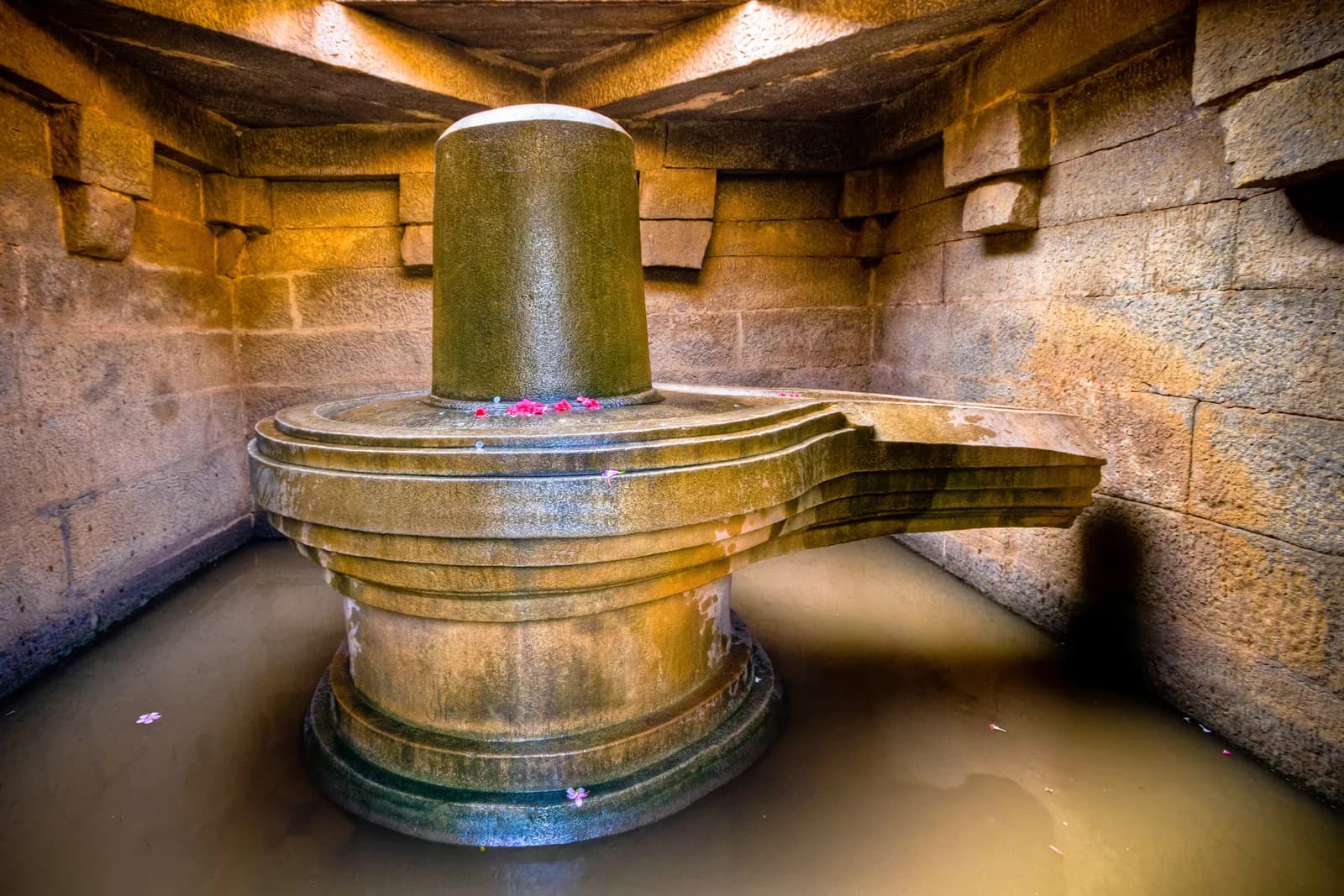
- Ramanathaswamy Temple, the Jyotirlinga Ram installed to atone, with the longest temple corridors in India and the 22 theerthams
- Agni Theertham, the sea shore where pilgrims bathe before darshan
- Gandhamadhana Parvatam, the island’s high point with Ram’s footprint, from where the crossing was surveyedby tradition
- Kothandaramaswamy Temple, Dhanushkodi, where Vibhishana surrendered to Ram
- Dhanushkodi, the tip where Ram broke the Setu with his bow, and the shoals of Ram Setu begin
- Panchamukhi Hanuman, the five-faced Hanuman with the floating stones of the Setu
- Villoondi Tirtha, the sea-set spring where Ram is said to have drawn sweet water for Sita
- Devipattinam (Navapashanam), where Ram set nine stones for the Navagrahas before the crossingby tradition
- Thiruppullani (Darbhasayanam), where Ram lay on darbha grass praying to the sea god
Sri Lanka Finale
Sundara & Yuddha KandaFor those who complete the arc, the island of Lanka itself.
- Sita Amman Temple & Ashok Vatika (Hakgala), the grove where Hanuman found Sitaby tradition
- Divurumpola, revered as the site of the Agni Parikshaby tradition
- Ravana Falls & Cave, Ella, linked by folklore to Sita’s captivityby tradition
- Kelaniya Raja Maha Vihara, where Vibhishana was crowned king of Lankaby tradition
- Rumassala, held to be a fragment of the Sanjeevani mountain Hanuman carriedby tradition
- Sita Kotuwa, the first place Sita was held before the Ashok Vatikaby tradition
 © Bambam Kumar Jha | Dreamstime.com
Every yatra ends in one moment, standing before Him.
भए प्रगट कृपाला दीनदयाला कौसल्या हितकारी।
हरषित महतारी मुनि मन हारी अद्भुत रूप बिचारी॥
रामचरितमानस · बालकाण्ड, दोहा १९१ का छंद
On the ninth day of Chaitra the All-Merciful became manifest before Mata Kaushalya, and beholding that wondrous form the mother was filled with rapture. On Day 8 of this yatra you stand at that very Janmabhoomi for darshan of Ram Lalla, and every mile you have walked from Chandkhuri leads to this.
The pilgrimage no other operator offers
Most Ramayana tour packages stop at three or four temples. We follow the entire epic across the subcontinent, researched, routed and curated to the last detail.
Beginning to End
Mata Kaushalya's birthplace and Sita's Mithila to Rama's Sahasralinga at Srisailam, the full arc, not a fragment.
Pure-Veg & Sattvic
Every meal favours pure-vegetarian, often no-onion-garlic kitchens fit for Ram Bhakts.
Honestly Reviewed Stays
Hotels shortlisted from real TripAdvisor & Google ratings, never overstated.
India & Abroad
Seamless for NRIs and overseas devotees, airport-to-airport coordination and 24x7 support.
Ramayana Tour Package itinerary, your day-by-day darshan
The full itinerary of the Ramayana tour package, 24 days across India, with the optional 5-night Sri Lanka extension as Days 25 to 29. Tap any day to expand. Each leads with its signature moment, and shows exactly how you travel, by road, rail or air.
Day 1Stand at the World's Only Mata Kaushalya Temple📍 Chandkhuri & Raipur
Your yatra begins where the Lord's own story begins, in his mother's land. Chhattisgarh is honoured as the nanihaal of Shri Ram, the maternal home of Mata Kaushalya, and you land at Raipur to reach it. A short drive brings you to Chandkhuri, where the Kaushalya Mata temple stands on an island in a wide old pond ringed by smaller tanks.
People here will tell you it is the only temple in the world where Kaushalya holds the infant Ram on her lap, and standing before it you feel the epic open at its first page. If time allows you also see Turturiya, held in local tradition to be linked with the Valmiki ashram and with Luv and Kush. In the evening you sit down to a real Chhattisgarhi thali at Gadh Kalewa in Raipur.
Day 2Sunset at Chitrakote, the Widest Falls in India📍 Raipur to Bastar
Today you travel south into the old Dandakaranya, an honest but rewarding road day, so you start early. On the way you stop at Rajim, the Prayag of Chhattisgarh, where the Kuleshwar Mahadev linga stands on an island at the meeting of three rivers and the ancient Rajiv Lochan temple keeps its Vishnu.
A little further at Sihawa you reach the ashram of Sage Shringi, remembered as the rishi whose yajna for King Dasharath brought about the birth of Ram, so in a sense the whole story is set in motion here. You reach Chitrakote for sunset, where the Indravati falls in a wide horseshoe, the broadest waterfall in the country, misted with spray in the low light. You rest tonight at the Chhattisgarh Tourism resort by the falls.
Day 3Darshan at the Danteshwari Shakti Peeth📍 Bastar (Chitrakote to Jagdalpur)
This morning you go deeper into Bastar along the main highway, in daylight and with a local guide. You stop at Narayanpal to see its tall eleventh-century Vishnu temple by the Indravati, then drive on to Dantewada for darshan of Maa Danteshwari, revered as one of the Shakti Peethas where a tooth of Sati is said to have fallen, and the family goddess of the old Bastar kings.
Please carry modest, traditional dress, since the shrine keeps old customs of entry. You return to Jagdalpur for the night. Bastar is a green, gentle country of forests and rivers, and travelling its main routes by day, with our ground team, is safe and calm.
Day 4Into the Maikal Hills to the Source of the Narmada📍 Bastar to Amarkantak
Today is a repositioning day that lifts you from the Bastar forests up onto the cool Maikal plateau. Where the schedule allows you take the short Alliance Air flight from Jagdalpur to Raipur, which runs on Monday, Wednesday and Friday, and otherwise a comfortable road transfer, then continue to Amarkantak. Amarkantak is revered as Tirthraj, the king of tirthas, for it is the sacred birthplace of the Narmada.
At the small Narmada Udgam kund you watch the great river begin as a quiet trickle, and close by at Sonmuda the Son river starts its own journey the other way. This is high, forested, sattvic country, the kind of tapovan land the exile years were spent in, and it settles you for the forest chapters ahead.
Day 5Cross to the Mandakini by Way of Sutikshna's Ashram📍 Amarkantak to Satna
This is an honest driving day, and you plan it gently. The road from Amarkantak down to Satna runs about 315 kilometres, and on the way you pause at the ashram remembered as that of Sage Sutikshna, the devoted disciple of Agastya who, in the forest chapters, waited in penance for the Lord and welcomed Ram, Sita and Lakshman before sending them onward.
You base tonight at Satna, the comfortable railhead town that is the gateway to Chitrakoot. Keep the day easy, break once for tea, and reach Satna in good time to rest, because tomorrow at Chitrakoot is one of the fullest and most beautiful days of the whole yatra.
Day 6Walk the Kamadgiri Parikrama at Chitrakoot📍 Satna to Chitrakoot
Chitrakoot is where the exile settled and where the Ramayana's most tender scene took place, and you give it a full day. Begin at Ram Ghat on the Mandakini, then walk the Kamadgiri parikrama, the flat, shrine-lined circuit of the low hill that devotees revere as Ram himself. At Bharat Milap, tradition holds, Bharat found Ram and begged him to return, then carried his paduka back to rule Ayodhya in his name, and the small temple that marks it moves many pilgrims to tears.
Give the afternoon to Gupt Godavari, where a hidden stream runs through a cave you wade into, to the riverside ashram of Sati Anasuya, and to Hanuman Dhara and Sphatik Shila on the wooded slopes. Eat sattvic at the ISKCON kitchen and try the local malpua. Please note this is the Chitrakoot pilgrimage town of Uttar Pradesh, quite distinct from Bastar's Chitrakote falls.
Day 7Relive the Kevat Prasang on the Ganga📍 Chitrakoot to Prayagraj
You follow the exile route today, driving about 135 kilometres up to Prayagraj and out to Shringverpur on its edge. Shringverpur was the kingdom of Nishadraj Guha, the boatman king, and here the beloved Kevat prasang is remembered, the ferryman who first washed those holy feet before he would row Ram across the Ganga. The riverside ghat and the new Nishadraj park, with its tall statue of Ram embracing Guha, tell the story well.
In Prayagraj you visit Bharadwaj Ashram, where the sage guided the family toward Chitrakoot, the reclining Bade Hanuman near the fort, and the Triveni Sangam, the meeting of Ganga, Yamuna and the unseen Saraswati where Ram bathed on his way to the forest. Eat a classic Prayagraj thali at an old institution like Netram Mool Chand, and carry back some Allahabadi peda.
Day 8Darshan of Ram Lalla at the Ram Janmabhoomi📍 Prayagraj to Ayodhya
Today you reach the heart of the whole yatra, the Ram Janmabhoomi itself. You drive from Prayagraj to Ayodhya, about 165 kilometres, and give the day to the city of Shri Ram. Take darshan of Ram Lalla at the grand Ram Mandir, then climb the seventy-six steps to Hanuman Garhi, where devotees hold that you greet Hanuman before you meet Ram.
See Kanak Bhawan, the temple on the site of Sita's golden palace, and the ancient Nageshwarnath, said to have been established by Ram's son Kush. Keep the evening free for the Saryu aarti, when rows of lamps are floated on the river and the ghats fill with the sound of bells. Darshan queues can be long and moving, especially near Ram Navami, so we time your visits with care. Eat simply and carry home some malai peda as prasad.
Day 9Bharat's Paduka Throne, then Naimisharanya📍 Ayodhya to Lucknow
This morning you see the quieter, deeper Ayodhya. At Nandigram, a short drive from the city, Bharat ruled for fourteen years as a hermit with Ram's padukas on the throne, an emblem of selfless love, and at Guptar Ghat on the Saryu tradition holds that Ram left this world.
Then you travel west toward Lucknow, stopping at Naimisharanya, the Puranic forest where, it is said, eighty-eight thousand rishis gathered and the sage Suta first narrated the sacred stories, the Ramayana among them. You take darshan at the round Chakra Tirtha kund, the Vyas Gaddi seat of narration, and the Lalita Devi Shakti Peeth, before reaching Lucknow for the night and the flight east tomorrow.
Day 10Touch the Stone Where Ram Redeemed Ahalya📍 Fly to Darbhanga (Mithila)
Today you enter Mithila, the land of Mata Sita. You fly from Lucknow to Darbhanga, connecting through Delhi, and reach the Mithila plains by afternoon. Your first darshan is at Ahilya Sthan near Kamtaul, held to be the hermitage of Sage Gautam, where the touch of Ram's feet freed Ahalya from the curse that had turned her to stone.
It is one of the epic's gentlest images of grace, and the first station on the old Ram-Janaki Path that the boy princes walked with their guru Vishwamitra toward Janaka's court. This is quiet, rural, deeply devotional country, far from the crowds. You rest tonight at Darbhanga. Try the famous Mithila makhana kheer and thekua when you arrive.
Day 11Up the East Arm to Janakpur's Evening Aarti📍 Darbhanga to Janakpur, Nepal
Today you follow the young Ram's own road to Mithila, up the east arm of the Ram-Janaki Path and across the border into Nepal. At Pandaul you see Sarisav Pahi, where tradition says Ram bathed on the way to Janakpur, and near Madhubani the Girija temple, where Sita prayed to the Goddess and where, by the Ramcharitmanas, she and Ram first saw one another in King Janaka's flower garden at Phulhar.
You pass the ashram of Vishwamitra, then cross at Jaynagar into Nepal to reach Janakpur. Please carry your passport, and for OCI and overseas pilgrims a Nepal visa arranged in advance, since the OCI card gives no benefit here. You reach Janakpur in time for the evening aarti at the Janaki Mandir, a fitting welcome to the marriage city.
Day 12The Marriage City of Ram and Sita📍 Janakpurdham
You give the whole day to Janakpurdham, the capital of King Janaka and the birthplace of Sita. At its heart is the Janaki Mandir, a vast three-storey temple of white marble, the largest in Nepal, raised on the spot where tradition says Sita was born and grew up. Close by is the Vivah Mandap, the pavilion that marks the marriage of Ram and Sita, and the old Ram Mandir beside the sacred tank.
You bathe or offer at the twin ponds of Ganga Sagar and Dhanush Sagar, and drive out about fifteen kilometres to Dhanushadham, where a fossil-like fragment is revered as a piece of Shiva's bow, broken by Ram at the swayamvara. Move slowly today, for this is the emotional centre of Sita's story, and the whole town lives and breathes her wedding.
Day 13Sita's Birthplace at Punaura Dham📍 Janakpur to Sitamarhi, fly out of Patna
This is a gentle, moving day that completes Sita's story from marriage back to birth. You leave Nepal by the Bhitthamore crossing and reach Sitamarhi, where at Punaura Dham, King Janaka is believed to have found the infant Sita in a furrow as he ploughed a barren field for a yajna to bring rain.
You take darshan at the Janaki Janmasthan and the sacred Sita Kund, the quiet heart of the whole Mithila leg. Then you drive on to Patna, reaching by mid-afternoon, and in the evening take the reliable non-stop flight from Patna to Navi Mumbai. We route the exit this way on purpose, because Darbhanga's Mumbai flights are unreliable for a group, and Patna's evening service is dependable.
Day 14Stand at the Sita Gufa Where Sorrow Began📍 Navi Mumbai to Nashik (Panchavati)
Today you cross to the Deccan and the Godavari, driving from Navi Mumbai up to Nashik, and give the day to Panchavati, the grove of five banyans where the epic turns. Start at the Sita Gufa, the small cave from which, tradition says, Sita was carried off after the golden-deer deception, and at Tapovan close by, where Lakshman cut off Surpanakha's nose and the trouble with Ravana began.
Bathe your eyes at Ram Kund on the Godavari, where families still bring the ashes of the departed, then take darshan at the black-stone Kalaram temple, the forest abode of Ram. If time allows, drive to Trimbakeshwar, one of the twelve Jyotirlingas at the true source of the Godavari, and to Taked, remembered as the place where the vulture king Jatayu fell defending Sita and received Ram's last rites.
Day 15To the Gateway of Kishkindha📍 Nashik to Hubballi
Today is an easy bridging day toward the vanara country. You keep your Nashik morning, then take the good road down to Mumbai, about three and a half hours, for the evening flight to Hubballi. We route it this way on purpose.
The Mumbai to Hubballi flight runs in the evening, so rather than push on a long night drive to Hampi, you land and rest at Hubballi and reach the boulder country fresh the next morning. Keep today light and unhurried, a gentle pause between the forest chapters and the Kishkindha Kanda that begins tomorrow. You rest tonight at Hubballi.
Day 16Climb Anjanadri, Birthplace of Hanuman📍 Hubballi to Hampi (Kishkindha, Day 1)
After an early breakfast you drive into the boulder country of Kishkindha and give the day to its Ramayana places. Climb Anjanadri Hill in the cool of the morning, revered as the birthplace of Hanuman, a climb of some five hundred and fifty stone steps, so start before the sun is high and carry water. From the top the whole vanara country opens around you.
Come down to Pampa Sarovar, the lotus-covered tank where, tradition says, Shabari offered Ram the berries she had first tasted, with her cave shrine close by, and see Rishyamukha across the river, where Ram first met Sugriva and Hanuman. At the Kodandarama temple on the Tungabhadra you stand where Sugriva was crowned, and at Sugriva's cave you see the marks tradition reads as Sita's falling jewels. You rest tonight at Hampi or Hospet.
Day 17Among the Great Temples of Hampi📍 Hampi (Kishkindha, Day 2)
You have a second, unhurried day at Hampi, a place like nowhere else, where a great vanished empire raised its temples among the same boulders the epic calls Kishkindha. At the Malyavanta Raghunatha temple you stand where Ram and Lakshman are said to have waited out the monsoon before the march on Lanka.
Then give the day to the living Virupaksha temple, still in daily worship since ancient times, the stone chariot and musical pillars of the Vijaya Vittala temple, the graceful Lotus Mahal and the elephant stables, and the early shrines of Hemakuta hill. These are honoured heritage monuments of Vijayanagara, a UNESCO World Heritage Site, layered over the sacred ground of Kishkindha. In the evening you drive back to Hubballi to be ready for the morning flight.
Day 18Through the Nallamala to Mallikarjuna📍 Fly Hubballi to Hyderabad, road to Srisailam
This morning you fly from Hubballi to Hyderabad and drive on into the Nallamala forest to Srisailam, timing the run to reach before dusk, since the forest road through the tiger country closes to traffic at night. Srisailam is rare among Indian temples, for it is at once the second of the twelve Jyotirlingas, as Mallikarjuna, and one of the eighteen great Shakti Peethas, as Bhramaramba, so Shiva and the Goddess are worshipped together on the same hill.
On the way in many pilgrims first visit Sakshi Ganapati, where tradition says Ganesha keeps the record of who has come for darshan. You reach in good time for an unhurried evening darshan, and stay the night by the temple.
Day 19The Sahasralinga Ram Consecrated, then Tirupati📍 Srisailam to Tirupati
Give the morning to the rest of Srisailam. Step down to Pathala Ganga, the Krishna river far below the temple, reached by a long stair or the ropeway, where pilgrims bathe in the fast green water, and seek out the Sahasralinga, the linga carved with a thousand small lingas that tradition says Ram himself consecrated here, a quiet link between this Shiva hill and the sand lingam you will honour at Rameshwaram.
Then you drive back through the forest in daylight to Hyderabad and take the evening flight to Tirupati. It is a travel-heavy day, so keep it calm and let the darshan of the morning stay with you. You reach Tirupati at night and rest for the hill tomorrow.
Day 20Darshan of Balaji at Tirumala📍 Tirupati / Tirumala
Today you go up the hill to Tirumala for the darshan that millions save a lifetime for, Lord Venkateswara, Balaji himself. Because the queues here are famous, we help you plan the darshan in advance, so your time is spent in devotion rather than in line, and please carry the dress and documents the temple asks for.
Make time for Japali Anjaneya, the Hanuman shrine by a stream where, on Ram Navami of 2021, the Tirumala Devasthanam declared Anjanadri to be Hanuman's birthplace, the second sacred hill to hold that claim after Hampi, and this yatra honours both with an open heart. At the foot of the hill, take darshan of Goddess Padmavathi at Tiruchanur, whom pilgrims see together with Balaji. Do not leave without the famous Tirupati laddu.
Day 21Honour Jatayu, Where Ram Grieved for a Friend📍 Tirupati to Kanchipuram
Leave Tirupati after breakfast and drive about a hundred and ten kilometres to Kanchipuram, the city of a thousand temples. On the way you stop at Thiruputkuzhi, one of the most touching places on the whole trail. Here, tradition holds, Shri Ram performed the last rites of Jatayu, the old vulture king who gave his life trying to stop Ravana from carrying Sita away, and the deity is shown holding Jatayu on his lap, a rare image of the Lord grieving for a bird who died for him.
In Kanchipuram you take darshan at the Kamakshi Amman temple, one of the great Shakti Peethas, and at the Vishnu shrines the town is known for, among them Ashtabhuja Perumal and the Kodanda Rama temple. Try the famous Kanchipuram idli, which began as temple prasadam.
Day 22Cross the New Pamban Bridge to Rama's Island📍 Kanchipuram to Rameshwaram
Today you travel south to the island from which Ram crossed the sea. From Kanchipuram you reach Chennai for the flight to Madurai, then drive onto Rameshwaram island. On the way you can stop at Devipattinam, where tradition says Ram set up nine stones, the Navapashanam, to worship the nine planets before the war, and at Thiruppullani, the Adi Jagannatha temple where he lay on a bed of darbha grass for three days praying to the sea god to allow the crossing.
The approach itself stays with you, for the new Pamban bridge, India's first vertical-lift sea bridge, opened on Ram Navami of 2025, curves across the water beside the old rail bridge, and you cross onto the island with the sea on both sides. You reach Rameshwaram in the evening and rest.
Day 23Worship the Sand-Lingam Ram Consecrated📍 Rameshwaram
Rameshwaram is the great southern threshold of the Ramayana, and you give the day to it. Begin at the Ramanathaswamy temple, whose corridors are the longest of any temple in India, and take darshan of the lingam that, tradition holds, Ram fashioned from sand and worshipped before crossing to Lanka, so that Shiva's blessing would go with him.
Many pilgrims first bathe at Agni Theertham, the sea shore beside the temple, and at the sacred wells, the twenty-two theerthams, within; the temple staff guide the bath. In the afternoon drive out to wind-swept Dhanushkodi at the very tip of the island, to the Kothandaramaswamy temple where Vibhishana surrendered to Ram, the Rama Padam footprint shrine, and the five-faced Panchamukhi Hanuman with its floating stones. Stand where the land runs out and the Rama Setu began, and the story feels very close.
Day 24The Journey Ends on Its Climax at Madurai📍 Rameshwaram to Madurai, depart
On your last day in India you drive from Rameshwaram to Madurai, about a hundred and seventy-five kilometres, and if time allows take darshan at the great Meenakshi Amman temple, one of the finest in the south, with its tall painted gopurams.
From Madurai you fly home, carrying the darshan of every place with you, from Mata Kaushalya's Chandkhuri and Sita's Mithila, through Ayodhya, Chitrakoot, Panchavati and Kishkindha, down to Rameshwaram where Ram crossed the sea. Few pilgrims ever join the two ends of the story as you now have. For those who wish to walk the whole arc, the optional Sri Lanka finale continues from here to the island of Lanka itself. Yatra sampoorna, or the crossing to Lanka begins.
Day 25Sri Lanka Extension: Fly to the Island of Lanka📍 Madurai to Colombo to Kandy
The optional Sri Lanka chapter takes you across the Palk Strait to the Lanka of the epic. You fly to Colombo and, on arrival, visit the Kelaniya Raja Maha Vihara near the city, where tradition holds that Vibhishana, Ravana's brother, was crowned king of Lanka after the war.
From Colombo you drive up into the hill country to Kandy for the night, a cool green town around its lake and the famous temple of the sacred tooth. Today is mostly travel, so keep it easy. Sri Lanka is comfortable for Indian pilgrims, and pure-vegetarian food is easy to find. Rest in Kandy, because the Sundara Kanda places begin tomorrow.
Day 26Ashok Vatika, Where Hanuman Found Sita📍 Kandy to Nuwara Eliya
Today the Sundara Kanda comes alive. You drive from Kandy up into the tea hills to Seetha Eliya, near Nuwara Eliya, to the Sita Amman temple that stands by a mountain stream where, tradition holds, Sita was kept in the Ashok Vatika and prayed for Ram. On the rocks across the stream, local belief points to marks said to be the footprints of Hanuman.
Close by are the Hakgala gardens, revered as the site of that Ashok Vatika, the grove where Hanuman at last found Sita and gave her Ram's ring. This is cool, misty, high country wrapped in tea gardens, so carry a light layer. Move gently and give the temple time, for many pilgrims this is the emotional heart of the Lanka chapter.
Day 27Ravana's Falls and the Agni Pariksha Ground📍 Nuwara Eliya to Ella
You come down toward Ella today, following more of the Lanka tradition. Near Ella you see the Ravana Falls, a wide cascade beside the road, and above it the Ravana cave in the hillside, which local belief links to the places Sita was held.
On the way you can stop at Divurumpola, a quiet old temple whose name means the place of the oath, where tradition holds that Sita underwent the Agni Pariksha, the trial by fire, after the war, and where solemn oaths are still taken. The scenery today is some of the loveliest of the whole trip, green valleys and waterfalls and railway bridges in the hills. Keep the pace relaxed and let the country unfold.
Day 28Sita Kotuwa and Across the Island📍 Ella to Colombo
Today you visit the last of the Lanka places and cross back to the coast. Near Gurulupotha you come to Sita Kotuwa, whose name means Sita's fort, held by tradition to be the first place Ravana kept Sita after bringing her to Lanka, before she was moved to the Ashok Vatika. The ruins sit in green forest country and carry a quiet, old feeling.
From here you make the long and scenic drive down out of the hills and across the island to Colombo, watching the highlands give way to the plains and the sea. It is mainly a travel day, so settle in and enjoy the changing land. You reach Colombo in the evening for your last night.
Day 29Carry the Complete Blessing Home📍 Colombo to Depart
Your yatra is complete. Over these days you have walked the whole living geography of the Ramayana, from Mata Kaushalya's Chandkhuri and Sita's Mithila, through Ayodhya, Chitrakoot, Panchavati and Kishkindha, down to Rameshwaram, and across the sea to the Lanka of Hanuman and the Ashok Vatika.
Few pilgrims ever join the two ends of the story as you now have. This morning, depending on your flight, you may have a little time in Colombo before you go to the airport to fly home, carrying the darshan of every place with you. We wish you a safe journey, and hope the yatra stays with you long after you are back. Yatra sampoorna.
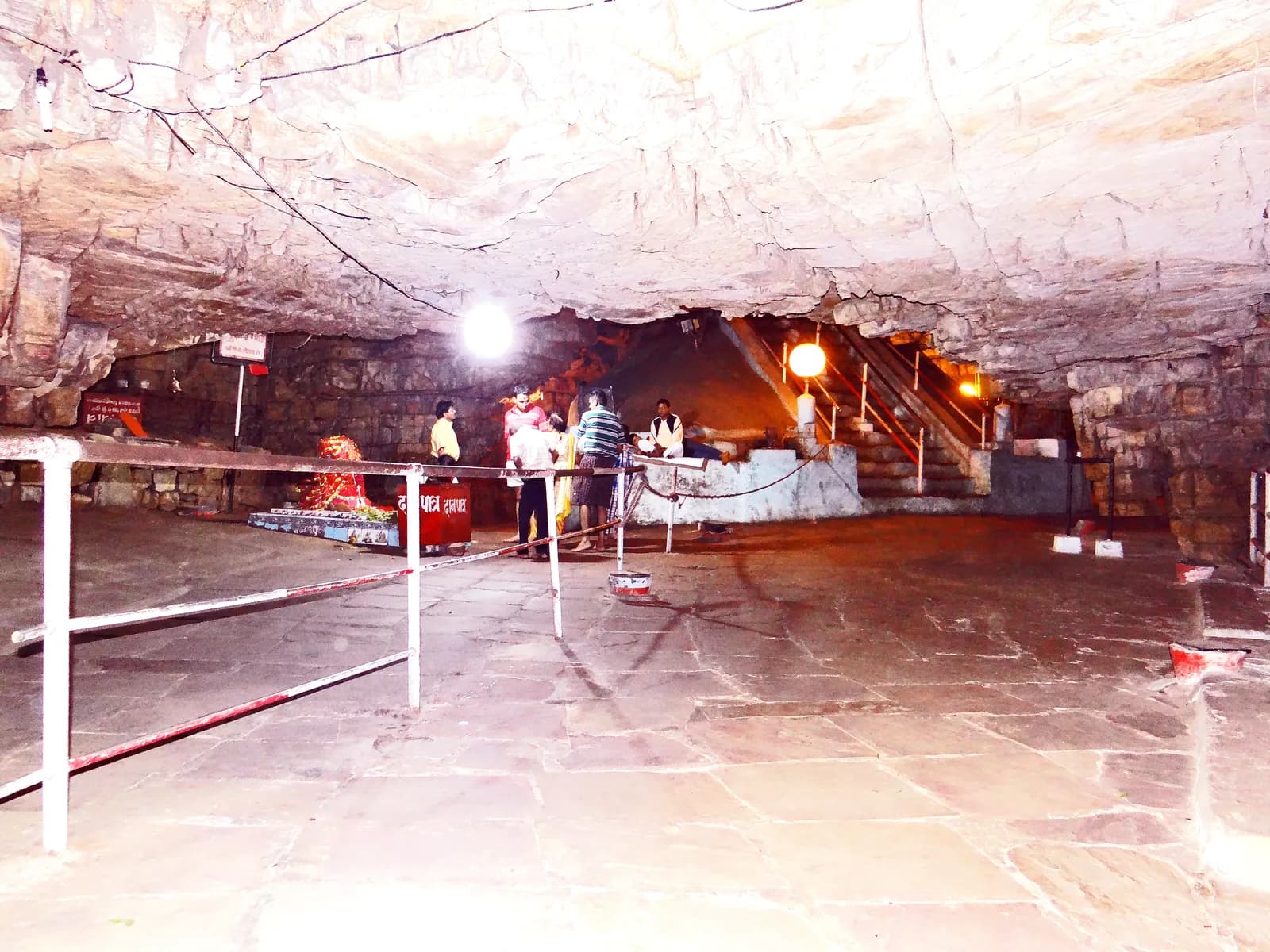
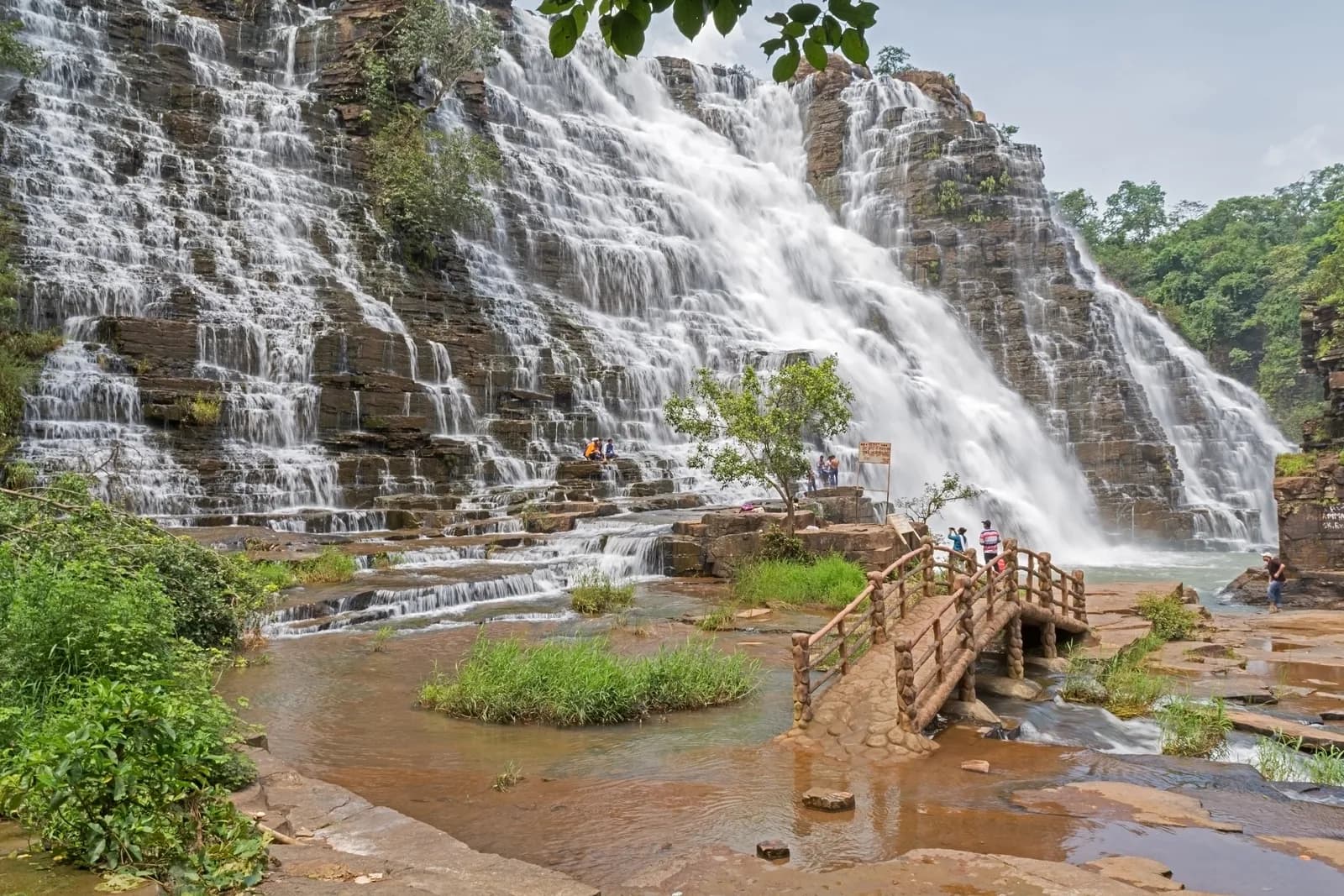
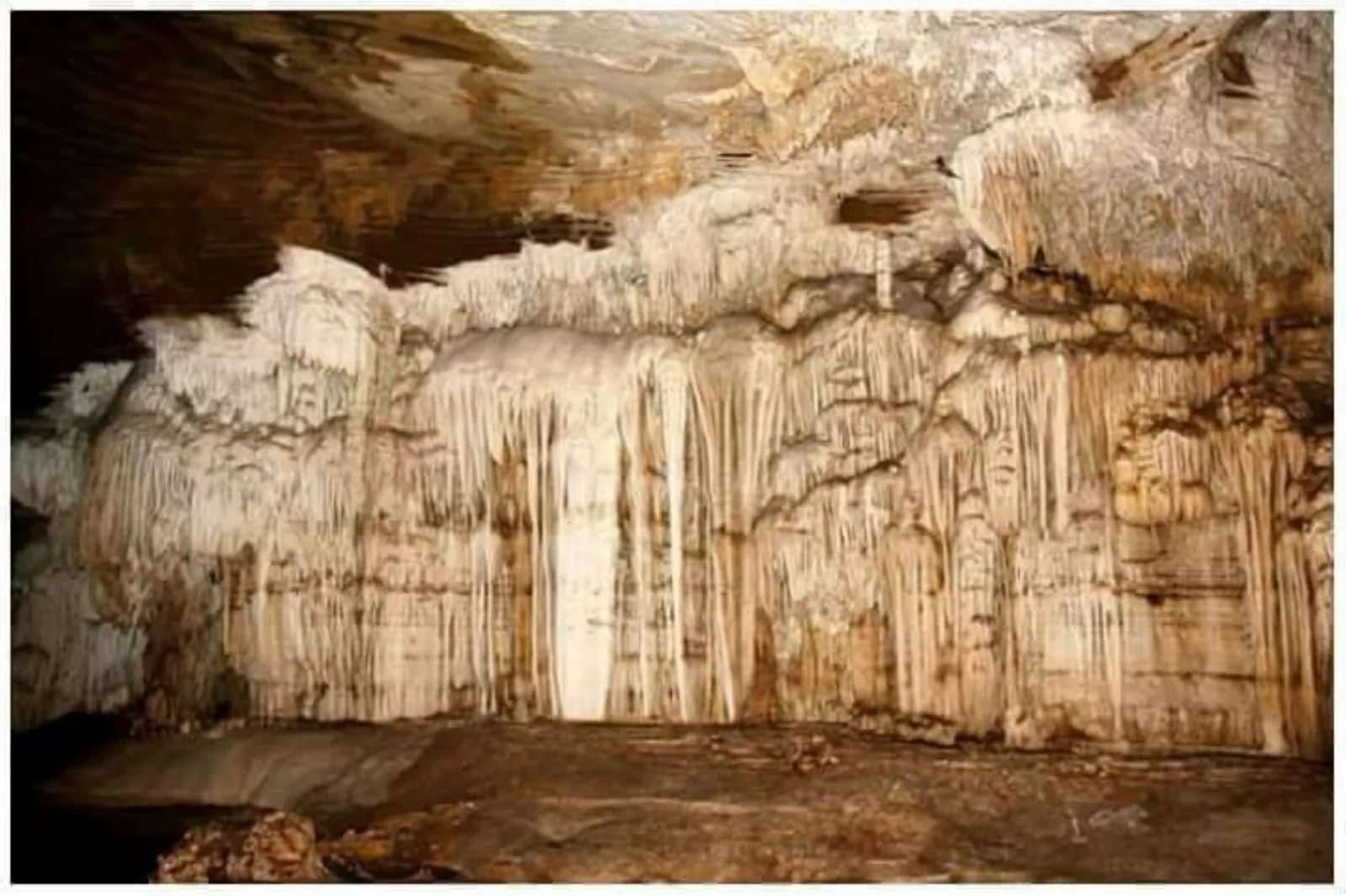
Photographs from the Ramayana trail
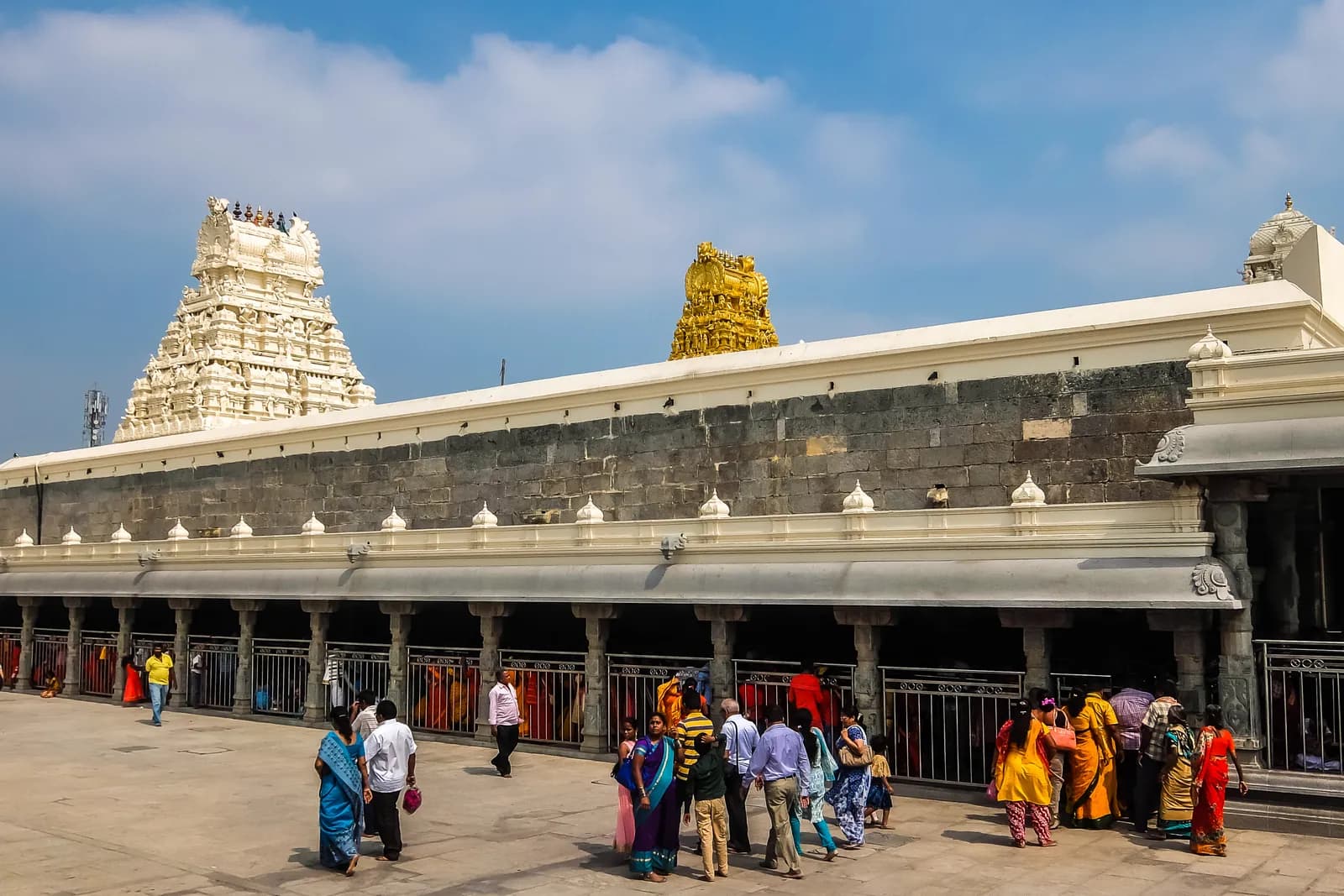
Real places along this Ramayana tour package, from the forests, caves and waterfalls of Bastar to the great temples of the south. Tap any photograph to view it larger.
Two ways to cross the Palk Strait, both real, both bookable
The Ramayana does not end at Rameshwaram, and neither does this yatra. You can cross to Sri Lanka from the very shore where Ram crossed, or you can walk the whole of India first and cross at the end. We run both. Every flight named here is a scheduled service, not an estimate.
You cross to Lanka from the shore Ram crossed from.
This is the crossing we recommend to devotees. You have just stood at Dhanushkodi, where the Rama Setu began and where the vanara army built the bridge. Rather than travel far to fly out, you cross from close by: Rameshwaram to Madurai by road with Meenakshi darshan on the way, Madurai to Chennai, and Chennai to Colombo the same evening. The Sundara Kanda begins the morning after you land.
- Rameshwaram to Madurai, about 174 km by road, with Meenakshi darshan
- Madurai to Chennai, frequent daily flights
- Chennai to Colombo, several departures every day
You complete the mainland yatra, then cross.
Choose this if you want the full Ram Van Gaman Path finished on Indian soil, ending at Madurai and the great Meenakshi temple, before you set foot in Lanka. From Madurai you fly to Colombo, connecting through Chennai, and cross to the island the next day to begin the Sundara Kanda.
- Rameshwaram to Madurai, about 174 km by road
- Madurai to Colombo, via Chennai, daily
- Arrive Colombo, the Ramayana trail begins
Schedules shown are the DGCA approved summer season, valid to 24 October 2026. For departures after that date we re-confirm every sector against the winter schedule before we quote you.
Hand-picked, genuinely well-reviewed stays
Every stay is shortlisted from genuinely well-reviewed properties in each city. Metros offer the full 3★ to 5★ range; in pilgrimage towns the best available is a clean, well-run property, shown honestly below. Exact hotel names are shared in your personalised quotation.
| City | Hotel categories available | What to expect |
|---|---|---|
| Raipur | 3★, 4★, 5★ available | Full range including business 5★ |
| Chitrakote (Bastar) | Tourism resort & 3★ | Chhattisgarh Tourism resort by the falls |
| Jagdalpur (Bastar) | 3★ & jungle resorts | Clean, well-run 3★; best available |
| Amarkantak | Best-available 3★ | State-tourism & ashram-style stays |
| Satna | Reliable 3★ | Comfortable railhead-town hotels |
| Chitrakoot | Pilgrim-grade 3★ | Riverfront & temple-town stays |
| Prayagraj | 3★ & 4★ | Good city hotels near the Sangam |
| Ayodhya | 3★ & 4★ | Premium inventory growing fast |
| Lucknow | 3★, 4★, 5★ available | Full city range |
| Darbhanga | 3★ only | Clean, well-run 3★ properties |
| Janakpur (Nepal) | 3★ pilgrim stays | Best-available near Janaki Mandir |
| Navi Mumbai | 3★, 4★, 5★ available | Airport-area hotels for the late arrival |
| Nashik | 3★, 4★, 5★ available | Full range including vineyard resorts |
| Hubballi | 3★ & 4★ | Convenient airport-city hotels |
| Hampi / Hospet | 3★ & 4★ heritage resorts | Riverside & heritage properties |
| Srisailam | Govt-grade & pilgrim 3★ | AP Tourism run, temple-walk; no 4★/5★ |
| Tirupati | 3★, 4★, 5★ available | Full range near temple & city |
| Kanchipuram | 3★ & 4★ | Clean temple-town & highway hotels |
| Rameshwaram | 3★ & 4★ | Including international 4★ chains |
| Madurai | 3★, 4★, 5★ available | Full range including heritage 5★ |
Ramayana Tour Package price, tailored to your group
Per-person guide prices for the complete 24-day Ramayana tour package. We firm these into a fixed quotation once your dates, hotels and group size are confirmed.
Couple
Family of 4
Group of 6 to 8
Group of 12 or more
Includes 23 nights of hotels with breakfast, all internal domestic flights within the tour, a private vehicle for every regional leg, transfers, sightseeing and GST. Excludes your arrival flight to Raipur, your departure from Madurai, and the Nepal visa. The optional Sri Lanka finale is quoted separately. Indicative seasonal guide prices, reconfirmed at booking.
Complete the Ramayana on the soil of Lanka
A 5-night Sri Lanka extension following the Sundara & Yuddha Kanda Sita-trail, arranged through a vetted local partner. Quoted separately on confirmation.
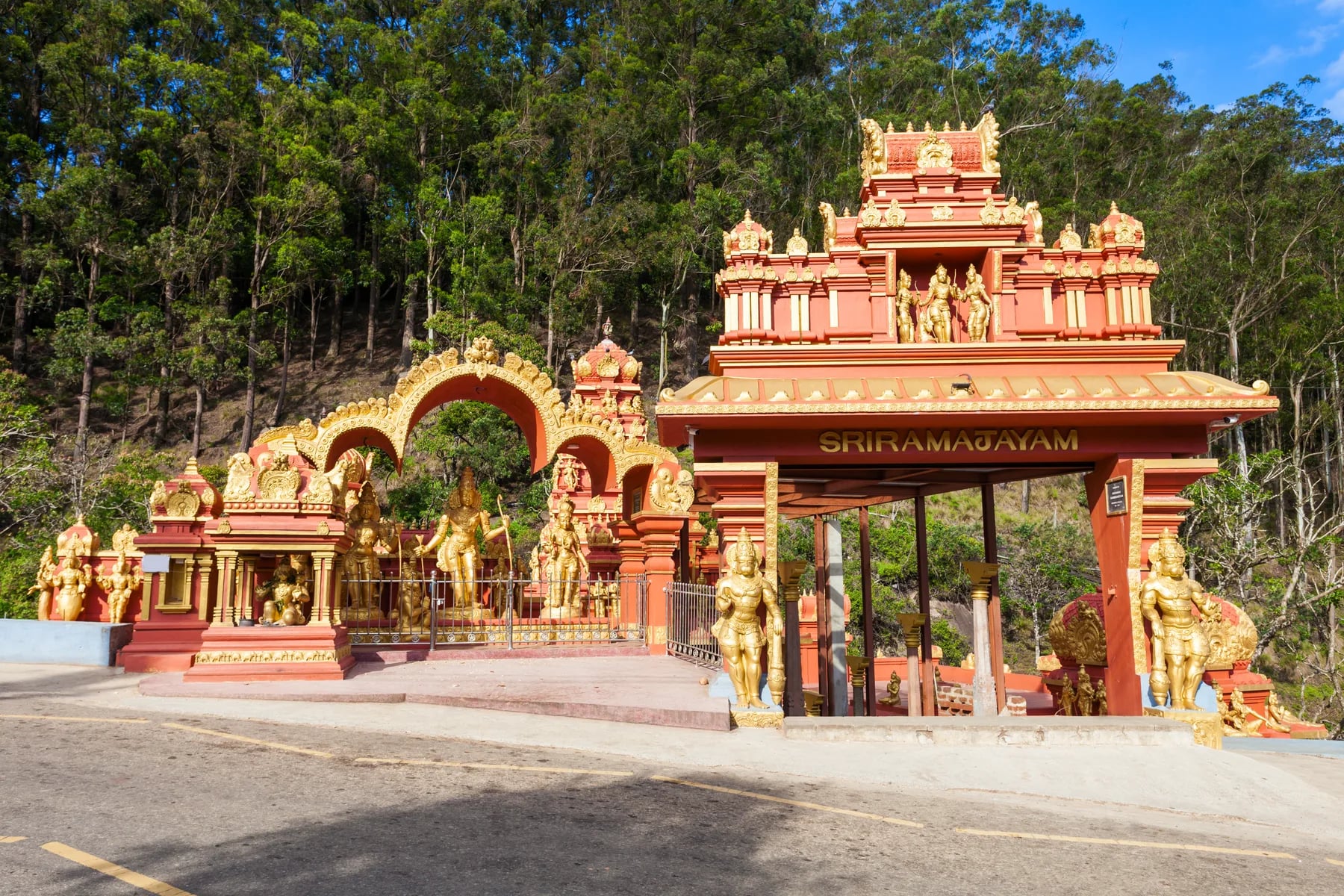
Sita Kotuwa
Ravana's early captivity of Sita, near Mahiyangana.
Ashok Vatika & Sita Amman
Where Hanuman found Sita, the revered temple at Nuwara Eliya.
Ravana Falls & Cave, Ella
Traditional sites of Sita's confinement.
Divurumpola
Where Sita is said to have undergone the Agni Pariksha.
Kandy & Kelaniya
Onward Ramayana-trail temple darshan.
Pilgrims on their Way to India journeys
Rated 4.7★ on Google across 46 reviews, here is what pilgrims say about travelling with Way to India.
“A big thanks to Way To India for organising such a truly memorable and spiritually fulfilling experience during our 12 Jyotirlinga Darshan pilgrimage from 1st May to 18th May. They organized the entire journey exceptionally well, ensuring that every aspect of the trip was smooth, comfortable, and hassle-free. From transportation and hotel arrangements to darshan planning and coordination, everything was managed professionally. Despite the extensive travel across multiple destinations, the itinerary was well-structured, allowing us to complete all the Jyotirlinga darshans comfortably. Thanks to staff of Way To India, especially, Ms Neha, who was supportive, responsive, and attentive throughout the journey, always ready to assist whenever needed. Her dedication and careful planning made this sacred pilgrimage stress-free and enjoyable. I sincerely appreciate their excellent service, commitment, and hospitality. Highly recommend Way To India to anyone planning a spiritual tour, especially for the 12 Jyotirlinga Yatra. Thank you for making this divine journey so special and memorable.”
“We have successfully completed the 12 Jyotirlinga Yatra, with Waytoindia and it was a truly blessed and unforgettable journey. Every aspect of the tour was well planned and professionally organized, from transportation and accommodations to temple visits and sightseeing. Visiting all twelve sacred Jyotirlingas was a deeply spiritual experience. The itinerary was designed efficiently, allowing us to have darshan at each shrine comfortably while enjoying the cultural and religious significance of every destination. We sincerely appreciate the excellent support and coordination throughout the trip. The team was always available to assist, ensuring a smooth and stress-free pilgrimage. Thank you Waytoindia for making our dream of completing the 12 Jyotirlinga Yatra a reality. We highly recommend this tour to anyone seeking a well-organized and spiritually enriching pilgrimage experience. Har Har Mahadev! 🙏🕉️”
“We recently entrusted our honeymoon planning to 'Way to India', and it turned out to be one of the best decisions we made. From itinerary finalization to on-ground execution, everything was handled with remarkable professionalism, warmth, and attention to detail. Every aspect of our trip — flights, hotels, transfers, experiences, and even the small thoughtful touches — was perfectly curated. The itinerary was balanced, well-planned, and tailored exactly to what we wanted. We never had to worry about a single thing; all arrangements were seamless and absolutely hassle-free. What truly stood out was their responsiveness and genuine care. They were always available, always patient, and consistently went the extra mile to ensure our journey was special. Special thanks to Neha Ma'am for planning everything. We are incredibly grateful and wholeheartedly recommend their services to anyone looking for a stress-free, personalised, and delightful travel experience. Thank you for making our honeymoon truly magical!”
“Travelling with the travel group 'Way to India' has always been an enriching experience. I have availed their services thrice and have always felt great to have associated with them. There is a certain trust factor and safety assured, so doing all women trips has also been very comfortable. I would highly recommend their professional and personal touch. My latest trip to Hyderabad and Srisailam was great right from the time of landing at Hyderabad. Thanks 'Way to India' for your care and concern.”
“We have been connected with the travel grp 'way to India' ever since they started. Each and every trip throghout was wonderful..just now we concluded our trip to hyderabad nd mallikarjuna jyotirling..such an enriching experience with complete safety as we generally travel as all women grp. We r really thankful for their concern nd care..”
Ramayana Tour Package, your questions answered
How many days is the Shri Ramayana Yatra?
Which places does the Ramayana tour package cover?
Does the yatra include both Sita’s birthplace and her marriage place?
Do we need a visa for the Nepal (Janakpur) part?
Is the Bastar (Chhattisgarh) part safe?
What is the best time for the Ramayana tour?
How much does the Ramayana tour package cost?
Is the food vegetarian?
Can I add Sri Lanka to the Ramayana yatra?
Do you arrange the Ramayana tour for NRIs and overseas pilgrims?
Is the yatra suitable for senior citizens?
Reserve your Shri Ramayana Yatra
Tell us about your group, our pilgrimage specialists craft your personalised itinerary & quotation, usually within 24 hours. Free, no-obligation, and tailored for India & overseas pilgrims alike.