4 days
3 nights
16+ yearscrafting India journeys · since 2010
Trustedby travellers worldwide
Local repsIndia + overseas support
No prepayfree customisation · GST invoice
Overview
Tour overview
Thrissur Elephant Festival Kerala Pooram, the colourful temple festival of Kerala that attracts a large crowd of natives as well as tourists, is a spectacular elephant extravaganza. This festival which originated in the small town of Thrissur known as Thrissur Pooram.
Thrissur Elephant Festival Kerala Pooram, the colorful temple festival of Kerala that attracts a large crowd of natives as well as tourists, is a spectacular elephant extravaganza.
This festival which originated in the small town of Thrissur known as Thrissur Pooram is celebrated in the month of April-May in the Thekkinkadu grounds of Vadakkunnathan temple.
Pooram literally means meeting, and it is believed locally that on this day the gods and goddesses from temples nearby arrive with their entourages on caparisoned elephants for the spectacular celebrations.
The most awaited processions are of Thiruvambadi Sri Krishna temple and also Paramekkavu Bhagavathy temple. A group of percussion artists also add gaiety to the festivities. The festival culminates with enthralling firework displays at night.
Tour highlights
Visit St. Francis Church
Visit Dutch Palace Enjoy Thrissur Elephant Festival
Day by day
Day-by-day itinerary
A carefully paced plan, day by day. Tap any day for the stay, meals and altitude detail.
Welcome on arrival at Cochin Airport/ Railway Station, meet our tour representative and transfer to the hotel.
Cochin or Kochi is located on the southwest coast of Indian Peninsula. It is also known as "Queen of the Arabian Sea" and "The Gateway to Kerala".
In the afternoon proceed for a half day tour of Cochin including Jewish Synagogue Dutch Palace, St. Francis Church, Chinese fishing nets and Bolgatty Palace.
Return back to the hotel in the evening for dinner & Overnight stay at the hotel.
After a healthy breakfast drive to Trichur to witness the famous Temple festival of India.
Thrissur Elephant festival is celebrated annually in the month of April - May as per the Malayalam Calendar.
This festival is referred to as Thrissur Pooram in Thrissur and is considered as the festival of all festivals in Kerala since there are many festivals held in Kerala where elephants are involved in ceremonies and processions but the Thrissur Pooram is held with the largest gathering of decorated elephants and a sea of humanity that descends on Thrissur.
Return back to Hotel in the evening for dinner & Overnight stay at the hotel in Cochin
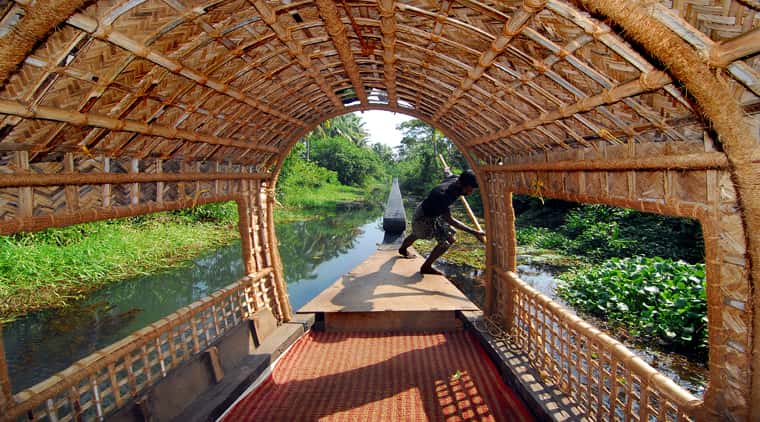
In the morning after breakfast, transfer to Houseboat in Alleppey.
Reach and settle down at houseboat.
Rest of the day free at leisure. Sit back and relax while the boat cruises through the narrow serene backwater canals. Have Lunch, Evening Tea/Coffee with snacks and enjoy your dinner & Overnight stay on the houseboat.
Enjoy leisure on House Boat experience the pollution free air and after enjoying breakfast check out from the houseboat.
Transfer on time to the Airport/Railway station at Cochin.
What's included
What's included
Included
- ✓Assistance on arrival at Cochin.
- ✓03 Nights Accommodation in the hotel/houseboat on twin sharing basis.
- ✓Daily Breakfast in the hotel.
- ✓All meals will be provided on the houseboat only.
- ✓Entrance Passes of Elephant Festival.
- ✓All Transfers and Sightseeing by an exclusive A/C Car with an English speaking driver as per itinerary.
Not included
- ✕Any Train / Air fare.
- ✕Any Entrance fee to the Monuments.
- ✕Tips, Camera fees, Laundry and other items of a personal nature.
- ✕Any other expenses not mentioned above.
What travellers say
What travellers say
4.7
Way to India · rated 4.7★ on Google across 46 reviews
Y
Yashvind Kumar Poteeram★★★★★
“A big thanks to Way To India for organising such a truly memorable and spiritually fulfilling experience during our 12 Jyotirlinga Darshan pilgrimage from 1st May to 18th May. They organized the entire journey exceptionally well, ensuring that every aspect of the trip was smooth, comfortable, and hassle-free. From transportation and hotel arrangements to darshan planning and coordination, everything was managed professionally. Despite the extensive travel across multiple destinations, the itinerary was well-structured, allowing us to complete all the Jyotirlinga darshans comfortably. Thanks to staff of Way To India, especially, Ms Neha, who was supportive, responsive, and attentive throughout the journey, always ready to assist whenever needed. Her dedication and careful planning made this sacred pilgrimage stress-free and enjoyable. I sincerely appreciate their excellent service, commitment, and hospitality. Highly recommend Way To India to anyone planning a spiritual tour, especially for the 12 Jyotirlinga Yatra. Thank you for making this divine journey so special and memorable.”2 months ago · Google
A
Aruna Persand★★★★★
“We have successfully completed the 12 Jyotirlinga Yatra, with Waytoindia and it was a truly blessed and unforgettable journey. Every aspect of the tour was well planned and professionally organized, from transportation and accommodations to temple visits and sightseeing. Visiting all twelve sacred Jyotirlingas was a deeply spiritual experience. The itinerary was designed efficiently, allowing us to have darshan at each shrine comfortably while enjoying the cultural and religious significance of every destination. We sincerely appreciate the excellent support and coordination throughout the trip. The team was always available to assist, ensuring a smooth and stress-free pilgrimage. Thank you Waytoindia for making our dream of completing the 12 Jyotirlinga Yatra a reality. We highly recommend this tour to anyone seeking a well-organized and spiritually enriching pilgrimage experience. Har Har Mahadev! 🙏🕉️”3 months ago · Google
Y
Yash Bhargava★★★★★
“We recently entrusted our honeymoon planning to 'Way to India', and it turned out to be one of the best decisions we made. From itinerary finalization to on-ground execution, everything was handled with remarkable professionalism, warmth, and attention to detail. Every aspect of our trip — flights, hotels, transfers, experiences, and even the small thoughtful touches — was perfectly curated. The itinerary was balanced, well-planned, and tailored exactly to what we wanted. We never had to worry about a single thing; all arrangements were seamless and absolutely hassle-free. What truly stood out was their responsiveness and genuine care. They were always available, always patient, and consistently went the extra mile to ensure our journey was special. Special thanks to Neha Ma'am for planning everything. We are incredibly grateful and wholeheartedly recommend their services to anyone looking for a stress-free, personalised, and delightful travel experience. Thank you for making our honeymoon truly magical!”6 months ago · Google
Travelled with Way to India?
Share your experience on Google — it takes a minute and helps fellow travellers plan with confidence.
You may also like
Similar journeys
Ready to plan your Thrissur Elephant Festival Kerala?
Tell us your dates and group size. A WayToIndia travel expert replies within a few hours with a plan you can customise freely. Planning India journeys since 2010.
✓ No payment now✓ Free customisation✓ GST invoice✓ India + overseas support