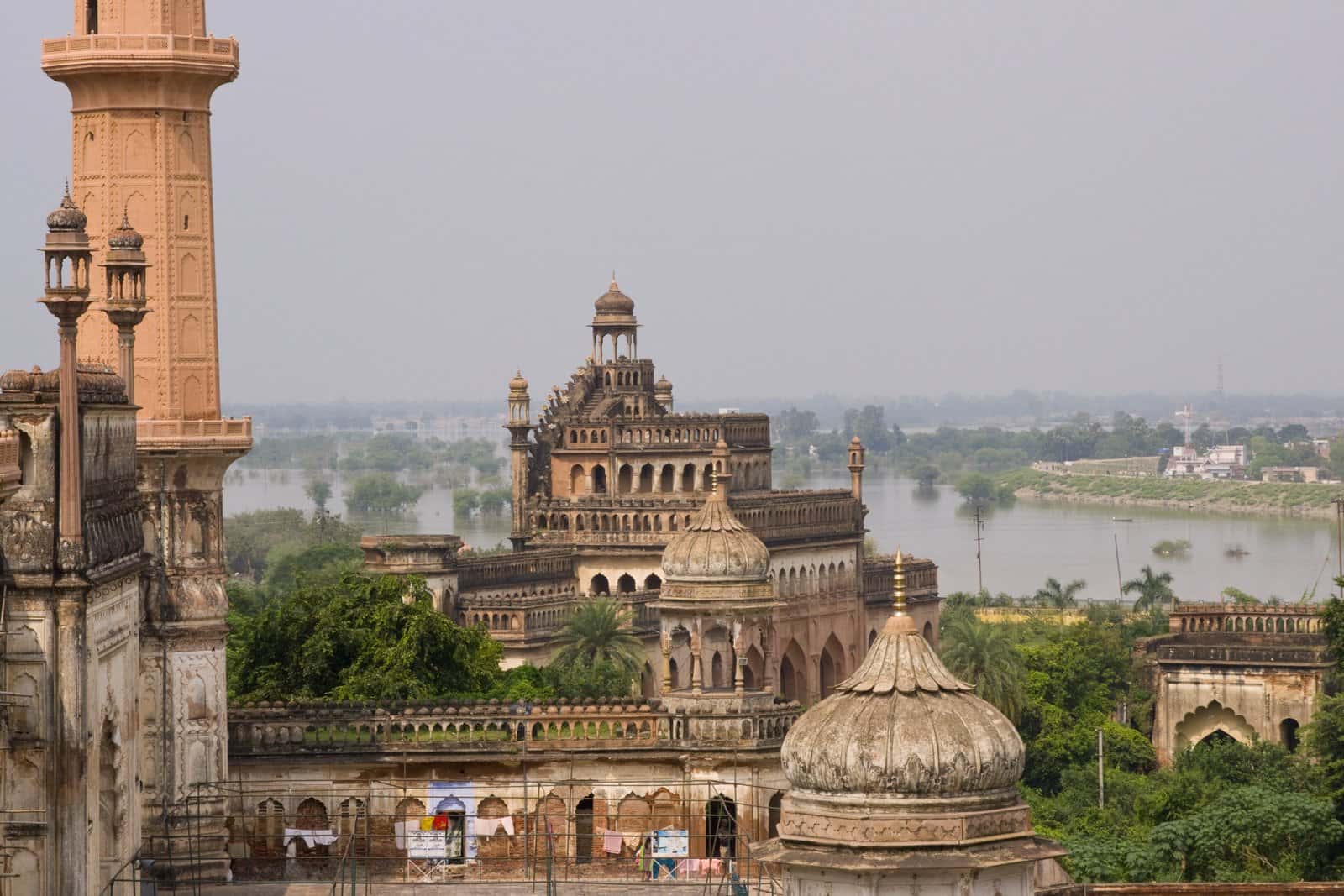
Lucknow Travel Guide
The best months are October to March , when the days are pleasant and the winter sweets appear. The one thing to plan around is the heat: April to June is fierce, so build the...
When to visit Lucknow, and the one season to plan around
The best months are October to March, when the days are pleasant and the winter sweets appear. The one thing to plan around is the heat: April to June is fierce, so build the trip into the cool season.
- November to February: cool and the best food seasonThe most comfortable months, pleasant by day and cold in the early mornings. This is also when the winter-only milk sweet makhan malai (nimish) appears at dawn in the old city, so it is the foodie's season too. Carry a light layer for the early mornings and evenings.
- October and March: warm but fineGood for sightseeing with slightly thinner crowds. By late March the afternoons begin to warm up, so start early and keep the middle of the day for indoor monuments or a long Awadhi lunch.
- Start your mornings earlyWhatever the month, see the Imambaras and the Residency in the morning. The light is kind for photos, the maze is cooler, and you beat the afternoon heat and the tour crowds. Keep the hot afternoon for a meal and the bazaars.
April to June is very hot, often reaching the low 40s Celsius by afternoon, which is hard work around open monuments and bazaars. The monsoon of July to September is humid but green and quieter. If you can, come between about October and March. During Muharram the Imambaras are the focus of large processions and the mood is solemn, which is worth knowing if you are planning a sightseeing day then.
How to reach Lucknow
Lucknow has its own international airport with direct Gulf flights, a major railway junction at Charbagh, and a fast expressway from Agra, so it is easy to reach by any means and easy to get around once there.
- By air, including direct from the GulfChaudhary Charan Singh International Airport (LKO) at Amausi is about 14 km from the centre, with a new Terminal 3 opened in 2024. As well as flights from across India, it has direct international links to the Gulf, including Dubai, Muscat, Sharjah and Abu Dhabi, so many overseas visitors fly straight in without changing at Delhi.
- By train to CharbaghLucknow Charbagh is a grand, much-photographed station and a major junction with fast trains from Delhi, Kanpur and across the north. Charbagh railway station connects directly to the Lucknow Metro by a dedicated walkway, so you can step off a train and onto the metro without hunting for a cab.
- By road on the expressway, and the metro in townThe Agra-Lucknow Expressway, about 302 km of access-controlled road, brings you from Agra and the Taj in roughly 4 to 4.5 hours, which links Lucknow to the Golden Triangle. In the city, the Lucknow Metro and app-based cabs make getting around simple; we arrange a car with a driver for sightseeing and the wider loop.
Lucknow has direct flights from Dubai, Muscat, Sharjah and Abu Dhabi, so you can fly straight to LKO without changing at Delhi. This makes it one of the easiest north Indian heritage cities to reach from the Gulf.
Fly into Delhi and connect to Lucknow by a short domestic flight or a fast train, or route via a Gulf hub for a direct onward flight to LKO. Delhi to Lucknow is an easy train or flight either way.
Lucknow is the natural base for the Awadh loop: Ayodhya about 135 km, then Prayagraj and Varanasi. It is also a common assembly point for the Kailash Mansarovar Yatra, from where groups drive about 4 hours to Nepalgunj on the Nepal border.
The Imambaras, the Residency, and what you actually pay
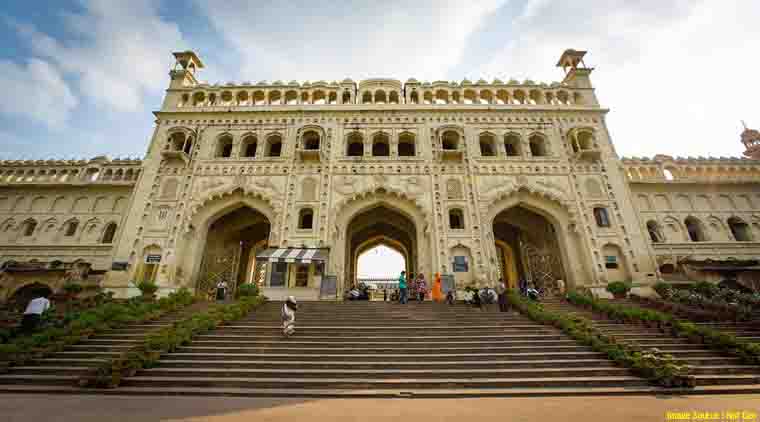
Lucknow's set-piece sights are the two Imambaras with the famous maze, the Rumi Darwaza, and the haunting 1857 Residency. The ticketing has one big quirk in your favour and one closure to plan around.
- Bara Imambara and the BhulbhulaiyaThe great 18th-century hall with its vast unsupported ceiling, the Asfi mosque, the Shahi Baoli stepwell and the Bhulbhulaiya labyrinth above. Open about 6 am to 6 pm, with the one closure to plan around being Friday morning, roughly 10 am to 3 pm, for prayers. The Bara Imambara only ticket is around 50 rupees for Indians and about 500 for foreign nationals and already includes the maze and the Shahi Baoli; a combined Hussainabad pass of about 60 and 600 rupees adds the Chhota Imambara, the Satkhanda and the Picture Gallery.
- Chhota Imambara and Rumi DarwazaThe Chhota Imambara is a jewel-box of chandeliers and silver, open about 6 am to 6 pm and already covered by the combined Hussainabad pass (around 20 rupees for Indians, 200 for foreign nationals if bought alone). Right beside it the Rumi Darwaza, the towering free-to-see gateway, is at its best lit up in the evening.
- The British ResidencyThe ruined Residency, scarred by the 1857 siege, is a moving, green, ASI-protected site with a small museum. Entry is roughly 25 rupees for Indians and about 200 for foreign nationals. The timings genuinely vary by source, some listing about 10 am to 5 pm and closed on Mondays, the most recently updated listing about 7 am to 6 pm every day, so reconfirm the day and hour before you go (see the note below).
- Parks and the Nawabi skylineAmbedkar Memorial Park, all red sandstone and elephants, charges about 20 rupees per person and is open roughly 11 am to 9 pm. Janeshwar Mishra Park, one of Asia's larger city parks, is free and lovely at dusk. La Martiniere (Constantia) is a working school, best admired from outside.
The Hussainabad and Allied Trust sells a combined pass of about 60 rupees for Indians and 600 for foreign nationals that covers Bara Imambara, Chhota Imambara, the Satkhanda and the Picture Gallery, while the cheaper Bara only ticket of about 50 and 500 rupees already includes the Bhulbhulaiya maze and the Shahi Baoli. So buy the combined pass if you want all four, and do not let anyone sell you a separate ticket for each gate. Fees vary a little year to year, so we reconfirm them for your travel dates.
Forget the copied line that the Imambaras shut on Mondays. The Hussainabad and Allied Trust, which runs the Imambaras, closes Bara Imambara on Friday for roughly 10 am to 3 pm for prayers, so avoid a Friday-morning monument slot. The ASI Residency is the genuinely uncertain one: some sources list it about 10 am to 5 pm and closed on Mondays, others about 7 am to 6 pm every day, so we reconfirm its day and hour for your dates rather than risk a locked gate.
Climbing the Bhulbhulaiya, the right way
The Bhulbhulaiya is the roughly 240-year-old maze of corridors built into the walls above the Bara Imambara hall. It is the highlight of Lucknow, and the one place where taking the official guide is not optional in practice.
- Why a guide is the rule hereThe maze is a deliberate puzzle of identical doorways and dead ends inside thick walls, with many entry points but very few real exits. Reviewers say it plainly: go up without a guide and you will get lost. In practice you take an official guide, and this is genuine safety, not a tout's pitch.
- Where to find the guide and what it costsOfficial guides wait at the ticket counter inside the complex, and the government-set rate is displayed at the monument. Budget about 300 rupees for the group, agreed before you start, and you will share the guide with your own party rather than be put with strangers. We can arrange a licensed guide in advance if you prefer.
- What the climb is likeNarrow stairs and low passages lead up to balconies over the great hall and out to rooftop views across old Lucknow and the Asfi mosque. It is wonderful, but it does involve stairs and tight corridors, so it suits the able-bodied more than those who struggle with steps.
- Do not skip the Shahi BaoliThe same combined ticket gets you the Shahi Baoli, the clever stepwell where, the story goes, an approaching visitor's reflection could be seen in the water before they arrived. A guide brings these stories alive, so it is worth keeping them together.
The maze is unlit in places and warm by midday, so go early, carry water, and wear shoes you can climb stairs in. Photography is allowed, but keep your group together and follow the guide's route rather than wandering off down a side passage.
Awadhi food and chikan, the real way
Beyond the monuments, Lucknow is a food and craft city. Here are the signature experiences and how to do them without the commission traps, with named shops and named markets.
- An Awadhi kebab and biryani walkThe galouti kebab, so soft it melts, and the slow-cooked dum biryani are the soul of Awadhi food. The famous Tunday Kababi has its long-running shops in Aminabad and Chowk, and Dastarkhwan in Lalbagh is another renowned name. A guided evening food walk through the old-city lanes lets you try several places, and the chaat at Hazratganj is a fine warm-up.
- Buy genuine hand chikankariReal Lucknowi chikan is hand-embroidered: look for subtle, slightly irregular stitches, natural cotton or muslin, and a neat but not machine-perfect reverse. Flawless, stiff, very cheap pieces are usually machine work sold as handwork. Buy from a shop you chose, and compare a few before you commit.
- The bazaars: Aminabad, Chowk and HazratganjAminabad and Chowk are the old, lively, better-value markets for chikan, ittar (traditional perfume) and street food. Hazratganj is the smarter, pricier shopping street, good for an evening stroll. As a rule the same item costs more in Hazratganj than in Aminabad, so browse before you buy.
- Try the winter-only makhan malai and the kulfiOn cold winter mornings, vendors in the old city sell makhan malai (also called nimish or daulat ki chaat), a feather-light milk foam dusted with sugar and nuts. It only appears in winter and only early, so it is a real seasonal treat. For kulfi, Prakash Kulfi is a local favourite worth seeking out.
- A heritage walk and the riverA guided heritage walk ties together the Imambaras, the Rumi Darwaza, the clock tower and the old city. Evenings are pleasant by the Gomti riverfront and at the lit parks. We can arrange a licensed local guide for the day so the food and the history come together.
If you do only one thing in Lucknow beyond the monuments, make it a guided evening food walk through Aminabad and Chowk. It strings the galouti and tunday kebab, the biryani, the chaat and the sweets into one route, skips the commission shops, and shows you the old city after dark when it is at its most alive. It is the single best-value experience in the city.
Where to stay in Lucknow, area by area
Stay in Hazratganj to be near the monuments, the food and the shopping, or in Gomti Nagar for the newer, quieter, higher-end hotels. Both are good, and the choice comes down to atmosphere versus calm.
- Hazratganj: central and walkableThe old commercial heart, close to the bazaars, the chaat, the cinemas and an easy hop to the Imambaras and the Residency. It is busy and characterful, with hotels from economy to mid-range, and the natural pick for a first-timer who wants to step straight into the city.
- Gomti Nagar: newer, quieter, upmarketThe modern district across the river, home to the 4 and 5 star hotels, malls and the big parks, and noticeably calmer than the old city. Better if you want space, a pool and a quiet night, though you will drive 20 to 30 minutes to the old-city monuments.
- Near Charbagh, for an early trainIf you are catching an early train or treating Lucknow as a one-night stop on the Awadh loop, a hotel near Charbagh station keeps things simple, with the metro on your doorstep. It is functional rather than scenic, so save it for transit nights.
- Room budgetsOutside peak season, budget rooms run from about 1,200 to 2,500 rupees, mid-range hotels about 2,500 to 6,000 rupees, and the 4 and 5 star properties about 6,000 to 15,000 rupees and up. Book ahead around festivals and the busy winter weekends, when the better hotels fill.
Choose Hazratganj if you want to walk to the food and the bazaars and be minutes from the sights, and Gomti Nagar if you would rather have a quiet, comfortable hotel and do not mind a short drive in. For a single transit night on the way to Ayodhya or Varanasi, stay near Charbagh and the metro. We match the hotel to your trip and your travel dates.
Lucknow costs and a realistic daily budget
Lucknow is gentle on the wallet for a heritage city: monument fees are tiny, the food is cheap and superb, and the only real choice is how much you spend on your hotel and your guide.
- The fixed, tiny monument feesThe Bara Imambara only ticket is about 50 rupees for Indians and 500 for foreign nationals (or a combined Hussainabad pass of about 60 and 600 rupees for all four monuments), and the Residency about 25 rupees for Indians and 200 for foreign nationals. Even with the maze guide at about 300 rupees for the group, a full day of the headline sights costs very little for an Indian visitor and remains modest for an overseas one.
- Food, the great-value highlightA sit-down Awadhi meal for two runs about 800 to 1,500 rupees, and street-food kebabs, chaat and kulfi a small fraction of that. Eating well in Lucknow is one of the cheapest pleasures in Indian travel, so budget generously for food and lightly for everything else.
- A rough daily budgetExcluding your hotel, plan on about 1,000 to 1,500 rupees a day as a budget traveller, about 2,500 to 4,000 rupees mid-range with a guide, taxis and good meals, and more if you shop seriously for chikan or hire a car for the day. The hotel is the variable that moves the total.
- Cash, cards and UPICards and UPI work in hotels, malls and bigger restaurants, but the old-city kebab stalls, the chaat vendors and the smaller chikan shops run on cash. There are plenty of ATMs in Hazratganj and Gomti Nagar, so carry enough cash for the day in the old city.
In Lucknow the sights and the food are cheap, so the budget is really about your hotel and your shopping. A comfortable two-night trip can be done modestly or in style, with the hotel doing most of the work either way. The one place to spend a little extra is a good guide for the maze and a heritage food walk, which is where the city opens up.
Practical logistics: getting around, timings, SIM and etiquette
The small things that make a Lucknow day smooth, from the metro and cabs to the early market close, the dress code at the Imambaras, and connectivity.
- Getting around: metro, cabs and autosThe Lucknow Metro links the airport and Charbagh through the city, and app-based cabs and autos are easy and cheap for the old-city sights. A car with a driver for the day is the most comfortable way to string the monuments, the parks and the bazaars together, and the only practical way to do the wider Awadh loop.
- The markets close earlyThe old-city bazaars and the smaller towns on the Awadh loop wind down by about 9 pm, and these are not late-night cities. Plan your dinner and your shopping for the evening rather than late at night, and you will not be caught out by shuttered shops.
- Dress and behave at the ImambarasThe Imambaras are working religious sites. Dress modestly, cover shoulders and knees, remove shoes where asked, and keep your voice down inside, especially around Muharram when the mood is solemn. The city's famous tehzeeb (courtesy) is best returned in kind.
- SIM, signal and languageMobile coverage and data are good across the city. Hindi and Urdu are the local languages, with English widely understood in hotels and the tourist trade, so communicating is easy. Pick up a tourist SIM or eSIM at the airport if you are flying in from abroad.
Safety, the commission traps, and staying well
Lucknow is warm and welcoming, but a little awareness around guides, tickets and shopping keeps the day smooth and the wallet honest, and the usual food-and-heat care keeps you well.
- The combined-ticket and four-ticket trapThe combined Hussainabad pass already covers Bara Imambara, Chhota Imambara, the Satkhanda and the Picture Gallery, and the cheaper Bara only ticket already includes the maze and the Shahi Baoli. If anyone tries to sell you a separate full-price ticket for each gate, you are being overcharged. Buy at the official counter or the Trust's site and keep the ticket.
- Chikan and kebab commission steeringDrivers and touts earn commission steering you to particular chikan, perfume and kebab shops, which can mean higher prices. By all means visit the famous places, but decide for yourself, compare prices, and never carry goods abroad for a stranger. Cheap, flawless, stiff chikan is usually machine-made sold as handwork.
- Food, water and heatThe street food is a highlight, so eat at busy, high-turnover stalls, drink bottled or filtered water, and carry sun protection and water in the warmer months for the open monuments and the maze. A gentle stomach-settling day on arrival is a sensible habit for first-time India travellers.
- General safetyLucknow is a generally safe, easy-going city by Indian standards, with the usual big-city care for your belongings in crowded bazaars. It is comfortable for families and for solo travellers who keep to the busier areas after dark, and the markets closing by about 9 pm means the evening winds down naturally.
Most solo and women travellers find Lucknow relaxed and welcoming, with the city's tehzeeb (courtesy) on display. Dress modestly at the Imambaras and in the old city, keep to the busier lanes and the metro after dark, and use app-based cabs at night rather than flagging down a random auto. The friction, where there is any, is sales pressure in the bazaars rather than anything worse.
Lucknow for every kind of traveller, and on access
Lucknow rewards very different visitors in different ways. Here is what it offers you, and the one tip that matters for each, including how a senior visits comfortably.
- CouplesA gentle, romantic city of gardens, lit monuments and long Awadhi dinners. An evening at the Rumi Darwaza and the Chhota Imambara when they are illuminated, followed by a kebab dinner, makes a lovely night out.
- Families with childrenThe Bhulbhulaiya maze is an adventure children love, with a guide leading the way. Add Janeshwar Mishra Park, the zoo and the science city, and the kebabs and kulfi keep everyone happy. Just keep the monument morning off Friday, when Bara Imambara pauses for prayers, and reconfirm the Residency day.
- Senior travellers and on accessibilityVery doable at a gentle pace. See the Imambara hall, the Chhota Imambara and the Residency grounds, which are mostly level, and let younger members do the maze stairs. Go in the cool morning, keep the hot afternoon for a long lunch, and we arrange a car so there is no walking between the sights.
- FoodiesThis is one of India's great food cities: galouti and tunday kebab, dum biryani, kulfi and the winter makhan malai. A guided food walk through Aminabad and Chowk is the single best thing to book, and Dastarkhwan in Lalbagh is worth a meal of its own.
- Shoppers and craft loversLucknow is the home of chikankari. Learn the hand-versus-machine test first, then browse Aminabad and Chowk for value and Hazratganj for the smarter shops. Ittar (traditional perfume) is the other classic buy, sold by the drop in the old city.
- PhotographersThe Charbagh station facade, the Rumi Darwaza lit at dusk, the rooftop views from the Bhulbhulaiya, and the chandeliers of the Chhota Imambara. Early morning and the blue hour give the best light, and the old-city lanes reward a slow wander.
A suggested Lucknow itinerary, and how long to give it
Two and a half days is the sweet spot for Lucknow, but the city flexes to a single packed day or a relaxed long weekend. Here is how to shape it around the maze, the food and the Friday Imambara closure.
- Day one: the monuments and the mazeStart early at Bara Imambara before the heat, take the guide for the Bhulbhulaiya and the Shahi Baoli, then on to the Chhota Imambara and the Rumi Darwaza. After a long Awadhi lunch, visit the Residency in the afternoon. Avoid a Friday morning, when Bara Imambara closes for prayers, and reconfirm the Residency's day before you build it in.
- Day two: parks, museums and the food walkA gentler day: Ambedkar Memorial Park and the free Janeshwar Mishra Park, the state museum or the zoo, a chikan-shopping afternoon in Aminabad, and a guided evening food walk through Chowk. This is the day to slow down and eat well.
- The half day spare, or the one-day versionUse the spare half day for the Gomti riverfront, more shopping, or a leisurely chaat-and-kulfi crawl. If you have only one day, do the Imambaras with the guide in the morning and the Residency and a food walk in the afternoon, and skip the parks.
- Lucknow as the base for the Awadh loopMany travellers use Lucknow as the launch pad for the heritage-spiritual circuit: two days here, then Ayodhya, Prayagraj and Varanasi over a further four to five days, a classic 6 to 7 day loop. We build the whole circuit with a car and driver around your dates.
The single thing that breaks a tight Lucknow plan is arriving at the gate when it is shut. Bara Imambara closes Friday for roughly 10 am to 3 pm for prayers, so do not put the maze in a Friday-morning slot. The ASI Residency is the uncertain one, listed about 10 am to 5 pm and closed on Mondays by some sources and about 7 am to 6 pm every day by the most recent, so we reconfirm its day and hour for your dates and you will never find yourself at a locked gate with the clock running.
The real questions travellers ask about Lucknow
Straight answers to the questions that come up again and again on traveller forums, so you arrive already knowing the score.
- Is one day enough?One day covers the headline monuments if you start early and skip the parks. Two days lets you add the parks, the museums, a proper chikan-shopping afternoon and an evening food walk, which is what makes Lucknow special. Two and a half days is the comfortable sweet spot.
- Do I really need a guide for the maze?Yes, in practice. The Bhulbhulaiya is a genuine labyrinth and reviewers are unanimous that you will get lost without a guide. The government rate is displayed at the monument, so budget about 300 rupees for the group and take one without hesitation.
- How does the Imambara ticket actually work?The Hussainabad Trust sells a combined pass of about 60 rupees for Indians and 600 for foreign nationals covering Bara Imambara, Chhota Imambara, the Satkhanda and the Picture Gallery, while a cheaper Bara only ticket of about 50 and 500 rupees already includes the maze and the Shahi Baoli. Buy the combined pass for all four, and do not accept a separate full-price ticket per gate.
- Hazratganj or Gomti Nagar to stay?Hazratganj for central, walkable, character and easy reach of the food and the sights; Gomti Nagar for newer, quieter, higher-end hotels with a short drive into the old city. Near Charbagh works for a single transit night with the metro on your doorstep.
- Where do I eat the real kebabs?Tunday Kababi in Aminabad and Chowk for the galouti and tunday kebab, Dastarkhwan in Lalbagh for a fuller Awadhi meal, and Prakash Kulfi for dessert. Decide for yourself rather than letting a driver steer you, since commission shops charge more.
- Which day are the monuments closed?Not Monday, despite what many pages copy. The Hussainabad Trust closes Bara Imambara on Friday for roughly 10 am to 3 pm for prayers, so avoid a Friday-morning monument slot. The ASI Residency's day genuinely varies by source, listed closed on Mondays by some and open every day by the most recently updated, so reconfirm it before you go. The parks, bazaars and restaurants stay open throughout.
Planning Lucknow from abroad
Lucknow is unusually easy for overseas visitors: it has direct Gulf flights of its own and is the natural base for the Ayodhya, Prayagraj and Varanasi heritage-spiritual loop. A little planning, and one card, make it smoother and cheaper.
- Fly in direct from the GulfLucknow airport (LKO) has direct flights from Dubai, Muscat, Sharjah and Abu Dhabi, so Gulf-based NRIs can come straight here without changing at Delhi. From the US, UK and Europe, route via Delhi or a Gulf hub. The airport is about 14 km from the city and on the metro line.
- Carry your OCI card for monument ratesIf you hold an OCI (Overseas Citizen of India) card you have generally been given the Indian rate at monuments rather than the foreign rate, which is a real saving across the Imambaras and the Residency. The position has been under review, so carry your physical OCI card with the linked passport and reconfirm at the ticket counter.
- Do the Awadh heritage-spiritual loopLucknow is the base for the classic loop: Ayodhya about 135 km, then Prayagraj (Allahabad) and Varanasi, a rewarding 6 to 7 day circuit of Nawabi heritage and the sacred Ganga. We tie Lucknow to Agra by the expressway too, in roughly 4 to 4.5 hours, for a heritage run that ends at the Taj.
- Gentle and welcoming for parents and grandparentsLucknow's famous tehzeeb (courtesy), level monument grounds and easy pace make it comfortable for older travellers, with the maze stairs as the only strenuous bit. Dress modestly at the Imambaras, which are working religious sites, and the warmth of the city does the rest.
The Awadh loop and on-ground tips for foreign visitors
If you have come this far, Lucknow is the gateway to one of India's great heritage-spiritual circuits. Here is how the loop works and the on-ground nuances that catch first-timers out, drawn from our own running tours.
- How the loop runsFrom Lucknow you drive to Ayodhya (about 135 km), then Prayagraj and on to Varanasi (about 320 km from Lucknow), ending on the Ganga ghats. Allow 6 to 7 days for the full circuit at a comfortable pace, with a car and driver so you can stop where you like along the way.
- Dress and behave for the holy citiesAyodhya, Prayagraj and Varanasi are deeply religious. Cover shoulders and knees, remove shoes at temples and ghats, and ask before photographing people at prayer. The dress and manners that serve you at the Imambaras serve you across the whole loop.
- The boat-ride practicalities at the ghatsIf you take a boat to bathe at the river confluence at Prayagraj or on the Ganga at Varanasi, note there are usually no changing rooms, so people change in the boat itself, and a group typically rents a boat together. Pack accordingly and agree the boat price before you set off.
- Be firm with riverside pandits at PrayagrajAt Prayagraj in particular, riverside pandits can press hard for donations and over-charge for rituals. Keep any dealings limited and agreed in advance, and do not feel obliged. The same firm-but-friendly approach that serves you in the bazaars works here too.
Lucknow makes an unusually gentle, comfortable start to a north-India heritage trip: a real city with great food and easy logistics, the direct Gulf flight, and the metro from the airport. Spend two days here finding your feet, then let the Awadh loop unfold at the pace you choose. Many overseas visitors say the Nawabi food and courtesy of Lucknow end up being the part they remember most warmly.
Why a king built a maze, and fed a famine
The Bara Imambara was raised in 1784 by Nawab Asaf-ud-Daula, and the story most often told in Lucknow is that it was built as famine relief: when drought struck Awadh, the Nawab set the whole population to work, the common people building the great hall by day while, the tradition holds, the nobility quietly tore parts of it down by night so that the work, and the wages, would never run out and no one would go hungry. The vast central hall was engineered to span its width with no supporting pillars or beams, and above it the architects wove the Bhulbhulaiya, a labyrinth of identical doorways, blind passages and hidden balconies that still defeats anyone who enters without a guide. Whether every detail of the famine story is literal history or fond civic legend, the building remains exactly what it was meant to be: a monument that fed a people and a puzzle that has never stopped delighting them.
Planning a Lucknow trip?
Our Uttar Pradesh travel experts plan your full journey for you: route, hotels, darshan timings and transport. You get a free day-by-day plan and an exact quote on WhatsApp, usually within a few hours. No payment is needed to get your plan.
Tour packages that visit Lucknow
Every journey below is private, hand-crafted and fully customizable. Tell us your dates and we tailor the itinerary, the pace and the priests or guides around you.
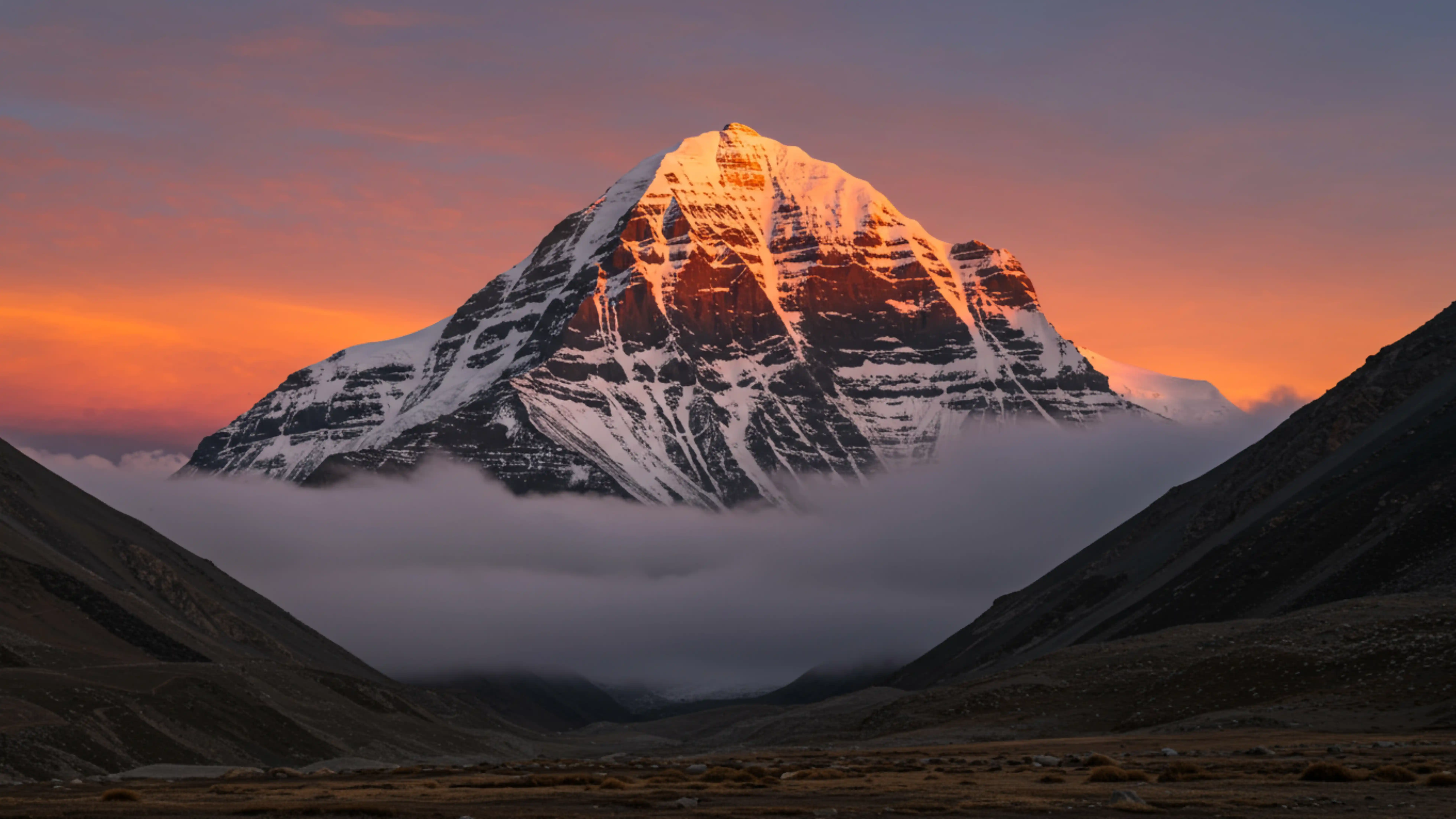 9D / 8N
Kailash Mansarovar Yatra Package
- Sacred Mount Kailash Darshan
- Mansaroar Lake
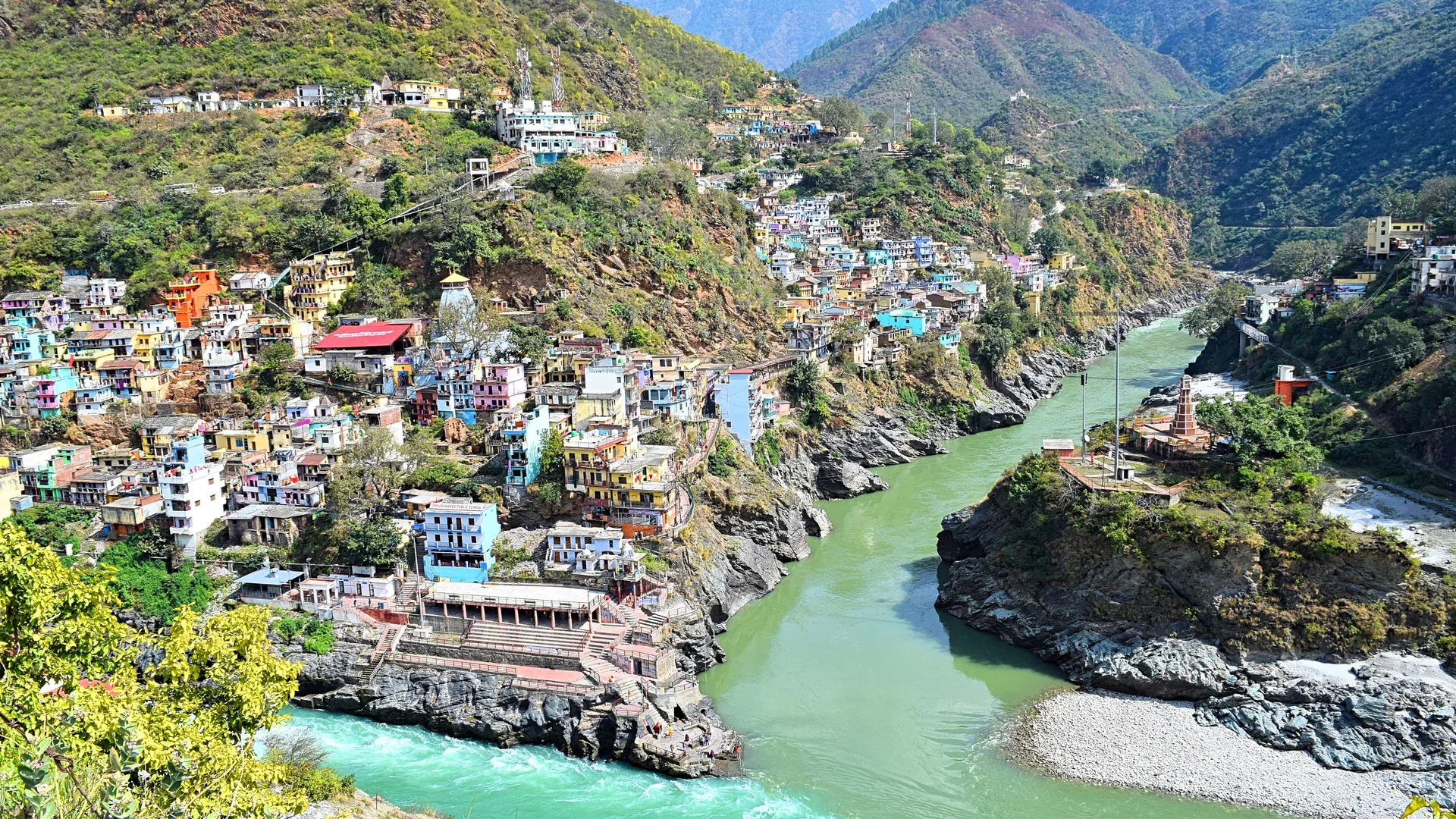 11D / 10N
North India Divya Desam Tour Package: 7 Vada Naadu Temples in 11 Days
- All 7 North India Divya Desams in one 11 day circle: Mathura, Gokul, Naimisharanya, Ayodhya, Devprayag, Joshimath and Badrinath
- Built around the Badrinath opening window, with assistance and guidance for your mandatory Uttarakhand yatra e-registration
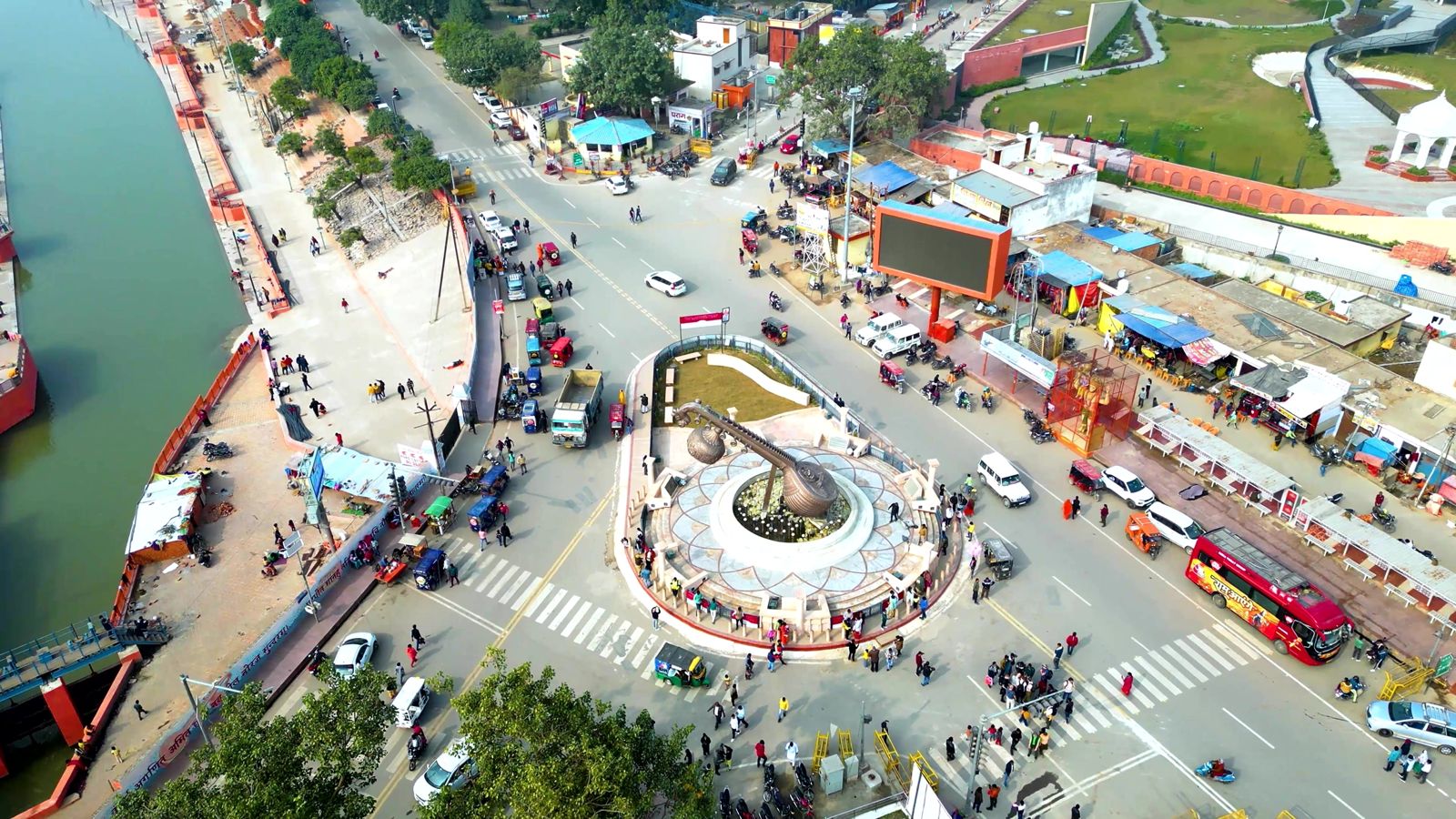 7D / 6N
Lucknow Ayodhya Allahabad Varanasi Tour
- Enjoy Ganga Boat Ride
- Visit Bara Imambara
 3D / 2N
Lucknow Tour Package
- Bara Imambara
- Chota Imambara
 10D / 9N
Buddha Tour
- Visit Bijleshwari Devi temple
- Visit Gorakhnath Temple