Delhi Travel Guide
The comfortable season is October to March , but the honest sweet spots are October and February to mid-March . There is one window to avoid, and one rule about Mondays.
When to visit Delhi, and the smog to plan around
The comfortable season is October to March, but the honest sweet spots are October and February to mid-March. There is one window to avoid, and one rule about Mondays.
- October and February to mid-March: the best of allPleasant days of about 15 to 25 degrees, clear skies and comfortable sightseeing. The air is at its cleanest of the cool season and the light is lovely for photographs. These are the months we would pick first for a Delhi or Golden Triangle trip.
- November and early December: good, watch the airStill pleasant and a fine time to visit, though the air begins to thicken after Diwali as the season turns and crop-burning smoke drifts in. Mornings can be hazy, so plan outdoor sights for the clearer afternoons and keep a light layer for cold evenings.
- Plan your monuments around MondaysSeveral of Delhi's big sights close on Mondays, including the Red Fort, Akshardham and the Lotus Temple. Keep Monday for the places that stay open, like Humayun's Tomb and Qutub Minar, or for travel and rest, and you will never lose your one Delhi day to a locked gate.
From roughly the third week of December to the third week of January, Delhi has its worst air of the year and dense morning fog that can delay flights and push back Taj day trips. If you can, travel either side of it. Also avoid the high summer of April to June, when afternoons reach 40 to 45 degrees, and the July to September monsoon when the heat turns sticky.
Arriving in Delhi, terminal by terminal
Delhi's airport is India's busiest and the main door into the country. Knowing the terminals and how to leave them calmly makes the whole trip start well.
- Which terminal is whichIndira Gandhi International (IGI) has three terminals. T3 handles all international flights and some domestic; T1 is mainly IndiGo and SpiceJet domestic; T2 takes some Air India and regional domestic. A free shuttle runs between them around the clock, about 15 to 20 minutes, so if a connecting flight uses a different terminal, leave yourself time.
- The Airport Express metro is the easy way inThe Orange Line links T3 to New Delhi railway station in about 20 minutes for around 60 rupees, running from roughly 4:45 am to 11:30 pm every 10 to 15 minutes. It is fast, cheap and avoids the taxi touts entirely, and the New Delhi metro stop sits across from the railway station for onward trains.
- If you take a taxi, take a prepaid oneUse the Delhi Traffic Police prepaid taxi counter inside arrivals, where fares are fixed and printed, or book an Ola or Uber on the app. A fair metered fare from T3 to Connaught Place is about 350 to 500 rupees. Ignore anyone outside quoting a fixed price several times higher, around 1,200 to 1,800 rupees for the same trip.
Fly straight into Delhi (T3), the main international gateway, on the many nonstop and one-stop services. From here the whole Golden Triangle opens up by fast train or car.
Frequent nonstops land at Delhi (T3) from Dubai, Abu Dhabi, Doha, Singapore, Kuala Lumpur and Bangkok. Delhi is the natural first stop before Agra and Jaipur.
Delhi is the best-connected city in the country by air and rail. Domestic flights use T1, T2 or T3 depending on the airline, and the New Delhi and Hazrat Nizamuddin stations link it to the whole north.
Getting around Delhi: the metro, autos and app cabs
Delhi is huge, but the metro and app cabs make it easy and cheap to move once you know how. A few habits keep every ride fair and smooth.
- The metro is your best friendDelhi's metro is clean, air-conditioned, very cheap at roughly 10 to 60 rupees a ride, and skips the traffic entirely. Buy a rechargeable smart card or a QR ticket, and use the women-only first coach if you prefer. It reaches almost every sight, from Chandni Chowk to Qutub Minar, and is the easiest way to cross the city.
- App cabs over street autosOla and Uber give you a fixed, fair price and a record of the trip, which removes all the haggling. For short hops an auto-rickshaw is fine, but insist on the meter or agree the fare first, as street autos quote high to visitors. A working SIM makes booking either one effortless.
- A car and driver for a full dayFor comfortable sightseeing, especially with family or older travellers, a private car with a driver for the day is commonly about 2,500 to 4,000 rupees and saves you the heat, the parking and the haggling. We can arrange a vetted driver who knows the monument timings and the Monday closures.
- Mind the traffic and the timingDelhi's traffic is heavy from about 9 am to 11 am and 5 pm to 8 pm. Plan the metro for those windows, keep monuments that are close together on the same half-day, and you will see far more without sitting in jams.
Old Delhi, New Delhi, and what you actually pay
Delhi holds three UNESCO World Heritage sites and a sweep of history from the Mughals to the British capital. The ticketing is simple once you know the Monday rule.
- The Red Fort and Jama Masjid, in Old DelhiThe great red Mughal fort of Shah Jahan, a UNESCO site, open about 9:30 am to 4:30 pm and closed on Mondays; around 35 rupees for Indians and 500 for foreign nationals, with SAARC and BIMSTEC nationals at the Indian rate and children under 15 free. Nearby stands the vast Jama Masjid, India's largest mosque, free to enter with a small camera charge, where you can climb the minaret for a view over the old city.
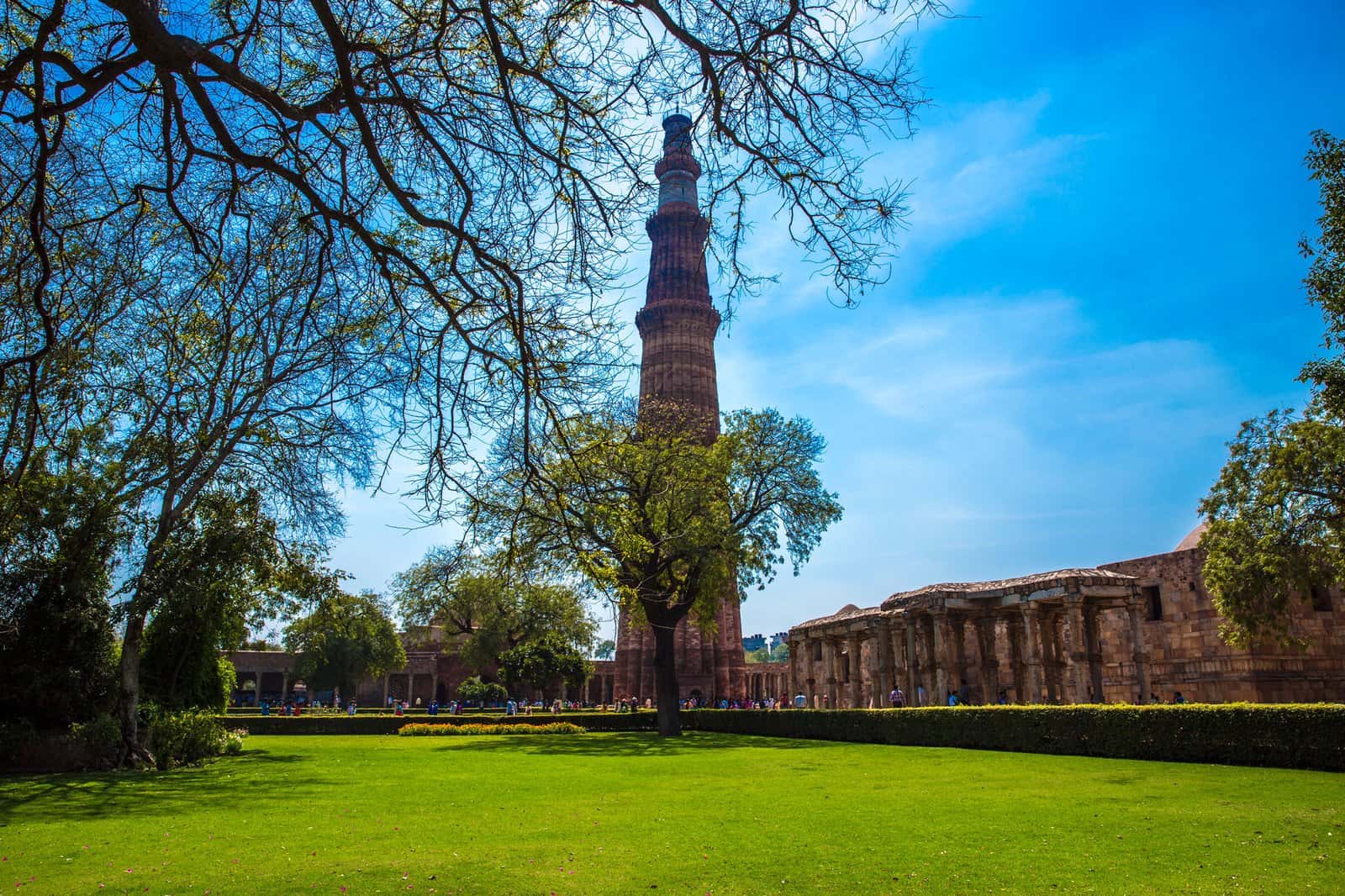
- Qutub Minar and Humayun's TombTwo more UNESCO sites, both open every day. The Qutub Minar runs about 6 am to 8 pm at around 35 rupees for Indians (the online rate) and 550 for foreign nationals; Humayun's Tomb runs about 6 am to 6 pm at around 40 rupees for Indians and 600 for foreign nationals. The Qutub is the soaring 12th-century victory tower; Humayun's Tomb is the serene Mughal garden tomb that inspired the Taj, loveliest in the golden hour. Both stay open on Mondays, which makes them the natural choice for that day.
- India Gate and the capital's avenuesThe war memorial of India Gate and the grand avenue up to Rashtrapati Bhavan, the President's House, are at their best in the early evening when the lights come on. The lawns are a pleasant place to sit after a day of sightseeing, and the area is free to walk.
- Akshardham and the Lotus TempleTwo modern landmarks, both free and both closed on Mondays. Akshardham is a vast carved temple with an evening water show, open about 10 am to 6:30 pm for last entry, but note it bans all phones, cameras and electronics. The Lotus Temple is the serene Bahai house of worship shaped like a flower, open about 8:30 am to 6 pm (a little shorter in deep winter), where silence is kept inside.
The Red Fort, Akshardham and the Lotus Temple all close on Mondays, so build your week around it and keep Monday for Humayun's Tomb and Qutub Minar, which stay open. And at Akshardham you must deposit every electronic item, phones, cameras and smartwatches included, at the cloakroom, which can take a while at busy times, so arrive with that in mind.
Onward from Delhi: the Golden Triangle by fast train
Delhi is the natural base of the classic Delhi, Agra and Jaipur loop. The fast trains and expressways make the onward legs quick and comfortable.
- To Agra by fast trainThe Gatimaan Express reaches Agra in about 100 minutes, leaving Hazrat Nizamuddin in the morning every day except Friday, and the Vande Bharat is just as quick. Both leave early, which fits a sunrise visit to the Taj perfectly. Remember the Taj itself is closed on Fridays, so do not pair a Friday Agra trip with the Taj.
- To Agra by roadAbout 233 km and 3 to 3.5 hours on the Yamuna Expressway, a fast, modern road. A same-day Taj trip from Delhi is doable, though an overnight in Agra is gentler, especially for older travellers who do not want a pre-dawn start and a late return on the same day.
- To JaipurThe Vande Bharat reaches Jaipur in about 3.5 hours, or it is roughly 260 km by road on the highway. Jaipur completes the triangle, and Agra sits neatly between the two for the full loop, with Fatehpur Sikri on the Agra to Jaipur leg.
- How long for the loopThe classic Golden Triangle is a comfortable 5 to 6 day loop: a couple of days in Delhi, then Agra, then Jaipur. We arrange the trains or a car with an experienced driver throughout, and time the legs around the Monday closures in Delhi and the Friday closure at the Taj.
Signature experiences in Delhi
Beyond the monuments, these are the experiences people remember, drawn partly from our own years of showing visitors around Old Delhi.
- An Old Delhi food walk in Chandni ChowkThe finest street food in the country, and worth knowing where to stop. Try the stuffed parathas of Paranthe Wali Gali, the Dahi Bhalla at Natraj, the Khasta Kachori and Matar Kulcha on Nai Sadak, the desi-ghee jalebis at the mouth of Dariba, and Amritsari lassi at Fatehpuri Chowk. A guided walk takes the worry out of choosing where to eat safely.
- Khari Baoli, the great spice marketJust behind Chandni Chowk lies India's largest spice market, a wall of colour and scent. Take a cycle rickshaw, including the battery ones now running, through the lanes rather than walking it all, which also suits older travellers and small children.
- The charitable bird hospital by the Red FortOpposite the Red Fort, the Jain temple runs a bird hospital that has treated injured birds free of charge since 1956, taking in many birds a day. It is a quiet, moving piece of Old Delhi that almost no guidebook mentions, and a lovely contrast to the bustle of the bazaar.
- India Gate at dusk, and the cultural quarterIndia Gate and the avenue to Rashtrapati Bhavan look their best as the evening lights come on. Near Mandi House, institutions such as the Sangeet Natak Akademi and Shriram Bharatiya Kala Kendra hold dance and music performances if you would like an evening of the arts.
- See the city by hop-on-hop-off busThe air-conditioned HOHO-style city bus, with an English and Hindi commentary, links many sights and runs from about 8 am through the day. It is an easy, comfortable way to cover Delhi at your own pace, and a gentle option for families and seniors who do not want to walk between distant monuments.
If you do only one thing slowly in Delhi, make it a morning in Old Delhi: the food of Chandni Chowk, the spice lanes of Khari Baoli by cycle rickshaw, the quiet bird hospital, and the Jama Masjid above it all. It is the city at its most human and most flavourful, and a guided couple of hours turns what can feel chaotic into the highlight of the trip.
Where to stay in Delhi, by area
Delhi is vast, so the right area depends on whether you are arriving late, sightseeing, or counting the rupees. Here is the honest verdict on each.
- Aerocity: best for a late arrival or early flightThe modern, secure hotel cluster about 8 to 10 minutes from the terminals and on the Airport Express. Bags go through scanners at the door and it feels calm and safe, which is exactly what you want landing late or leaving before dawn. It is a short metro ride from the centre, so it works for sightseeing too.
- Connaught Place and central Delhi: best for sightseeingStaying around Connaught Place, Janpath or the nearby districts puts you near the metro, the restaurants and the New Delhi monuments, with a wide spread of mid-range and upscale hotels. It is the most convenient base for a couple of days of touring, and lively in the evenings.
- South Delhi: quiet and leafyAreas like Hauz Khas, Saket and the colonies near Lodhi Garden are greener, calmer and good for couples and longer stays, with excellent cafes and boutiques. You will rely on the metro or cabs to reach Old Delhi, but the trade for peace and good food is often worth it.
- Paharganj: cheap, but know what it isThe backpacker zone opposite New Delhi station is the cheapest, but it is gritty and crowded with touts. It suits seasoned budget travellers by day; for a first trip, do not arrive there late at night, and consider a calmer area for at least your first night before the city stops feeling overwhelming.
Two to three nights is the sweet spot: one day for New Delhi and Old Delhi, a second for Qutub Minar, Humayun's Tomb and the markets, and a gentle arrival or rest day on either side before the Agra and Jaipur legs. A jet-lagged first-timer should not try to pack the big monuments into the arrival day; take it slowly and the city rewards you.
Delhi costs and a realistic daily budget
Delhi can be done cheaply or in comfort. Here is what the main things cost, so you can plan and avoid being overcharged.
- A rough daily budgetExcluding your hotel, plan on about 1,500 to 2,500 rupees a day as a budget traveller using the metro and street food, about 3,500 to 6,000 rupees mid-range, and about 8,000 rupees and up for a comfortable day with a car and driver, sit-down meals and tickets.
- The fixed-price thingsMonument tickets are set: about 35 to 40 rupees for Indians and 500 to 600 for foreign nationals at the big ASI sites, and free at Akshardham, the Lotus Temple, India Gate and the gurudwaras. The metro is about 10 to 60 rupees a ride. These fixed prices are a useful anchor against anyone quoting more.
- The negotiable thingsStreet autos, market goods and any unmetered ride are quoted high to visitors. Use Ola or Uber for a fixed fare, insist on the meter in an auto or agree the price first, and bargain gently in the bazaars. A full day with a private car and driver is commonly about 2,500 to 4,000 rupees.
- Cash, cards and UPIRestaurants, hotels and bigger shops take cards and UPI, but street food, autos and small vendors run on cash. Keep small notes for tips and rickshaws, and there are bank ATMs everywhere, so you are never far from cash.
Practical logistics: SIM, money, water and language
The small things that make a Delhi day smooth, from getting a SIM at the airport to staying well in the heat and the smog.
- Get a SIM at the airportPick up a prepaid Indian tourist SIM or an eSIM in the international arrivals hall, commonly around 450 to 1,000 rupees for a month of data and calls. A working SIM from the first hour makes Ola, Uber, maps and UPI far easier, so do it before you leave the terminal rather than hunting for one later.
- Water, food and the smogDrink bottled or filtered water, take the usual care with very cheap street food, and if you visit in deep winter and have any breathing trouble, carry a mask for the worst smog days. The metro and indoor sights give your lungs a break on bad-air afternoons.
- The official tourist office, and the helplineThe only genuine India Tourism office is at 88 Janpath near Connaught Place; every other shop calling itself a tourist office around there is a tout. The 24-hour multilingual tourist helpline is 1363 if you ever need help or want to check something.
- Language and dressHindi and English are both widely spoken, so communicating is easy. Dress modestly at temples, gurudwaras and the Jama Masjid, cover your head at the gurudwara, and remove shoes where asked. A scarf in your bag handles head-covering and the sun in one go.
Safety, the common scams, and staying well
Delhi rewards a little street sense. A few simple habits keep your days smooth, your money safe and your stomach happy.
- Do not trust a roadside tourist officeAround Connaught Place and Janpath, touts run fake tourist offices that oversell tours and even sell trips that do not exist. The only official one is India Tourism at 88 Janpath. Be wary of any stranger who opens with a friendly question about which block you are on, a classic opening line before a sales pitch.
- Do not fall for the hotel-is-closed trickA taxi or auto driver may claim your hotel is full, closed or burnt down so he can take you to one that pays him commission. Phone your hotel to confirm, insist on going where you booked, and keep the address handy, in Hindi if you can. This is the classic arrival scam, and a calm no defeats it.
- Use prepaid or app rides, not street toutsFrom the airport use the prepaid taxi counter, the Airport Express metro, or an app cab. A T3 to Connaught Place fare is about 350 to 500 rupees, not the 1,200 to 1,800 a tout will quote. The same habit, a fixed app fare or an agreed price, keeps every ride in the city fair.
- Heat, water and street foodDrink bottled or filtered water, ease into street food rather than diving in on day one, and carry sun protection and water in the warmer months. Eat where the queue of locals is longest, which is both the tastiest and the safest bet in Old Delhi.
Delhi is manageable with standard precautions, but it pays to be street-smart: use app cabs rather than street autos after dark, share your ride details, use the women-only metro coach, and avoid arriving alone in gritty areas like Paharganj late at night. Many travellers book a secure Aerocity hotel for a late landing and move into the city by daylight, which makes the first hours far calmer.
Delhi for every kind of traveller, and on access
Delhi rewards very different visitors in different ways. Here is what it offers you, and the one tip that matters for each, including how an older traveller sees it comfortably.
- CouplesQuiet beauty in the middle of the city: a morning walk in Lodhi Garden, the golden hour at Humayun's Tomb, and an evening in Hauz Khas village or Khan Market for dinner. South Delhi makes a calm, leafy base for a romantic couple of days.
- Families with childrenAkshardham's water show, the National Rail Museum, a cycle rickshaw through Old Delhi and the India Gate lawns all keep children happy. Build in rest between sights, as the city is large and the days are full, and keep water and snacks handy.
- Senior travellers and on accessibilityVery doable with gentle planning. Take the hop-on bus or a car with a driver rather than walking long distances, ride a cycle rickshaw through Chandni Chowk instead of walking it, and avoid the deep-winter smog if you have any breathing trouble. The metro has lifts and the major monuments have wheelchair access, though Old Delhi's lanes are uneven, so take them slowly.
- First-time visitors to IndiaDelhi is the front door, so take the first day gently to shake off the jet lag, use the prepaid taxi or Airport Express from the airport, get a SIM, and let a guide handle Old Delhi the first time. It will feel far easier by day two.
- Backpackers and budget travellersStay around Paharganj near New Delhi station by day, ride the excellent metro everywhere, and eat your way through Chandni Chowk. The Airport Express makes arrival cheap and simple, and a daily budget of about 1,500 to 2,500 rupees goes a long way.
- PhotographersThe symmetry of Humayun's Tomb, the lanes and rooftops of Old Delhi, Jama Masjid from above, the Qutub Minar, and India Gate at blue hour. A clear October or February morning gives the cleanest light, and remember the camera ban inside Akshardham.
A suggested Delhi itinerary
How to shape two or three unhurried days so you catch the monuments at the right hours and never run into a Monday closure.
- Arrival day: keep it gentleLand, get your SIM, take the Airport Express or a prepaid taxi to the hotel, and do something easy: India Gate at dusk, a calm visit to Bangla Sahib Gurudwara, or simply a good dinner and an early night. Do not try to start the big monuments jet-lagged on day one.
- Day one: New Delhi and the avenuesHumayun's Tomb in the soft morning light, then Qutub Minar, the Lotus Temple if it is not a Monday, and India Gate and the capital avenues in the evening. These are spread out, so use a car or the metro and group the nearby ones.
- Day two: Old Delhi and the marketsStart at the Red Fort when it opens at about 9:30 am, climb the Jama Masjid minaret, then a Chandni Chowk food walk and Khari Baoli by cycle rickshaw, with the bird hospital opposite the fort. Keep this day off Monday, when the Red Fort is shut.
- The half-day versionIf Delhi is only a quick stop before Agra, give it an afternoon and an evening: Humayun's Tomb or the Qutub, India Gate at dusk, and a short Old Delhi food taste, then catch the early Gatimaan to Agra the next morning.
The single thing that breaks a tight Delhi plan is a Monday: the Red Fort, Akshardham and the Lotus Temple are all closed, so keep Monday for Humayun's Tomb and Qutub Minar, which stay open. In deep winter, also keep an early Taj day trip flexible, as dense morning fog can delay the Gatimaan and push your sunrise back.
The real questions travellers ask about Delhi
Straight answers to the questions that come up again and again on traveller forums, so you arrive already knowing the score.
- Is it safe to arrive late at night or early morning?Yes, with sense. The airport is secure and the Airport Express runs from about 4:45 am, so an early arrival can metro straight in. For a late landing, many travellers book a secure Aerocity hotel minutes from the terminal and move into the city by daylight, which is the calmest way to start.
- Where should I stay for a first visit?Aerocity for a late arrival or early flight, central Connaught Place for sightseeing and dining, or leafy South Delhi for calm. Paharganj is the cheapest but gritty, so a first-timer should avoid arriving there late at night.
- Which monuments close on Monday?The Red Fort, Akshardham and the Lotus Temple all close on Mondays. Humayun's Tomb and Qutub Minar stay open all week, so keep them for your Monday and you lose nothing.
- Do OCI cardholders pay the Indian rate?OCI cardholders have generally been charged the Indian rate at ASI monuments, so roughly 35 to 40 rupees rather than the 500 to 600 foreign fee. The position has been under review, so carry your OCI card with its linked passport and reconfirm at the ticket counter for your travel dates.
- How do I get to Agra and Jaipur?The Gatimaan Express reaches Agra in about 100 minutes every day except Friday, and the Vande Bharat reaches Jaipur in about 3.5 hours. Both make Delhi a comfortable hub for the Golden Triangle, and we can book the seats and time them around the closures.
- When is the pollution at its worst?From about the third week of December to the third week of January Delhi has its worst smog and morning fog, which can delay flights and Taj trips. Travel either side of it if you can, and favour October or February to mid-March for the cleanest air.
Arriving in India through Delhi
For most overseas visitors Delhi is the first taste of India, and the start of the Golden Triangle. A calm arrival and a couple of pointers make it smooth.
- Land at T3 and keep it simpleInternational flights arrive at Terminal 3. Get a SIM in the arrivals hall, then take the Airport Express metro or the prepaid taxi counter into the city, not a tout outside, and you will start the trip calm and unhassled. The 24-hour tourist helpline is 1363 if you ever need it.
- Carry your OCI card, and reconfirm the feeIf you hold an OCI card, carry the physical card together with the passport it is linked to. OCI holders have generally been given the Indian rate at ASI monuments, so at sites like the Red Fort, Qutub Minar and Humayun's Tomb you would pay roughly 35 to 40 rupees rather than the 500 to 600 rupee foreign fee. The position has been under review, so reconfirm at the ticket counter for your travel dates.
- Delhi is the start of the Golden TriangleFrom Delhi the classic loop runs to Agra and Jaipur, an easy 5 to 6 day journey by fast train or car. It is the most rewarding first taste of India, and Delhi anchors it, so give the capital a couple of days before you move on.
- A gentle, welcoming first stopIf you would like a calm introduction, Bangla Sahib Gurudwara, with its great tank and free community kitchen, moves almost everyone who visits. Take the first day slowly, especially for parents and grandparents, before the touring begins.
Money, connectivity and timing for foreign visitors
The practical basics an overseas traveller needs for their first Indian city: cash, cards, a SIM, the smog window, and how Delhi fits a wider India trip.
- Get a SIM, carry some cashBuy a tourist SIM or eSIM at the airport, commonly around 450 to 1,000 rupees for a month, so Ola, Uber, maps and UPI work from hour one. Cards and UPI cover hotels, restaurants and bigger shops; keep cash for street food, autos and the bazaars, and draw it from any bank ATM.
- Pick your season carefullyOctober to March is the comfortable window, with October and February to mid-March the best. Avoid the deep-winter smog and fog from about the third week of December to the third week of January, when the air is hazardous and morning fog delays flights, and skip the April to June heat.
- How long to give Delhi on a bigger tripOn a first India trip, two to three days in Delhi is the right weight before Agra and Jaipur: enough for the monuments, Old Delhi and a gentle arrival, without slowing the whole itinerary. Many overseas visitors bookend the Golden Triangle with a Delhi day at each end.
- Stay secure on arrivalFor a late or jet-lagged landing, a secure Aerocity hotel minutes from the terminal is the calmest choice, with the city a short Airport Express ride away the next morning. It removes the one stressful part of arriving in a huge new city tired.
Delhi can feel overwhelming on day one and effortless by day two. The trick is to arrive into something secure, get a SIM and a fair ride into town, take the first day gently, and let a guide carry you through Old Delhi the first time. Do that, and the capital becomes the confident, welcoming front door to the rest of India that it should be.
Why Delhi feels like many cities layered on one another
Delhi is often called the city of seven cities, because over roughly a thousand years a succession of rulers each built their own capital on this stretch of the Yamuna plain, and the ruins of one still sit beside the next. The Tomar and Chauhan citadel of Lal Kot and Qila Rai Pithora rose near where the Qutub Minar now stands; then came Siri, Tughlaqabad, Jahanpanah and Firozabad under the Delhi Sultanate, the Mughal Shahjahanabad behind the walls of Old Delhi, and finally the British New Delhi of broad avenues and the great dome of Rashtrapati Bhavan. That is why a single Delhi day can carry you from a 12th-century victory tower to a Mughal food lane to a colonial avenue: you are not seeing one city but the worn, living layers of many. The exact count and naming of the seven varies between historians, so treat the number as a much-loved tradition rather than a fixed list.
Planning a Delhi trip?
Our Delhi (NCT) travel experts plan your full journey for you: route, hotels, darshan timings and transport. You get a free day-by-day plan and an exact quote on WhatsApp, usually within a few hours. No payment is needed to get your plan.
Tour packages that visit Delhi
Every journey below is private, hand-crafted and fully customizable. Tell us your dates and we tailor the itinerary, the pace and the priests or guides around you.
 8D / 7N
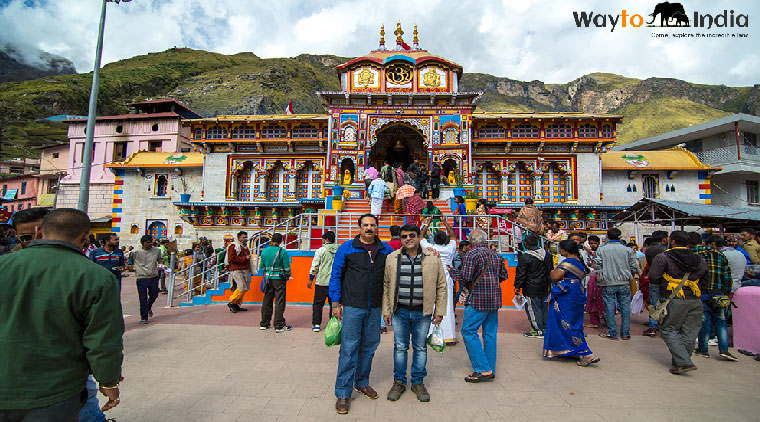
Badrinath Kedarnath Yatra
- Visit Special Pooja at Shri Kedarnath Temple
- Visit Devprayag
 4D / 3N
Agra Mathura Vrindavan Tour from Delhi
- Temples of Mathura
- Temples of Vrindavan
 6D / 5N
Badrinath Yatra
- Visit Har ki pauri for Famous Aarti of Holy Ganges
- Visit Mana Village,
 7D / 6N
Gurudwara In Punjab Tour
- Visit Gurdwara Sisganjji
- Visit Gurdwara Bangla Sahibji
 11D / 10N
North India Divya Desam Tour Package: 7 Vada Naadu Temples in 11 Days
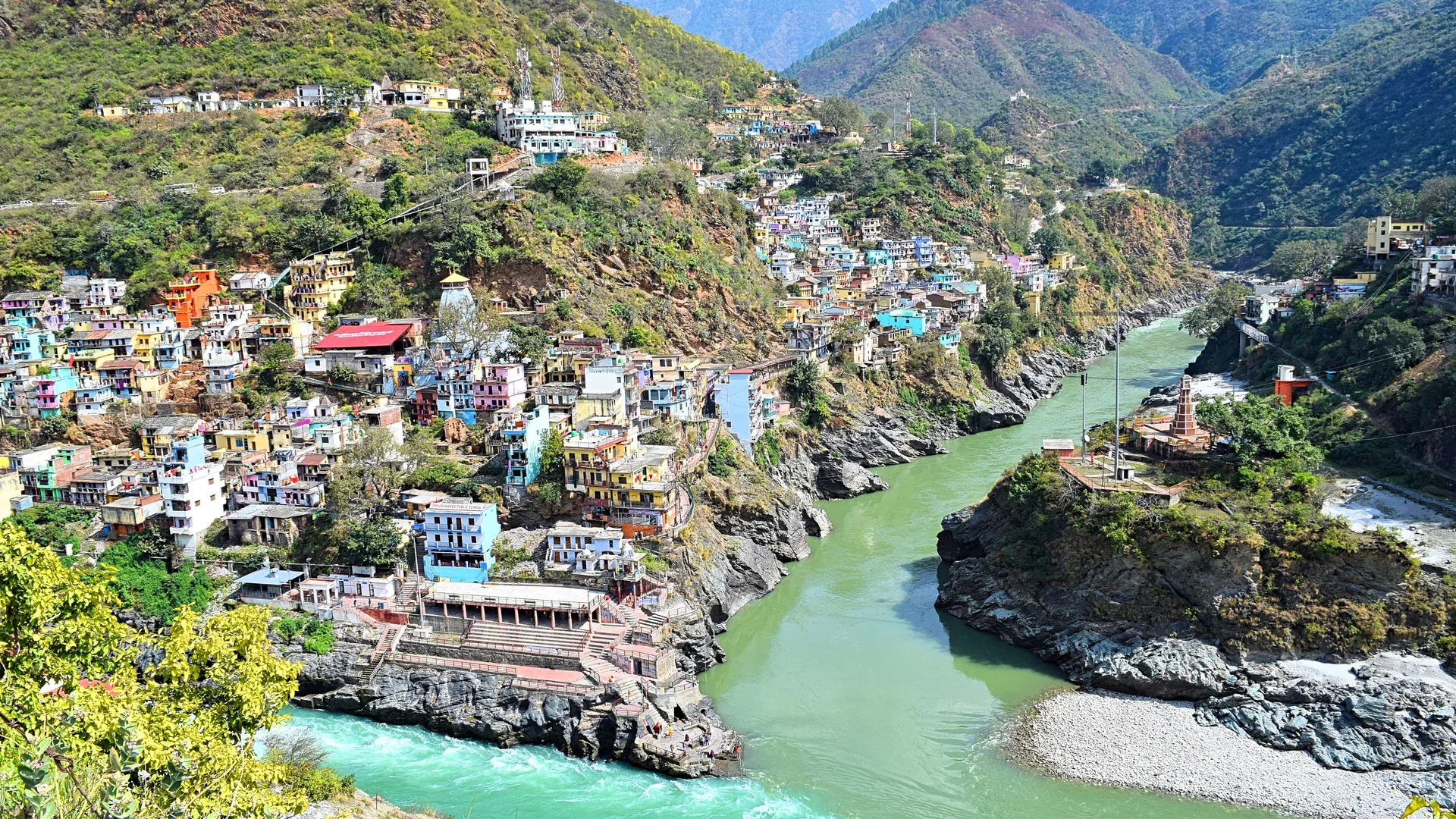
- All 7 North India Divya Desams in one 11 day circle: Mathura, Gokul, Naimisharanya, Ayodhya, Devprayag, Joshimath and Badrinath
- Built around the Badrinath opening window, with assistance and guidance for your mandatory Uttarakhand yatra e-registration
 13D / 12N
Sapta Puri Yatra
- Visit Ayodhya
- Mathura’s Keshav Dev Temple
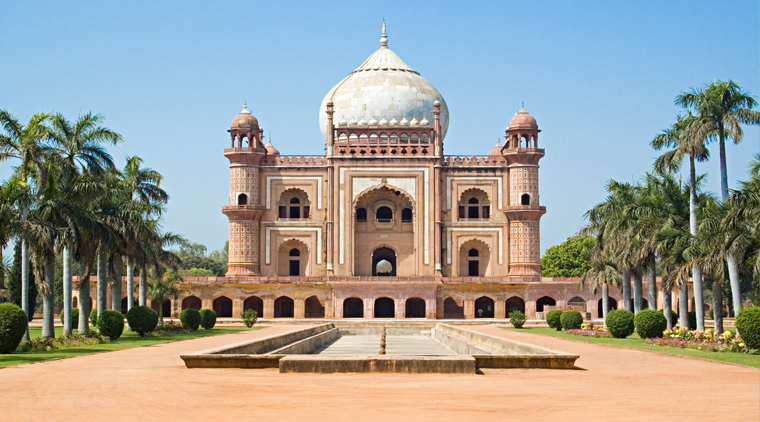 2D / 1N2.0
Agra Jaipur Tour
- Visit Taj Mahal
- Visit Fatehpur Sikri
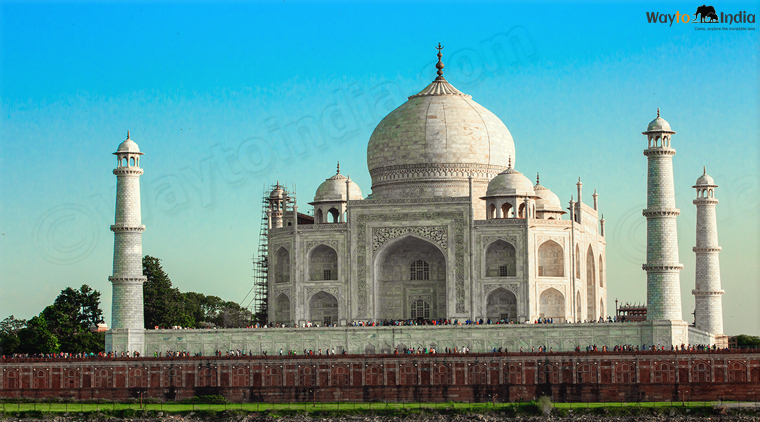 1D
1DAgra Fatehpur Sikri Tour
- Visit Taj Mahal
- Visit Agra fort
 6D / 5N
Haridwar Rishikesh Varanasi Tour Package from Delhi
- Haridwar
- Rishikesh