Pahalgam Travel Guide
The best months are April to June and the September to October autumn. July to August is the busy Amarnath Yatra and monsoon-edge season, and deep winter brings the Chillai Kalan...
When to visit Pahalgam, and the yatra season
The best months are April to June and the September to October autumn. July to August is the busy Amarnath Yatra and monsoon-edge season, and deep winter brings the Chillai Kalan snow.
- April to June: lush and pleasantThe classic Kashmir summer: green meadows, the Lidder running full, snow still on the high peaks and comfortable days. Pahalgam sits at about 2,200 metres, so even in summer the valleys stay cool and the evenings are cold, and this is the most popular window, so book ahead.
- September to October: golden autumnCrisp, clear days and beautiful autumn colour, with fewer crowds than peak summer. A lovely, quieter time to walk the valleys, though nights turn cold quickly, so carry a warm layer.
- July to August: yatra and monsoon edgeThese weeks bring the Amarnath Yatra crowds and heavy security, and the wider plains monsoon brings some humid, showery days. The valley itself stays mild, but a leisure trip is gentler outside this window.
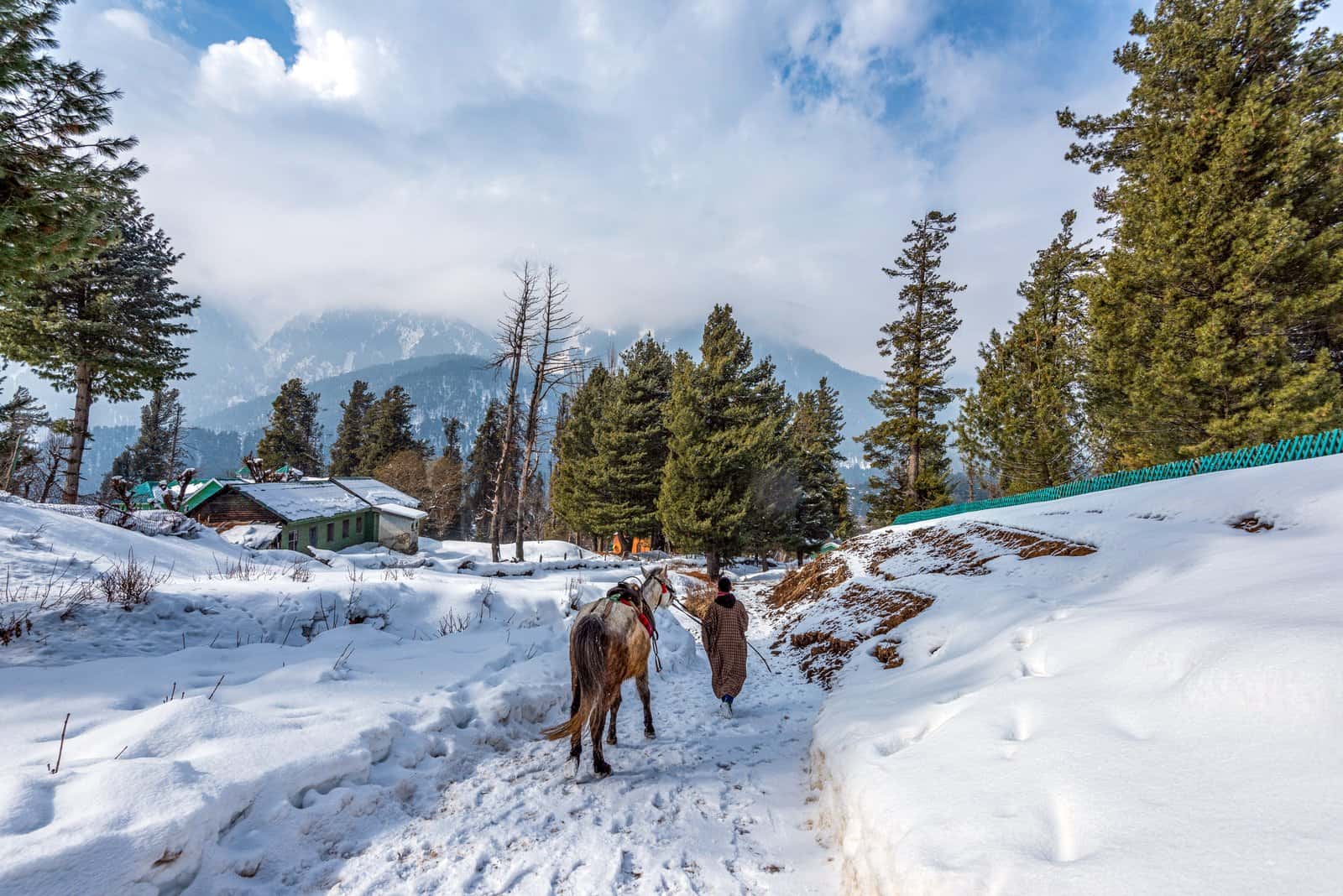
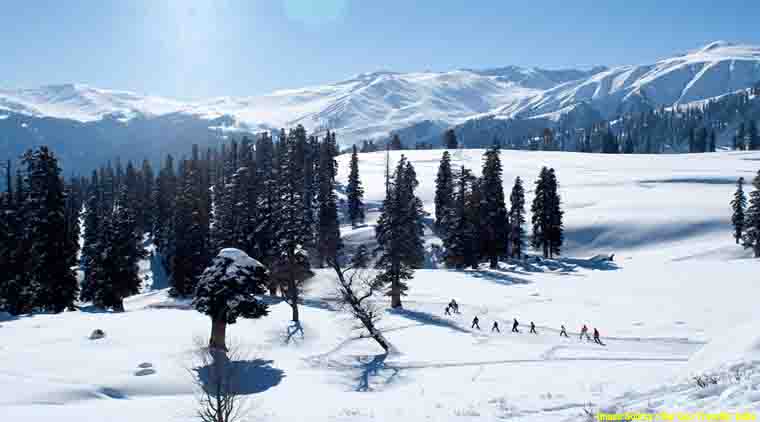
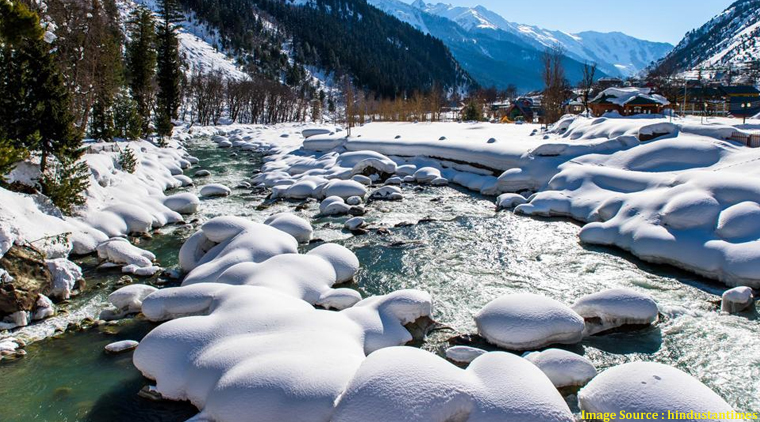
- December to February: snow and Chillai KalanHeavy snow blankets Pahalgam, stunning for snow lovers, but the roads up to the valleys can close. The deep-winter Chillai Kalan, the harshest cold spell, runs from about 21 December to about 29 or 31 January, so keep plans flexible and check conditions.
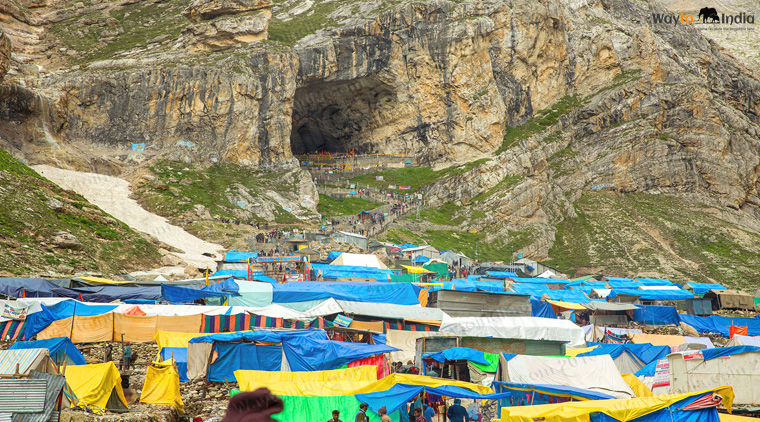
Pahalgam is a base for the Amarnath Yatra, whose Pahalgam-side route starts at Chandanwari. For 2026 the Shri Amarnathji Shrine Board scheduled the yatra from about 3 July to about 28 August 2026, a roughly 57 day pilgrimage ending around Raksha Bandhan, with advance registration that opened on about 15 April 2026 through the official portal, app and over 550 designated bank branches. Across those weeks the town fills with pilgrims and heavy security, and accommodation tightens. For a calm leisure visit, prefer late spring or autumn; if you are going for the yatra, register through the official Shrine Board and plan well ahead, and treat dates as subject to official change.
How to reach Pahalgam, and getting around once there
Almost everyone reaches Pahalgam by road from Srinagar, usually as part of a wider Kashmir circuit. Once there, the one rule that shapes your day is that only union taxis go up to the valleys.
- By air to Srinagar, then roadSrinagar airport is about 90 km away, roughly a 2.5 to 3 hour drive. From there a taxi or private car brings you to Pahalgam, often with a stop at Anantnag or a saffron-field photo halt. There are no flights into Pahalgam itself.
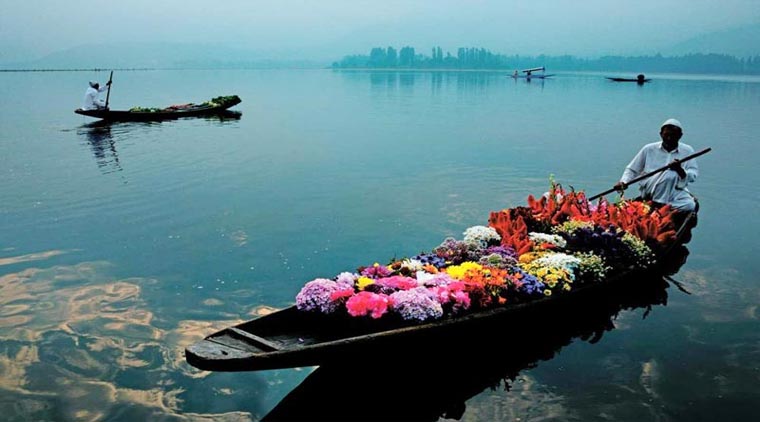
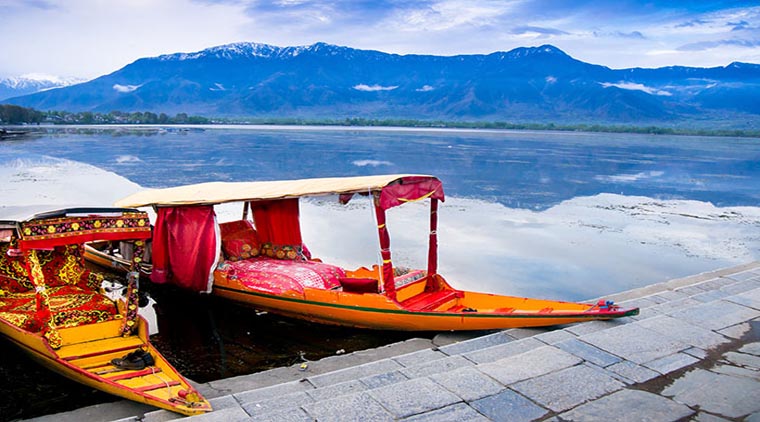
- As part of a Kashmir circuitMost trips pair Pahalgam with Srinagar (the Dal Lake houseboats), Gulmarg and Sonamarg over several days. We arrange a car with an experienced local driver for the whole loop, which keeps the long valley roads stress-free.
- No railway at PahalgamThere is no railway station in Pahalgam itself. The Kashmir Valley rail line serves Anantnag and Qazigund, but the practical and reliable approach for visitors is by road from Srinagar.
- Getting around: union taxis to the valleysWithin Pahalgam, the core town is walkable, but the valleys (Aru, Betaab, Chandanwari) are reached only by the local union taxi from the Pahalgam stand, not by your own car. This is covered in detail in the sights and costs sections below, and it is the single most useful thing to know before you arrive.
Fly into Delhi, the main international gateway, then take a domestic flight to Srinagar and drive about 2.5 to 3 hours to Pahalgam. There are no international flights to Kashmir.
Fly into Delhi and connect to Srinagar, then continue by road. Allow most of a day for the journey from your arrival into the valley.
Fly or drive to Srinagar, then it is a 2.5 to 3 hour road journey to Pahalgam, usually within a multi-day Kashmir tour that loops in Gulmarg and Sonamarg.
The three valleys, Baisaran, and the union-taxi rule
Pahalgam is its three valleys, Betaab, Aru and Chandanwari, plus the Lidder river and the Baisaran meadow. The one rule that shapes your day: only union taxis go up to the valleys.
- Only union taxis to the valleysAru, Betaab and Chandanwari are reached only by the local Pahalgam taxi union; private and outside cabs, including the car that brought you from Srinagar, cannot drive up. Hire a union taxi at the Pahalgam stand, where the rates are fixed and posted on a board, so there is no haggling. This is the single most useful thing to know in Pahalgam, and it is normal and protective, not a scam.
- Betaab ValleyA lush, film-famous valley of meadows and pine about 12 km from town, with the Lidder running through. Named for the Bollywood film shot here, it is the easiest and most photogenic of the three, with short walks and pony rides.
- Aru ValleyA beautiful meadow village about 12 km up the Lidder and the trailhead for longer treks towards the Kolahoi glacier and Lidderwat. Quieter and more open than Betaab, lovely for a gentle walk or a picnic by the river.
- ChandanwariHigher and often snow-dusted even in summer, about 16 km from town, this is the starting point of the Amarnath Yatra. Mind the altitude, take the walk gently, and enjoy the snow bridges in the early season.
Around the town, the Baisaran meadow about 5 km away (the Mini Switzerland reached on foot or by pony), the Lidder river for rafting and angling, and the riverside walks and high golf course fill an easy extra day. Pony, sledge and raft rates are local and negotiable, so agree them first. Note that Baisaran was the site of the April 2025 attack and was reported still restricted into 2026, so confirm whether it is open before you plan it in; see the safety section below.
Signature experiences in Pahalgam
Beyond the drive-through, these are the experiences people remember, and how to arrange them without the overcharged version.
- The three-valley day by union taxiThe signature Pahalgam day: a union taxi to Betaab, Aru and Chandanwari with short walks and pony rides at each. Book at the stand against the posted rates, start early, and carry layers, as the valleys are cool even in summer and Chandanwari can be cold any time of year.
- A pony ride or walk towards BaisaranThe high meadow often called Mini Switzerland, about 5 km from town, is a gentle scenic outing, best in the calm of morning, with pony rides quoted at around 1,320 rupees per person in 2026. Because it was the April 2025 attack site and was reported still restricted into 2026, confirm it is open before counting on it, and prefer the QR-coded registered pony operators.
- Lidder river raftingShort, fun white-water stretches on the Lidder suit families and first-timers; a beginner run of roughly 3 km has been charged at about 500 rupees per person, varying by stretch and operator. Use a recognised operator, wear the life jacket, and agree the stretch and price beforehand.
- Riverside walks and the golf coursePahalgam is made for slow walks along the Lidder, through pine and past shepherd huts, with one of India's highest golf courses, at about 7,250 feet, on the edge of town. A relaxed counterpoint to the valley drives.
- Treks from Aru ValleyFor the active, Aru is the gateway to longer Kashmir treks, such as towards the Kolahoi glacier, Lidderwat and Tarsar Marsar, and a multi-day route to Tulian Lake via Baisaran. Go with a local guide, the right permits and proper acclimatisation.
- The Amarnath Yatra, for pilgrimsFor pilgrims, Pahalgam is the traditional, gentler route to the Amarnath cave, starting at Chandanwari. Register through the official Shri Amarnathji Shrine Board, go with the medical and fitness preparation it advises, and expect crowds and tight security in season.
If you do only one thing slowly, make it a morning walk along the Lidder before the day-trip taxis fill the valleys. The river, the pine and the early light are the quiet heart of Pahalgam, and they are free. Give the valleys an unhurried start and the town an unhurried evening, and Pahalgam opens up in a way a single drive-through day never allows.
Where to stay in Pahalgam, and how many nights
Stay by the Lidder in or near the main town to be close to the stand and the walks, or in a quieter resort on the edge for calm and views. Two nights is the sweet spot.
- Riverside and main town: close to everythingHotels along the Lidder and near the main market keep you close to the taxi stand, the riverside walks and the restaurants. Convenient and atmospheric, and the natural base for an early start to the valleys. Best for first-timers and for seniors who want to limit walking.
- Quieter edge-of-town resortsLarger properties a little out of the centre offer gardens, river or valley views and a calmer feel, but you will rely on a car or taxi into town. Better for couples and families who want to slow down, and a good honeymoon choice.
- How many nightsTwo nights is the sweet spot: one full day for the three valleys by union taxi and one for the riverside walks, the golf course and a gentle pony ride or raft. One night lets you see the valleys but feels rushed; a third night suits walkers heading up to Aru for a trek.
- Book ahead in peak seasonRooms tighten sharply in the April to June peak and during the July to August yatra weeks, when pilgrims and security fill the town. Book well ahead for those windows, and reconfirm before you travel in winter, when some properties run limited service.
During the Amarnath Yatra, roughly early July to late August in 2026, Pahalgam fills with pilgrims and security and rooms become scarce and dearer. If your dates fall in that window, book well ahead, expect a busier, less restful town, and consider basing your leisure nights in the quieter weeks on either side.
Pahalgam costs: union taxis, ponies and a realistic budget
The big in-town cost is the union taxi for the valleys, and the rates are posted and fixed. Here is what the main things cost so you can plan and avoid being overcharged.
- Union taxi for the three valleysThe combined Aru, Betaab and Chandanwari run is widely quoted at about 1,700 to 2,050 rupees for a small car and about 2,300 to 3,000 rupees for an SUV in 2026. Older WayToIndia tour notes recorded about 1,400 rupees for a Maruti van, about 1,600 rupees for a Tata Sumo and about 1,800 rupees for a Tavera or Innova. Rates are revised annually, so check the posted board at the stand.
- Ponies, sledges and raftingA pony ride towards Baisaran is quoted at around 1,320 rupees per person in 2026, a beginner Lidder raft stretch at about 500 rupees per person, and any small local or development fee, where charged, is typically around 50 to 100 rupees per person. These are negotiable and quoted high, so agree the rate and the distance or stretch before you start.
- Where the price is fixed, and where it is notThe union taxi fares are the rare in-town prices that are fixed and posted, which makes them a useful anchor. Pony, sledge and raft rates, by contrast, are negotiable and routes can be cut short, so the single habit that saves money in Pahalgam is to settle the price and the route before anything begins.
- Cash, cards and ATMsCarry enough cash for the day: ponies, sledges, small eateries and the taxi stand mostly run on cash, and mobile signal in the valleys can be patchy. There are bank ATMs in the main town, but draw what you need before heading up to the valleys.
Everything except the posted union-taxi fare is negotiable, so the single habit that keeps a Pahalgam day smooth is to agree the price and the route before it begins, whether that is a pony, a sledge, a raft or a guide. Quotes to visitors start high and the route can be quietly shortened, so a sum and a destination agreed in advance turns the town's only friction into a non-event.
Practical logistics: taxis, money, SIM and altitude
The small things that make a Pahalgam day smooth, from how the taxi stand works to ATMs, signal, the altitude and what to pack.
- How the taxi stand worksYour Srinagar car drops you in Pahalgam, and you switch to a union taxi at the stand near the bus stand for the valleys; the tourist taxi union office is near Lalkothi in the main market. Rates are posted by vehicle type, so read the board, pick your vehicle and confirm the run before you set off.
- Money, signal and SIMCarry cash for ponies, sledges, rafts and small eateries; ATMs are in the main town but the valleys are cash places. Mobile coverage in town is generally fine but can drop in the higher valleys. Note that prepaid SIMs from outside the region can be unreliable in Jammu and Kashmir, so postpaid connections and a local arrangement work best.
- Altitude and what to packPahalgam is at about 2,200 metres and Chandanwari is higher, so even in summer pack a warm layer, a waterproof, good walking shoes and sun protection. Take the climbs gently if you are not used to altitude, and keep the first hours easy after the drive up.
- Language and timing the dayKashmiri, Urdu and Hindi are spoken, and English is widely understood in the tourist trade. Start the valley day early, before the taxis queue and the meadows fill, and keep the late afternoon for the riverside town, which is the calmest, prettiest part of a Pahalgam day.
Safety after the 2025 attack, scams and staying well
Pahalgam is welcoming and well-run for tourists, but you deserve an honest, current picture of the security situation and the everyday rate scams, so the trip stays calm and happy.
- The 2025 attack and the current pictureOn 22 April 2025 an attack at the Baisaran meadow above Pahalgam killed 26 civilians. In response, security across Kashmir's tourist areas was substantially increased, many spots were temporarily shut, and most reopened in phases through 2025 and 2026 with stepped-up patrols and a QR-code identity system for registered pony operators and guides. Baisaran itself was reported still restricted into 2026.
- Check official advisories close to your datesThe situation can change, so check your own government's travel advice and the current Indian official advisories close to your travel date, confirm which spots are open, stay within established tourist zones, and follow any instructions from the tourist police and your operator. A reputable operator helps you plan responsibly and keeps you to the open, patrolled areas.
- The pony, sledge and raft rate scamThe most common everyday friction is overcharging: pony, sledge and rafting prices are quoted high to visitors and routes can be quietly cut short. Agree the rate and the full route or stretch before you start, especially at the valleys, and prefer the QR-coded registered operators where they are in place.
- Altitude, weather and healthTake the altitude gently, especially at Chandanwari, carry layers and a waterproof, and drink bottled or filtered water. Weather turns fast in the mountains, so start early, watch the sky on the high valleys, and keep flexible if snow or rain closes a road.
The April 2025 attack was a tragedy, and it is right to take it seriously. At the same time, by 2026 lakhs of tourists had returned to Pahalgam, security was visibly heightened, and most spots reopened under tighter vetting. The honest position is neither alarm nor blanket reassurance: check the current official advisories yourself close to your dates, travel with a reputable operator, keep to the open and patrolled areas, and confirm whether a specific spot such as Baisaran is open before you build it into the plan.
Pahalgam for every kind of traveller, and on access
Pahalgam rewards very different visitors in different ways. Here is what it offers you and the one tip that matters for each, including how a senior enjoys the valleys comfortably.
- Couples and honeymoonersOne of Kashmir's most romantic spots: the valleys, the Lidder, riverside walks and a quiet pine-scented town. A two-night stay lets you enjoy the valleys without rushing, with a calmer edge-of-town resort for the evenings.
- Families with childrenEasy and fun, with pony rides, snow at Chandanwari, gentle rafting and open meadows. Use the union taxis, keep the day relaxed, agree all pony and raft rates first, and let children enjoy the river and the snow.
- Senior travellers and on accessibilityVery doable with care. Take the valleys by union taxi rather than long walks, go gently with the altitude at Chandanwari and stop if you feel breathless, choose a riverside hotel in town to limit walking, use a pony for the gentle meadow stretches, and avoid the yatra-season crowds for a calmer visit.
- PhotographersBetaab's meadows, the Lidder, the autumn colour and the snow bridges at Chandanwari are superb. Early morning gives the softest light and the quietest valleys before the day-trip taxis arrive; ask before photographing people.
- PilgrimsPahalgam is the traditional Amarnath route via Chandanwari. Register officially through the Shrine Board, prepare for the altitude and the crowds, and treat the yatra as a serious mountain pilgrimage, not a casual add-on.
- Walkers and the activeAru Valley is the gateway to longer Kashmir treks such as towards the Kolahoi glacier and the Lidderwat meadows. Go with a local guide, the right permits and proper acclimatisation, and build in a rest day at altitude.
A suggested Pahalgam itinerary
How to shape one or two unhurried days so you catch the valleys at their quiet best and keep the riverside town for the calm evenings.
- Day one: the three valleysStart early at the taxi stand, read the posted fares, and take a union taxi to Betaab, Aru and Chandanwari with short walks and pony rides at each. Carry layers and water, agree any pony rate first, and you will be back in town by late afternoon for a riverside walk.
- Day two, morningWalk along the Lidder while the light is soft, or take a gentle pony ride or a beginner raft. If Baisaran is open and you have confirmed it, an early pony ride to the meadow is lovely before the day fills.
- Day two, afternoonSlow down: the golf course edge, a riverside cafe, and the quiet pine paths. A second night turns a tick-the-box valley drive into the calm mountain pause that Pahalgam does best.
- The one-day versionOn a tight Kashmir loop you can do the three valleys by union taxi in a single full day from Srinagar, but you will miss the gentle riverside town that is half the pleasure of Pahalgam. An overnight is well worth it.
The single thing that breaks a tight Pahalgam plan is not knowing you must switch to a union taxi in town for the valleys, then losing the morning to the queue. Build your day so you reach the stand early, read the posted board, take the combined three-valley run, and keep the calm riverside town for the late afternoon, and the day flows without friction.
The real questions travellers ask about Pahalgam
Straight answers to the questions that come up again and again on traveller forums, so you arrive already knowing the score.
- Can I use my own Srinagar taxi for the valleys?No. The local union does not allow outside cabs up to Aru, Betaab or Chandanwari, even if you have hired a car for the whole Kashmir trip. Your car drops you in Pahalgam and you switch to a union taxi at the stand, where the fares are fixed and posted. This is normal and protective, not a scam.
- What do the union taxis actually cost?The combined three-valley run is widely quoted at about 1,700 to 2,050 rupees for a small car and about 2,300 to 3,000 rupees for an SUV in 2026, with rates revised annually and posted on a board at the stand. Older WayToIndia tour notes recorded about 1,400 rupees for a Maruti van and about 1,800 rupees for a Tavera or Innova, so always read the current board.
- How many days do I need?Two nights is ideal: one full day for the three valleys by union taxi and one for the riverside walks, a pony or a raft. One night lets you see the valleys but feels rushed, and a one-day round trip from Srinagar misses the gentle town entirely.
- Is Pahalgam safe to visit now?After the April 2025 attack, security was substantially increased and most spots reopened in phases by 2026, with lakhs of tourists returning, though Baisaran itself was reported still restricted. The honest answer is to check the current official advisories close to your dates, travel with a reputable operator, keep to open patrolled areas, and confirm which spots are open.
- Is Baisaran open and how much is the pony?Baisaran, the Mini Switzerland meadow and the site of the 2025 attack, was reported still restricted into 2026, so confirm before you count on it. Pony rides to it are quoted at around 1,320 rupees per person in 2026; agree the rate and route first and prefer the QR-coded registered operators.
- When is the Amarnath Yatra in 2026?For 2026 the Shri Amarnathji Shrine Board scheduled the yatra from about 3 July to about 28 August, a roughly 57 day yatra, with registration from about 15 April. The Pahalgam-side route starts at Chandanwari. Those weeks bring crowds and tight security, so a leisure visit is gentler outside them; treat dates as subject to official change.
Planning Pahalgam from abroad
Pahalgam is a highlight of the classic Kashmir loop. A little preparation on the route, the union taxis and the current situation makes it smooth and reassuring.
- Check official advisories before you bookKashmir reopened in phases and lakhs of tourists returned by 2026, with security visibly heightened after the April 2025 attack, but as an overseas visitor check your own government's travel advice and the Indian official advisories close to your dates, confirm which spots are open, stay within established tourist zones, and follow local guidance. A reputable operator helps you plan responsibly.
- Fly via Delhi to SrinagarThere are no international flights to Kashmir. Fly into Delhi, connect to Srinagar, then drive about 2.5 to 3 hours to Pahalgam, usually within a guided Kashmir circuit that loops Srinagar, Gulmarg and Sonamarg.
- Understand the union-taxi systemOnly local union taxis go up to the valleys, at fixed posted rates of about 1,700 to 3,000 rupees for the combined three-valley run depending on the vehicle. This is normal and protective, not a scam, so switch to a union taxi at the Pahalgam stand and enjoy the day without haggling.
- Gentle and senior-friendly with planningTake the valleys by taxi rather than long walks, go easy with the altitude at Chandanwari, choose late spring or autumn over the busy yatra weeks, and stay riverside in town to limit walking. Comfortable and rewarding for families and older travellers with a sensible pace.
Money, connectivity and timing for foreign visitors
The practical basics an overseas traveller needs for a mountain town: cash, cards, a SIM, the altitude, and how many days to give Pahalgam on a wider Kashmir trip.
- Carry cash, expect to bargain on extrasThe union-taxi fares are fixed and posted, but ponies, sledges, rafts and small eateries run on cash and are negotiable. Draw cash in the main town, keep small notes for the valleys where ATMs and signal thin out, and agree all extra rates first.
- SIM and signal in KashmirPrepaid SIMs issued outside the region can be unreliable in Jammu and Kashmir, so a postpaid connection or a local arrangement works best, and coverage drops in the higher valleys. Set up maps and any messaging you need while you have signal in town.
- Mind the altitudePahalgam is at about 2,200 metres and Chandanwari is higher, so take the first hours easy after the drive up, climb gently, and carry warm layers and a waterproof even in summer. The valleys stay cold and the weather turns fast.
- How long to give it on a bigger tripOn a Kashmir loop, two nights in Pahalgam is the right weight alongside Srinagar's houseboats, Gulmarg's gondola and Sonamarg: enough for the three valleys and a gentle riverside day, without slowing the whole itinerary. Time it for April to June or September to October for the kindest weather.
Pahalgam is the soft, green heart of a Kashmir circuit: the river, the pine and the meadows that the valley is famous for, at a gentler pace than the busier Srinagar or Gulmarg days. Give it two nights, take the valleys slowly by union taxi, keep an eye on the official advisories, and travel with a reputable operator, and it tends to be the part of the trip that overseas visitors remember most warmly.
Why it is called Pahalgam, the village of shepherds
Pahalgam takes its name from the shepherds of the valley. In the local tradition the name comes from the Kashmiri words for a shepherd and a village, so Pahalgam is read as the village of shepherds, a place where flocks were brought up the Lidder to the high summer meadows of Aru, Baisaran and beyond. The river itself, the Lidder, gives the town its character: it gathers from the snowmelt of the Kolahoi glacier and the high lakes above Aru, runs cold and clear through the pine, and feeds the meadows that draw walkers, pilgrims and shepherds alike. There is no single ancient verse that fixes the name, and you will see slightly different spellings and folk readings locally, so we give the shepherd-village tradition honestly as tradition rather than as a settled scriptural fact.
Planning a Pahalgam trip?
Our Jammu And Kashmir travel experts plan your full journey for you: route, hotels, darshan timings and transport. You get a free day-by-day plan and an exact quote on WhatsApp, usually within a few hours. No payment is needed to get your plan.
Tour packages that visit Pahalgam
Every journey below is private, hand-crafted and fully customizable. Tell us your dates and we tailor the itinerary, the pace and the priests or guides around you.
 2D / 1N
Amarnath Yatra By Helicopter
- Visit Amarnath Shivlingam
 8D / 7N
Amarnath Yatra
- Visit Panchtarani
- Visit Amarnath
 6D / 5N
Kashmir Tour Packages from Mumbai
- Mughal Gardens
- Dal Lake
 8D / 7N
Kashmir Tour Package
- Visit Sheer Scenic Beauty of this Paradise on Earth
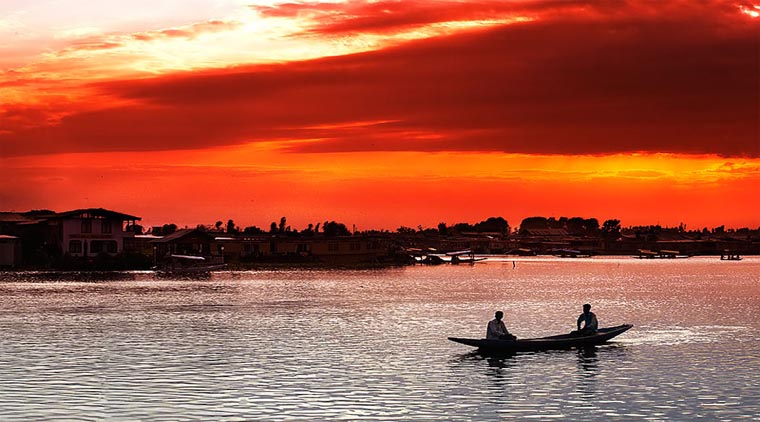
- Visit Pristine Waters of Dal Lake with Reflections of Houseboats
 7D / 6N
Kashmir Tour Package from Ahmedabad
- Gulmarg
- Shikara Lake
 5D / 4N
Charismatic Kashmir Tour
- Visit Sindh Valley
- Visit Pahalgam
 7D / 6N
Kashmir Tour Package from Kolkata
- Visit Dal Lake Strawberry Valley Pony Riding Chandanwari
 6D / 5N
Kashmir Tour
- Visit Dal Lake
- Visit Mughal Garden