Srinagar Travel Guide
The valley is at its most beautiful from April to October , with the famous tulips for only a few weeks in spring and the snow for Gulmarg skiing in winter. The seasons here are...
When to visit Srinagar, the tulips, and the snow
The valley is at its most beautiful from April to October, with the famous tulips for only a few weeks in spring and the snow for Gulmarg skiing in winter. The seasons here are sharply different, so decide what you are coming for before you book.
- April to October: the valley in bloomThe classic season, with the Mughal gardens in flower, pleasant days and the lakes at their best. Spring and early summer are loveliest for the gardens and the houseboats, with daytime highs commonly around 25 to 30 degrees and cool nights. Autumn, through October, turns the chinar trees deep gold and is quieter than the summer rush.
- The tulips, for a few weeks onlyThe Indira Gandhi Memorial Tulip Garden, said to be Asia's largest, opens for only about three to four weeks from mid to late March into April. In 2026 it opened around 16 March, roughly ten days early after a warm February, with peak bloom usually in the first half of April. If the tulips are your reason to come, the window is narrow and shifts with the weather, so plan around them and reconfirm the opening before you fix flights.
- July to September: greener but wetterHigh summer stays mild in the valley but brings the occasional spell of rain, and the Amarnath Yatra season makes Pahalgam and the pilgrim routes busier and more tightly controlled. It is still a fine time for the lake and the gardens, just less reliable for clear mountain views on the day trips.
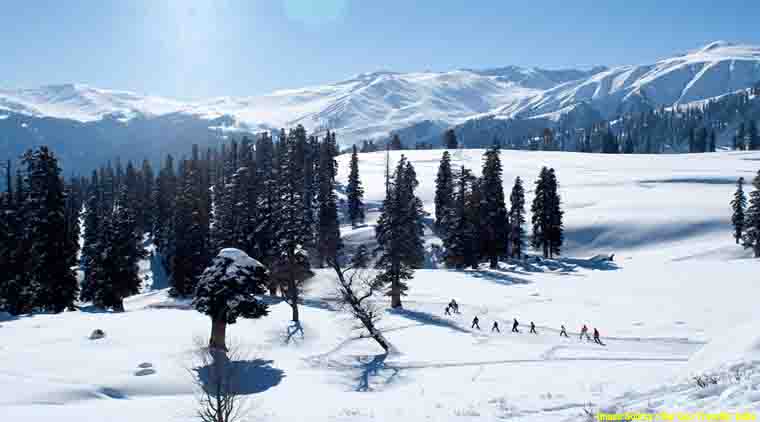
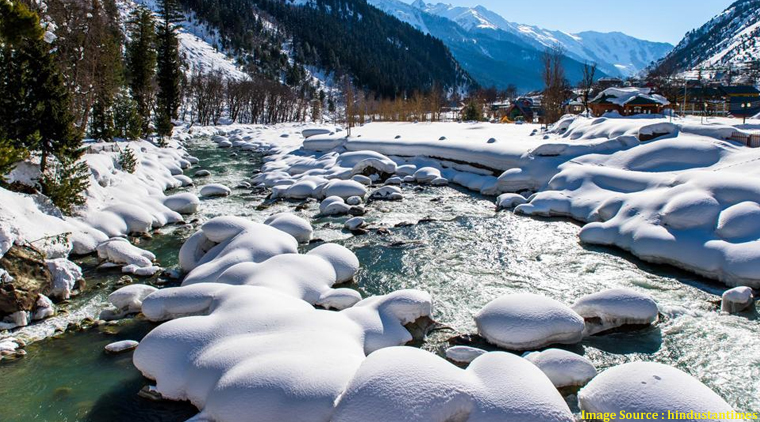
- December to February: snow and skiingDeep winter brings heavy snow and turns Gulmarg into a serious ski resort, with the high gondola the draw. It is beautiful and genuinely cold, with the occasional road or flight disruption, so keep flexibility in the plan and carry proper warm layers. The new train is the steadier way in when winter weather closes the airport.
Kashmir is really three or four different trips depending on when you come. Spring is gardens and the brief tulip spectacle; summer is green meadows and cool lake evenings; autumn is golden chinars and fewer crowds; winter is snow and skiing at Gulmarg. None is wrong, but they are not interchangeable, so decide which one you are after, and read the safety section below for the same dates before you commit.
How to reach Srinagar, including the new Vande Bharat train
You can fly into Srinagar in about an hour and a half from Delhi, or take the new all-weather Vande Bharat through the mountains, a more reliable and scenic way in. Getting the rail detail right matters, because the train's origin moved from Katra to Jammu Tawi in 2026 and many pages still describe it wrongly.
- The new Vande Bharat rail link to SrinagarThe Udhampur-Srinagar-Baramulla line, opened across the record Chenab and Anji bridges in 2025, finally connects Kashmir to the railway. The Vande Bharat first ran from Shri Mata Vaishno Devi Katra (SMVD Katra) to Srinagar from June 2025; on about 30 April 2026 it was extended to start from Jammu Tawi, so it now runs Jammu Tawi to Srinagar, calling at Katra, Reasi and Banihal, in about four and a half hours, six days a week (the maintenance day is Tuesday), for fares of roughly 715 to 1,515 rupees by class. Because the origin moved from Katra to Jammu Tawi in 2026, a lot of pages still show the old Katra-only origin or an outdated timetable, so book on the current schedule.
- By air to SrinagarSrinagar airport (SXR) has frequent flights from Delhi (about 75 to 90 minutes), Mumbai, Bengaluru and other metros. Flying is the quick option, but winter weather can delay or divert flights, which is exactly where the all-weather train helps. If your trip is in deep winter, it is worth keeping the train in mind as a fallback.
- By road on the NH44 highwayThe Jammu-Srinagar national highway (NH44) is the historic road in, scenic but long and prone to closures from landslides and snow, especially in winter. Most travellers now prefer the train or the flight, but a private car is still how you get around the valley itself and out to the day trips.
- Getting around the valleyWithin Srinagar and out to Gulmarg, Pahalgam and Sonmarg, a car with a local driver is the easy and usual way, and we arrange one. On the lakes themselves, the shikara is the way to travel, gliding you to your houseboat and across the still water at dawn.
Fly into Delhi, then take a short flight to Srinagar, or train to Jammu or Katra and ride the new Vande Bharat up. There are no direct long-haul flights to Kashmir. Before you book, read your own government's current advisory for Jammu and Kashmir, covered honestly in the safety and overseas sections below.
Fly into Delhi and connect to Srinagar by air or via Jammu or Katra by the new rail link. Some seasonal direct flights to Srinagar operate from the Gulf, so ask us what is running for your dates.
Srinagar is a short flight from the big metros, and now reachable by the all-weather Vande Bharat from Jammu Tawi (via Katra), itself well connected by train from Delhi and across the north. Srinagar is also the gateway to Ladakh by the Srinagar-Leh highway over the Zojila pass.
The gardens, the gondola, the day trips, and what you pay
Srinagar is the Mughal gardens and the lakes, with Gulmarg, Pahalgam and Sonmarg an easy day trip each. Most of it costs very little; the lake life and the old city have their own sections below.
- The Mughal gardensNishat Bagh and Shalimar Bagh, commonly about 24 to 30 rupees for an Indian adult, with Chashme Shahi (about 30 rupees adult, about 15 child) and the hillside Pari Mahal, are the great terraced Mughal gardens above Dal Lake, open about 9 am to 7 pm. Lovely, cheap and gentle, ideal for an easy afternoon with a cup of kahwa and a view down the lake. Foreign-national rates are a little higher, often around 60 to a few hundred rupees.
- The tulip garden, in seasonThe Indira Gandhi Memorial Tulip Garden charges about 75 rupees for an Indian adult, about 30 for a child and about 200 for a foreign national for 2026, open about 9 am to 7 pm. It is open only for the few spring weeks, so it is a seasonal treat, not a year-round sight, and older pages quoting the previous higher fees are out of date after the 2026 revision.
- Gulmarg and the gondolaAbout 50 km away, Gulmarg has one of the world's highest cable cars: Phase 1 to Kongdoori (about 2,650 m) is commonly about 740 to 810 rupees and Phase 2 up to Apharwat (about 3,950 m) about 920 to 1,010 rupees, so roughly 1,700 to 1,800 rupees for both per adult. Book through the official JKCCC or JKTDC channel ahead, because Phase 2 slots sell out in season.
- Pahalgam and SonmargPahalgam (about 90 km) has the Betaab and Aru valleys and the Amarnath base at Chandanwari; Sonmarg (about 80 km) has the Thajiwas glacier and is the gateway to Ladakh and the Zojila pass. Each makes a beautiful full-day return trip from Srinagar by car.
At Gulmarg, Pahalgam and Sonmarg, the pony, sledge and guide rates are negotiated and often pushed hard, and this is the single most common friction reported by visitors. Agree the price and exactly what is included before you start, ideally through your driver or a registered provider, and stand firm on the route you actually want rather than the longer one being upsold. Many areas now have official pony-rate boards, so ask to see one.
Dal Lake, the shikara and choosing a houseboat
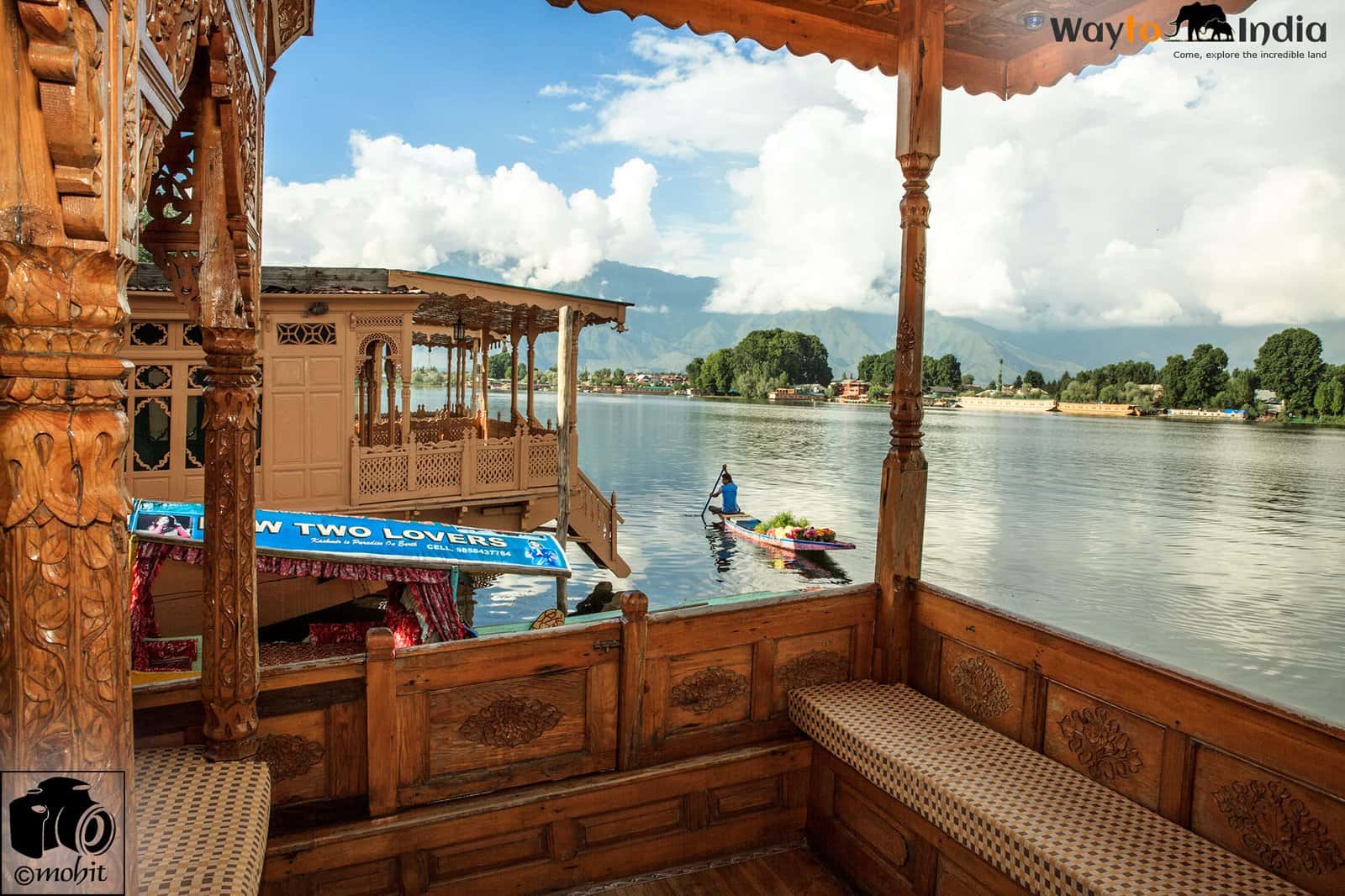
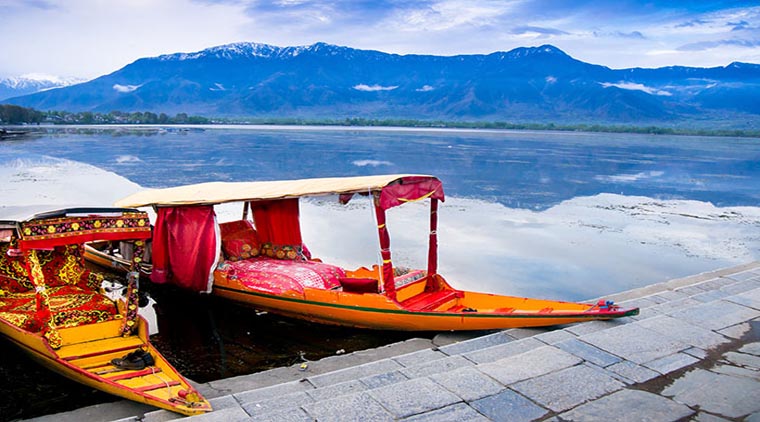
The heart of a Kashmir trip is the lake: a carved wooden houseboat for your nights and a shikara gliding you across the still water. Here is how to do it well, how to choose the right boat, and what a shikara should actually cost.
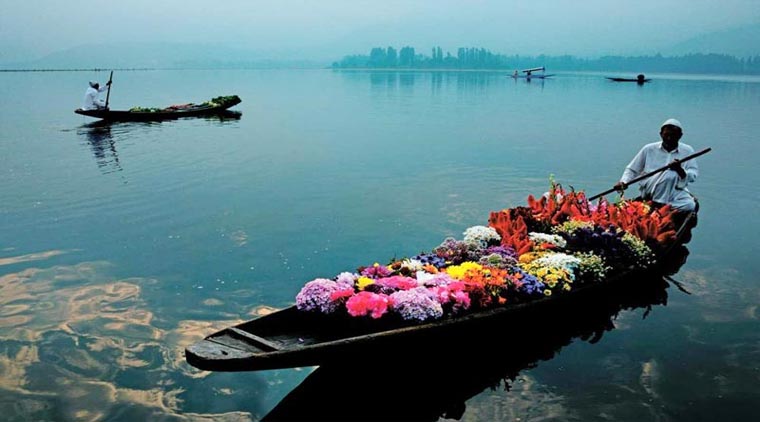
- Dal Lake or the quieter NigeenDal Lake is the famous, lively choice, central, with the floating vegetable market at dawn and most of the eateries and shops around it; its houseboats are usually reached by shikara. Nigeen Lake is quieter and cleaner, with many boats reachable on foot and a calmer view of the Zabarwan hills, lovely for a restful stay. A common plan is a night on each, which we are happy to arrange.
- Choose a registered, reviewed houseboatHouseboats range from simple to grand and quality varies enormously, so pick a registered, well-reviewed boat rather than whatever a tout suggests at the boulevard. On the forums, the recurring advice is to book a boat with real recent reviews and a named owner, confirm exactly which boat and which room, and be wary of a too-cheap pitch that turns into a hard sell on shikara rides and shopping. We book a trusted houseboat so you know precisely what you are getting.
- The official shikara rate cardShikara rides are charged by the boat, up to about four adults, by the hour, with rates notified by the authorities. The official Dal and Nigeen card is widely reported at about 770 rupees for one hour, about 1,210 rupees for two hours and about 1,650 rupees for three hours for 2026. Treat that as your anchor, agree the price and duration before you board, and you turn the lake's only real haggle into a non-event.
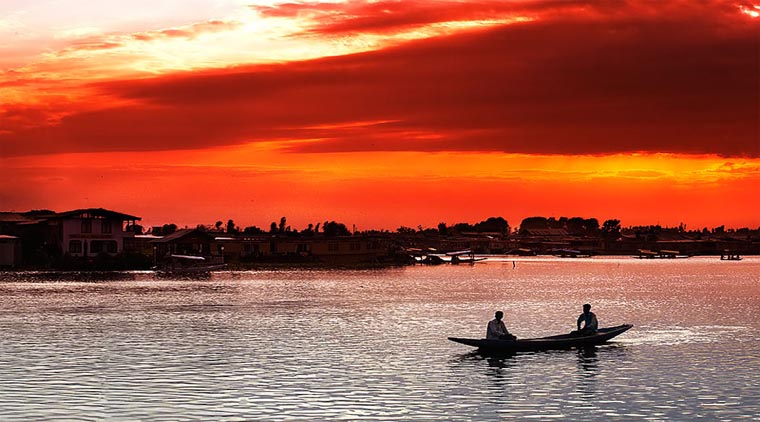
- A shikara at dawn, and what to expect on boardThe magic hour on the lake is sunrise, when the water is mirror-still and the floating market drifts by, so take an early shikara and let the morning unfold slowly. A houseboat itself is a gentle, old-fashioned stay: carved wood, a verandah over the water, home-cooked Kashmiri food and a cup of kahwa. Nights can be cool even in summer, so carry a light layer.
The most common bad first hour in Srinagar is being walked from the airport or boulevard onto an unbooked houseboat by a friendly fixer, then finding the boat, the room or the price is not what was implied, with pressure to buy rides and crafts on top. The fix is simple: arrive with a registered boat already booked, confirm the exact boat and room on arrival, and decline roadside offers politely. Do this and the lake becomes the calm highlight everyone remembers.
The old city: shrines, the great mosque and the hill temple
Beyond the gardens and the water, Srinagar's old city is a half-day of real culture: the lakeside Hazratbal shrine, the wooden Jamia Masjid, the hilltop Shankaracharya Temple and the bridges and bazaars of the Jhelum.
- Hazratbal shrineOn the northern shore of Dal Lake, the white-marble Hazratbal is the valley's most revered Muslim shrine, set against the Zabarwan hills with a serene lakeside setting. Dress modestly, expect a security check, and visit outside the busy Friday prayers if you want a calm look. It is an easy add-on to a Nishat or Nigeen morning.
- Jamia Masjid and the old cityThe 14th-century Jamia Masjid in the heart of the old city is a remarkable wooden mosque, its prayer hall held up by hundreds of tall deodar pillars (often counted at around 370), with a peaceful courtyard. Around it, the lanes of Nowhatta and the Jhelum bridges are the working, historic Srinagar most lake-only visitors never see.
- Shankaracharya Temple on the hillThe Shiva temple on Shankaracharya hill, above the city at around 1,000 feet of climb, gives the classic panorama over Dal Lake and the valley. There is a security check at the base and the last stretch is a flight of steps, so it suits those happy with a short climb; you can drive most of the way up. Cameras and phones may be restricted at the top, so check on the day.
- Crafts, kahwa and the bazaarsSrinagar is the home of genuine Pashmina, walnut woodwork, papier-mache and the saffron of nearby Pampore. Buy from a reputable, fixed-address shop rather than a lakeside tout, take your time, and never carry goods abroad for anyone you have just met. A cup of kahwa in the old city is the gentle way to end a culture morning.
Signature experiences in Kashmir
Beyond the views, these are the experiences people remember, and how to arrange them well rather than the rushed, overcharged version.
- A night on a houseboat and a dawn shikaraThe signature Kashmir experience: a carved houseboat on Dal or Nigeen, and a sunrise shikara through the still water and the floating market. Agree the rate against the official card, go early, and let it be slow. This single morning is what most people remember longest.
- The Gulmarg gondolaRide one of the world's highest cable cars up toward Apharwat for the snow and the views, beautiful even in summer. Book the slot ahead through the official channel, carry a warm layer for the top whatever the season, and agree any sledge or pony price first against the posted rate.
- A Pahalgam or Sonmarg day in the meadowsDrive out to the Betaab and Aru valleys at Pahalgam, or the Thajiwas glacier at Sonmarg, for the alpine meadows, the rivers and the pine forests. A pony ride to a viewpoint is lovely, with the price and the route agreed in advance, and the drive itself is half the pleasure.
- The tulips and the Mughal gardensIn spring, the tulip garden in full bloom against the lake and the hills is unforgettable; year-round, the terraced Mughal gardens above the water are a gentle pleasure, best with a cup of kahwa at the top terrace looking down to Dal.
- Kashmiri food and a wazwan tasteTry the multi-course wazwan feast or at least a rogan josh and a gushtaba, the kahwa tea with almond and saffron, and the bakery culture of the old city. It is one of India's great regional cuisines and a highlight in its own right, so leave room for it.
- Saffron fields and crafts at PamporeIn late October and November the saffron fields around Pampore, on the way in from the airport side, turn purple at harvest. Year-round you can see genuine Pashmina weaving and walnut woodwork; buy from a reputable shop and ask for the provenance rather than taking a lakeside tout's word.
If you do only one thing slowly, make it the lake at dawn. The sunrise shikara through the mist and the floating vegetable market is quieter, cheaper and more memorable than any rushed day trip, and it costs only the agreed shikara fare. Give yourself one unhurried morning on the water before you chase Gulmarg and Pahalgam, and Kashmir opens up in a way a packed itinerary never allows.
Where to stay in Srinagar, and how to split your nights
Stay on a houseboat for the classic lake experience, on the Boulevard for hotel comfort by the water, or on quiet Nigeen for calm. Most trips use Srinagar as a base for the day trips, with a night or two out at Gulmarg or Pahalgam optional.
- A houseboat on Dal or NigeenThe signature stay, gentle and atmospheric, with the lake at your verandah. Dal is central and lively, Nigeen quieter and cleaner. Best for at least one or two nights of the trip; pick a registered, reviewed boat and confirm the exact boat and room before you arrive.
- Boulevard and city hotelsThe Boulevard road along Dal Lake has hotels of every grade with lake views and easy access to the gardens and day trips, handy if you want a lift, room service and consistent heating in cold months. Good for families and seniors who want hotel comfort but still the lake on their doorstep.
- A night out at Gulmarg or PahalgamIf you want an early gondola or a slow day in the meadows, a night at Gulmarg or Pahalgam saves the long return drive and lets you enjoy the place after the day-trippers leave. Otherwise, base in Srinagar and do them as full-day returns.
- How to split a typical weekA comfortable shape is two to three nights in Srinagar (a houseboat plus a hotel, or two lakes), with day trips to Gulmarg, Pahalgam and Sonmarg, optionally adding a night at Gulmarg or Pahalgam. That gives the lake, the gardens, the old city and all three valleys without rushing.
Spring tulip weeks, the summer peak and the snow season at Gulmarg all push rooms and the better houseboats to fill months ahead at higher prices. If your dates fall on the tulip window or a holiday peak, book the houseboat and any Gulmarg night well in advance, and confirm in writing exactly which boat and room you are getting.
Srinagar costs and a realistic daily budget
Sightseeing in Kashmir is cheap; the spend is on the houseboat, the car and the gondola. Here is what the main things cost so you can plan and avoid being overcharged.
- The fixed and near-fixed pricesThe Mughal gardens are about 24 to 30 rupees each, the tulip garden about 75 rupees for an adult in 2026, and the Gulmarg gondola roughly 1,700 to 1,800 rupees per adult for both phases. The official shikara card is about 770 rupees an hour. These are your useful anchors, because almost everything else is negotiated.
- The big-ticket itemsThe houseboat and a car with driver are where the real budget goes. A registered houseboat varies widely by grade and season, and a private car for the valley and day trips is charged per day; both rise steeply in the tulip and snow peaks. We quote these clearly in a package so there are no surprises on the ground.
- The negotiated extrasPonies, sledges, guides and crafts are all negotiable and quoted high to visitors. Agree every ride price and route before you start, ideally through your driver, and buy crafts only from a fixed-address shop. Settle the price first and the commonest friction of a Kashmir trip disappears.
- Cash, cards and UPIHotels, bigger shops and many houseboats take cards or UPI, but the shikara, the ponies, small eateries and the bazaars run on cash. ATMs are in the city, but it is wise to carry enough cash for a day of rides and small buys, especially out at the day-trip villages.
Two numbers do most of the work in Kashmir: the official shikara card (about 770 rupees an hour) and the posted gondola fare. Everything outside the ticketed sights is negotiated, so the single habit that protects your budget is to agree the price, the duration and the exact route before anything begins, whether that is a shikara, a pony or a craft purchase. A sum fixed in advance turns the only real friction into a non-event.
Practical logistics: SIM, money, altitude and weather
The small things that make a Kashmir trip smooth, from the prepaid-SIM rule that catches everyone to altitude on the day trips and the weather to plan around.
- The SIM rule that catches everyonePrepaid SIMs issued outside Jammu and Kashmir do not work in the valley; only postpaid connections from other states roam here. Plan to arrive with a postpaid number, or buy a tourist prepaid SIM (commonly Airtel or Jio) on arrival, often for around 300 rupees plus the plan, with your ID and a quick verification. Without this, many visitors land with no working phone.
- Altitude on the day tripsSrinagar sits at a comfortable 1,585 m, but Gulmarg's Apharwat (about 3,950 m) and the higher Sonmarg and Zojila points are real altitude. Most people are fine for a few hours, but go slowly, keep hydrated, and if you feel breathless or headachy at the top of the gondola, come back down rather than pushing on. Anyone heading on to Ladakh should plan proper acclimatisation.
- Weather and seasonal closuresWinter snow can close the Srinagar airport and the NH44 highway at short notice, and the Srinagar-Leh road over Zojila is only open from about April or May to about November. Build a buffer day into a winter trip, prefer the all-weather train when the forecast is poor, and treat the Ladakh road as a summer-only option.
- Language, money and etiquetteKashmiri, Urdu and Hindi are spoken, with English widely understood in the tourist trade. Carry cash for rides and the bazaars, dress modestly at shrines and in the old city, and be mindful that this is a place living with a heavy security presence, so follow any local instructions and avoid photographing security installations.
Safety and health in Kashmir: the honest, current picture
Kashmir is beautiful and welcoming, and its tourist circuits are open and busy again, but the safety question is genuinely mixed and your own government may advise against the trip. Here is the balanced picture so you can decide for your dates.
- What is open and what the situation isAs of 2026 the main circuits (Srinagar, Gulmarg, Pahalgam, Sonmarg and Doodhpathri) are open and operating with a heavy security presence, tourist police and a 24-hour helpline (widely shared as 8899941010 and 8899931010). Arrivals are recovering after a sharp drop, and the valley is busy with domestic visitors again, but the recovery has been gradual rather than dramatic.
- The April 2025 Pahalgam attack, stated plainlyOn 22 April 2025, an attack on tourists at Baisaran near Pahalgam killed 26 civilians, the deadliest such incident in the region in years. We state this honestly rather than glossing over it. Security was greatly tightened afterwards and tourism has resumed, but it is the reason the safety question is real and why you should make an informed decision rather than assume.
- What foreign governments currently adviseSeveral western governments advise against travel here. The UK Foreign Office, in 2026 advice, advises against all travel to Jammu and Kashmir including the city of Srinagar, Gulmarg, Pahalgam, Sonmarg and the Jammu-Srinagar highway, except travel by air to and from Jammu; the US State Department similarly advises against travel to Jammu and Kashmir other than eastern Ladakh and Leh. Read your own government's current advisory, because it can affect your travel insurance.
- How to travel sensibly if you goIf you decide to go, travel with a registered operator, keep to the established tourist destinations, avoid sensitive or off-limits areas and any protest or gathering, follow local instructions and curfews, save the tourist helpline, and keep some flexibility for sudden restrictions. Take normal health precautions too: bottled or filtered water, sun protection at altitude, and warm layers for the heights and the cold nights.
Conditions in Kashmir can change quickly, and the authorities can impose or lift restrictions at short notice. Whatever this page or a tour brochure says, check your own government's current travel advisory and the latest J&K tourism position for your specific dates before you commit money, and confirm your travel insurance covers the region. We track the latest position and will be straight with you about it for your trip.
Kashmir for every kind of traveller, and on access
Kashmir rewards very different visitors in different ways. Here is what it offers you, and the one tip that matters for each, including how a senior visits comfortably.
- Honeymooners and couplesKashmir is the classic Indian honeymoon: a houseboat on the lake, a dawn shikara, the gardens in bloom and a snow day at Gulmarg. Spring and early summer are the most romantic. We build in the quiet, private moments, a Nigeen night for calm and a Dal night for the buzz.
- Families with childrenThe gondola, the snow, the pony rides and the shikara delight children. Agree the pony and sledge prices and routes first, carry warm layers for Gulmarg whatever the season, keep the days unhurried, and a Boulevard hotel can be easier than a houseboat with very young kids.
- Senior travellers and on accessibilityVery comfortable with a gentle plan. The houseboat, the Mughal gardens and the shikara are easy and restful, and the new train spares a weather-prone flight. Keep Gulmarg and Pahalgam to a relaxed pace with the walking short, choose a Boulevard hotel or a Nigeen boat reachable on foot if steps are hard, and remember Apharwat is real altitude, so take the gondola gently.
- PhotographersThe dawn shikara and floating market, the gardens, the chinar autumn, the saffron harvest at Pampore and the Gulmarg snow are extraordinary. Early light on the lake is the cleanest, and a houseboat puts you right on the water for it. Ask before photographing people, and avoid security installations.
- Skiers and adventurersIn winter Gulmarg is a serious ski resort with the high gondola and famous off-piste; in summer there is trekking around Pahalgam and Sonmarg and the Srinagar-Leh road on to Ladakh. Go with registered guides in the right season, and respect the avalanche and weather advice at altitude.
- Backpackers and budget travellersThe new train is cheap and scenic, the gardens cost a few rupees, and simpler houseboats and guesthouses keep costs down. Carry cash, sort a working SIM on arrival, agree rates against the official cards before you ride, and the valley is very doable on a modest budget.
A suggested Srinagar and Kashmir itinerary
How long to give Kashmir and how to shape the days so you catch the lake at its best light and fit the three valleys without rushing.
- Day one: arrive and the lakeReach Srinagar by flight or the train, settle onto a houseboat, and spend the afternoon on the Mughal gardens with a kahwa, ending with a sunset shikara. Keep it gentle to adjust, and book a dawn shikara for the next morning.
- Day two: a dawn shikara and the old cityTake the sunrise shikara through the floating market, then give the morning to the old city, Hazratbal, the Jamia Masjid and the Shankaracharya viewpoint, with the tulip garden added in spring. An easy, content day before the mountain trips.
- Days three to five: the three valleysDay-trip to Gulmarg for the gondola, to Pahalgam for the Betaab and Aru valleys, and to Sonmarg for the Thajiwas glacier, one valley per day. If you want an early gondola or a slow meadow day, sleep a night at Gulmarg or Pahalgam rather than returning each evening.
- How long in totalFour to five nights is the comfortable sweet spot for Srinagar plus all three day trips at an unhurried pace. Three nights covers Srinagar and one or two valleys; a week lets you add a Gulmarg or Pahalgam overnight, the saffron fields in season, or a slow start onward to Ladakh.
The mistake that spoils a tight Kashmir plan is stacking all three day trips back to back and saving the lake for a tired last morning. Do it the other way: take the dawn shikara early while you are fresh, then spread Gulmarg, Pahalgam and Sonmarg across separate days with the gardens and old city woven in. You will come home with the lake mornings, not a blur of car journeys, as your strongest memory.
The real questions travellers ask about Srinagar
Straight answers to the questions that come up again and again on traveller forums, so you arrive already knowing the score on safety, houseboats and logistics.
- Is it safe to visit now?The tourist circuits are open, heavily secured and busy with visitors again in 2026, and most domestic travellers report a smooth trip. But the April 2025 Pahalgam attack was real, recovery has been gradual, and several western governments still advise against travel, which can affect your insurance. Decide with eyes open, check your own advisory for your dates, and travel with a registered operator. See the safety section above for the full picture.
- Houseboat or hotel?A houseboat is the signature experience and worth at least a night or two for the atmosphere and the dawn lake. A Boulevard hotel is easier for heating, lifts and very young children or less mobile travellers. Many people do both, a houseboat night and a hotel night, which we are happy to arrange.
- Dal or Nigeen for the houseboat?Dal is central and lively with the floating market and the buzz; Nigeen is quieter and cleaner with calmer water and boats often reachable on foot. For a first visit, a night on Dal for the atmosphere and a night on Nigeen for the calm is a lovely combination if you have the time.
- Where does the new train to Srinagar start?It started as a Katra (SMVD) to Srinagar service in June 2025, and from about 30 April 2026 it was extended to start from Jammu Tawi, so the Vande Bharat now runs Jammu Tawi to Srinagar, calling at Katra, Reasi and Banihal, in about four and a half hours, six days a week, for roughly 715 to 1,515 rupees. Pages copied before mid 2026 often still show the old Katra-only origin, so book on the current timetable.
- Will my prepaid SIM work?Not if it was issued outside Jammu and Kashmir; only out-of-state postpaid connections roam here. Either arrive with a postpaid number, or buy a tourist prepaid SIM on arrival, commonly Airtel or Jio, for around 300 rupees plus the plan with your ID. Sort this on landing so you are not stuck without a phone.
- When is the tulip garden open and how much?Only for about three to four weeks from mid to late March into April, with peak bloom usually in early April; in 2026 it opened around 16 March. The 2026 ticket is about 75 rupees for an Indian adult, about 30 for a child and about 200 for a foreign national, open about 9 am to 7 pm. Reconfirm the opening before fixing flights, as it shifts with the weather.
Planning Kashmir from abroad: the honest brief
Kashmir is a bucket-list valley and a deeply meaningful trip for the diaspora, but the overseas visitor faces a real advisory question their home government has an opinion on. Here is the honest brief on safety, the gateway and the SIM.
- Read your home advisory and check insurance firstThis is the one that matters most from abroad. The UK Foreign Office advises against all travel to Jammu and Kashmir including Srinagar except by air to and from Jammu, and the US State Department advises against travel to Jammu and Kashmir other than eastern Ladakh and Leh. That can void or complicate standard travel insurance, so read your government's current advisory and confirm your cover before you decide. We will give you the straight current position for your dates.
- Route via Delhi, by air or the new trainReach Srinagar on a short flight from Delhi, or take the new all-weather Vande Bharat from Jammu Tawi (calling at Katra), which is more reliable in poor weather. There are no direct long-haul flights to Kashmir, though some seasonal direct Gulf flights to Srinagar run. Build a buffer in winter when the airport can close.
- Plan for the SIM and cashAn overseas or out-of-region prepaid SIM will not work in Kashmir; buy a tourist prepaid SIM on arrival, commonly Airtel or Jio, for around 300 rupees plus the plan with your passport. Carry some cash for the gardens, ponies and shikara, as not every small vendor takes cards.
- Gentle and senior-friendly for the diasporaFor parents and grandparents visiting the valley, the houseboat, the gardens and the shikara are restful and the new train spares a bumpy flight. Keep the day trips relaxed, the walking short, and take Apharwat's altitude gently. Travel with a registered operator and keep to the established destinations.
What the valley actually feels like for a foreign visitor
Beyond the advisory question, what an overseas traveller should expect day to day in Kashmir: the security presence, the warmth of the welcome, the etiquette, and how it pairs with the rest of an India trip.
- A visible security presence, and a warm welcomeYou will see soldiers and checkpoints, especially on the highways and in the old city, which can feel striking on a first visit. At the same time, Kashmiris are famously hospitable to guests, and the tourist trade is glad to see visitors return. Both things are true; carry your ID, follow instructions at checks, and do not photograph security posts.
- Etiquette at shrines and in a conservative valleyKashmir is a conservative, largely Muslim region. Dress modestly, especially at Hazratbal, the Jamia Masjid and in the old city, cover shoulders and knees, and women may wish to carry a scarf. Ask before photographing people, and be sensitive in conversation about the region's politics.
- How it fits a wider India tripKashmir is a standalone valley trip rather than a stop on the classic Golden Triangle. Most overseas visitors fly up from Delhi for four to seven nights of valley and day trips, then continue on to Ladakh by road in summer or back to Delhi for the rest of their itinerary. It does not slot neatly into a Rajasthan loop.
- Health, altitude and the coldTake the usual precautions with water and food, carry sun protection for the bright high-altitude light, and bring genuinely warm layers, even summer nights on the lake and the gondola top are cold. If you continue to Ladakh, plan proper acclimatisation, as the altitude gain there is serious.
The line that follows Kashmir everywhere, and where it comes from
Kashmir is forever quoted as paradise on earth, and the famous Persian couplet, agar firdaus bar ruE zamin ast, hami asto, hamin asto, hamin ast, meaning if there is a paradise on earth, it is here, it is here, it is here, is the line most often hung over its gates and gardens. The verse is popularly attributed to the Mughal emperor Jahangir, who loved the valley and built and extended its gardens, and is also linked in tradition to the Persian poet Amir Khusrau, who is said to have written it of somewhere else entirely. The honest position is that the attribution is uncertain and the couplet has travelled and been borrowed for centuries, so we offer it as the beloved tradition it is rather than a documented fact. What is not in doubt is why it stuck: the still water of Dal at dawn, the chinars turning gold, the gardens stepping down to the lake, and the wall of white mountains behind, which have moved travellers to the same sentiment for four hundred years.
Planning a Srinagar trip?
Our Jammu And Kashmir travel experts plan your full journey for you: route, hotels, darshan timings and transport. You get a free day-by-day plan and an exact quote on WhatsApp, usually within a few hours. No payment is needed to get your plan.
Tour packages that visit Srinagar
Every journey below is private, hand-crafted and fully customizable. Tell us your dates and we tailor the itinerary, the pace and the priests or guides around you.
 2D / 1N
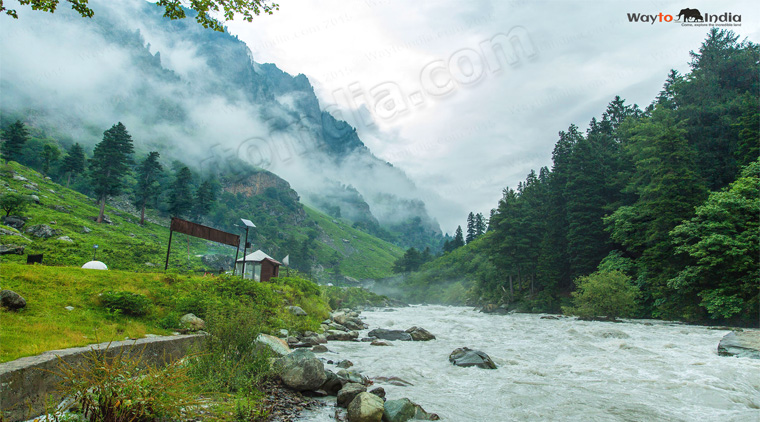
Amarnath Yatra By Helicopter
- Visit Amarnath Shivlingam
 8D / 7N
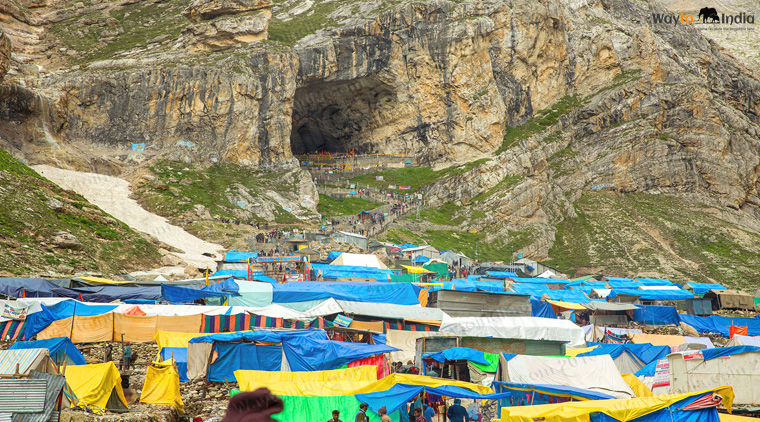
Amarnath Yatra
- Visit Panchtarani
- Visit Amarnath
 3D / 2N
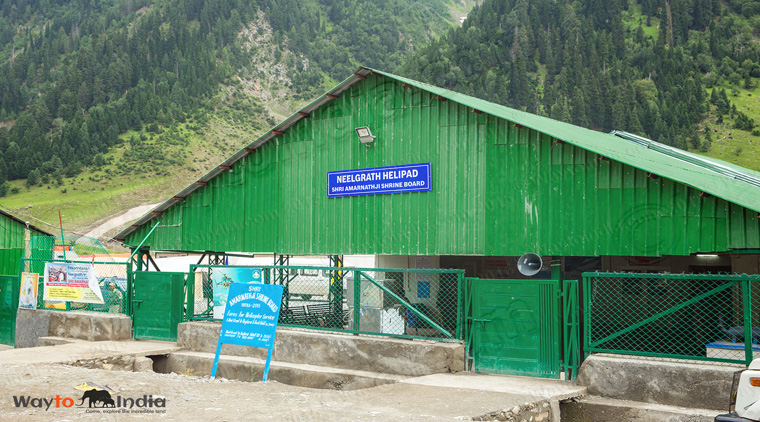
Amarnath Yatra Helicopter Services
- Visit Sonmarg
- Visit Amarnathji
 6D / 5N
Kashmir Tour Packages from Mumbai
- Mughal Gardens
- Dal Lake
 7D / 6N
Kashmir Tour Package from Ahmedabad
- Gulmarg
- Shikara Lake
 8D / 7N
Kashmir Tour Package
- Visit Sheer Scenic Beauty of this Paradise on Earth
- Visit Pristine Waters of Dal Lake with Reflections of Houseboats
 5D / 4N
Charismatic Kashmir Tour
- Visit Sindh Valley
- Visit Pahalgam
 7D / 6N
Kashmir Tour Package from Kolkata
- Visit Dal Lake Strawberry Valley Pony Riding Chandanwari
 6D / 5N
Kashmir Tour
- Visit Dal Lake
- Visit Mughal Garden