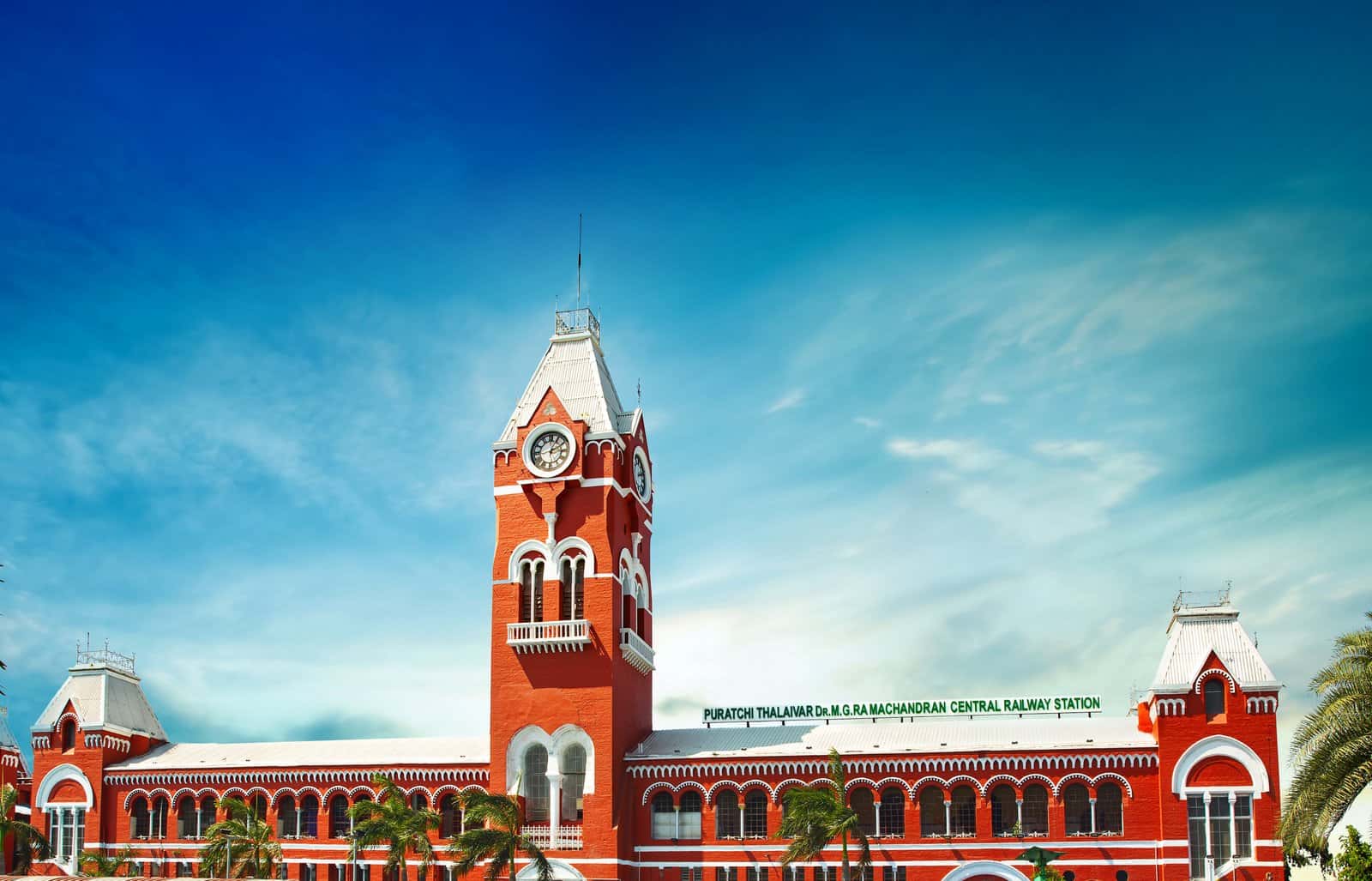
Chennai Travel Guide
The pleasant months are November to February , cool and breezy. The one season to plan around is the northeast monsoon, roughly October to December, when Chennai gets its...
When to visit Chennai, and the monsoon to watch
The pleasant months are November to February, cool and breezy. The one season to plan around is the northeast monsoon, roughly October to December, when Chennai gets its heaviest rain and the low-lying city can flood.
- November to February: cool and pleasantThe comfortable season, about 20 to 25 degrees, with a cooling sea breeze off the Bay of Bengal. This is the best time for the temples, the beach and the day trips to Mahabalipuram and Kanchipuram, and it carries the great December music season.
- March to early June: hot and humid, best avoidedApril to June is the hard part of the year, hot and very humid, which makes barefoot temple visits and long sightseeing tiring. If you must come then, keep the outdoors for early morning and after sunset, and rest through the middle of the day.
- July to September: warm, occasional showersThese months are warm and a little less crowded, with the odd shower from the weaker southwest monsoon. It is workable, but the real rain comes later in the year with the northeast monsoon.
- Stay hydrated and dress for templesCarry water, ideally packaged or filtered, especially during the monsoon when WayToIndia's drivers warn the sewers can clog and tap water is best avoided. Wear light cotton, and keep modest clothing for the temples where shoulders and knees should be covered and footwear left at the stand.
Chennai's main rains come with the northeast monsoon, roughly October to December, and the low-lying city is flood-prone. The 2015 floods and Cyclone Michaung in December 2023 both hit hard, including the airport. If you travel in these months, keep buffer time around flights and connections, watch the forecast, and stick to packaged or filtered water. The rest of the year is reliably dry.
How to reach Chennai, and getting around the city
Chennai is South India's main air gateway, with a busy international airport and the new integrated terminal, and it is easy to get around once you know to use the metro, the suburban trains and the apps rather than the autos.
- By airChennai airport (MAA) is South India's main international gateway, about 20 km from the centre, with the new integrated Terminal 2 opened in 2023 and wide Gulf, Southeast Asia, Sri Lanka and connecting long-haul links. It sits on the Chennai Metro Blue Line and the suburban railway, so the ride into town is easy and cheap.
- By train and roadChennai Central and Egmore connect the city across India by rail, and good highways run south on the East Coast Road to Mahabalipuram and Pondicherry and west to Kanchipuram and Bengaluru. We arrange a car with an experienced driver for the day trips and the temple circuits.
- Getting around the cityUse the Chennai Metro, the suburban trains, or app cabs (Ola and Uber). The autorickshaws are notorious for overcharging, so insist on the meter or, far simpler, book through an app. WayToIndia's own Chennai drivers note that call taxis here are pre-booked rather than hailed from the road for sightseeing.
- A note on languageTamil is the main language and far fewer people speak Hindi than in the north, which surprises some Indian travellers. English, though, is widely understood in the tourist and hotel trade, so you will have no trouble being understood.
Chennai is a major international gateway in its own right, with one-stop links via the Gulf and Southeast Asia. It is the natural entry point for a South India trip, rather than routing through Delhi or Mumbai.
Chennai has extensive direct flights from the Gulf, Singapore, Malaysia and Sri Lanka, serving the large Tamil diaspora. Often the easiest and most direct way into the South.
Chennai is well linked by air and rail from every metro, and is the launch point for Mahabalipuram, Kanchipuram, Pondicherry, Tirupati and the Tamil Nadu temple loop.
The beach, the temple, the fort, and what you pay
Chennai is Marina Beach, the great Mylapore temple, the colonial Fort St George and the museums. Most of it is free or costs very little, but one rule matters most and a couple of closures can trip you up.
- Marina Beach (but do not swim)One of the world's longest city beaches at about 13 km, wonderful at sunrise and in the evening for a walk and a paper cone of hot sundal. But swimming is banned and genuinely dangerous because of strong rip currents, so stay out of the water and enjoy the sand.
- Kapaleeshwarar Temple, MylaporeThe city's great Dravidian temple with its towering painted gopuram, free to enter, open roughly 5:30 am to about 12:30 pm and about 4 pm to 9:30 pm with a long midday break when the shrines close. Come in the cool morning or evening, dress modestly, and leave your footwear at the stand.
- Fort St George and the Fort MuseumIndia's first British fort, from 1644, now the state legislature and the Fort Museum, about 20 rupees for Indians and about 250 rupees for foreign nationals, under-15s free, open about 9 am to 5 pm and closed on Fridays. St Mary's inside is the oldest Anglican church east of Suez.
- The Government Museum and San ThomeThe Government Museum at Egmore holds a world-class gallery of Chola bronzes including the famous Nataraja, and is also closed on Fridays. San Thome Basilica is built over the tomb of St Thomas the Apostle. Both are quietly remarkable and easy to fit into a day.
Bathing and swimming at Marina are legally prohibited because the undertow and rip currents are deadly, and there have been many drownings. Enjoy the beach for the sand, the sunrise, the fishing boats and the food, but do not go into the sea. If you want a swim, use a hotel pool.
Chennai, the gateway to South India
Chennai's real magic is what it opens up. Within easy reach are a UNESCO shore-temple site, a great silk-and-temple city, a French colonial town, a famous hill pilgrimage and the start of the Tamil Nadu temple loop. Here is how they fit together.
- Mahabalipuram (UNESCO), the classic day tripAbout 55 to 58 km south on the East Coast Road, roughly 1.5 hours, with the Pallava-era Shore Temple, the Pancha Rathas and Arjuna's Penance carvings. One ASI ticket of about 40 rupees for Indians and about 600 rupees for foreign nationals, under-15s free, covers the monuments, open about 6 am to 6 pm daily.
- Kanchipuram, the silk and temple cityAbout 70 km west, one of the seven sacred cities of Hindu tradition, famous for its grand temples and its handwoven Kanchipuram silk sarees. A rewarding day, often paired with Mahabalipuram, and an easy run from the airport.
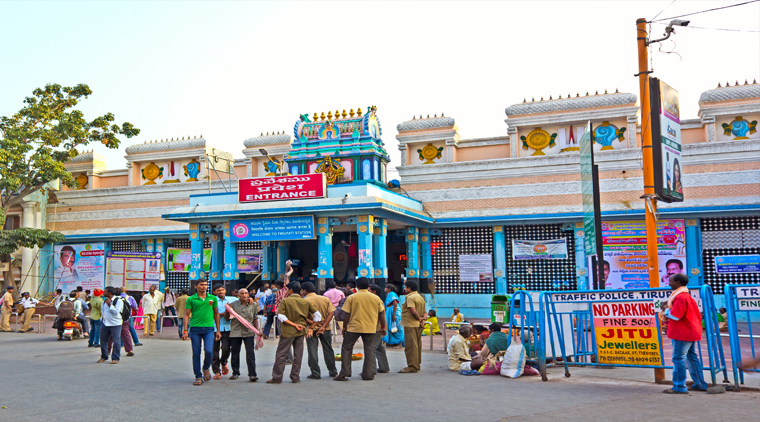
- Pondicherry and TirupatiPondicherry, the seaside former French colony, is about 150 km south, lovely for a relaxed overnight. Tirupati, one of the world's busiest pilgrimage temples, is about 135 km away in Andhra Pradesh, an easy add-on for the devout but best with darshan booked ahead.
- The start of the temple loopChennai is the launch point for the Tamil Nadu temple trail south to Madurai, Rameshwaram and Kanyakumari, and west to the Navagraha temples around Kumbakonam. We build the loop around your time, your interests and an easy pace for older travellers.
Most pages treat Chennai as a one-day stop. The truer way to see it, especially for the overseas Tamil family, is as the air hub you fan out from: fly in, base in the city, and reach a UNESCO site, a silk city, a French town and the great temple loop without ever changing airports. That is what makes Chennai worth more than a passing day.
Signature experiences in Chennai
Beyond the sights, these are the experiences people remember, and how to arrange them without the tourist-trap version.
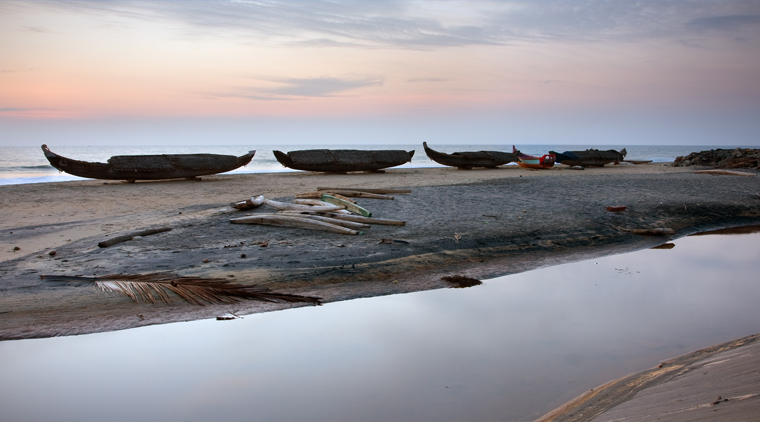
- Sunrise and snacks at MarinaCome at dawn for the soft light and the returning fishing boats, then a hot paper cone of sundal or a bajji from the stalls. The classic Chennai morning, and it costs almost nothing. Just stay out of the water, where swimming is banned and dangerous.
- A Mylapore morningThe Kapaleeshwarar temple at opening, the old streets and the temple tank of Mylapore, and a strong South Indian filter coffee with idli at a classic tiffin house. The cultural heart of the city, best in the cool early hours before the midday break.
- A Mahabalipuram day on the East Coast RoadDrive the East Coast Road to the UNESCO shore temples, with a seafood lunch and a stop at the DakshinaChitra heritage village or an artists' workshop on the way back. The best full day out of Chennai, and a gentle one for families.
- The December Margazhi music seasonIf you visit from mid-December to mid-January, the Margazhi season brings hundreds of Carnatic music and Bharatanatyam dance concerts across the city's sabhas, with legendary canteen food to match. A cultural feast found nowhere else in the world.
- Climb the Marina lighthouse for the viewOne of the few lighthouses in India with a lift to a public gallery, for the long view down the beach. It is closed on Mondays and the ticket is only about 10 rupees, with a small extra charge for a camera, so check the day before you go.
- A colonial and spiritual heritage walkFort St George, St Mary's church and San Thome Basilica trace Chennai's layered history from the Pallavas to the British and the apostle Thomas. A guided walk ties the story together in a compact, walkable core.
If you do one thing slowly, make it a Mylapore morning: the gopuram catching the first light, the temple tank, and a filter coffee that the city takes seriously. Reach the temple before its long midday break, give the old streets an unhurried hour, and you will have seen the soul of Chennai before the heat of the day even arrives.
Where to stay in Chennai, and how many nights
Stay central near Egmore and the city core for the sights, by the coast for the sea and the airport run, or out on the East Coast Road if Mahabalipuram is your focus. Two nights covers the city, three lets you fan out.
- The central core: Egmore, Anna Salai, T NagarBest for first-timers who want the museums, Mylapore and the fort within easy reach, and good rail links from Egmore and Central. T Nagar is the famous shopping district, busy and well connected. WayToIndia's drivers know the established hotels here, from heritage names to reliable mid-range chains.
- By the coast and MarinaHotels along the coast and near the beach give you the sunrise walk and an easy airport run, with a calmer feel than the dense centre. A good choice if the Marina morning and a relaxed base matter more than being among the museums.
- Out on the East Coast RoadBeach resorts strung along the ECR towards Mahabalipuram suit travellers whose trip is built around the shore temples, DakshinaChitra and a slower seaside pace, but you are then a drive from the city core, so plan the city days deliberately.
- How many nightsTwo nights covers Chennai itself comfortably: a Mylapore morning, the fort and museums, Marina at sunrise and sunset. Add a third night to fan out to Mahabalipuram and Kanchipuram, and more if you are starting the temple loop south.
There is no single best area, only the one that fits your plan. City sights and rail connections point to the central core; a beach morning and an easy airport transfer point to the coast; a Mahabalipuram-led trip points to the East Coast Road. Decide what your days revolve around, then pick the base, and the daily driving shrinks.
Chennai costs and what you actually pay
Chennai is gentle on the wallet: the headline sights are free or cost very little, and the only real money trap is the auto fare. Here is what the main things cost so you can plan and avoid being overcharged.
- What is freeMarina Beach, the Kapaleeshwarar temple and San Thome Basilica are all free to enter, which means the heart of a Chennai day costs nothing beyond your food and your transport. The free sights are the best ones.
- The fixed entry feesThe Fort Museum is about 20 rupees for Indians and about 250 rupees for foreign nationals, under-15s free. The Mahabalipuram monuments are about 40 rupees for Indians and about 600 rupees for foreign nationals. The Marina lighthouse is only about 10 rupees. These are fixed and not negotiable.
- The one money trap: autosThe autorickshaws quote inflated fares to visitors and are the single avoidable cost in Chennai. Book an Ola or Uber so the price is fixed, or pre-book a call taxi rather than hailing one, and the only real friction in the city disappears.
- Cash and cardsCards and UPI work in hotels, malls and bigger restaurants, but the beach stalls, the small tiffin houses and many autos run on cash. Bank ATMs from SBI, Axis, HDFC and others are everywhere, so carry some cash for the day to keep things smooth.
Almost everything you pay to enter is fixed and cheap, so the one habit that protects your budget is to book your rides through an app rather than negotiating with an auto on the street. Fix the fare before you move, draw a little cash for the stalls and the small eateries, and Chennai turns out to be one of the better-value big cities in India.
Practical logistics: closures, transport, water and etiquette
The small things that make a Chennai day run smoothly: the closure calendar, the app-cab habit, the monsoon water note, and the temple etiquette that an overseas or first-time visitor needs.
- Know the closure calendarThe Fort Museum and the Government Museum at Egmore both close on Fridays, and the Marina lighthouse closes on Mondays. Kapaleeshwarar and most temples shut their shrines through the long midday break. Plan museums for any day but Friday, the lighthouse for any day but Monday, and temples for the morning or evening.
- Getting around without the autosThe Chennai Metro and suburban trains are quick and cheap, and app cabs are the simplest door-to-door option. The autos overcharge, so insist on the meter or, easier, book an Ola or Uber, and pre-book a call taxi for a full sightseeing day rather than hailing one.
- Water, heat and healthStick to packaged or filtered water, especially in the monsoon when the sewers can clog and tap water is best avoided. Carry water and sun cover for the open beach and the temple courtyards, and keep the hottest hours for an indoor museum or a long lunch.
- Temple etiquetteTemple dress is strict here: cover shoulders and knees, leave footwear at the stand, and avoid jeans, lungis, Bermudas and tight leggings inside the shrine. Keep silence in the inner areas and walk clockwise around the sanctum, as WayToIndia's temple-tour drivers advise.
The single thing that breaks a tight Chennai plan is arriving at the Fort Museum or the Government Museum on a Friday, when both are shut, or at the Marina lighthouse on a Monday. Build a Friday around temples, Marina and a heritage walk, keep the lighthouse for another day, and you will never find yourself at a locked gate with the clock running.
Safety, scams and staying well in Chennai
Chennai is one of India's safer and more relaxed big cities, but two things genuinely matter: the deadly Marina surf, and the auto overcharging. A little awareness keeps the trip happy.
- The Marina surf is the real dangerThe rip currents and undertow at Marina are deadly and swimming is banned, and this is by far the most important safety fact in Chennai. Enjoy the beach, but keep yourself and children well out of the sea, and use a hotel pool if you want to swim.
- Auto overcharging, not crimeThe persistent friction in Chennai is sales pressure and inflated auto fares, not violent crime. Book rides through an app so the fare is fixed, agree any off-app price before you set off, and the city is otherwise easy and welcoming.
- Heat, water and the monsoonDrink packaged or filtered water, take the usual care with street food, and in the warmer months carry sun protection and water for the open beach and the temple courtyards. In the northeast monsoon, watch the forecast and keep buffer time around flights.
- Standard city senseKeep valuables close in crowded markets like T Nagar and at the December music-season venues, use registered transport at night, and the normal precautions of any big city are enough. Chennai is generally calm and friendly.
Chennai is widely regarded as one of the more comfortable Indian metros for women and solo travellers, with a relaxed, conservative-but-courteous feel. Dress modestly near the temples, prefer app cabs after dark, and keep to the busier areas at night, and most travellers find the city easy and unthreatening.
Chennai for every kind of traveller, and on access
Chennai rewards very different visitors in different ways. Here is what it offers you, and the one tip that matters for each, including how a senior pilgrim does it comfortably.
- Families with childrenThe beach at sunrise, the Government Museum, the snake park and a gentle Mahabalipuram day keep children happy. Keep them firmly out of the Marina water, carry water and sun cover for the heat, and use app cabs rather than wrestling with autos.
- Senior travellers and pilgrims, and on accessVery doable with planning. Visit the temples in the cool early morning or evening rather than the hot midday break, use app cabs and pre-booked call taxis rather than autos, and let us pace the onward temple circuits so they never feel rushed. The historic core is walkable but uneven, so take it slowly.
- CouplesA Mylapore morning, a Mahabalipuram drive on the East Coast Road, and a relaxed overnight in Pondicherry make a lovely, gentle pairing away from the crowds. The Margazhi season adds music if your dates fall in December.
- Food loversChennai is filter coffee, idli and dosa at the great tiffin houses, fiery Chettinad cooking, fresh East Coast Road seafood and Marina street snacks. A guided food walk through Mylapore or Sowcarpet is a delicious way in.
- First-time South India visitorsChennai is the easy, well-connected start of a South trip. English is widely understood, app cabs are simple, and the city opens straight onto the UNESCO shore temples and the temple loop. A gentle introduction to the South.
- PhotographersMarina at sunrise with the boats, the Kapaleeshwarar gopuram, the Mahabalipuram carvings and the colonial fort all shoot beautifully. The cool, clean early light from November to February is the best, and remember photography rules vary inside temples.
A suggested Chennai itinerary
How to shape two or three unhurried days so you catch Marina at the right light, the temples outside the midday break, and the museums on a day they are open.
- Day one, morningStart at dawn at Marina for the soft light and the fishing boats, then a Mylapore morning: the Kapaleeshwarar temple before its midday break, the old streets, and a filter coffee with idli at a classic tiffin house.
- Day one, afternoon and eveningThrough the heat of the day, take in the Government Museum and its Chola bronzes, then the Fort St George heritage walk and San Thome Basilica in the cooler late afternoon, ending with a sunset stroll back along Marina. Keep this off a Friday for the museums.
- Day two: the Mahabalipuram dayDrive the East Coast Road to the UNESCO shore temples, with a seafood lunch and a stop at DakshinaChitra on the way back. If you have the appetite for it, pair Kanchipuram and its silk and temples the same trip or the next day.
- Day three, if you have itFan out further: an overnight in Pondicherry, a darshan day at Tirupati, or the first leg of the temple loop south. A third day turns Chennai from a city stop into the launch point for the whole South.
Two things break a tight Chennai plan: arriving at the Fort or Government Museum on a Friday when both are shut, and arriving at a temple during the long midday break when the shrines close. Build a Friday around temples, the beach and a heritage walk, slot the museums on any other day, and keep temple visits to the cool morning or evening.
The real questions travellers ask about Chennai
Straight answers to the questions that come up again and again on traveller forums, so you arrive already knowing the score.
- Is it safe to swim at Marina Beach?No. Swimming and bathing are banned because the rip currents and undertow are deadly, and there have been many drownings. Enjoy the sand, the sunrise and the snacks, but stay out of the sea and use a hotel pool to swim.
- How do I handle the autos overcharging?Book an Ola or Uber so the fare is fixed, or pre-book a call taxi rather than hailing one from the road. If you do take an auto, agree the price before you set off. The metro and suburban trains are cheaper still for longer hops.
- How many days do I need?Two days covers the city comfortably, three lets you add Mahabalipuram and Kanchipuram, and more if you are starting the temple loop south. One day only scratches the surface and leaves the best of the gateway untouched.
- Will I manage without Hindi?Yes. Tamil is the main language and Hindi is less spoken than in the north, which surprises some Indian travellers, but English is widely understood in hotels, cabs and the tourist trade, so you will communicate easily.
- Which museums close on Fridays?Both the Fort Museum and the Government Museum at Egmore close on Fridays, and the Marina lighthouse closes on Mondays. Plan museums for any day but Friday and the lighthouse for any day but Monday.
- Is Chennai worth it on its own?Chennai rewards a culture-minded traveller with its temples, music, museums and food, but its real value is as the gateway you fan out from. Give it two days for itself and a third to reach the shore temples and the silk city, and it earns its place.
Planning Chennai from abroad
Chennai is South India's main international gateway and the cultural capital of the Tamil world, the easiest place to begin a South India trip. A little planning makes the fees, the language and the heat simple to handle.
- Fly straight into ChennaiUnlike most South India destinations, Chennai is a major international gateway, with direct Gulf, Singapore, Malaysia and Sri Lanka flights and one-stop long-haul links serving the Tamil diaspora. The new integrated terminal and the metro into town make arrival easy.
- Fan out from the cityBase in Chennai and reach the UNESCO shore temples at Mahabalipuram (about 55 km), the silk-and-temple city of Kanchipuram (about 70 km), French Pondicherry (about 150 km) and Tirupati (about 135 km), or start the Tamil Nadu temple loop south to Madurai.
- Budget for the foreign-national feesEntry to the headline sights is cheap but foreign nationals pay more: about 250 rupees at the Fort Museum and about 600 rupees at the Mahabalipuram monuments, while Marina, Kapaleeshwarar and San Thome are free. Carry small cash, as not every stall takes cards.
- Know the language note and the etiquetteTamil is the main language, with less Hindi than the north, but English is widely understood. The temples are free but expect modest dress and removed footwear, and the shrines close in the long midday break, so plan temple visits for the cool hours.
Chennai is an unusually easy place to begin a South India trip: a real international gateway, English widely understood, app cabs simple, and the UNESCO shore temples and the great temple loop opening straight off the city. For the overseas Tamil family especially, it is both a homecoming and the practical hub the rest of the trip hangs on.
Money, connectivity and timing for foreign visitors
The practical basics an overseas traveller needs for a big South Indian city: cash, cards, a SIM, and how many days to give Chennai on a wider India trip.
- Cards work, but carry some cashCards and UPI are accepted in hotels, malls and bigger restaurants, but the beach stalls, the small tiffin houses and many autos are cash places. Draw cash at the SBI, Axis and HDFC ATMs that are everywhere, and keep small notes for snacks and tips.
- Get a SIM on arrivalPick up an Indian tourist SIM or an eSIM at the airport when you land in Chennai rather than hunting for one later. Coverage in the city is good for maps, calls and app cabs to the day-trip sites.
- How long to give it on a bigger tripOn a first South India trip, give Chennai two nights for the city and a third to fan out to Mahabalipuram and Kanchipuram. If you are continuing to the temple loop or to Kerala, Chennai is the natural place to start, not a stop to rush.
- Time your visit to your comfortNovember to February is the comfortable window. If you want the Margazhi music season, plan around mid-December to mid-January and book early; if you want to avoid the heat, steer clear of April to June, and around the northeast monsoon keep buffer time for flights.
Chennai and its circuits are very doable for older overseas travellers with a little planning: comfortable cars rather than autos, temple visits in the cool hours around the midday break, and an unhurried loop that respects the heat. We pace the Mahabalipuram, Kanchipuram and Tirupati days so a grandparent enjoys them rather than endures them.
Why the peacock gave Mylapore its name, and Kapaleeshwarar his
Mylapore takes its name from mayil, the Tamil word for peacock. In the old story the goddess Parvati, distracted during her husband Shiva's teaching, was set a penance and worshipped him here in the form of a peahen, mayil, beneath a punnai tree by the sea, which is how the quarter became Mayilai, the place of the peacock cry, and why a peahen worshipping a lingam is carved at the Kapaleeshwarar temple. The temple's own name carries another tale: kapalam means skull, and the legend holds that Shiva once struck off one of the heads of Brahma, becoming Kapaleeshwarar, the lord of the skull. The present temple was rebuilt in its Dravidian form a few centuries ago after the original near the shore was lost, and the peacock, the tank and the great painted gopuram still mark the spot the legend gave to the sea.
Planning a Chennai trip?
Our Tamil Nadu travel experts plan your full journey for you: route, hotels, darshan timings and transport. You get a free day-by-day plan and an exact quote on WhatsApp, usually within a few hours. No payment is needed to get your plan.
Tour packages that visit Chennai
Every journey below is private, hand-crafted and fully customizable. Tell us your dates and we tailor the itinerary, the pace and the priests or guides around you.
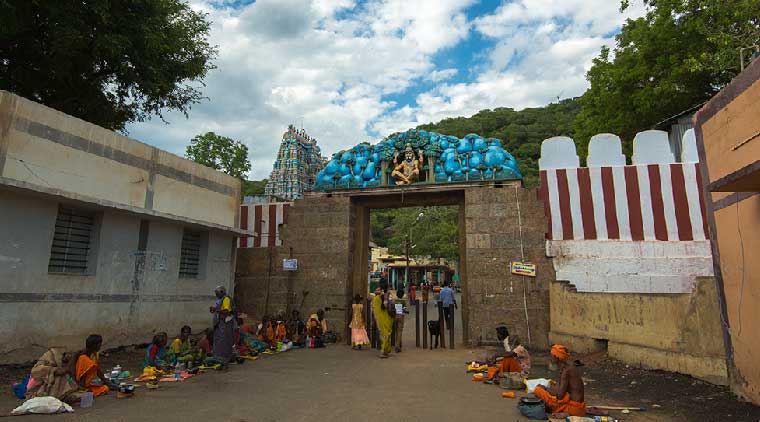 7D / 6N
Tirupati Madurai Rameshwaram Kanyakumari Tour Package
- Tirupati Balaji Temple
- Famous Annamalaiyar Temple
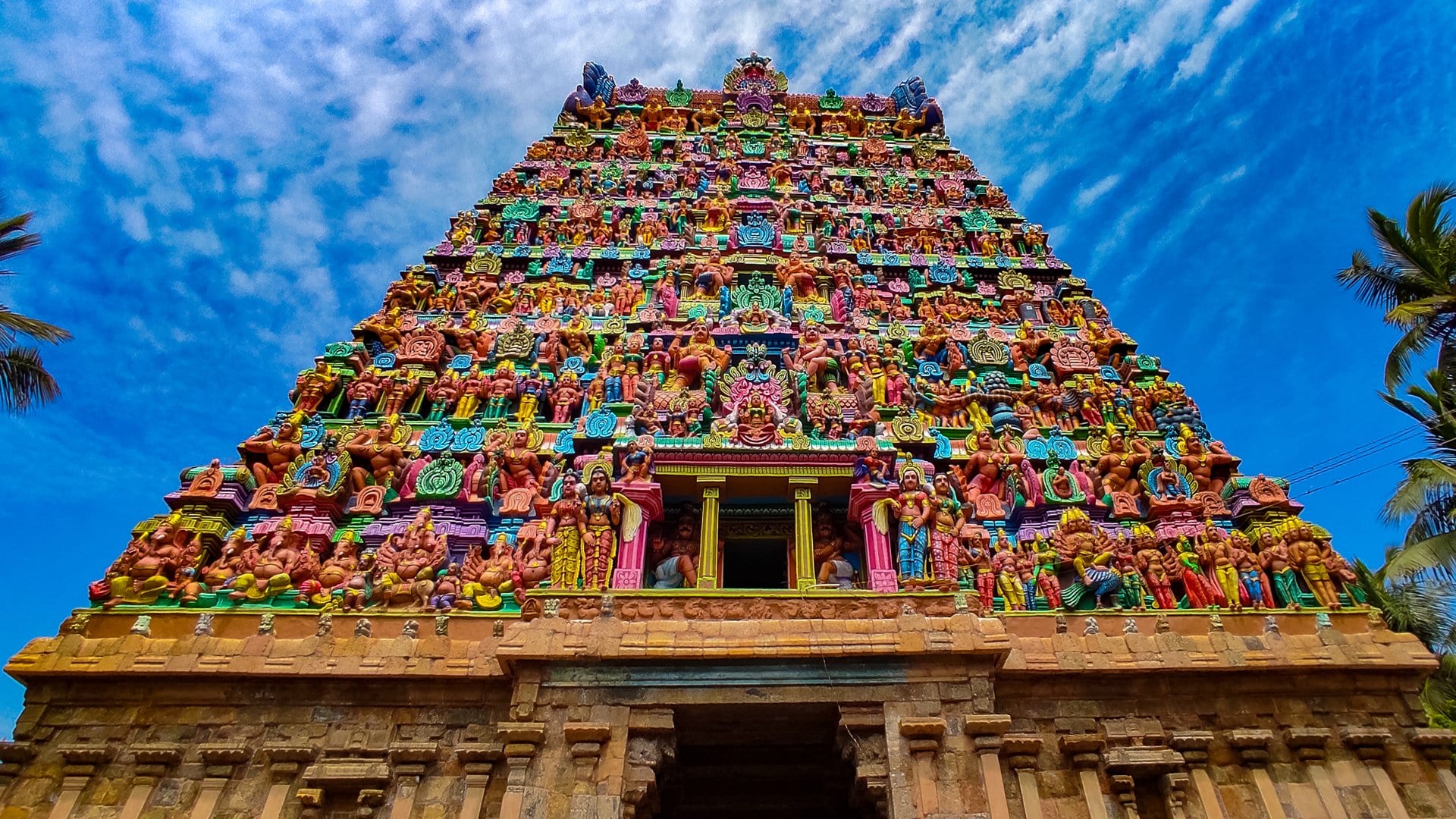 7D / 6N
Navagraha Temple Tour
- Visit Swetharanyeswarar Temple
- Visit Naganatha Swamy Temple
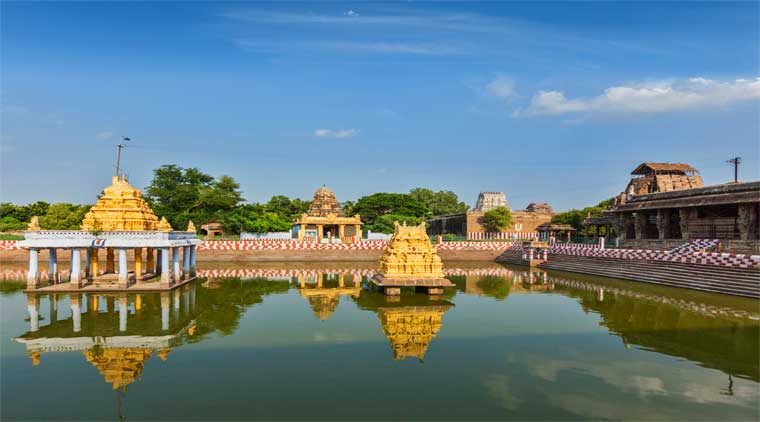 13D / 12N
Sapta Puri Yatra
- Visit Ayodhya
- Mathura’s Keshav Dev Temple
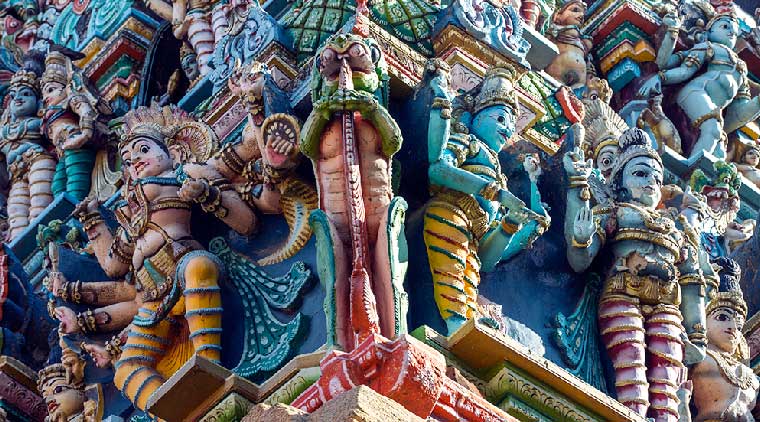 6D / 5N
South India Temple Tour
- Visit Uchchi Pillaiyar Koil
- Visit Siva Temple
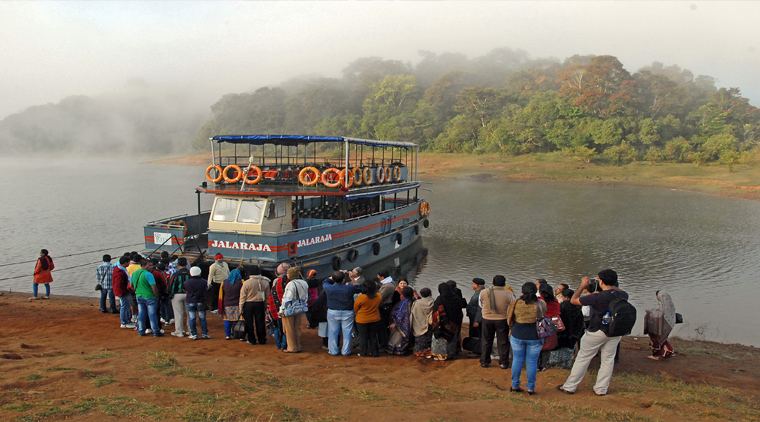 13D / 12N
South India Tour
- Visit Shore Temple
- Visit Manakula Vinayagar Temple
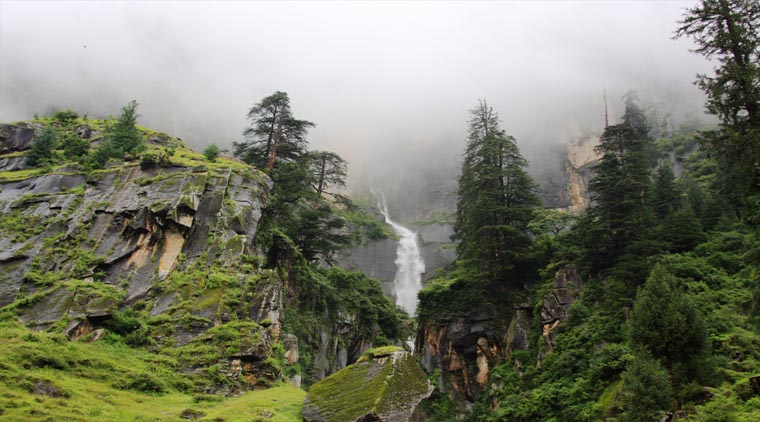 8D / 7N
Kullu Manali Tour Package from Chennai
- Visit Jakhoo Hill
- Ride on Shimla-Kalka Railways
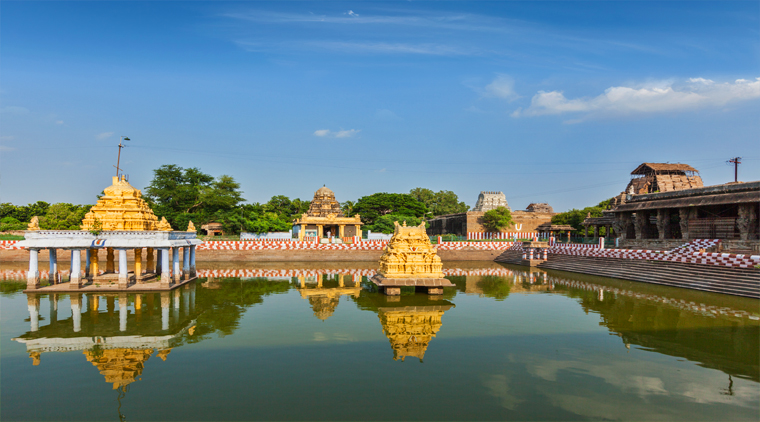 1D
1DChennai to Kanchipuram Tour Package
- Kamakshi Amman Temple, the presiding Goddess of Kanchipuram and a revered Shakti shrine
- Ekambareswarar Temple, the earth element among the five Pancha Bhoota Sthalams of Lord Shiva
 4D / 3N
Tirupati Package Tour
- Visit Tirupati Temple
 3D / 2N
Chennai Beach Tour
- Visit St. George Fort
- Visit Sri Parasarthy Temple