Guptkashi Travel Guide
Guptkashi is busiest as a Kedarnath base, so the one thing to plan around is the shrine season: Kedarnath opens for 2026 on 22 April and closes around the autumn full moon in...
When to visit Guptkashi, and the Kedarnath season
Guptkashi is busiest as a Kedarnath base, so the one thing to plan around is the shrine season: Kedarnath opens for 2026 on 22 April and closes around the autumn full moon in November. Reconfirm the exact 2026 closing before you book a late-season trip.
- May to June, then September to OctoberThese are the most settled windows for the Kedarnath leg, with clearer skies and gentler weather. Guptkashi sits at about 1,319 m, so days are pleasant and mornings cool; carry light woollens even in summer, and proper warm layers for September onward.
- Avoid the peak monsoonJuly to early September brings heavy rain to this part of Uttarakhand, with a real risk of landslides and road blocks on the route to Kedarnath. Helicopter flights are also cancelled or delayed more often then. If you must travel in the monsoon, keep the plan flexible and watch the weather and road updates closely.
- The shrine season sets your datesKedarnath opens for 2026 on 22 April, with the temple doors opening at about 8 am on the day, and closes around the autumn full moon in early-to-mid November. The dates are fixed each year by the Badri-Kedar Temple Committee, so reconfirm the closing date before fixing a late-October or November trip.
Guptkashi itself stays accessible for most of the year, but the Kedarnath shrine high above it is open only for roughly seven months, about late April to mid-November. The shrine is at about 3,583 m and reached by trek or helicopter, not by road, so plan your Guptkashi halt around the shrine's open dates. In winter the Kedarnath darshan moves down to Ukhimath near Guptkashi, covered in the sights section below.
How to reach Guptkashi
Guptkashi has no airport or railway of its own, so almost everyone arrives by road from the plains, usually via Rishikesh, Haridwar or Dehradun.
- By air to Dehradun (Jolly Grant)The nearest airport is Dehradun (Jolly Grant), roughly 195 to 217 km away, then about 6 to 7 hours by road to Guptkashi. We arrange a car with a driver experienced on these mountain roads.
- By train to Rishikesh or HaridwarThe nearest railheads are Rishikesh (about 165 to 170 km) and Haridwar (about 200 km). From either it is roughly 6 to 7 hours by road up to Guptkashi, usually with a halt or a meal break on the way.
- By road, the Char Dham routeGuptkashi sits on the main Kedarnath road through Rudraprayag. From Delhi it is a long two-day drive of around 445 km to the Gaurikund area, and an overnight at Guptkashi or Rudraprayag breaks the journey sensibly, especially for older travellers.
- The last leg to the trek-headFrom Guptkashi the road runs about 30 km to Sonprayag. In peak season private vehicles are usually stopped at Sonprayag, where a local shuttle jeep takes you the short final stretch to Gaurikund, the start of the roughly 16 km trek to Kedarnath. Build that shuttle step into your timing.
Fly into Delhi, the main international gateway, then either take a domestic flight to Dehradun (Jolly Grant) or travel by train to Rishikesh or Haridwar, and continue by road to Guptkashi. There are no international flights near Guptkashi.
Fly into Delhi and connect to Dehradun for the shortest road leg, or to Rishikesh or Haridwar by train, then drive up. Allow a full day for the mountain road on arrival.
Reach Rishikesh, Haridwar or Dehradun by train, flight or bus, then take a car or shared taxi up to Guptkashi on the Kedarnath route through Rudraprayag.
Guptkashi temples and what they mean
Guptkashi is small but old and sacred. Its name means Hidden Kashi, and its temples and the Manikarnik Kund make a quiet, meaningful halt on the way up to Kedarnath.
- Vishwanath templeThe ancient temple to Shiva as Vishwanath, the same form worshipped at Kashi (Varanasi), which gives the town its Hidden Kashi name. It is the spiritual heart of Guptkashi and a calm place to begin the Kedarnath leg.
- Ardhanarishwar templeA shrine to the half-male, half-female form of Shiva and Parvati, unusual and worth a quiet visit. It stands close to the Vishwanath temple in the old part of town.
- Manikarnik KundA sacred water tank where two streams, believed to represent the Ganga and the Yamuna, are said to meet, fed through carved spouts. Pilgrims pause here before going on toward the shrine.
- Ukhimath, the winter seat of KedarnathA short drive from Guptkashi, Ukhimath is where the Kedarnath idols are worshipped from about November to April while the high shrine is snowed in and closed. This is why a winter visitor can still have a Kedarnath darshan here when the shrine itself is shut, and it is a quiet, worthwhile stop in season too.
- The Himalayan viewOn a clear morning Guptkashi looks out toward the high peaks around Chaukhamba. Step out at first light before you set off for Sonprayag and Gaurikund or the helipad.
Guptkashi means Hidden Kashi. The story is that Lord Shiva hid here from the Pandavas, who had come seeking his forgiveness after the Kurukshetra war, before later revealing himself at Kedarnath. Knowing the legend makes the small temples here far more meaningful as you head up to the shrine.
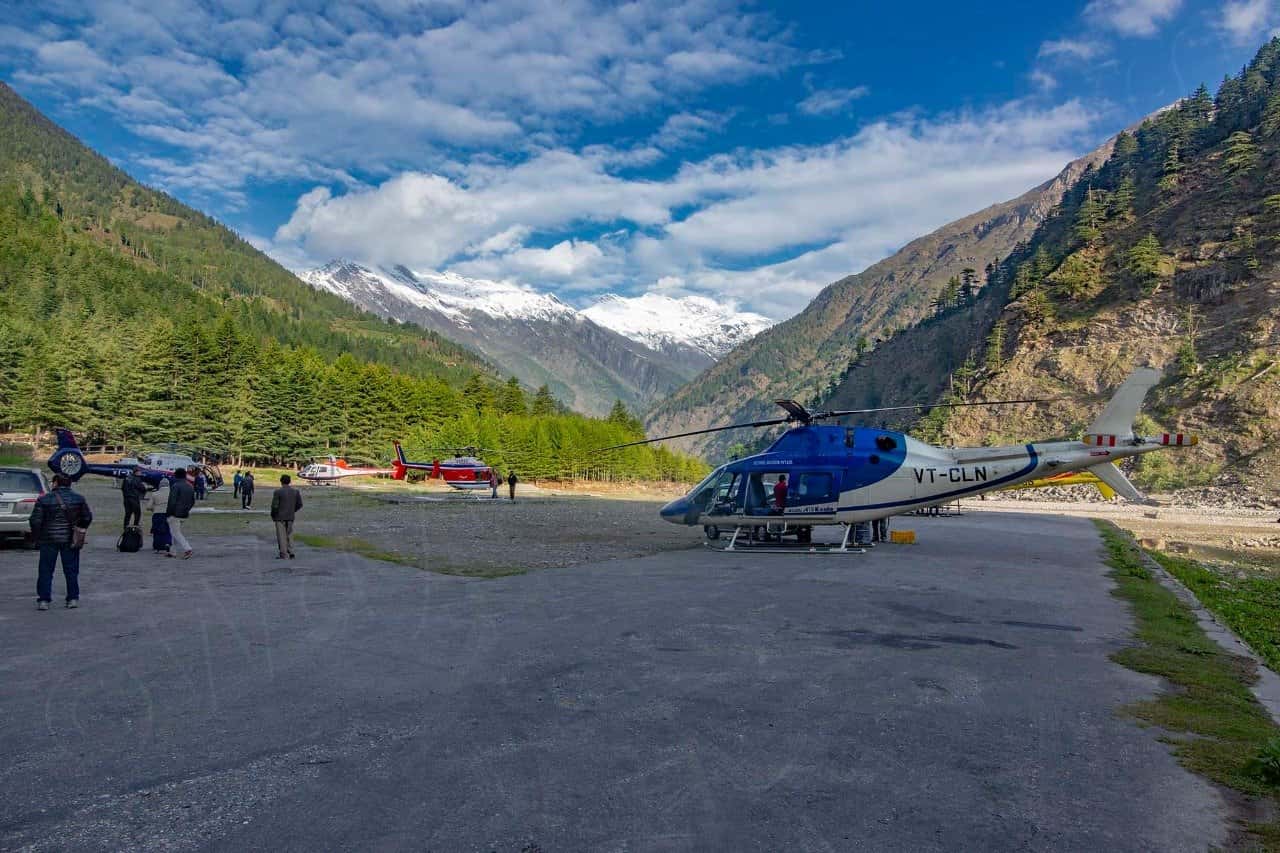
Reaching Kedarnath by helicopter from Guptkashi
Guptkashi is one of the main helicopter bases for Kedarnath, alongside Phata and Sersi. The booking rules are strict and easy to get wrong, so here is the official position for 2026.
- The three helipadsShuttle helicopters to Kedarnath fly from Guptkashi, from Phata (about 15 km ahead of Guptkashi) and from Sersi (also spelt Sirsi). Each is a short flight of about 7 to 10 minutes that lands near the shrine and saves the roughly 16 km uphill trek from Gaurikund.
- Book only on the official IRCTC portalHelicopter tickets can be booked only through the official IRCTC HeliYatra portal at heliyatra.irctc.co.in. The portal itself states it is the only website for online Kedarnath heli tickets and warns that any other website or agent is unauthorised, so book nowhere else.
- Register first, then bookThe free Char Dham and Hemkund Yatra registration is required before you can book a helicopter. The IRCTC portal asks for your Yatra Registration Number, or a Group ID for several people, and will not let the booking proceed without it. Online registration opened about 6 March 2026, and the IRCTC heli window opened at about 6 pm on 15 April 2026, so register first at registrationandtouristcare.uk.gov.in.
- The 2026 fares, kept honestFor 2026 the round-trip fares were about 6,390 rupees from Sersi, about 10,164 rupees from Phata and about 12,762 rupees from Guptkashi per person. These are the IRCTC-fixed shuttle fares and are generally inclusive of the small IRCTC convenience fee of about 300 rupees and 18 percent GST, though a per-kilogram charge applies if a passenger weighs over 80 kg. Fares are revised every year and slots sell out fast, so treat these as the 2026 figures and confirm the exact payable total and seats on the IRCTC portal.
- Tickets per IDOn the IRCTC portal you can book up to 2 tickets per user ID, with up to 6 passengers on each ticket, so a maximum of about 12 passengers on one ID. For a larger group you will need a second user ID. We can help you plan the registration and the booking timing.
Flying up is gentler than the trek, but you still rise quickly from about 1,300 to 2,000 m at the helipads to about 3,583 m at the shrine, and you can still feel mountain sickness. Spend an unhurried night at Guptkashi to acclimatise, keep darshan calm and short, and for elderly pilgrims get a doctor's clearance before the trip. Note too that phones and cameras are not allowed inside the Kedarnath temple in 2026.
Making the most of a Guptkashi halt
A night at Guptkashi is not dead time on the way to Kedarnath. Used well, it helps your body and deepens the pilgrimage.
- Treat the night as acclimatisationArrive in the afternoon, walk slowly, drink plenty of water and avoid alcohol. A calm night at about 1,319 m helps your body before the steep gain to Kedarnath the next day, whether you trek or fly.
- Evening darshan at the templesVisit the Vishwanath and Ardhanarishwar temples and the Manikarnik Kund in the gentle evening light. It is an unhurried, meaningful way to begin the Kedarnath leg rather than rushing straight on.
- Catch the dawn peaksOn a clear morning the view toward the Chaukhamba range from Guptkashi is beautiful at first light. Step out early before you set off for Sonprayag and Gaurikund or the helipad.
- A short visit to UkhimathIf you have a spare half-day, Ukhimath nearby is the winter seat of Kedarnath, quiet and worthwhile, especially early or late in the season when the high shrine has only just opened or is about to close.
- Plan the next morning carefullyIf you are driving on, private vehicles usually stop at Sonprayag, with a local shuttle jeep for the last short stretch to Gaurikund where the trek begins. If you are flying, reach your helipad in good time, as weather can shift the schedule. We can line up the cars, the shuttle and the timing for you.
Where to stay in Guptkashi, and how many nights
Guptkashi has a real spread of stays for such a small town, from ashram rooms to the government GMVN rest house. One night here is the usual and sensible halt before Kedarnath.
- Budget guesthouses and ashramsSimple rooms in town and at ashrams run from about 800 to 1,500 rupees in season, clean and adequate for a one-night halt. They fill fast on the Kedarnath rush, so book ahead rather than arriving and hunting for a room.
- Mid-range hotels with the valley viewA number of mid-range hotels, many with balconies looking toward the Chaukhamba peaks, run about 1,500 to 3,500 rupees. These are the comfortable choice for families and for older travellers who want a proper bed before the climb.
- The government GMVN rest houseThe state-run GMVN Tourist Rest House at Guptkashi has deluxe rooms, family rooms and a dormitory, and is a reliable, trusted option that many first-time pilgrims prefer. Book it through the official GMVN site well ahead in peak season.
- Guptkashi or Gaurikund as your base?This is the question travellers ask most. Guptkashi is the more comfortable halt with better rooms and food and helps you acclimatise; Gaurikund is closer to the trek-head but basic and crowded. Most people sleep at Guptkashi, drive to Sonprayag in the early morning, and shuttle to Gaurikund to start the trek.
Guptkashi sits on the single road to Kedarnath, so in May to June and on weekends through the season every bed in town can be taken by the pilgrim flow. Book your Guptkashi night well ahead, and do not count on walking in and finding a room, especially if you are travelling with elderly parents or young children who need a comfortable stop.
Guptkashi and Kedarnath costs, and a realistic budget
The big cost on this leg is the helicopter, if you take it. Here is what the main things cost in 2026 so you can plan and avoid being overcharged.
- The helicopter is the big line itemIf you fly, the 2026 round-trip fares were about 6,390 rupees from Sersi, about 10,164 rupees from Phata and about 12,762 rupees from Guptkashi per person, the IRCTC-fixed fares generally inclusive of the convenience fee of about 300 rupees and 18 percent GST. For a family of four from Guptkashi that is a meaningful sum, so decide early whether you trek or fly, and confirm the exact total on the IRCTC portal.
- Rooms and foodA Guptkashi night runs about 800 to 1,500 rupees for a budget room and about 1,500 to 3,500 rupees mid-range, with simple vegetarian meals cheap and filling. Carry cash, as card and UPI acceptance is patchy once you leave the bigger towns.
- The trek, ponies and portersIf you trek the roughly 16 km from Gaurikund, ponies, palki (palanquin) carriers and porters are available at fixed-ish rates that are posted but worth confirming on the spot. They are not cheap on a busy day, so agree the price clearly before you set off.
- What the registration costsNothing. The Char Dham registration is genuinely free for both online and offline, and nobody should charge you for the basic registration or e-pass itself. The only official money you pay is the helicopter fare on IRCTC, your stay, and your transport.
The round-trip fares above are the IRCTC-fixed shuttle fares and generally already include the small convenience fee of about 300 rupees and the 18 percent GST, so the headline figure is close to what you pay. The one extra that catches people out is the over-weight charge: a passenger weighing more than 80 kg pays about 150 rupees per extra kilogram. Confirm the exact payable total on the IRCTC portal at the time of booking, since fares are revised every season.
Practical logistics: registration, phones, food and getting around
The small things that make the Kedarnath leg smooth from Guptkashi, from the mandatory registration to the no-phones-in-the-temple rule and patchy mobile signal.
- Do the registration and carry the proofThe Char Dham registration is mandatory in 2026 and free at registrationandtouristcare.uk.gov.in. Complete it before you travel, carry the Yatra Registration Numbers and a photo ID with photocopies, and you will need them at checkpoints and to book the helicopter.
- No phones or cameras in the Kedarnath templeFor 2026 the authorities have reiterated that mobile phones and cameras are not allowed inside the Kedarnath temple premises, with no photos, videos or reels in the shrine area. Plan to leave devices with a member of your group or at a cloakroom before darshan.
- Food, water and connectivityStick to bottled or filtered water and fresh, hot vegetarian meals; the pilgrimage zone is vegetarian by custom. Mobile coverage is patchy in the mountains, with BSNL and Jio generally working best, so download offline maps and tell family you may be out of signal on the trek.
- Getting around the last stretchPrivate cars usually stop at Sonprayag in peak season; from there a paid shuttle jeep covers the short, busy stretch to Gaurikund. Start very early to beat the queues, and keep your registration and ID handy for the checks along the way.
Altitude, weather and the touts to avoid
The real risks on this leg are altitude and weather, not crime. A little awareness, and a firm no to off-portal helicopter sellers, keeps the pilgrimage safe and happy.
- Take altitude seriously, even by helicopterYou rise from about 1,319 m at Guptkashi to about 3,583 m at the shrine fast, and Acute Mountain Sickness can hit anyone. Acclimatise with a night at Guptkashi, climb or fly slowly, drink water, avoid alcohol, and come down if you get a bad headache, nausea or breathlessness. For elderly pilgrims, get a doctor's clearance before the trip.
- Do not book the helicopter off-portalOnly the official IRCTC HeliYatra portal at heliyatra.irctc.co.in sells Kedarnath heli tickets online, and it warns that any other website or agent is unauthorised. Anyone promising guaranteed seats off-portal at a premium is a risk. Book on the official portal or let a trusted operator guide you through it.
- Never pay for the free registrationThe Char Dham registration is genuinely free and is mandatory to proceed toward Kedarnath and to book the helicopter. Never pay anyone a fee for the basic registration itself, and complete it in advance at registrationandtouristcare.uk.gov.in.
- Watch the weather and carry insuranceMountain weather shifts fast and can ground helicopters or block roads, especially in the monsoon, so build slack into your plan. Choose travel insurance that covers high-altitude trekking and medical evacuation, which matters most for older pilgrims and anyone with a heart or lung condition.
The Kedarnath shrine is closed and inaccessible through winter, roughly mid-November to late April, when it is buried in snow; the 2026 season runs from 22 April to the autumn closing. If your dates fall outside that window the high shrine is shut, but the Kedarnath darshan continues at Ukhimath near Guptkashi, so a winter pilgrim is not turned away empty-handed.
Guptkashi and Kedarnath for every kind of traveller
Different pilgrims need different plans for the Kedarnath leg. Here is what matters most for each, with Guptkashi as your base.
- Senior travellersVery doable with care. Take the helicopter from Guptkashi or Phata to spare the trek, but still get a doctor's clearance, spend an acclimatisation night here, carry any prescribed medicines, and make sure your travel cover includes high-altitude medical evacuation.
- Families with childrenPace the gain in height gently, keep everyone hydrated, and consider the helicopter for young children rather than the long trek. A relaxed night at Guptkashi makes the next day far easier for little ones.
- CouplesA quiet, meaningful pilgrimage with beautiful Himalayan mornings. An evening at the Guptkashi temples and an early helicopter or trek the next day make a memorable, unhurried trip.
- First-time Himalayan pilgrimsUnderstand that Guptkashi is the base and Kedarnath the high shrine. Do the free registration early, decide trek or helicopter in advance, and build in the acclimatisation night so the altitude does not surprise you.
- Trekkers and the fitIf you want the full experience, drive to Sonprayag and shuttle to Gaurikund, then walk the roughly 16 km up to Kedarnath, ponies and porters available. Even then, a night at Guptkashi first helps you start fresh and acclimatised.
How many days, and a suggested Kedarnath plan
Most people give the Kedarnath leg from Guptkashi two to three days. Here is how to shape it so the altitude and the weather work in your favour.
- Day one: reach and rest at GuptkashiDrive up from Rishikesh, Haridwar or Dehradun and overnight at Guptkashi. Walk slowly, see the Vishwanath temple and the Manikarnik Kund in the evening, hydrate, and sleep early. This night is your acclimatisation, not dead time.
- Day two: up to KedarnathStart very early. If flying, reach your helipad in good time for the morning slots when the weather is clearest. If trekking, drive to Sonprayag, shuttle to Gaurikund, and walk the roughly 16 km up, with an overnight near the shrine. Keep darshan calm and short at altitude.
- Day three: darshan and returnTrekkers do an early darshan and walk back down to Gaurikund and on to Guptkashi or the plains. Helicopter pilgrims who flew up and back on day two can use day three to return toward Haridwar or continue the Char Dham to Badrinath.
- The fast helicopter versionIf you fly both ways, you can do Guptkashi to Kedarnath darshan and back to a helipad in a single morning, but even then sleep at Guptkashi the night before to acclimatise. Do not try to drive up from the plains and fly the same day; the altitude jump is too abrupt.
The single thing that makes the Kedarnath leg comfortable and safe is an unhurried night at Guptkashi at about 1,319 m before you go high. It breaks the long drive from the plains, lets your body begin to adjust, and means you reach the shrine at about 3,583 m fresher and less likely to suffer mountain sickness, whether you trek or fly. Plan the trip around that halt rather than treating it as optional.
The real questions travellers ask about Guptkashi and Kedarnath
Straight answers to the questions that come up again and again on traveller forums, so you arrive already knowing the score.
- Is Guptkashi the same as Kedarnath?No. Guptkashi is a base town at about 1,319 m on the road to Kedarnath; the shrine is much higher at about 3,583 m and is reached only by the roughly 16 km trek from Gaurikund or by helicopter. People stop at Guptkashi to rest and acclimatise before going up.
- Should I stay at Guptkashi or Gaurikund?Most travellers sleep at Guptkashi, which has better rooms and food and helps you acclimatise, then drive to Sonprayag early and shuttle to Gaurikund to start the trek. Gaurikund is closer to the trek-head but basic and crowded.
- Do I really book the helicopter only on IRCTC?Yes. Kedarnath heli tickets are sold online only on heliyatra.irctc.co.in, the portal says any other website or agent is unauthorised, and you need your free Char Dham registration number to book. Anyone selling guaranteed off-portal seats is a risk.
- Which helipad, and what did each cost in 2026?Sersi is cheapest and closest to the shrine, then Phata, then Guptkashi. The 2026 round-trip fares were about 6,390 rupees from Sersi, about 10,164 from Phata and about 12,762 from Guptkashi per person, the IRCTC-fixed fares generally inclusive of the convenience fee and GST. Confirm the live total on IRCTC.
- When does Kedarnath open in 2026?The shrine opens on 22 April 2026, with the doors opening at about 8 am that day, and closes around the autumn full moon in early-to-mid November. Reconfirm the closing date if you are planning a late-season trip.
- Can my elderly parents do it by helicopter?Yes, with care. The helicopter spares the trek, but the shrine is still at about 3,583 m and the altitude can affect anyone. Get a doctor's clearance, acclimatise with a Guptkashi night, keep darshan short, and insure for high-altitude medical evacuation.
Planning the Kedarnath leg from abroad
For NRI and OCI families, Guptkashi is the practical staging point for Kedarnath. Two things make it smooth: the free registration done first, and real altitude care for elderly parents.
- Do the free registration before anything elseEvery pilgrim heading toward Kedarnath needs the free Char Dham registration at registrationandtouristcare.uk.gov.in, and it is required before you can book a helicopter. It opened about 6 March 2026 for the season. Complete it for the whole family in advance and keep the Yatra Registration Numbers handy. Carry your passports, and OCI cardholders should carry the physical card with the linked passport.
- Book the helicopter only on the IRCTC portalKedarnath heli tickets are sold online only on heliyatra.irctc.co.in, the booking window opened about 6 pm on 15 April 2026, and the portal needs your registration number to proceed. Slots sell out fast and 2026 round-trip fares were about 12,762 rupees per person from Guptkashi, the IRCTC-fixed fare generally inclusive of the convenience fee and GST, so plan early. We can guide you through the registration and the booking timing from abroad.
- Mind the altitude, even by helicopterParents flying in from sea level still rise to about 3,583 m at the shrine and can get mountain sickness. Get a doctor's clearance before the trip, spend an acclimatisation night at Guptkashi, keep darshan calm, and choose travel insurance that covers high-altitude medical evacuation.
- Let Guptkashi be your unhurried baseRather than rushing from the plains to the shrine in one go, build in a night at Guptkashi at about 1,319 m. It breaks the long drive, helps everyone acclimatise, and turns a tiring journey into a gentle, meaningful pilgrimage. Just plan around the 2026 shrine opening of 22 April.
Money, connectivity and timing for foreign pilgrims
The practical basics an overseas traveller needs for the Kedarnath leg: cash in the mountains, a working SIM, travel cover, and how to slot Guptkashi into a wider India trip.
- Carry cash; cards fade in the hillsCard and UPI acceptance is patchy once you leave Haridwar and Rishikesh, so draw enough cash in the plains for rooms, food, the Sonprayag shuttle and any ponies or porters. The big online payment, the IRCTC helicopter fare, is made on the portal in advance by card.
- Get a SIM before you go upPick up an Indian tourist SIM or an eSIM when you land in Delhi rather than hunting for one in the mountains. Coverage on the Kedarnath road is patchy, with BSNL and Jio generally best, so download offline maps and warn family you may be out of signal on the trek.
- Insure for altitude and evacuationChoose travel insurance that explicitly covers high-altitude trekking and helicopter or medical evacuation, since the shrine is at about 3,583 m. This matters most for elderly parents and anyone with a heart or lung condition, and it is the one piece of paperwork worth getting right before you fly to India.
- How long to give it on a bigger tripOn a wider India trip, allow two to three days for the Kedarnath leg from Guptkashi: a night to acclimatise, the day up to the shrine, and the return. Fold it into a Do Dham with Badrinath or the full Char Dham if you have a week or more, and plan it all around the 22 April 2026 opening.
For an NRI family bringing parents back for Kedarnath, the gentlest plan is to break the journey: a night in Haridwar or Rishikesh, a night at Guptkashi to acclimatise, then the helicopter up. It turns an exhausting dash from the airport to a high shrine into a paced, meaningful pilgrimage, and it is the single change that most reduces the altitude risk for older travellers flying in from sea level.
Why Shiva hid here, and the town is called the Hidden Kashi
Guptkashi means the Hidden Kashi. The story comes from the close of the Mahabharata. After the Kurukshetra war the Pandavas, heavy with the guilt of killing kin, came into the Himalayas seeking Lord Shiva for forgiveness. Shiva, unwilling to absolve them so easily, withdrew from them and hid here, which is how the place earned its name, before moving higher and finally revealing himself at Kedarnath in the form of a bull. The town keeps the memory in its Vishwanath temple, named for the same Shiva worshipped at Kashi (Varanasi), and in the Manikarnik Kund, where two streams said to stand for the Ganga and the Yamuna meet, an echo of the sacred waters of Kashi itself. Knowing the legend turns a roadside halt into the first step of the Kedarnath pilgrimage. This is living temple tradition retold in regional Mahabharata and Kedarnath legend; no single scriptural verse is reliably attributed to the Guptkashi episode by name.
Planning a Guptkashi trip?
Our Uttarakhand travel experts plan your full journey for you: route, hotels, darshan timings and transport. You get a free day-by-day plan and an exact quote on WhatsApp, usually within a few hours. No payment is needed to get your plan.
Tour packages that visit Guptkashi
Every journey below is private, hand-crafted and fully customizable. Tell us your dates and we tailor the itinerary, the pace and the priests or guides around you.
 18D / 17N5.0
12 Jyotirlinga Tour Package
- Darshan of Somnath Jyotirlinga
- Mallikarjuna Jyotirlinga with Bhramaramba Shaktipeeth
 11D / 10N5.0
Chardham Yatra Tour Package 2026
- Visit Yamunotri
- Visit Gangotri
 4D / 3N
Kedarnath Jyotirlinga Tour Package
- Visit Mansa Devi Temple
- Visit Chandi Devi Temple
 8D / 7N
Badrinath Kedarnath Yatra
- Visit Special Pooja at Shri Kedarnath Temple
- Visit Devprayag
 12D / 11N
Panch Kedar Tour Package: Five Shiva Temples of Garhwal in 12 Days
- Darshan at all five Panch Kedar temples in one journey: Kedarnath, Madhyamaheshwar, Tungnath, Rudranath and Kalpeshwar
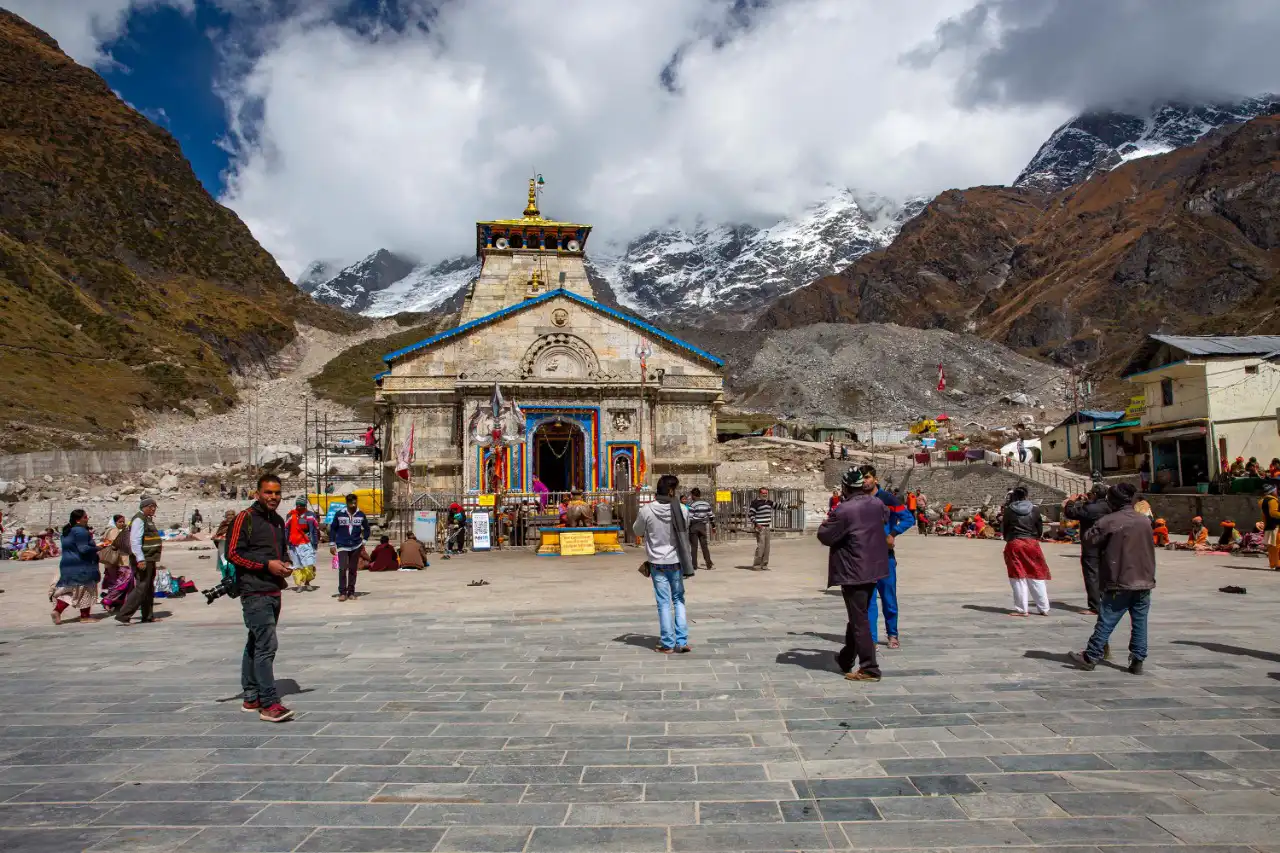
- Kedarnath, one of the twelve Jyotirlingas, where the hump of Shiva is worshipped at 3,583 metres
 19D / 18N
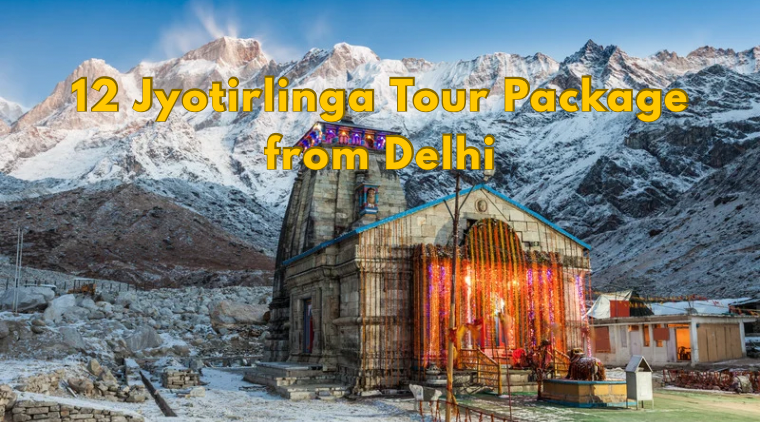
12 Jyotirlinga Tour Package from Delhi
- All Jyotirlinga darshans
- Ganga Aarti experiences