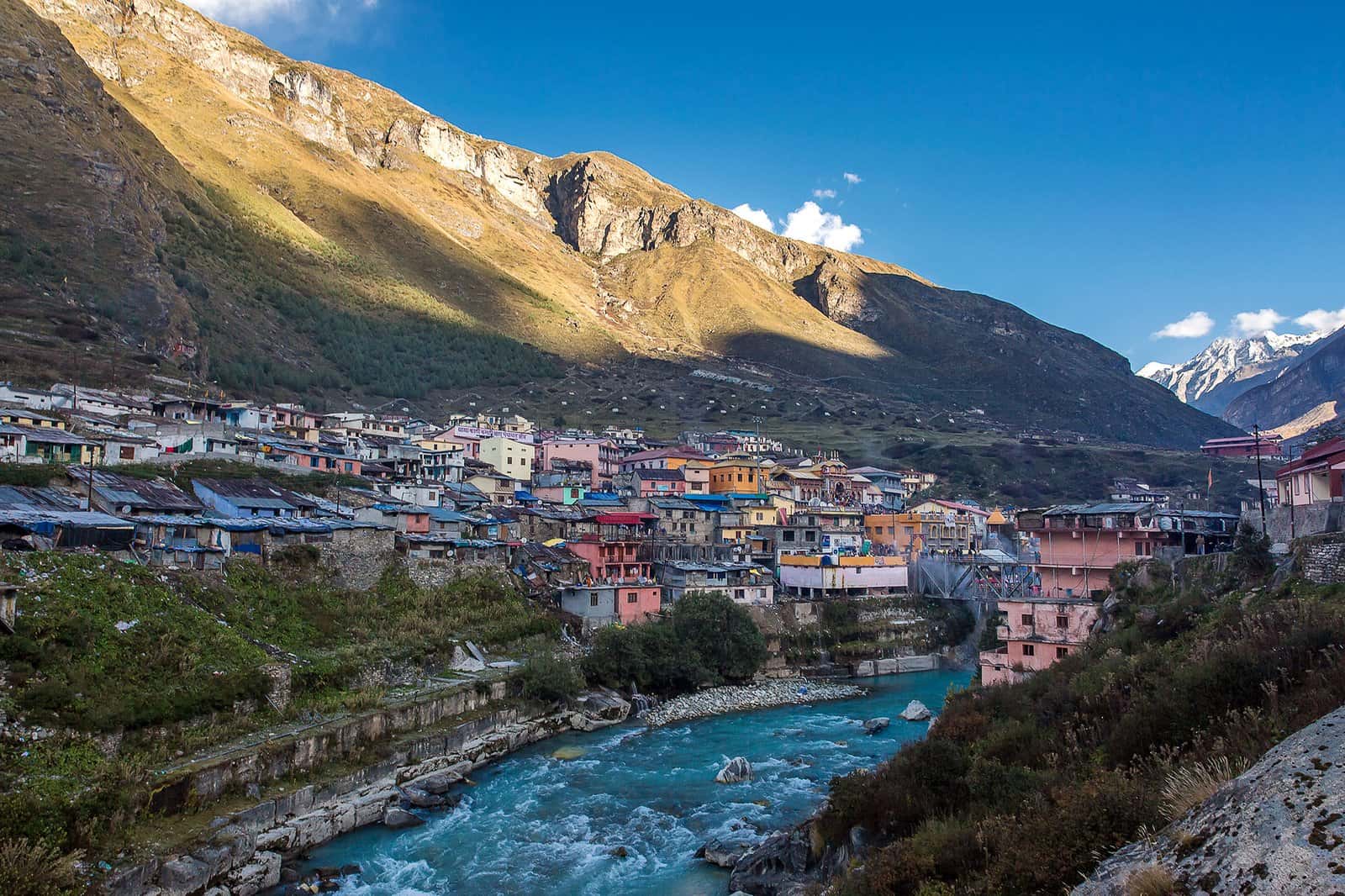
Joshimath Travel Guide
The big constraint is the Badrinath pilgrimage season , broadly late April to mid-November . The Valley of Flowers has its own short summer window, and winter is for snow at Auli...
When to visit Joshimath, and the windows to plan around
The big constraint is the Badrinath pilgrimage season, broadly late April to mid-November. The Valley of Flowers has its own short summer window, and winter is for snow at Auli and the winter Badri in town.
- May to June and September to OctoberThe most comfortable months for Badrinath and for sightseeing around Joshimath, with clear mountain air. The Badrinath 2026 season opens about 23 April and runs into mid-November; the closing date is declared on Vijayadashami around October and is tentatively about 13 November, so check your dates against the announced opening and closing.
- About June to August for the Valley of FlowersThe Valley of Flowers National Park, reached from Govindghat about 20 to 22 km away, is set to open about 1 June to about 31 August 2026, with the richest bloom usually in the second half of July and August. The same monsoon rain can trigger landslides on the mountain roads, so keep your plan flexible and allow buffer days.
- Winter, for the snow and the winter BadriFrom about December to March, Auli draws visitors for the snow and skiing, and Joshimath becomes the winter home of Badrinath worship at the Narsingh temple. Roads can close after heavy snowfall, so winter travel needs flexibility and warm gear.
- Avoid the deep monsoon for the high roadRoughly July to August is the wettest, and while it is the Valley of Flowers season, it is the riskiest time for landslides and road closures on the Badrinath and trek roads. If you come then, build in spare days and never plan a tight onward connection.
Joshimath went through serious land subsidence from about January 2023, four wards were classed unsafe, and stabilisation and monitoring are ongoing, so treat any visit detail as provisional and reconfirm locally close to your travel date. Also note the monsoon, roughly July to September, brings landslide risk on the Badrinath road, and the high winter closes the shrine entirely.
How to reach Joshimath
Joshimath is deep in the Garhwal Himalaya, a long mountain drive from the plains. Almost everyone comes up by road from Rishikesh, Haridwar or Dehradun, and it is a full day on the wheel.
- By road from Rishikesh or HaridwarThe usual approach. Joshimath is roughly 250 to 300 km from Rishikesh or Haridwar and the drive takes about 9 to 11 hours along winding mountain roads beside the Alaknanda. We arrange a car with an experienced hill driver; a private car up is commonly about 6,000 to 9,000 rupees one way, and we suggest starting early and breaking the journey rather than racing it.
- Nearest railhead and airportThe nearest railheads are Rishikesh and Haridwar, and the nearest airport is Dehradun (Jolly Grant), roughly 270 to 300 km away, around 9 to 11 hours by road. There are no flights or trains to Joshimath itself, so the last leg is always by road.
- Drive the Badrinath leg in daylightBadrinath is about 45 to 50 km on from Joshimath, roughly 2 to 3 hours and more in traffic or after a landslide. Civilian traffic on this upper stretch is generally stopped in the evening, commonly cited around 7 to 8 pm, and resumes early morning, so plan the Badrinath run for the daytime.
- The shared jeeps and busesBudget travellers reach Joshimath by shared jeeps and state buses from Rishikesh and Haridwar, usually changing at hubs like Srinagar or Chamoli. They are cheap and frequent in season but slow, so for older travellers a private car with halts is far gentler.
Fly into Delhi, then either a short hop or a road transfer to Dehradun (Jolly Grant) or Haridwar, and continue by road to Joshimath. There are no international flights anywhere near Joshimath, so allow a full day for the mountain drive.
Fly into Delhi and continue to Haridwar or Dehradun, then drive up. We can build the road legs with overnight halts so older pilgrims are not on the road for ten hours in one go.
Reach Rishikesh or Haridwar by train, or Dehradun by air, then take the mountain road. The Char Dham road has improved in parts but remains a long, winding drive that rewards an unhurried schedule.
Badrinath, the Narsingh temple, Auli and the Valley of Flowers
Joshimath is mostly a gateway, to Badrinath, to Auli, and to the Valley of Flowers and Hemkund Sahib, but it holds real spiritual weight of its own as one of Adi Shankaracharya's four cardinal maths.
- Badrinath, about 45 to 50 km onThe famous Vishnu shrine, one of the Char Dham, sits at about 3,300 m by the Alaknanda. Entry to the temple is free; darshan is busiest mid-morning, and a faster special darshan and certain poojas carry a small fee paid at the temple committee counter. Remember the free Char Dham registration is required (see the registration section), and do the drive in daylight.
- The Narsingh temple, winter seat of BadriWhen Badrinath closes for winter around mid-November, the worship is brought down and continued at the Narsingh (Narasimha) temple in Joshimath, with the Yogadhyan Badri at nearby Pandukeshwar also part of winter worship. Entry is free. It is the reason you can have a Badri darshan even in the snow-bound months.
- Auli, the ski meadow above townAuli, the high alpine ski resort at about 2,500 to 3,000 m, sits above Joshimath. The old Joshimath to Auli ropeway has been closed since early 2023 (see the status section), so plan to reach Auli by road, about 12 to 16 km of mountain driving, and reconfirm whether any ropeway is running before you count on it.
- Valley of Flowers and Hemkund SahibFrom Govindghat, about 20 to 22 km from Joshimath, the trail climbs via Ghangaria to the Valley of Flowers (a UNESCO World Heritage Site, set to open about 1 June to 31 August 2026) and to the high Sikh shrine of Hemkund Sahib. The Valley has a forest entry permit, about 200 rupees for Indians and about 800 rupees for foreign nationals, bought online and checked near Ghangaria.
- Mana village and Vasudhara FallsBeyond Badrinath, Mana, long billed as one of India's last villages near the Tibet border, and the Vasudhara Falls make a short, scenic add-on for those who reach the shrine. Ask your driver about current access, as the upper roads can close at short notice.
Joshimath at about 1,875 m is a sensible place to spend a night and let your body adjust before Badrinath (about 3,300 m) or any trek. Take it slow on arrival, drink water, eat light, and watch for headaches or breathlessness, especially older travellers and anyone coming straight up from the plains.
The land subsidence and the Auli ropeway, the honest current picture
This is the question every careful traveller is really asking, so here is a current, sourced, hedged answer rather than an old headline. The short version: visits and the Badrinath pilgrimage continue, but reconfirm locally, and do not assume the old ropeway is running.
- What happenedFrom about January 2023, widening cracks appeared in homes, roads and hotels across many wards of Joshimath. The state declared it a landslide-and-subsidence zone, four wards were classed unsafe, nearly 800 buildings were affected, and hundreds of families were moved to relief centres while expert agencies studied the causes.
- What it means for a traveller nowTourism and the Badrinath pilgrimage have continued through Joshimath since then, and most visits pass without incident, but scientists report the slope is still moving slowly and needs continuous monitoring. Treat any current detail as provisional, choose accommodation sensibly, and reconfirm conditions locally close to your date. We monitor this for guests we are sending up.
- The Auli ropeway is not a sure thingThe old Joshimath to Auli cable car, run by GMVN, has been closed since about 5 January 2023, suspended on safety grounds during the subsidence after ground movement near tower one. A large replacement is planned, with a detailed project report worth about 480 crore rupees submitted for a 4.5 km line, but as of mid-2026 you should not assume the cable car is operating.
- Reach Auli by road insteadUntil a ropeway is confirmed running, plan to drive up to Auli, about 12 to 16 km of mountain road from Joshimath. If a ropeway is operating again by your travel date, treat it as a bonus and reconfirm the fare and timings on the spot. Beware travel pages that still list the old ropeway fares as if it ran daily.
Both the subsidence recovery and the ropeway are moving stories. We are deliberately cautious here: we will not tell you the ground is fully stabilised or that the cable car is running unless that is confirmed for your dates. Ask us, or check the official Uttarakhand sources, close to travel.
The free Char Dham registration, and how it works
The single thing that trips up Badrinath-bound travellers is the registration. It is mandatory, it is free, and you can be turned back at a check post without it, so do it before you leave the plains.
- It is mandatory and freeEvery pilgrim heading to Badrinath, Indian or foreign, must register on the official Uttarakhand portal, registrationandtouristcare.uk.gov.in. Registration costs nothing, and pilgrims without a valid Yatra Registration Number are turned away at the checkpoints, so there is no reason to skip it.
- When it opens and what you needRegistration opened about 6 March for the 2026 season. For Indian pilgrims a valid Aadhaar is mandatory in 2026, along with a photo, a mobile number for the OTP and an email; carry an emergency contact who is not travelling with you. The same registration also covers Hemkund Sahib.
- Carry the QR letter or wristbandAfter registering you get a QR Yatra Registration Letter, and at the shrine the QR is scanned physically, on the letter, the mobile app or an allotted wristband. Keep it handy, on paper and on your phone, so you are never held up at a check post.
- Other ways to registerBesides the web portal, you can register through the touristcareuttarakhand mobile app, or by WhatsApp and SMS. If you are short of time, there are limited offline counters near the route, but registering online before you set off is far smoother.
Do the registration before you start the mountain drive, while you still have reliable signal and time to fix any error. It is free, it takes a few minutes, and it is the one document that can stop your whole Badrinath plan at a check post if you forget it. Reconfirm the year's opening date and rules on the official portal, since they are announced afresh each season.
Signature experiences around Joshimath
Beyond the drive to Badrinath, these are the experiences people remember, and how to arrange them, from pilgrimage to high trekking.
- Badri darshan and the winter BadriIn season, a calm early darshan at Badrinath after an overnight in Joshimath, when the kapat opens about 4:30 am and darshan runs to about 1:00 pm before the midday close. In winter, the moving experience of the winter Badri worship at the Narsingh temple in Joshimath, where the deity rests through the snow. We help with the timing and the registration.
- Stand where Adi Shankaracharya satJoshimath, now officially Jyotirmath, is one of the four cardinal maths Adi Shankaracharya established. The Jyotir Math, the ancient Kalpavriksha (a venerable mulberry tree) and the Shankaracharya cave nearby make a quiet, spiritually rich morning before the day's drive.
- The Valley of Flowers and Hemkund Sahib trekFrom Govindghat, a few hours from Joshimath, trek up via Ghangaria to the flower-filled valley (open about 1 June to 31 August 2026) and the high Sikh shrine of Hemkund Sahib. It is a moderate but rewarding multi-day walk; we arrange the forest permit and a porter or pony where needed.
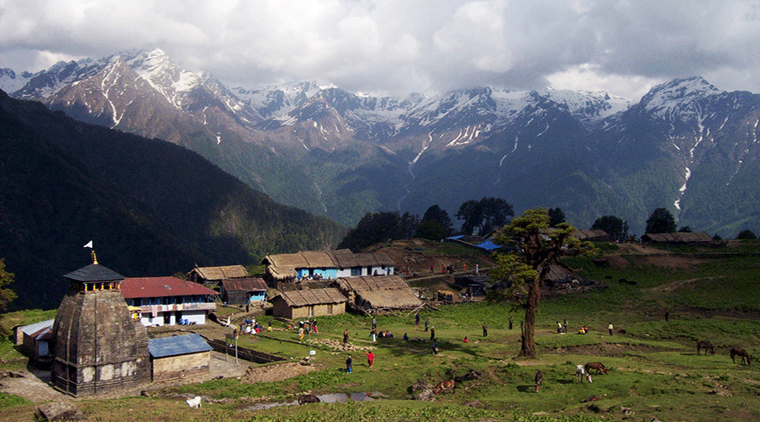
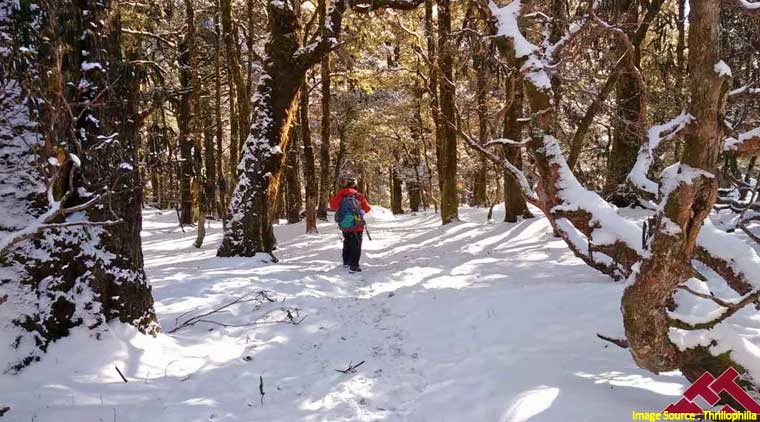
- Classic Garhwal treks from the Joshimath sideKuari Pass, a gentle, beginner-friendly ridge walk with grand Nanda Devi views, and the more remote Kagbhusandi Lake trek at about 4,360 m both start from the Joshimath and Govindghat area. Joshimath also doubles as a useful acclimatisation halt before going higher.
- Snow and views at AuliIn winter, Auli is one of north India's better snow spots, with skiing and the open meadows looking out to Nanda Devi. Reach it by road for now, since the old ropeway is closed, and check whether any cable car has reopened before you rely on it.
If you do only one thing slowly, make it the early Badri darshan after a settled night in Joshimath. Arriving rested and acclimatised, reaching Badrinath in the morning light and standing quietly before the shrine before the crowds build is what pilgrims remember, far more than a rushed dash up and back in a single exhausting day.
Where to stay around Joshimath and Auli
Base in Joshimath town for the pilgrim logistics and an early Badrinath start, or up in Auli for the snow, the views and the calm. One to three nights covers most plans.
- Joshimath town: the practical baseJoshimath has the hotels, the registration help, the shared transport and the early start for Badrinath. It is functional rather than pretty, and after the subsidence it is worth choosing a sensibly built, well-reviewed property. Simple rooms run from about 800 to 2,000 rupees and mid-range hotels about 2,000 to 5,000 rupees.
- Auli: the views and the snowUp at about 2,500 to 3,000 m, Auli has resorts and GMVN accommodation with open meadow and Nanda Devi views, lovely in winter snow and summer green. The better resorts run about 5,000 to 12,000 rupees and up. Reach it by road, since the ropeway is closed, and remember it is higher and colder than the town.
- Govindghat and Ghangaria for the treksIf your focus is the Valley of Flowers or Hemkund Sahib, basic lodges at Govindghat and the trek base of Ghangaria put you at the trailhead. Ghangaria is simple and seasonal, so carry warm layers and do not expect comfort, only a roof and a hot meal before the climb.
- How many nightsOne night in Joshimath plus a daylight Badrinath run is the minimum for a pilgrim. Add a night in Auli for the snow and views, and two to three more days if you want the Valley of Flowers and Hemkund Sahib trek. Build in a buffer night against landslide or weather delays.
In the May to June and September to October peak, and around long weekends, Joshimath and Auli rooms fill and prices climb, and the better-built hotels go first. Book ahead in season, and after the subsidence ask about the building before you commit, especially for an elderly group.
Joshimath, Auli and Badrinath costs and a realistic budget
A Joshimath trip is moderate by hill-station standards, with the car up from the plains the biggest single line. Here is what the main things cost so you can plan and avoid being overcharged.
- The big line: the car upA private car from Rishikesh or Haridwar up to Joshimath is commonly about 6,000 to 9,000 rupees one way, more for a larger vehicle or in peak Char Dham months. Shared jeeps and buses are far cheaper but slow, and for an older group the comfort of a private car with halts is worth the difference.
- Rooms and foodSimple rooms run from about 800 to 2,000 rupees, mid-range hotels about 2,000 to 5,000 rupees, and Auli's better resorts about 5,000 to 12,000 rupees and up. Food is simple vegetarian hill fare, good value, with dhabas and hotel kitchens the norm rather than fancy restaurants.
- The fixed and the freeThe Badrinath temple and the Narsingh temple are free to enter, and the Char Dham registration is free. The Valley of Flowers permit is about 200 rupees for an Indian and about 800 rupees for a foreign national, valid three days, with children under 12 free. These are the rare prices not subject to bargaining.
- Cash, cards and ATMsJoshimath has bank ATMs and many places take UPI, but signal and machines can be patchy up the valley, so carry enough cash for fuel, dhabas, ponies and the small temple poojas. Higher up at Auli, Govindghat and on the treks, cash is essential.
On most Joshimath trips the transport, the car up from the plains and the local runs to Badrinath and Auli, is the dominant cost, not the rooms or the food, which stay modest. Plan the vehicle and the days first, agree the car rate before you start, and the rest of the budget falls into place without surprises.
Practical logistics: weather, signal, fuel and getting around
The small things that make a Joshimath trip smooth, from warm layers and fuel to signal, the night-travel restriction and how you move between the town, Auli and Badrinath.
- Warm layers, even in summerJoshimath is cool and the evenings are cold at altitude; Auli and Badrinath are colder still and can see snow well outside winter. Carry layers, a windproof, a warm hat and gloves, and a rain shell in the monsoon, whatever the month you travel.
- Fuel, signal and the night restrictionFill fuel at Joshimath before the Badrinath leg, as pumps are sparse higher up. Mobile signal is decent in the town and patchy beyond it. Remember civilian traffic on the upper Badrinath road is generally stopped in the evening, commonly cited around 7 to 8 pm, so plan to be back or settled before dark.
- Getting aroundWithin the area you move by car, shared jeep or local bus: Joshimath to Auli is about 12 to 16 km by road, Joshimath to Badrinath about 45 to 50 km, and Joshimath to Govindghat about 20 to 22 km. There is no town metro or app-cab network, so a hired car or a shared jeep is how you get about.
- Food, water and health basicsStick to bottled or filtered water, eat the hot, fresh vegetarian hill food, and carry a basic kit with rehydration salts, a painkiller and any altitude medication your doctor advises. The food is simple and wholesome; the main health watch-point is the altitude, covered in the safety section.
Altitude, the roads, and staying well
Joshimath is welcoming and low on the usual tourist scams, so the real safety story here is altitude, the mountain roads and the weather. A little care keeps the trip happy.
- Acclimatise and watch for altitude sicknessGoing straight from the plains to Badrinath (about 3,300 m) in one push invites altitude sickness. Spend a night around Joshimath (about 1,875 m) to adjust, drink water, eat light, ascend slowly, and watch for headache, nausea, dizziness or breathlessness. If symptoms are bad, descend; do not push higher.
- Respect the road and the night restrictionThe mountain roads are narrow, winding and prone to landslides in the rains. Use an experienced hill driver, do not rush, and never drive the upper Badrinath stretch after dark, since civilian traffic is generally stopped in the evening, commonly cited around 7 to 8 pm, for exactly that reason.
- Weather, landslides and buffer daysRoughly July to September, rain can trigger landslides and brief road closures on the Char Dham roads. Build in buffer days, keep your plan flexible, and do not book tight, unforgiving onward connections out of the mountains. In winter, heavy snow can close roads at short notice.
- Low on scams, high on courtesyJoshimath is a pilgrim town with little of the aggressive touting of the plains. Agree pony, porter and car rates in advance, carry your registration and ID, and treat the shrines and the local people with the courtesy a holy place deserves. Solo and women travellers generally find it calm.
Altitude is the one real risk on this trip, and it does not care how fit you are. If anyone in the group has a heart, lung or blood-pressure condition, or is elderly, tell us before we plan, so we can build in acclimatisation, keep the daily ascent gentle, and have the Dehradun Badrinath helicopter as a fallback if the long road is too much.
Joshimath for every kind of traveller, and on access
Joshimath serves the pilgrim, the trekker, the couple and the senior in different ways. Here is what it offers you, the one tip that matters for each, and an honest word on accessibility.
- Pilgrims and devoteesJoshimath is the road gateway to Badrinath and the winter seat of Badri at the Narsingh temple, plus a cardinal math of Adi Shankaracharya. Register free for Badrinath in advance, acclimatise a night here, and aim for an early, unhurried darshan when the kapat opens.
- Families with elderly parentsVery doable with planning. Break the long drive with overnight halts, spend a night in Joshimath to adjust to the altitude before Badrinath, and keep medicines and warm layers handy. Consider the Badrinath helicopter service from Dehradun for those who cannot manage the long road.
- Senior devotees and on accessibilityGive the body time. The climb from the plains is long and high, so acclimatise in Joshimath, do Badrinath in daylight, and watch for altitude symptoms. Ponies, porters and palanquins help on the short walk at Badrinath. There is little step-free or wheelchair infrastructure, so the helicopter and ponies are the realistic aids; tell us about any heart or breathing condition so we plan gently.
- CouplesAuli in winter, with snow and Nanda Devi views, is quietly romantic, and the meadows are lovely in summer too. Reach it by road for now. A calm Badri darshan and the mountain air make an unusual, soulful break away from the crowds.
- Trekkers and the adventurousKuari Pass for beginners, Kagbhusandi Lake for something remote, and the Valley of Flowers with Hemkund Sahib in the summer bloom. Joshimath is a natural acclimatisation base; arrange permits, porters and a guide through us before you set off, and respect the monsoon landslide risk.
- Backpackers and budget travellersReach Joshimath by the shared mountain buses or jeeps from Rishikesh and Haridwar, and use it as a cheap base for Auli and the treks. Carry warm layers even in summer, since evenings are cold at altitude, and cash, since machines can be patchy up the valley.
A suggested Joshimath, Auli and Badrinath itinerary
How to shape a few unhurried days so you acclimatise properly, catch Badrinath at the right hours, and fit in Auli or a trek without racing the mountain roads.
- Day one: the drive upStart early from Rishikesh or Haridwar for the long 9 to 11 hour mountain drive to Joshimath, breaking for lunch and rest along the Alaknanda. Arrive in the afternoon, take it easy, drink water and let the altitude settle. Do your Char Dham registration before you leave if you have not already.
- Day two: Badrinath in daylightSet off early for Badrinath, about 45 to 50 km on, for a calm morning darshan after the kapat opens. Add Mana village and Vasudhara Falls if access allows, then drive back down to Joshimath in daylight, before the evening night-travel restriction on the upper road.
- Day three: Auli or Jyotir MathDrive up to Auli, about 12 to 16 km, for the snow or the summer meadows and the Nanda Devi views, since the ropeway is closed. Or spend a quieter morning at the Jyotir Math, the Kalpavriksha and the Shankaracharya cave in town before the drive back to the plains.
- Add days for the treksFor the Valley of Flowers and Hemkund Sahib, add two to three days from Govindghat via Ghangaria in the about June to August window. For Kuari Pass, plan a separate three to five day trek. Always keep a buffer night against landslide or weather delays.
The single thing that breaks a Joshimath plan is trying to drive from the plains straight up to Badrinath and back in one go. It is a brutal day on the wheel, it skips acclimatisation, and it risks the night-travel restriction and altitude sickness. Build in the Joshimath overnight, and the trip becomes safe and enjoyable rather than an ordeal.
The real questions travellers ask about Joshimath
Straight answers to the questions that come up again and again on traveller forums, so you arrive already knowing the score.
- Is Joshimath safe to visit now?Tourism and the Badrinath pilgrimage have continued through Joshimath since the 2023 subsidence, and most visits pass without incident, but scientists say the slope is still moving slowly and needs monitoring. Treat it as provisional, choose a sensibly built hotel, and reconfirm conditions locally close to your date.
- Is the Auli ropeway open or closed?The old Joshimath to Auli cable car has been closed since early 2023 on safety grounds, and a replacement is only planned, not running. Do not count on the ropeway. Reach Auli by road, about 12 to 16 km, and treat any reopened cable car as a bonus you confirm on the spot.
- How many days do I need?A pilgrim can do Joshimath and Badrinath in two nights plus the drives. Add a night for Auli, and two to three more days for the Valley of Flowers or Kuari Pass. Always keep one buffer night for landslide or weather delays on the mountain roads.
- Joshimath or Auli as a base?Base in Joshimath for the pilgrim logistics, the registration help and the early Badrinath start. Stay up in Auli if your focus is the snow, the skiing and the views, remembering it is higher, colder and reached only by road for now.
- Do I really need the Char Dham registration?Yes, for Badrinath it is mandatory and free, and you can be turned back at a check post without the QR registration. Register on the official Uttarakhand portal before you leave the plains; Indians need a valid Aadhaar in 2026, and it applies to foreign and OCI pilgrims too.
- When does Badrinath open and what are the timings?Badrinath 2026 opens about 23 April; the closing is announced on Vijayadashami around October and is tentatively about 13 November, so reconfirm it. In season the kapat opens about 4:30 am, darshan runs about 6:00 am to 1:00 pm, the temple closes about 1:00 pm to 4:00 pm midday, then reopens for evening darshan and aarti to about 8:30 pm.
Planning Joshimath and Badrinath from abroad
For an NRI or OCI family, Joshimath is the gateway to Badrinath, one of the holiest shrines for many Indian families. A little planning around the registration, the altitude and the road windows makes it smooth.
- Register free for Badrinath, you tooThe mandatory Char Dham registration applies to foreign and OCI pilgrims as well as Indians, and it is free. Register on the official Uttarakhand portal (registrationandtouristcare.uk.gov.in) before you travel and carry the QR Yatra Registration Letter. Indian pilgrims need a valid Aadhaar in 2026; carry your passport, and your OCI card if you hold one.
- Arrive through Delhi, then drive upFly into Delhi, continue to Dehradun (Jolly Grant) or Haridwar, then take the mountain road, a long 9 to 11 hours. There are no international flights or trains near Joshimath, so allow a full day for the drive and an overnight halt on the way.
- Respect the altitude and the road windowsBadrinath is high, about 3,300 m, so acclimatise a night in Joshimath, drink water, eat light, and do the Badrinath leg in daylight, since the upper road is generally closed to civilian traffic in the evening. For elders who cannot manage the long road, ask us about the Badrinath helicopter service from Dehradun.
- Plan around the current uncertaintiesJoshimath had serious land subsidence from early 2023 and the old Auli ropeway has been closed since then. We will give you a current, honest position for your dates rather than a stale headline, and we plan Auli access by road unless a ropeway is confirmed running.
The Valley of Flowers and treks for overseas visitors
Joshimath is also the gateway to one of the Himalaya's loveliest treks. Here is what a foreign trekker needs on permits, fees, the season and the money basics.
- The Valley of Flowers permit and feeThe Valley of Flowers National Park is set to open about 1 June to 31 August 2026. The forest entry permit is about 200 rupees for an Indian citizen and about 800 rupees for a foreign national, each valid for three days, with children under 12 free. Buy it online at the forest portal and carry it for the check near Ghangaria.
- The trek itself, and the capFrom Govindghat you reach the valley via the base camp of Ghangaria, a moderate multi-day walk. A daily visitor cap of about 300 has applied since 2017 to protect the fragile ecosystem, so plan and book ahead in the bloom season. We arrange porters or ponies and a guide where you want them.
- Money, SIM and connectivityCarry cash, as machines and signal thin out up the valley and on the treks. Pick up an Indian tourist SIM or eSIM when you land in Delhi rather than hunting for one in the mountains, and download offline maps, since data is patchy beyond Joshimath.
- How long to give it on a bigger tripOn a wider India trip, give the Joshimath area at least three to four days: the long drive up, a Badri darshan, and either Auli or the start of a trek. For the full Valley of Flowers and Hemkund Sahib, plan a week from Rishikesh and back, with buffer days for weather.
Joshimath is a real high-mountain trip, not a hill-station weekend: long drives, real altitude and weather that can change a plan overnight. Go unhurried, acclimatise, keep buffer days, and you get a rare combination of deep pilgrimage and serious mountain scenery in one valley. Many overseas visitors say the Valley of Flowers in bloom is the most beautiful single day of their India trip.
Why Joshimath is now Jyotirmath, and the seat of the north
Tradition holds that in the eighth or ninth century the philosopher-saint Adi Shankaracharya travelled the length of India and established four cardinal maths, monastic seats of learning, at the four directions: Sringeri in the south, Dwarka in the west, Puri in the east, and Jyotir Math here in the north, beneath the Himalaya near the road to Badrinath. It is said he meditated in a cave below an ancient mulberry tree, the Kalpavriksha that still stands, and received the light of knowledge, the jyoti that gives the math its name. The town that grew around it was long called Joshimath, a worn form of Jyotirmath, and in our own time the ancient name has been formally restored. Through the snow-bound winter, when the high shrine of Badrinath closes, the worship of Badri is carried down and kept here at the Narsingh temple, so that the seat of the north holds the living presence of the god even when the mountain shuts its doors. No single dated record fixes every detail of Shankaracharya's life, and historians debate the dates, but the tradition of the four maths and the standing of Jyotir Math as the northern seat is among the most enduring in Indian religious history.
Planning a Joshimath trip?
Our Uttarakhand travel experts plan your full journey for you: route, hotels, darshan timings and transport. You get a free day-by-day plan and an exact quote on WhatsApp, usually within a few hours. No payment is needed to get your plan.
Tour packages that visit Joshimath
Every journey below is private, hand-crafted and fully customizable. Tell us your dates and we tailor the itinerary, the pace and the priests or guides around you.
 6D / 5N
Badrinath Yatra
- Visit Har ki pauri for Famous Aarti of Holy Ganges
- Visit Mana Village,
Kagbhusandi Lake Trek
- Kagbhusandi Lake Trek
- Roop Dhungi
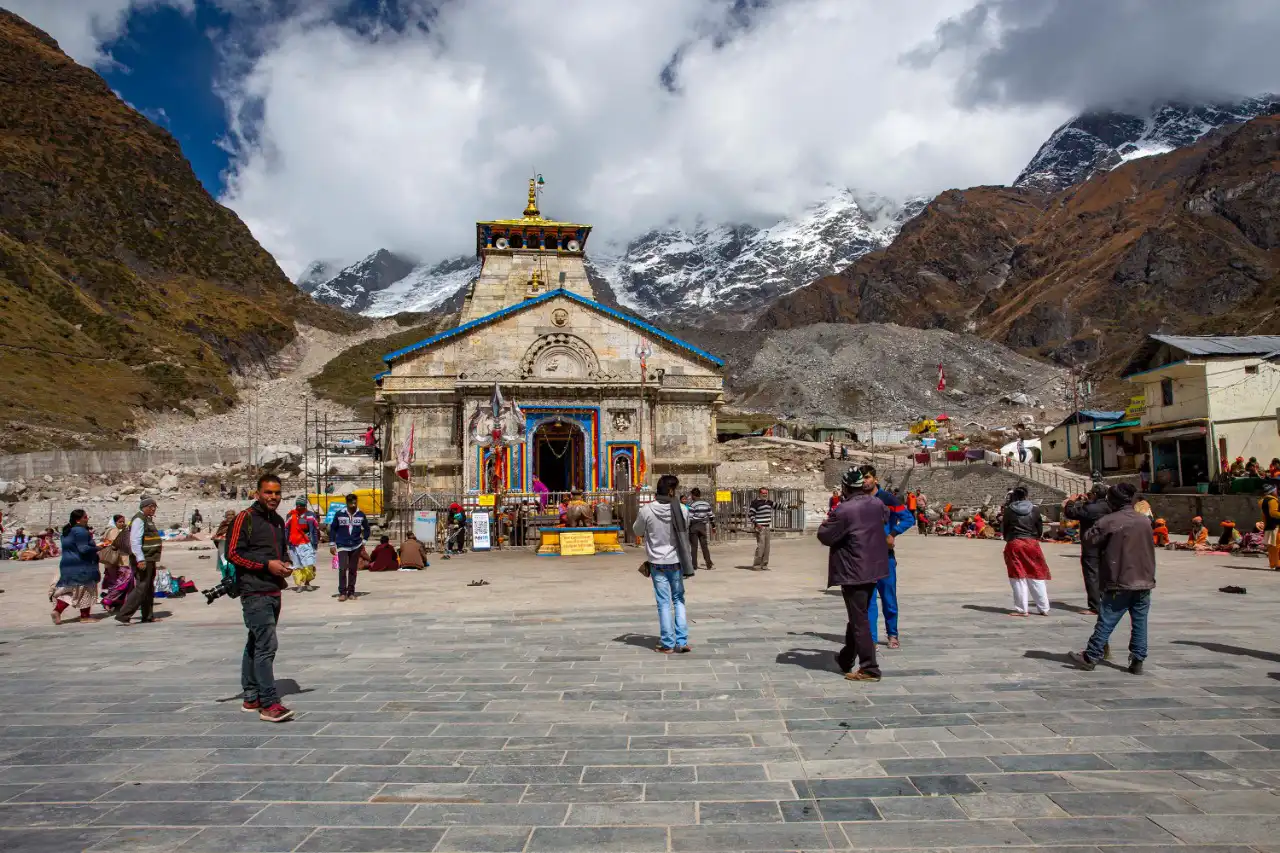 12D / 11N
Panch Kedar Tour Package: Five Shiva Temples of Garhwal in 12 Days
- Darshan at all five Panch Kedar temples in one journey: Kedarnath, Madhyamaheshwar, Tungnath, Rudranath and Kalpeshwar
- Kedarnath, one of the twelve Jyotirlingas, where the hump of Shiva is worshipped at 3,583 metres
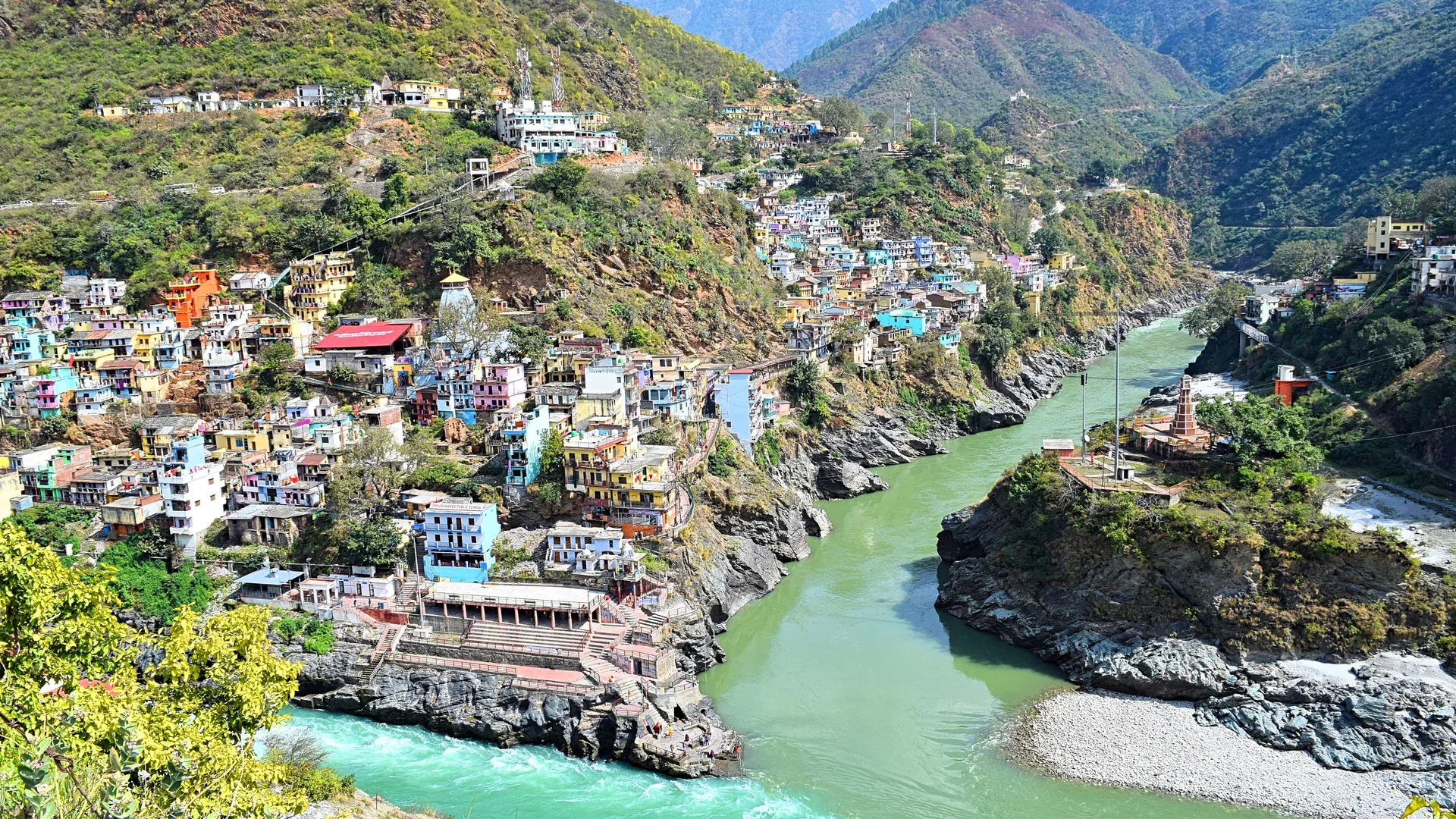 11D / 10N
North India Divya Desam Tour Package: 7 Vada Naadu Temples in 11 Days
- All 7 North India Divya Desams in one 11 day circle: Mathura, Gokul, Naimisharanya, Ayodhya, Devprayag, Joshimath and Badrinath
- Built around the Badrinath opening window, with assistance and guidance for your mandatory Uttarakhand yatra e-registration
 16D / 15N
Panch Kedar Trek
- Trek from Kalpeshwar to Urgam village
- Trek from Urgam to Kalgot
 6D / 5N
Kuari Pass Trekking
- Badrinath
- Auli