1
Thimphu
Western Bhutan
An easy first day under the 54 metre golden Buddha
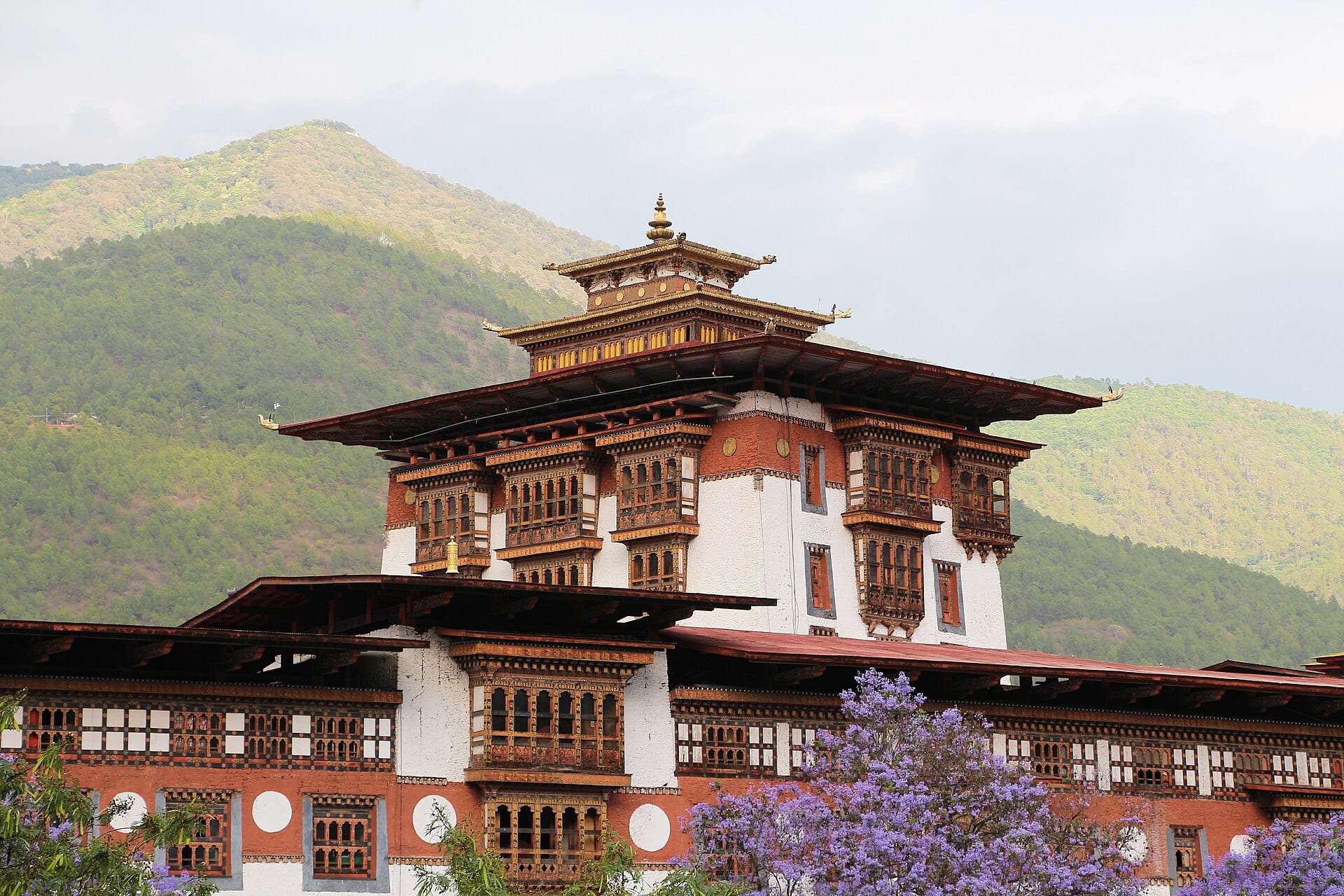
Spring (March to May) for blossoms including the jacaranda at Punakha, and autumn (September to November) for the clearest views
Overview
Bhutan is a soft landing for a first trip abroad as a couple. There is no visa for Indians, only a simple permit, and the Indian rupee is used at par. This seven day honeymoon keeps the pace slow: unhurried valley drives, a warm hot stone bath, a gentle float on the Mo Chhu river, quiet evenings by the water, and one shared climb to the Tiger's Nest that you will talk about for years. This page gives you the real rules, the real effort, and the day by day plan, so you can book with your eyes open.
Bhutan asks very little of a couple and gives back a lot of calm. For Indians there is no visa to arrange, just a permit, and your rupees work at par with the local money, so there is no currency worry. The country is famously safe and unhurried. Bhutan measures itself by what it calls Gross National Happiness, an idea its Fourth King put forward in the early 1970s and later wrote into its 2008 Constitution, and you feel that slower spirit on the ground. For a honeymoon that means clean mountain air, warm and familiar food, quiet valleys, and enough small romantic touches to make the trip feel special without any stress.
You spend your days in three valleys rather than rushing through ten stops. Thimphu is the small capital under a 54 metre golden Buddha. Punakha, the old capital, is the softest and warmest of the three, where the Punakha Dzong stands at the meeting of two rivers, the Pho Chhu and the Mo Chhu, and where you can float gently down the water together. Paro holds the Tiger's Nest, the cliff monastery called Paro Taktsang that you climb to as a pair. Along the way you cross the Dochula Pass at around 3,100 metres, where 108 small stupas line the ridge and the eastern Himalaya rises behind them on a clear morning.
The small things are planned in. A Bhutanese hot stone bath, called dotsho, is a real local wellness ritual: river stones are heated in a fire and slipped into a wooden tub of water with artemisia herbs, and you soak away the mountain chill. It is offered everywhere from simple farmhouses to the top lodges. On the Mo Chhu river at Punakha you can take a beginner friendly float, the calmest and most rafted stretch in the country, with the dzong sliding past on the bank. In spring the jacaranda trees around the Punakha Dzong turn purple, usually from late April into May, which makes for a lovely photo together, though the exact bloom shifts a little each year. Evenings can be a quiet farmhouse dinner or a riverside walk. If you want to splurge, Bhutan has some of the finest lodges in the Himalaya, such as Amankora, Six Senses and COMO Uma, spread across the main valleys, and we can price a stay in one on request.
Indian nationals do not need a visa for Bhutan. You need an entry permit. For adults the accepted documents are a valid Indian passport (with at least six months left on it) or a Voter Identity Card. An Aadhaar card, a PAN card and a driving licence are not on that accepted list, so do not rely on them. You can apply online before you travel, or your operator or hotel can apply for you, or you can apply in person at the point of entry, where there can be a wait in busy months. Bhutan also charges a Sustainable Development Fee, which goes to the country's conservation and services. It is currently Nu 1,200 per adult per night, the same as 1,200 in Indian rupees since the two currencies are at par, and it is paid when the permit is applied for. Rates and rules do change, so confirm the current rate on the official Bhutan portal before you travel. In the past a route permit was needed to go beyond Thimphu and Paro. Bhutan has relaxed this for tourism, but since rules move we reconfirm the current position for your dates.
You fly into Paro. On Drukair, Delhi has daily flights, and there are direct flights from Kolkata, Guwahati and Bagdogra through the week, plus a seasonal winter service from Bodh Gaya. There is no direct Paro flight from Mumbai at present, so from western and southern India you connect through Delhi or Kolkata. Paro sits at about 2,235 metres in a narrow valley, and landings are done by sight in daylight only, so weather can delay a flight and it is wise to keep buffer on your onward travel. If you prefer the road, you cross at Phuentsholing next to Jaigaon, reached from Bagdogra airport or New Jalpaiguri railhead, and drive about 170 to 175 km and 5 to 6 hours up to Thimphu.
Spring, from March to May, brings the blossoms, including the jacaranda at Punakha, and soft warm days. Autumn, from September to November, gives the clearest air and the best mountain views, and it is the most popular. Winter, from December to February, is cold but bright and very quiet, which some couples love. The monsoon, from June to August, is green and cheaper with rain that usually comes in spells. If you want the country almost to yourselves, add a night in a quiet valley such as Phobjikha, the wide glacial bowl where black necked cranes spend the winter, or Haa, a forested valley that opened to visitors only in 2002.
Do this together and take it slowly. The walk is about 6 to 6.4 km up and down, with a climb of around 520 metres, and most people take 4 to 6 hours with breaks. There is a cafe about halfway with the first full view, where you can stop for tea, and either of you can turn back happy from there. Ponies can be hired at the base but they go only up to that cafe, not to the monastery, and the last stretch of steps is on foot. Wear shoes you have already broken in, carry water, and remember that cameras and bags are left in lockers before you step inside the temple.
Carry Indian cash in smaller notes, since higher value notes can be hard to spend, and check the current Reserve Bank of India limit on how much you may carry across. Cards work in bigger hotels and shops, and ATMs are in the main towns. Indian mobile roaming works but costs a lot, so most travellers buy a local Bhutanese SIM at Paro airport with a passport and a photo. At temples and dzongs, dress modestly with shoulders and knees covered and hats off inside, take photos in the courtyards but not inside the prayer halls, and note that public smoking is banned.
This plan suits couples who want calm over a checklist: gentle days, warm food, safe surroundings, and a few quiet romantic moments. It is very comfortable for a first trip abroad and for elders travelling with you. If you have a few extra days, add Phobjikha or Haa for seclusion, stretch Punakha for more river time, or move up to one of the luxury lodges.
Photos from Wikimedia Commons: Taktsang Monastery, Bhutan 01 by Bernard Gagnon (CC BY-SA 4.0); Punakha Dzong, Bhutan 05 by Bernard Gagnon (CC BY-SA 4.0); Tashichho Dzong, Bhutan 03 by Bernard Gagnon (CC BY-SA 4.0); Druk Wangyal Khang Zhang Chortens at Dochula Pass by Chirag85 (CC BY-SA 4.0); Buddha Dordenma statue, Thimphu 06 by Bernard Gagnon (CC BY-SA 4.0); Rinpung Dzong, Bhutan 01 by Bernard Gagnon (CC BY-SA 4.0).
Spring (March to May) for blossoms including the jacaranda at Punakha, and autumn (September to November) for the clearest views
Newly married Indian couples, couples celebrating an anniversary, and NRI or OCI couples who want a calm, safe and scenic first trip abroad together
Easy to moderate
Route & distances
Accurate distances and travel times for every leg: 238 km by road. Road times include a traffic buffer; distances marked “aerial” are straight-line for flight, helicopter, ropeway and water legs.
| # | Leg | Mode | Distance | Time |
|---|---|---|---|---|
| 1 | New Delhi → Paro | By flight | 1,205 km (aerial) | — |
| 2 | Paro → Thimphu | By road | 50 km | ~1h 6mest. |
| 3 | Thimphu → Punakha | By road | 74 km | ~1h 45mest. |
| 4 | Punakha → Paro | By road | 114 km | ~2h 30mest. |
| 5 | Paro → New Delhi | By flight | 1,205 km (aerial) | — |
Day by day
A carefully paced plan, day by day. Tap any day for the stay, meals and altitude detail.
You enter Bhutan, either by the flight into Paro or across the Phuentsholing border by road, and drive to Thimphu, the small capital. If you fly, the drive from Paro to Thimphu is short, about 54 km and roughly 1 to 1.5 hours along the river. Keep the first day light, settle into your room, and take an easy evening walk around the clock tower square as a pair while your body gets used to the mountain air.
Special Tips for This Day: Keep warm layers in your hand baggage, not the check in bag, because evenings turn cold quickly. Go easy on the first dinner and drink water while you settle to the altitude.
A relaxed day in Thimphu. You visit the great Buddha Dordenma, a 54 metre gilded statue on a hill with a wide view over the valley, a lovely first photo together. You stop at the National Memorial Chorten, built in 1974, where local elders walk their daily rounds, and you see the Tashichho Dzong, the seat of the government, which looks its best in the late afternoon light. Leave the evening free for a slow dinner.
Special Tips for This Day: The dzong opens to visitors only after office hours on weekdays, so save it for the end of the day. Carry a light shawl to cover shoulders before you step inside any temple.
You drive to Punakha, about 71 km and roughly 2.5 to 3 hours, climbing to the Dochula Pass at around 3,100 metres, where 108 small stupas stand together and, on a clear morning, the snow peaks line up behind them. You drop into the warmer Punakha valley and visit the Punakha Dzong at the meeting of the Pho Chhu and Mo Chhu rivers, which in spring is framed by purple jacaranda. Spend the evening by the water.
Special Tips for This Day: Reach Dochula early for the mountain view, since cloud builds by late morning. Punakha is lower and warmer than Thimphu, so pack a lighter layer for here.
Your day for two. Take a gentle, beginner friendly float on the Mo Chhu river, the calmest and most rafted stretch in Bhutan, with the dzong sliding past on the bank. Walk out across the long Punakha suspension bridge, strung with prayer flags, and stroll the easy path to the small Chimi Lhakhang through the fields. In the evening, sink into a hot stone bath, the Bhutanese dotsho, where heated river stones warm a wooden tub scented with mountain herbs.
Special Tips for This Day: Book the hot stone bath a day ahead, since the stones take time to heat. Keep the rafting for the morning when the water and light are best, and carry a dry set of clothes.
You cross back over the Dochula Pass and drive to Paro, about 125 km and usually 4 to 5 hours with photo stops, since mountain roads are slow. In Paro you visit the Rinpung Dzong, the fort monastery consecrated in 1646, and Kyichu Lhakhang, one of the oldest temples in Bhutan with roots in the 7th century. Keep the evening quiet and early, because tomorrow is the big walk.
Special Tips for This Day: Break the long drive with a tea stop at Dochula so you can stretch. A short rest in Paro town in the afternoon sets you up well for the climb.
The walk you came for. A short drive takes you to the base of the trail, and from there you climb to the Tiger's Nest, Paro Taktsang, on its cliff. The round trip is about 6 to 6.4 km with a climb of around 520 metres, and most couples take 4 to 6 hours with breaks. There is a cafe near the halfway mark with the first clear view. Go slowly, carry water, and take the photograph you will keep. In the evening, mark the trip with a farmhouse dinner.
Special Tips for This Day: Start early, soon after the trail opens, to beat the heat and the crowd. Wear broken in shoes, and leave cameras and bags in the lockers before entering the monastery, as they are not allowed inside.
After breakfast you transfer to Paro airport for your flight home, or begin the road journey back to the Indian border, carrying prayer flags, a few crafts, and a calmer pair of minds. If your flight is later, a last slow walk by the Paro river is a gentle way to close the trip.
Special Tips for This Day: Keep your permit paper and ID handy for the exit checks. If you are flying, allow extra buffer, because Paro flights can shift with the weather.
Travel tips
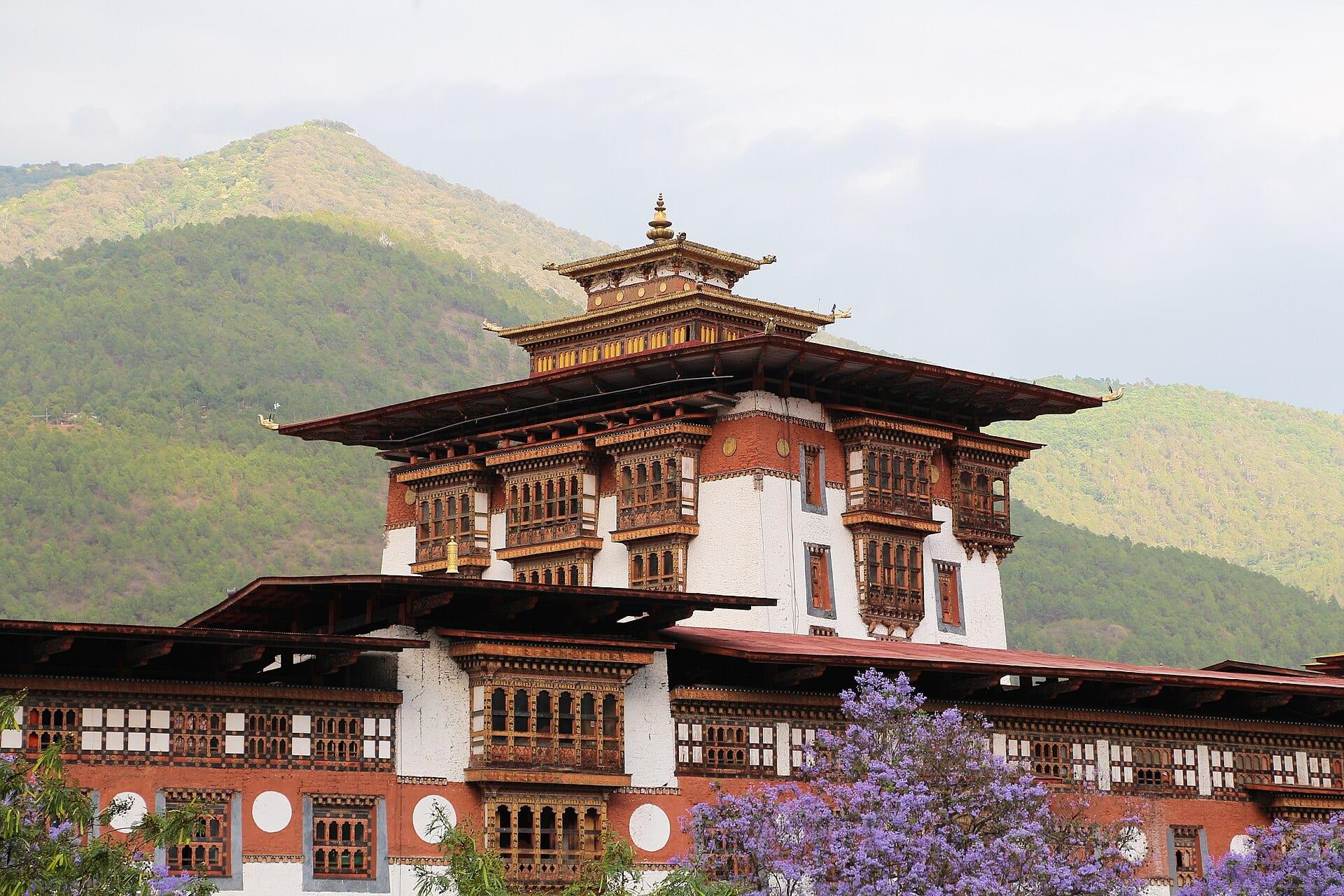
No visa, only a permit. The rupee at par. Gentle days, a warm hot stone bath, a float on the river, and one shared climb to the Tiger's Nest.
Indians travel on a permit, not a visa. Carry the right ID and know the fee.
Indian visitors pay a Sustainable Development Fee, currently Nu 1,200 per adult per night, the same as 1,200 in rupees since the currencies are at par. Confirm the current rate on the official Bhutan portal before you travel.
Foreign passport holders, including OCI card holders, are not treated as Indian nationals in Bhutan.
Fly into Paro, or cross the land border at Phuentsholing.
Paro sits in a narrow valley at about 2,235 metres and landings are done by sight in daylight only, so weather can delay a flight. Keep buffer on your onward travel.
Spring for blooms, autumn for the clearest views.
Add a night in a quiet valley such as Phobjikha, the glacial bowl where black necked cranes winter, or Haa, a forested valley that opened to visitors only in 2002.
Real, checked Bhutan experiences, not filler.
Bhutan has some of the finest lodges in the Himalaya, such as Amankora, Six Senses and COMO Uma, across the main valleys. We price a stay on request, and confirm the current rate when you book.
Beautiful and doable, if you go slowly and start early.
Cameras, phones and bags are left in the lockers. Dress modestly with shoulders and knees covered. Start soon after the trail opens to beat the heat and the crowd.
Small habits that keep the trip smooth.
The passes reach around 3,100 metres at Dochula and close to 3,988 metres at Chele La if you add it. Ascend gently, drink water, and rest if you feel breathless.
A warm bath after the mountains, a river in the morning, and one climb you did together.
Couples come to Bhutan for the Tiger's Nest photo and leave talking about how unhurried it all felt. Take a set of prayer flags home, learn to say kuzuzangpo la for hello, and keep the permit paper as a small souvenir of your first trip abroad as two.
What's included
What travellers say
“Had a wonderful experience with way to india for my badrinath kedarnath yatra.everything was well organized-from travel accommodation to food. A special thanks to Ms. Neha who managed everything so beautifully n was extremely supportive n cooperative throughout the journey. They took great care of us n darshan was done very smoothly.”a month ago · Google
“A big thanks to Way To India for organising such a truly memorable and spiritually fulfilling experience during our 12 Jyotirlinga Darshan pilgrimage from 1st May to 18th May. They organized the entire journey exceptionally well, ensuring that every aspect of the trip was smooth, comfortable, and hassle-free. From transportation and hotel arrangements to darshan planning and coordination, everything was managed professionally. Despite the extensive travel across multiple destinations, the itinerary was well-structured, allowing us to complete all the Jyotirlinga darshans comfortably. Thanks to staff of Way To India, especially, Ms Neha, who was supportive, responsive, and attentive throughout the journey, always ready to assist whenever needed. Her dedication and careful planning made this sacred pilgrimage stress-free and enjoyable. I sincerely appreciate their excellent service, commitment, and hospitality. Highly recommend Way To India to anyone planning a spiritual tour, especially for the 12 Jyotirlinga Yatra. Thank you for making this divine journey so special and memorable.”5 months ago · Google
“We have successfully completed the 12 Jyotirlinga Yatra, with Waytoindia and it was a truly blessed and unforgettable journey. Every aspect of the tour was well planned and professionally organized, from transportation and accommodations to temple visits and sightseeing. Visiting all twelve sacred Jyotirlingas was a deeply spiritual experience. The itinerary was designed efficiently, allowing us to have darshan at each shrine comfortably while enjoying the cultural and religious significance of every destination. We sincerely appreciate the excellent support and coordination throughout the trip. The team was always available to assist, ensuring a smooth and stress-free pilgrimage. Thank you Waytoindia for making our dream of completing the 12 Jyotirlinga Yatra a reality. We highly recommend this tour to anyone seeking a well-organized and spiritually enriching pilgrimage experience. Har Har Mahadev! 🙏🕉️”5 months ago · Google
Travelled with Way to India?
Share your experience on Google — it takes a minute and helps fellow travellers plan with confidence.
FAQ
Yes. It is safe, calm and scenic, the food is familiar, and there is no visa for Indians, only a permit. The pace is slow and the distances are short, so a honeymoon here feels restful rather than rushed. Spring brings blossoms and autumn brings the clearest mountain views.
No. Indian nationals travel on an entry permit, not a visa. For adults the accepted documents are a valid Indian passport with at least six months of validity, or a Voter Identity Card. Aadhaar, PAN and driving licences are not accepted. You can apply online, through your operator or hotel, or in person at entry.
It is a fee Indian visitors pay to Bhutan, currently Nu 1,200 per adult per night, which equals 1,200 in Indian rupees since the currencies are at par. It is paid when the permit is applied for. Always confirm the current rate on the official Bhutan portal before you travel.
Spring, from March to May, is pretty with blossoms, including the jacaranda at Punakha. Autumn, from September to November, has the clearest views and is the most popular. Winter is cold but quiet and often bright. The monsoon, June to August, is green and cheaper with some rain.
You can take a Bhutanese hot stone bath, float gently down the Mo Chhu river at Punakha, walk across the long Punakha suspension bridge, enjoy a farmhouse dinner, and climb to the Tiger's Nest together. Quiet valleys such as Phobjikha and Haa add real seclusion.
It is moderate. The walk is about 6 to 6.4 km up and down with a climb of around 520 metres, and takes most people 4 to 6 hours with breaks. There is a cafe about halfway with a fine view, and either of you can turn back there. Ponies go only up to that cafe.
You fly into Paro. Delhi has daily direct flights, with direct flights also from Kolkata, Guwahati and Bagdogra, and a seasonal winter service from Bodh Gaya. There is no direct Paro flight from Mumbai at present. By road you cross at Phuentsholing next to Jaigaon, reached from Bagdogra airport or New Jalpaiguri railhead.
Yes. Bhutan has some of the finest lodges in the Himalaya, such as Amankora, Six Senses and COMO Uma, spread across the main valleys. We can price a honeymoon stay in one on request. Rates change often, so we confirm the current price when you book.
Yes. The Bhutanese Ngultrum is kept at par with the Indian rupee, and Indian rupees are used widely. Carry smaller notes, since higher value notes can be harder to spend, and check the current Reserve Bank of India rule on cash. Cards work in bigger hotels and ATMs are in the main towns.
Six to seven days is comfortable for Thimphu, Punakha and Paro with a full day for the Tiger's Nest and a slow romantic day at Punakha. Add a night or two for a quiet valley such as Phobjikha, more river time at Punakha, or a stay at a luxury lodge.
You may also like
Tell us your dates and group size. A WayToIndia travel expert replies within a few hours with a plan you can customise freely. Planning India journeys since 2010.
Explore Way to India
© 2026 Way to India. All rights reserved.