01
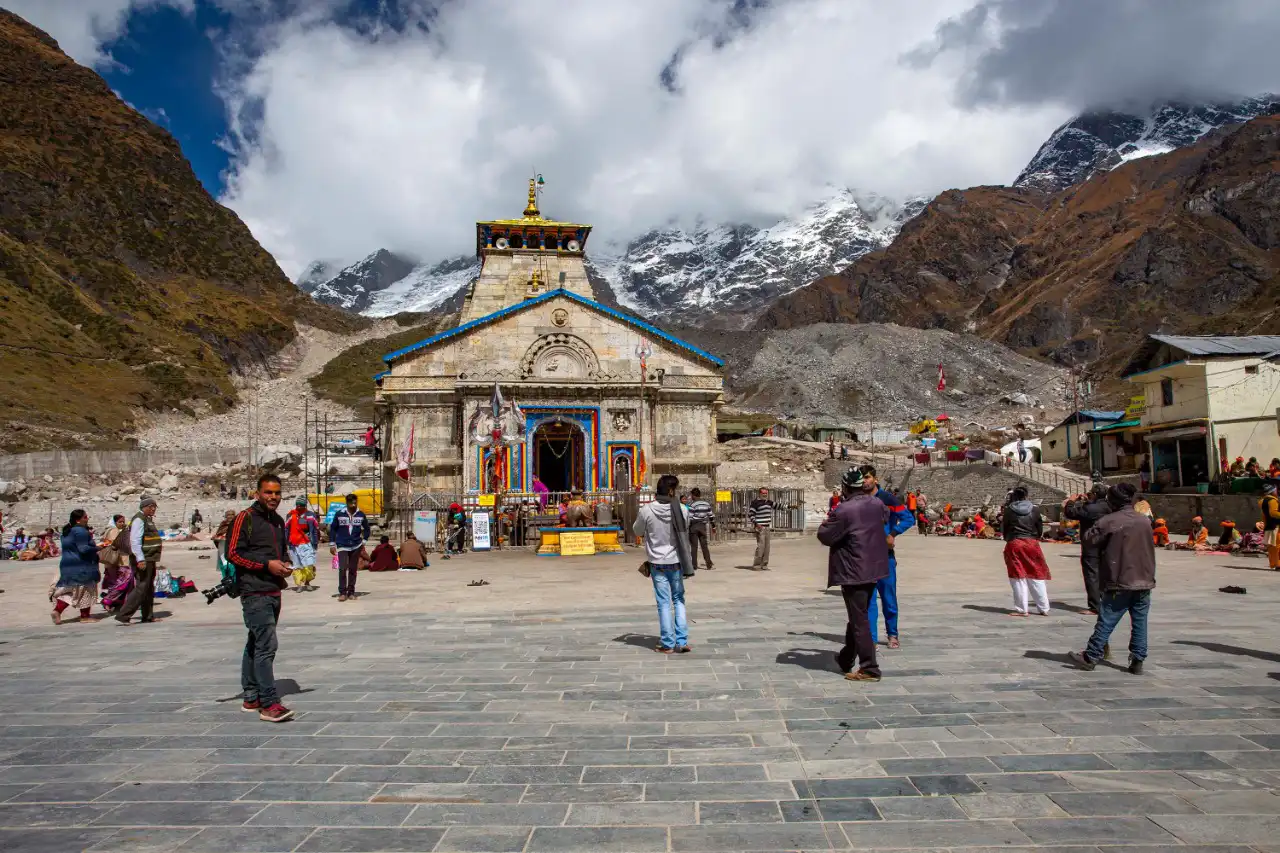
Kedarnath
Rudraprayag, Uttarakhand
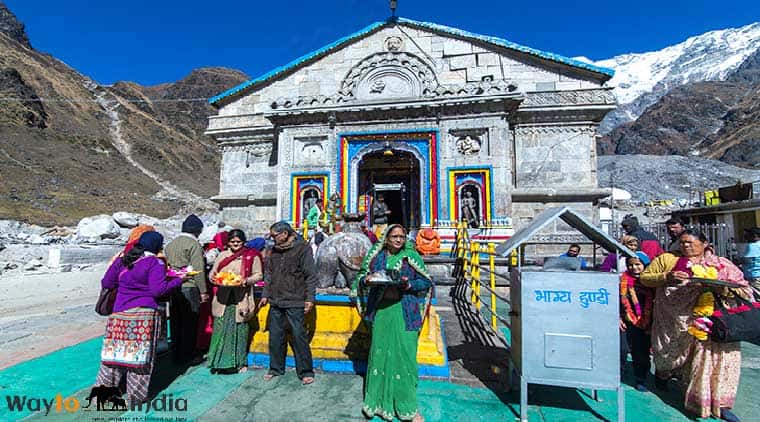
Jyotirlinga of Lord Shiva, about 3,583 m
May to June and September to October
Overview
This 7 day Do Dham Yatra takes you from Delhi to the two great Himalayan shrines of Uttarakhand: Kedarnath, the Jyotirlinga of Lord Shiva, and Badrinath, the abode of Lord Vishnu. You start with the Ganga aarti at Haridwar, climb or fly to Kedarnath, and drive through the river valleys to Badrinath and Mana village. You travel in a private car with a driver who knows the mountain roads, and the plan keeps a gentle pace for the high altitude.
Do Dham means "two abodes". The yatra covers two of the four Char Dham shrines of Uttarakhand: Kedarnath and Badrinath. Many families who cannot spare time for all four choose these two. Kedarnath is one of the twelve Jyotirlingas of Lord Shiva. Badrinath is one of the 108 Divya Desams of Lord Vishnu and one of the four dhams of India set up, by tradition, by Adi Shankaracharya.
Kedarnath stands at about 3,583 metres in the Garhwal Himalaya, near the source of the Mandakini river. There is no road to the temple. You drive to Sonprayag, where private vehicles stop. A shared jeep takes you about 5 km to Gaurikund. From Gaurikund the walk to the temple is about 16 to 18 km uphill.
If you cannot walk, ponies and dolis (palanquins) are available on the path, and helicopter services fly from helipads near Phata, Sersi and Guptkashi. Helicopter seats for Kedarnath are sold only on the official IRCTC HeliYatra website, heliyatra.irctc.co.in. Please do not book through agents or social media offers, as fake helicopter bookings are a common scam.
Badrinath stands at about 3,133 metres on the bank of the Alaknanda river. Here Lord Vishnu is worshipped as Badrinarayan. Before darshan, devotees bathe in the Tapt Kund, a natural hot spring below the temple. About 3 km away is Mana, called the last village of India before the Tibet border, with the Vyas Gufa and the Bheem Pul over the Saraswati river.
Every pilgrim must register for the yatra, free of cost, on the official Uttarakhand portal registrationandtouristcare.uk.gov.in, or on the Tourist Care Uttarakhand app. Your registration is checked at points on the route, including Sonprayag for Kedarnath. Without it, you may be stopped. Carry the registration slip and the same photo ID you used to register.
Both temples close for winter. They usually open in late April or May and close around Diwali and Bhai Dooj (Kedarnath) or in November (Badrinath). The exact dates are announced every year by the temple committee. Please check the dates before you book.
May and June: the most popular months. Pleasant days, cold nights, and the biggest crowds.
July and August: the monsoon. Landslides can close roads for hours or days. Travel only if you can keep spare days.
September and October: clear skies after the rain, fewer crowds, and cold nights. A very good time if you are flexible.
Both shrines are above 3,000 metres. The air is thin and the nights are very cold, even in summer. Walk slowly, drink plenty of water, and rest if you feel a headache or breathlessness. Older travellers and anyone with heart, lung or blood pressure problems should speak to their doctor before the yatra. Carry warm clothes, a rain jacket, good walking shoes and your regular medicines.
Day 1 is Delhi to Haridwar and the Ganga aarti at Har Ki Pauri. Day 2 is the drive into the hills to Guptkashi or Sitapur. Day 3 is the walk or flight to Kedarnath, with a night near the temple. Day 4 is morning darshan and the return to Guptkashi. Day 5 is the long drive to Badrinath. Day 6 is Badrinath darshan and Mana village, then the drive down. Day 7 brings you back to Haridwar and Delhi.
Har Ki Pauri, Haridwar: the main ghat on the Ganga, where the evening Ganga aarti is held every day.
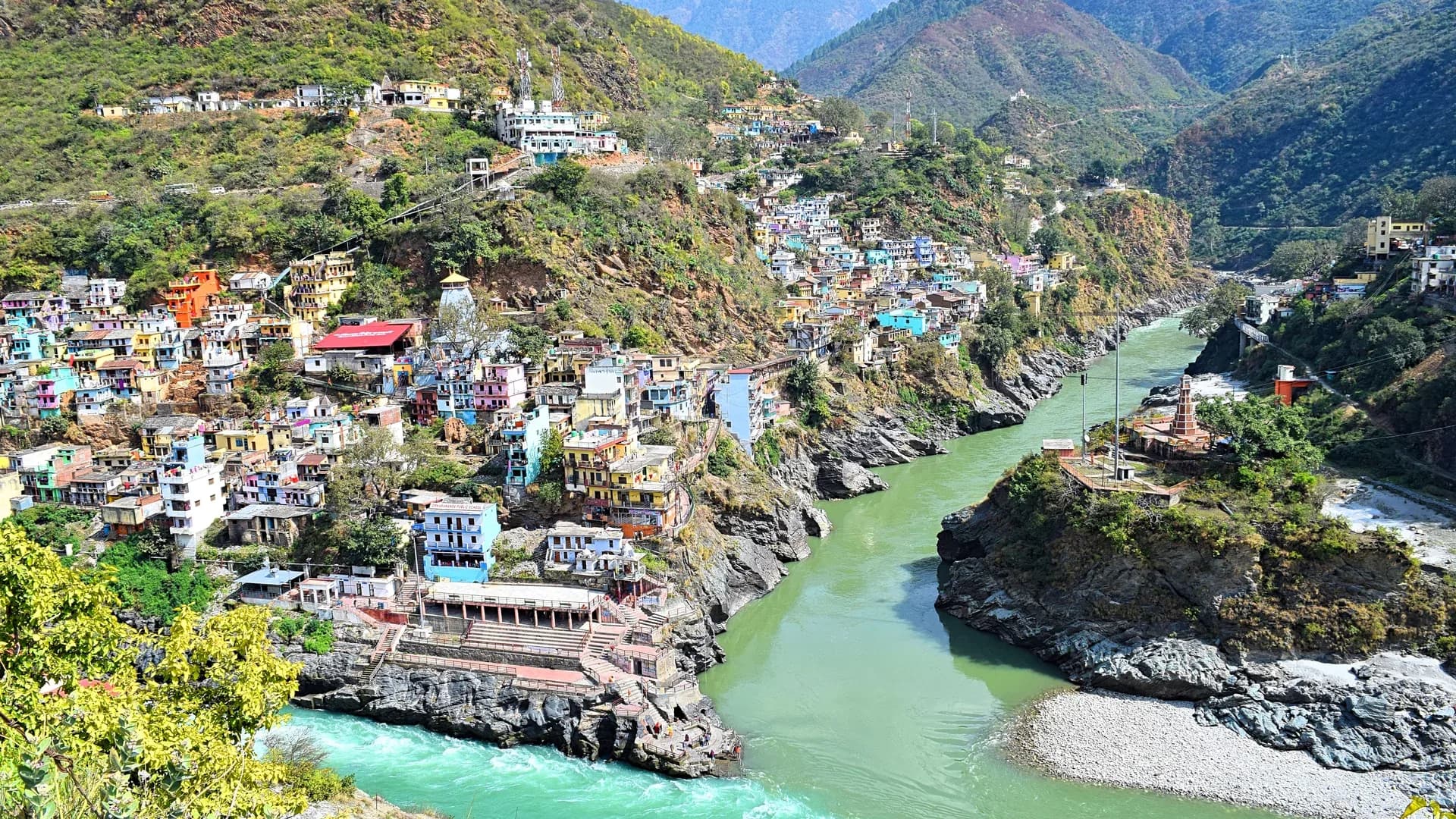
Devprayag: where the Bhagirathi and the Alaknanda meet and the river first takes the name Ganga.
Rudraprayag: the meeting of the Alaknanda and the Mandakini.
Guptkashi: a quiet town with the old Vishwanath temple, and a base for Kedarnath.
Joshimath: the winter seat of Lord Badrinarayan, with the math of Adi Shankaracharya.
Mana village: Vyas Gufa, Ganesh Gufa and Bheem Pul, near Badrinath.
Kedarnath is the hard part of this yatra. If walking 16 to 18 km uphill is too much, book a helicopter early on the official IRCTC site, or hire a doli or pony on the path. Badrinath can be reached by road right up to the town, so it is much easier for seniors. Plan an easy pace, and do not try to do Kedarnath up and down in one day.
Food on the route is simple and vegetarian: dal, rice, roti, rajma and hot chai. In Haridwar, try kachori and the sweets of the old market. Hotels in the hills are simple, especially near Kedarnath, where rooms are small and basic. Book early for May and June.
Fly into Delhi and rest a day before the yatra. Registration for foreign passport holders is done on the same official portal using your passport. Carry Indian rupees in cash, because ATMs and card machines in the hills may not work. Mobile signal is weak in many places, so tell your family your plan before you leave.
Warm jacket, thermal wear, woollen cap and gloves, a rain jacket or poncho, good walking shoes with grip, a small torch, sunscreen and sunglasses, your medicines, a water bottle and some dry fruit. Keep your registration slip and photo ID in a plastic cover.
May to June and September to October
Pilgrims, families with fit elders, NRI and OCI devotees
Moderate to hard (Kedarnath walk)
Route & distances
Accurate distances and travel times for every leg: 1,234 km by road. Road times include a traffic buffer; distances marked “aerial” are straight-line for flight, helicopter, ropeway and water legs.
| # | Leg | Mode | Distance | Time |
|---|---|---|---|---|
| 1 | New Delhi → Haridwar | By road | 229 km | ~4h 11mest. |
| 2 | Haridwar → Devprayag | By road | 98 km | ~3h 4mest. |
| 3 | Devprayag → Guptkashi | By road | 110 km | ~3h 43mest. |
| 4 | Guptkashi → Sonprayag | By road | 30 km | ~1h 8mest. |
| 5 | Sonprayag → Kedarnath | By road | 8 km | ~20mest. |
| 6 | Kedarnath → Guptkashi | By road | 32 km | ~1h 9mest. |
| 7 | Guptkashi → Joshimath | By road | 142 km | ~3h 20mest. |
| 8 | Joshimath → Badrinath | By road | 43 km | ~1h 28mest. |
| 9 | Badrinath → Rudraprayag | By road | 156 km | ~5h 17mest. |
| 10 | Rudraprayag → Haridwar | By road | 158 km | ~5h 6mest. |
| 11 | Haridwar → New Delhi | By road | 228 km | ~3h 55mest. |
Day by day
A carefully paced plan, day by day. Tap any day for the stay, meals and altitude detail.
Today you leave Delhi in the morning and drive to Haridwar.
In the evening you go to Har Ki Pauri for the Ganga aarti, when hundreds of lamps float on the river.
Special Tips for This Day: Reach Har Ki Pauri early to get a good place for the aarti. Keep your bag and phone safe in the crowd.
Today you drive into the mountains along the Ganga. You pass Rishikesh, Devprayag where the Bhagirathi and the Alaknanda meet, and Rudraprayag.
You reach Guptkashi or Sitapur in the evening and rest for the walk tomorrow.
Special Tips for This Day: Mountain roads are slow and winding, so take medicine for travel sickness if you need it. Keep your yatra registration slip ready for checks.
Today you start very early. Your car takes you to Sonprayag, and a shared jeep takes you about 5 km to Gaurikund.
From Gaurikund you walk to Kedarnath, or ride a pony or doli. If you have booked a helicopter, you fly from your helipad instead.
In the evening you join the aarti at Kedarnath and stay the night near the temple.
Special Tips for This Day: Start by early morning, walk slowly and rest often. Carry a rain jacket, warm clothes, water and dry fruit. Helicopter seats are sold only on heliyatra.irctc.co.in.
This morning you have darshan of Kedarnath, when the air is cold and the queue is shorter. Behind the temple you can see the great rock that devotees believe protected it in the 2013 floods.
Then you walk or ride down to Gaurikund, take the jeep to Sonprayag, and drive back to Guptkashi or Sitapur.
Special Tips for This Day: The walk down is hard on the knees, so go slowly. Hot water and a good meal tonight will help you rest for the long drive tomorrow.
Today is a long mountain drive to Badrinath, by way of Rudraprayag, Karnaprayag and Joshimath.
You reach Badrinath in the evening. If time allows, you join the evening aarti.
Special Tips for This Day: Roads in this stretch can close for some time because of landslides or repairs. Start early and keep patience. Carry snacks and water in the car.
This morning you bathe in the Tapt Kund hot spring and have darshan of Lord Badrinarayan.
You then visit Mana village, about 3 km away, with the Vyas Gufa and Bheem Pul. After lunch you drive down to Rudraprayag or Srinagar for the night.
Special Tips for This Day: Mornings at Badrinath are very cold, so wear warm layers. At Mana, the walk to Bheem Pul is short but on uneven ground.
Today you drive back down to Haridwar and then on to Delhi, reaching late in the evening.
Special Tips for This Day: This is a long day of driving. If you prefer, ask us to add a night in Haridwar or Rishikesh to break the journey.
Travel tips
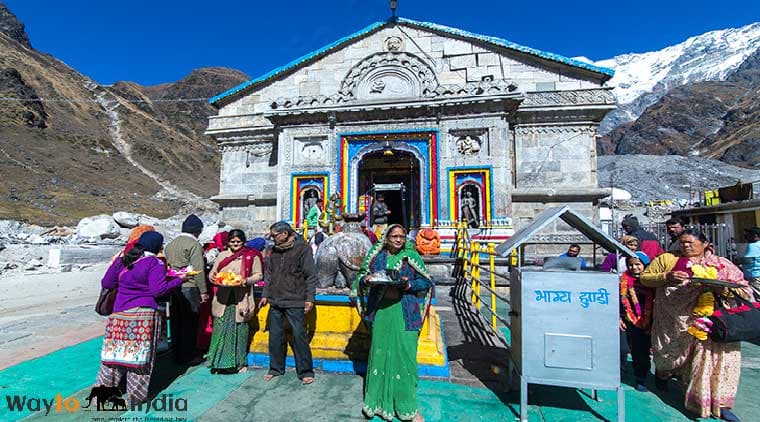
Two great Himalayan shrines in seven days from Delhi. Here is what you need to know: registration, the Kedarnath walk, helicopters, seasons and altitude.
Registration is compulsory and free on the official Uttarakhand portal.
Kedarnath helicopter seats are sold only on heliyatra.irctc.co.in. Do not pay agents or social media pages.
The temples are open from about late April or May until around Diwali or November.
From Gaurikund, about 16 to 18 km uphill on foot.
Both shrines are above 3,000 metres.
Fly into Delhi and rest a day before the yatra.
Kedarnath is the hard part. Badrinath is reached by road.
Pack for cold, rain and walking.
Har Har Mahadev. Jai Badri Vishal.
Stay the night near Kedarnath and step out before dawn, when the snow peaks turn gold behind the temple. It is a moment most pilgrims never forget.
What's included
What travellers say
“Had a wonderful experience with way to india for my badrinath kedarnath yatra.everything was well organized-from travel accommodation to food. A special thanks to Ms. Neha who managed everything so beautifully n was extremely supportive n cooperative throughout the journey. They took great care of us n darshan was done very smoothly.”a month ago · Google
“A big thanks to Way To India for organising such a truly memorable and spiritually fulfilling experience during our 12 Jyotirlinga Darshan pilgrimage from 1st May to 18th May. They organized the entire journey exceptionally well, ensuring that every aspect of the trip was smooth, comfortable, and hassle-free. From transportation and hotel arrangements to darshan planning and coordination, everything was managed professionally. Despite the extensive travel across multiple destinations, the itinerary was well-structured, allowing us to complete all the Jyotirlinga darshans comfortably. Thanks to staff of Way To India, especially, Ms Neha, who was supportive, responsive, and attentive throughout the journey, always ready to assist whenever needed. Her dedication and careful planning made this sacred pilgrimage stress-free and enjoyable. I sincerely appreciate their excellent service, commitment, and hospitality. Highly recommend Way To India to anyone planning a spiritual tour, especially for the 12 Jyotirlinga Yatra. Thank you for making this divine journey so special and memorable.”5 months ago · Google
“We have successfully completed the 12 Jyotirlinga Yatra, with Waytoindia and it was a truly blessed and unforgettable journey. Every aspect of the tour was well planned and professionally organized, from transportation and accommodations to temple visits and sightseeing. Visiting all twelve sacred Jyotirlingas was a deeply spiritual experience. The itinerary was designed efficiently, allowing us to have darshan at each shrine comfortably while enjoying the cultural and religious significance of every destination. We sincerely appreciate the excellent support and coordination throughout the trip. The team was always available to assist, ensuring a smooth and stress-free pilgrimage. Thank you Waytoindia for making our dream of completing the 12 Jyotirlinga Yatra a reality. We highly recommend this tour to anyone seeking a well-organized and spiritually enriching pilgrimage experience. Har Har Mahadev! 🙏🕉️”5 months ago · Google
Travelled with Way to India?
Share your experience on Google — it takes a minute and helps fellow travellers plan with confidence.
FAQ
The Do Dham Yatra is a pilgrimage to two of the four Char Dham shrines in Uttarakhand: Kedarnath, the Jyotirlinga of Lord Shiva, and Badrinath, the abode of Lord Vishnu. It is a good choice when you do not have time for all four.
About 7 days by road is a comfortable plan from Delhi. It allows one night near Kedarnath and a full morning at Badrinath. With helicopters you can save a day, but mountain weather can change plans.
Yes. Every pilgrim must register free of cost on the official portal registrationandtouristcare.uk.gov.in or the Tourist Care Uttarakhand app. Your registration is checked on the route, including at Sonprayag.
The walk from Gaurikund to Kedarnath is about 16 to 18 km uphill. Most people take 6 to 10 hours. Ponies and dolis are available on the path, and helicopters fly from helipads near Phata, Sersi and Guptkashi.
Kedarnath helicopter seats are sold only on the official IRCTC HeliYatra website, heliyatra.irctc.co.in. Do not pay agents or social media pages that offer helicopter tickets, as these are often scams.
Both temples usually open in late April or May and close for winter around Diwali and Bhai Dooj for Kedarnath, and in November for Badrinath. The exact dates are announced each year, so please check before booking.
July and August bring heavy rain and landslides, and roads can close for hours or days. If you travel then, keep spare days and follow official weather advice.
Yes, with planning. Badrinath can be reached by road. For Kedarnath, seniors should book a helicopter early or use a doli, and speak to their doctor before the trip because of the high altitude.
May and June are the most popular. September and October are also very good, with clear skies and fewer crowds after the monsoon.
Warm jacket, thermal wear, cap and gloves, a rain jacket, good walking shoes, a torch, sunscreen, medicines, a water bottle and your registration slip and photo ID.
You may also like
 11D / 10N 5
 18D / 17N 5
 12D / 11N
 4D / 3N
 11D / 10N
 7D / 6N
Tell us your dates and group size. A WayToIndia travel expert replies within a few hours with a plan you can customise freely. Planning India journeys since 2010.
Explore Way to India
© 2026 Way to India. All rights reserved.