5 days
4 nights
528 km
by road
Late April to June, and again September to October, when the doors are open and the sky is often clear
best season
16+ yearscrafting India journeys · since 2010
Trustedby travellers worldwide
Local repsIndia + overseas support
No prepayfree customisation · GST invoice
Overview
Tour overview
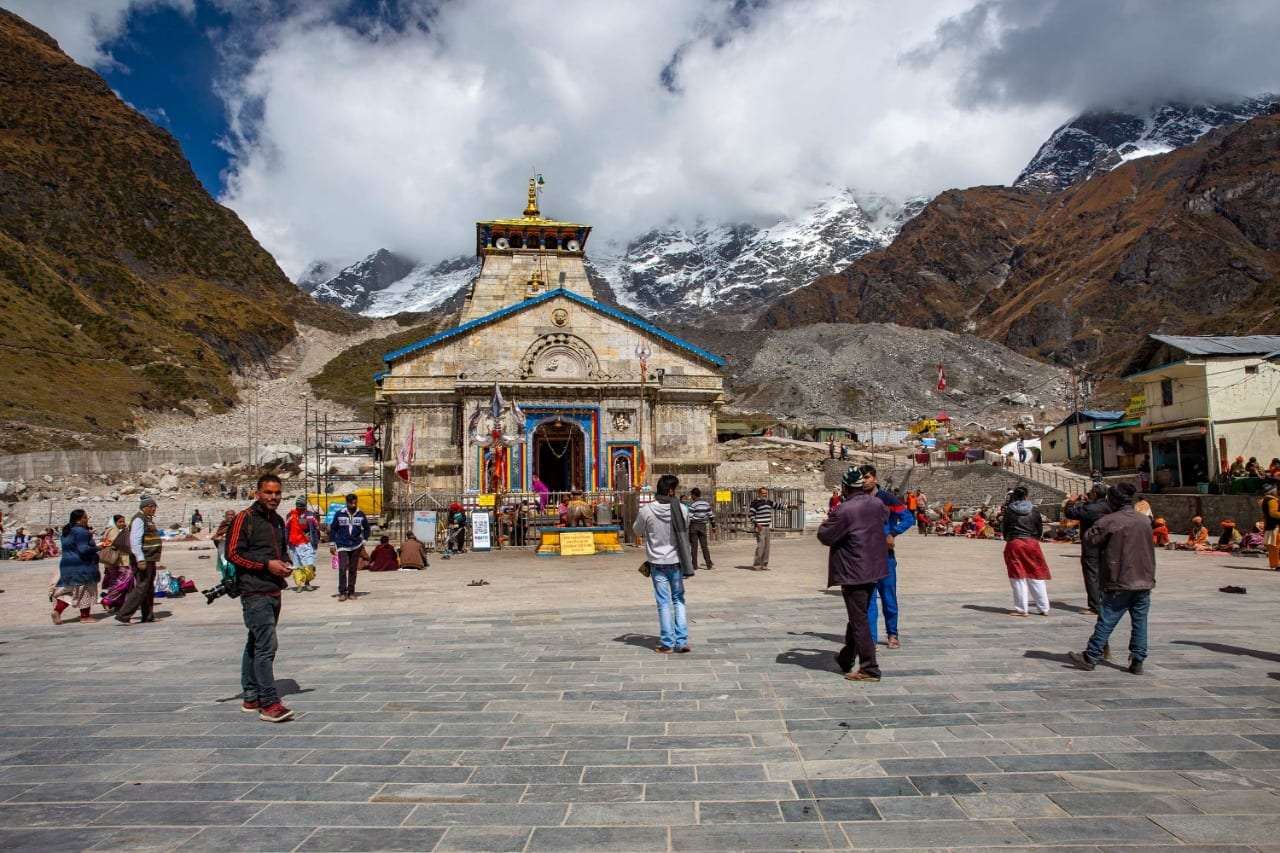
Kedarnath is the highest and most northern of the twelve Jyotirlingas of Lord Shiva. The temple sits at about 3,583 metres in Rudraprayag district, Uttarakhand. It is seasonal, open only from about late April to October or November. This guide gives you the honest trek, the official helicopter route, the mandatory registration, and real high altitude care.
This is your full, honest guide to the Kedarnath Jyotirlinga yatra. We keep every fact simple and true. Where a rate or a date can change, we tell you to check the official site.
Why Kedarnath stands apart among the twelve
Kedarnath is one of the twelve Jyotirlingas of Lord Shiva. It is also one of the Char Dham of Uttarakhand. Among all twelve, this one sits the highest and the most north, at about 3,583 metres above the sea. The Mandakini river runs below it. The other Jyotirlingas welcome you all year. Kedarnath does not. This shrine is bound by snow and season.
The temple is seasonal, so timing rules everything
The temple doors, called kapat, open around Akshaya Tritiya, in late April or early May. They close around Kartik Purnima and Bhai Dooj, in October or November. For about six winter months the shrine stays shut under deep snow. In winter the deity is carried down to Ukhimath, worshipped for six months at the Omkareshwar temple. The exact open and close day changes each year, fixed by the Hindu calendar, often announced around Maha Shivaratri. Confirm the date on the official portal at badrinath-kedarnath.gov.in, run by the Badri Kedar Temple Committee.
The tradition behind the shrine
Tradition says the Pandavas built the first temple here, seeking Lord Shiva to be free of a great sin after the war. Devotees believe Shiva took the form of a bull and dived into the ground, and the hump rose here at Kedarnath. Adi Shankaracharya is believed to have revived this temple long ago. We frame the bull story as tradition and the revival as old belief.
The trek from Gaurikund, told honestly
The road ends at Gaurikund. From there you walk up. The trek runs about 16 to 18 km each way, and one common figure is 17 km. Most walkers take about six to nine hours to reach the top. The trail was rebuilt after the 2013 floods, and it is now wider and safer in many parts. You do not have to walk. Ponies, palki chairs and porters wait at Gaurikund. Check the current rate at the official counter, not from a tout.
Reaching the trail head: Sonprayag and Gaurikund
You cannot drive a private car all the way to Gaurikund in season. Most vehicles stop at Sonprayag. From Sonprayag you take a short shared jeep to Gaurikund, about 5 km, near 30 minutes. Guptkashi is the common night base below, about 30 km from Sonprayag. Many pilgrims sleep at Guptkashi or Sonprayag, then start the trek at first light.
The helicopter option, and the only official way to book
Small helicopters hop up to Kedarnath from three helipads, Phata, Sirsi and Guptkashi, in a few minutes each way. For Kedarnath the only official booking site is IRCTC HeliYatra at heliyatra.irctc.co.in. The state runs the service through IRCTC. Your Char Dham registration must be done first, since the heli site asks for your registration number. Seats sell out fast, so book early. Confirm the current rate on the official site, and never pay an agent who claims a private quota.
The one rule that trips up many pilgrims: registration
Char Dham yatra registration is mandatory for everyone. You cannot get darshan without it. The only official portal is registrationandtouristcare.uk.gov.in. You register online before you start, and carry a valid ID proof. Indian pilgrims use Aadhaar. Foreign passport holders register with their passport. After you register you get a Yatra Registration Letter with a QR code, scanned at check posts. The service is free. Health sign up runs on eswasthyadham.uk.gov.in, and vehicle registration on transport.uk.gov.in.
High altitude, told without fear or false comfort
Kedarnath sits at about 3,583 metres. Altitude sickness can start above about 2,400 metres, and this shrine is well above that. Common early signs are a headache, tiredness, poor appetite and nausea. The safe answer is to go up slowly. Spend a night or two at a lower base like Guptkashi first. Drink water often. Skip alcohol. If the signs get worse while you rest, go down to a lower height at once.
Who should think twice before the climb
People with heart trouble, lung trouble, diabetes or a recent surgery should ask their doctor first. Pregnant women should also seek advice before they travel high. A wheelchair cannot go up the Kedarnath trail. A palki chair can carry a guest who cannot walk. The helicopter is the kind way up for elders and for weak knees.
The 2013 floods and the rebuilt route
In June 2013 a cloudburst and flood struck this valley. Many lives and homes were lost, yet the temple itself stood firm. Tradition holds that a large rock lodged behind the shrine and split the flood water around it, called the divine rock. Since then the state has rebuilt much of the route, and rescue systems are stronger now.
For our NRI and OCI families
OCI card holders and foreign passport holders join the same yatra as everyone. You register on the same official portal, using your passport in place of Aadhaar. No special foreign quota is needed for darshan. Many NRI elders live at sea level and feel the thin air fast, so reach Haridwar or Dehradun two days early to adjust. Keep travel cover that pays for a helicopter rescue.
What is not allowed
Leather belts, bags and wallets are not allowed inside the temple. Alcohol and non veg food are not welcome in these holy towns. Plastic litter is banned on the trek route, so carry your waste back down. Photography inside the main sanctum is usually barred. Do not fly a drone near the shrine without written state permission.
How your boarding works from the plains
Most pilgrims board at Haridwar, Rishikesh or Dehradun. Haridwar and Rishikesh have rail links, and Dehradun has the nearest airport at Jolly Grant. From here the hill drive climbs slowly toward Guptkashi and Sonprayag. A short leg on the map can still eat many hours, so plan spare time.
Part of your 12-Jyotirlinga Sankalp
This page is the Kedarnath sector of the larger 12-Jyotirlinga Sankalp. You take the vow once, and the enrolment is free. Then you complete all twelve shrines a few at a time, over about two years, through short scheduled departures. Kedarnath is the seasonal sector. It runs only in the open season, about April to November. If your Sankalp departure falls in winter, this leg cannot run, but under the Sankalp you do not lose it. You carry Kedarnath forward, and we offer you the next season's departure. That is a two-attempt promise for this one hard, seasonal shrine. You travel with fellow Shiv Bhakts, and the group grows leg by leg. Confirm the current rate at waytoindia.com.
Tour highlights
Darshan at Kedarnath, the highest and most northern of the twelve Jyotirlingas of Lord Shiva
The honest truth on the trek from Gaurikund, about 16 to 18 km each way, with pony, palki and porter options
The official IRCTC HeliYatra route from Phata, Sirsi and Guptkashi, with no agent traps
Clear help with the mandatory Char Dham registration on the official state portal
The seasonal window told plainly, open about late April to October or November, with winter worship at Ukhimath
Real high altitude care for a 3,583 metre shrine, with honest notes on who should pause
Full guidance for NRI, OCI and elder pilgrims, including passport registration
The two-attempt carry-forward promise for this one seasonal sector of the Sankalp
Best Time
Late April to June, and again September to October, when the doors are open and the sky is often clear
Ideal For
devout families, NRI and OCI pilgrims, and Shiva bhakts who accept a hard hill trek or choose the helicopter
Difficulty
moderate to hard (high altitude)
Route & distances
Your journey, stop by stop
Accurate distances and travel times for every leg: 528 km by road, 18 km on foot. Road times include a traffic buffer; distances marked “aerial” are straight-line for flight, helicopter, ropeway and water legs.
- 1Haridwar
- 2Guptkashi235 km · ~6h 29m est.
- 3Gaurikund29 km · ~59m est.
- 4KedarnathOn foot / trek · 9 km · ~2h 6m est.
- 5GaurikundOn foot / trek · 9 km · ~2h 6m est.
- 6Guptkashi29 km · ~59m est.
- 7Haridwar235 km · ~6h 29m est.
| # | Leg | Mode | Distance | Time |
|---|---|---|---|---|
| 1 | Haridwar → Guptkashi | By road | 235 km | ~6h 29mest. |
| 2 | Guptkashi → Gaurikund | By road | 29 km | ~59mest. |
| 3 | Gaurikund → Kedarnath | On foot / trek | 9 km | ~2h 6mest. |
| 4 | Kedarnath → Gaurikund | On foot / trek | 9 km | ~2h 6mest. |
| 5 | Gaurikund → Guptkashi | By road | 29 km | ~59mest. |
| 6 | Guptkashi → Haridwar | By road | 235 km | ~6h 29mest. |
Day by day
Day-by-day itinerary
A carefully paced plan, day by day. Tap any day for the stay, meals and altitude detail.
Today you reach the plains base at Haridwar, Rishikesh or Dehradun. If you fly, you land at Jolly Grant airport near Dehradun. Rest well, since tomorrow starts early. In the evening at Haridwar you can walk to Har Ki Pauri ghat for the Ganga Aarti near sunset. Rishikesh, close by, is known as the yoga capital. Try simple Garhwal food like aloo puri. Do not step into the fast river to bathe. Elders should sit on the ghat steps and avoid the crush.
Special Tips for This Day: Finish your Char Dham registration on registrationandtouristcare.uk.gov.in tonight if you have not already. Keep the QR pass on your phone and on paper.
Today you drive up into the hills to Guptkashi, about 210 to 235 km, roughly eight to nine hours. Leave right after breakfast. You follow the Alaknanda and Mandakini rivers past Devprayag and Rudraprayag. Guptkashi means hidden Kashi, tied by old belief to Lord Shiva hiding here from the Pandavas. Try mandua roti, a local red millet bread. Do not throw plastic from the car. Elders should sleep early to help the body adjust to the height.
Special Tips for This Day: If you plan the heli hop, recheck your IRCTC HeliYatra slot and reporting time tonight. Reach Guptkashi before dark, as mountain roads have no lights.
Today you reach Kedarnath, the highest seat of Lord Shiva. Drive early to Sonprayag, then take a short shared jeep to Gaurikund, about 5 km. From Gaurikund the trek climbs about 16 to 18 km and takes roughly six to nine hours. Start at first light. If you booked the heli, the hop from Phata or Sirsi takes only a few minutes. Kedarnath sits at about 3,583 metres, so the air is thin and cold. The temple stood firm through the 2013 floods, and pilgrims honour the divine rock that split the water behind it. Do not push your pace. Elders should ride a pony or palki, or choose the helicopter.
Special Tips for This Day: Carry a warm jacket, a raincoat and a torch. Weather turns in minutes here, and nights at Kedarnath are very cold.
Today you take darshan of Kedarnath at dawn, when the line is calmer and cooler. Offer your prayer to the Jyotirlinga of Lord Shiva, the highest of the twelve. After darshan you begin the long walk or ride down to Gaurikund, then drive back to Guptkashi to rest. The descent takes several hours, so go slow on tired knees. In winter this same deity is carried down and worshipped at Ukhimath for six months. Do not carry leather items into the sanctum.
Special Tips for This Day: Book a pony for the downhill too. Going down is harder on the knees than most pilgrims expect.
Today you begin the long drive back to Rishikesh, Haridwar or Dehradun, a full day, so leave at dawn. You follow the Mandakini and then the Ganga down the hills. If time allows in Rishikesh, see the Ram Jhula and Lakshman Jhula bridges. Many pilgrims add nearby Triyuginarayan temple, tied to the wedding of Shiva and Parvati, on the way down. Do not plan a same day flight from Delhi, as hill delays are common.
Special Tips for This Day: Book your onward flight for the next day, not tonight. Landslides and slow traffic often push the return by hours.
What's included
What's included
Included
- ✓Darshan support at Kedarnath, with help on the trek, pony, palki and porter choices
- ✓Help with your mandatory Char Dham registration on the official state portal
- ✓Hotel or guest house stays at your plains base and at Guptkashi or Sonprayag
- ✓Daily breakfast and dinner, mostly simple vegetarian food
- ✓A private hill car with a trained mountain driver for all road legs
- ✓Guidance on the official IRCTC HeliYatra helicopter hop and its reporting rules
- ✓Day by day pacing built around the height, with slow acclimatisation
Not included
- ✕Any helicopter fare, which you book yourself on heliyatra.irctc.co.in at the current rate
- ✕Pony, palki and porter charges at Gaurikund and Kedarnath
- ✕Lunch, snacks, tea and any personal shopping on the route
- ✕Travel and health cover, which every NRI and OCI pilgrim should buy
- ✕Air or train fare to reach Dehradun, Haridwar or Delhi
- ✕Any cost from delay, landslide, road block or bad weather
- ✕Entry donations or special quick darshan fees at the temple
What travellers say
What travellers say
4.7
Way to India · rated 4.7★ on Google across 47 reviews
S
Shivani Gupta★★★★★
“Had a wonderful experience with way to india for my badrinath kedarnath yatra.everything was well organized-from travel accommodation to food. A special thanks to Ms. Neha who managed everything so beautifully n was extremely supportive n cooperative throughout the journey. They took great care of us n darshan was done very smoothly.”3 weeks ago · Google
Y
Yashvind Kumar Poteeram★★★★★
“A big thanks to Way To India for organising such a truly memorable and spiritually fulfilling experience during our 12 Jyotirlinga Darshan pilgrimage from 1st May to 18th May. They organized the entire journey exceptionally well, ensuring that every aspect of the trip was smooth, comfortable, and hassle-free. From transportation and hotel arrangements to darshan planning and coordination, everything was managed professionally. Despite the extensive travel across multiple destinations, the itinerary was well-structured, allowing us to complete all the Jyotirlinga darshans comfortably. Thanks to staff of Way To India, especially, Ms Neha, who was supportive, responsive, and attentive throughout the journey, always ready to assist whenever needed. Her dedication and careful planning made this sacred pilgrimage stress-free and enjoyable. I sincerely appreciate their excellent service, commitment, and hospitality. Highly recommend Way To India to anyone planning a spiritual tour, especially for the 12 Jyotirlinga Yatra. Thank you for making this divine journey so special and memorable.”4 months ago · Google
A
Aruna Persand★★★★★
“We have successfully completed the 12 Jyotirlinga Yatra, with Waytoindia and it was a truly blessed and unforgettable journey. Every aspect of the tour was well planned and professionally organized, from transportation and accommodations to temple visits and sightseeing. Visiting all twelve sacred Jyotirlingas was a deeply spiritual experience. The itinerary was designed efficiently, allowing us to have darshan at each shrine comfortably while enjoying the cultural and religious significance of every destination. We sincerely appreciate the excellent support and coordination throughout the trip. The team was always available to assist, ensuring a smooth and stress-free pilgrimage. Thank you Waytoindia for making our dream of completing the 12 Jyotirlinga Yatra a reality. We highly recommend this tour to anyone seeking a well-organized and spiritually enriching pilgrimage experience. Har Har Mahadev! 🙏🕉️”5 months ago · Google
Travelled with Way to India?
Share your experience on Google — it takes a minute and helps fellow travellers plan with confidence.
You may also like
Similar journeys
 4D / 3N
 3D / 2N
Nageshwar Somnath Jyotirlinga Tour Package
● Starts Ahmedabad
From₹25,056* / person
Explore →EMI from ₹1,227/mo
 5D / 4N
Madurai Rameshwaram Kanyakumari Tour Package
● Starts Madurai
From₹25,056* / person
Explore →EMI from ₹1,227/mo
 8D / 7N
Ready to plan your Kedarnath Jyotirlinga Yatra: The Highest of the Twelve, Trek or Helicopter, Done Right?
Tell us your dates and group size. A WayToIndia travel expert replies within a few hours with a plan you can customise freely. Planning India journeys since 2010.
✓ No payment now✓ Free customisation✓ GST invoice✓ India + overseas support