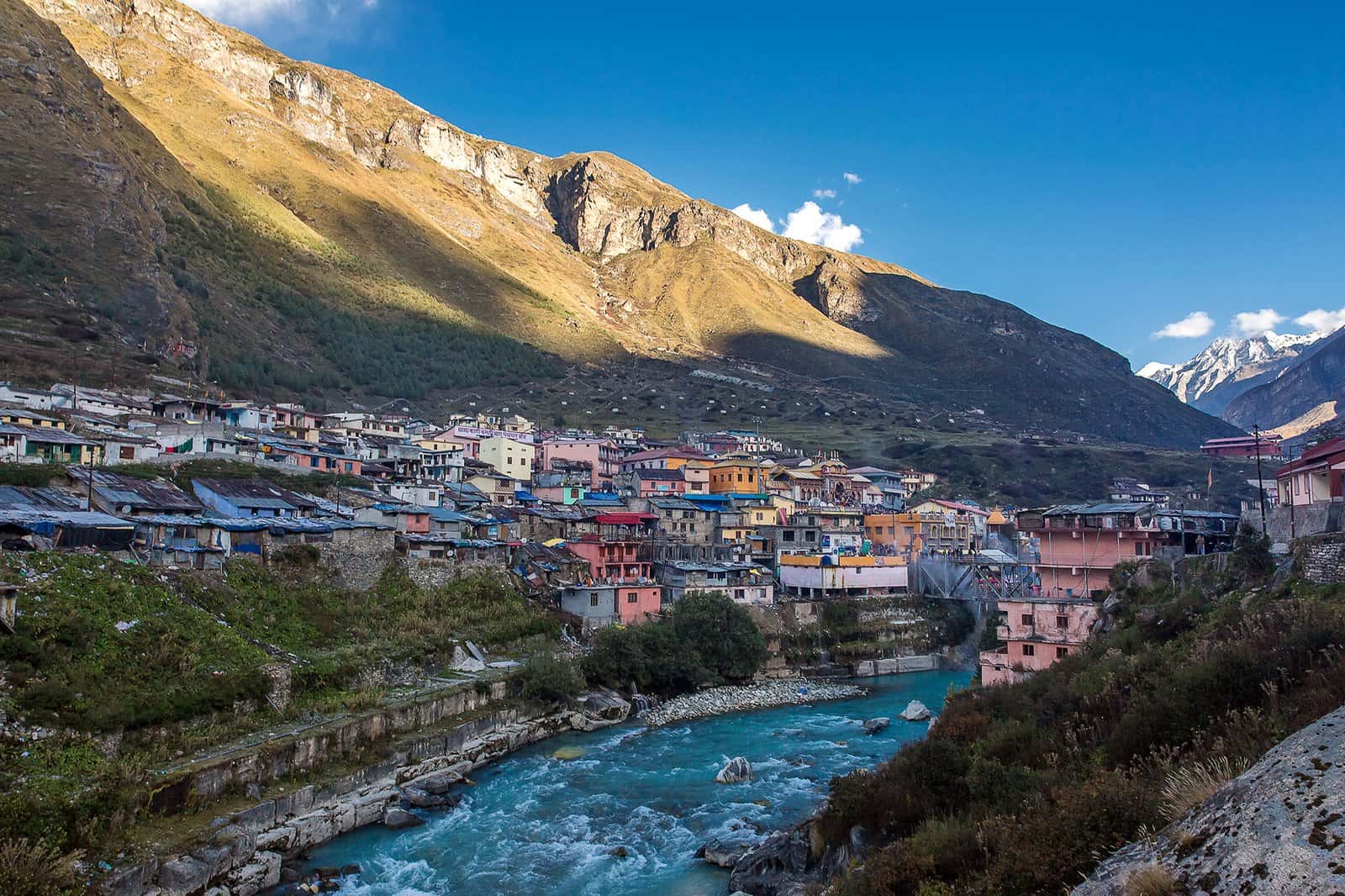
Badrinath Travel Guide
Badrinath is a strictly seasonal Himalayan shrine. The gates open only from about late April and shut for winter around mid-November , so the first decision is whether your dates...
When to visit Badrinath, and the season that decides everything
Badrinath is a strictly seasonal Himalayan shrine. The gates open only from about late April and shut for winter around mid-November, so the first decision is whether your dates fall inside the open season at all.
- May to June: the comfortable peakThe warmest and busiest window, pleasant by day and cold at night. This is the easiest weather for the long road and the altitude, but it is also the most crowded, so expect queues and slow traffic on the final stretch. Book rooms and your registration well ahead.
- September to October: clear and calmerAfter the monsoon eases, the skies clear, the crowds thin and the mountains look their best. Nights are genuinely cold by October, so carry heavy woollens. This is many seasoned pilgrims' favourite window for a calmer, more reflective visit.
- July to September: the monsoon riskThe Rishikesh to Badrinath highway is landslide-prone and can close for hours or days in the rains. If you must travel then, keep buffer days, watch road and weather updates daily, and never plan a tight, no-margin schedule. Many travellers simply avoid these months.
- Mid-November to late April: closedThe temple shuts for winter and the whole area is snowbound and effectively inaccessible. There is no off-season darshan at Badrinath itself, so your dates must fall inside the open season, full stop.
The opening was announced on Basant Panchami and the gates opened for 2026 on 23 April 2026 at about 6:15 am. The season is expected to run through to roughly 13 November 2026 (Bhai Dooj, two days after Diwali), but that closing date is only fixed officially on Vijayadashami (Dussehra) in October by the Badrinath-Kedarnath Temple Committee. Treat the close as tentative, beware pages that quote a fixed closing date as fact, and reconfirm both the date and any season extension on the official temple board site before you book.
Char Dham registration: mandatory, free, and checked at the gate
The single most important thing to do before a Badrinath yatra is register. It is compulsory, it is free, and without the QR pass you can be turned back at the checkposts before you ever reach the temple.
- Register on the official portalEvery pilgrim must register for the Char Dham yatra on the official Uttarakhand government portal, registrationandtouristcare.uk.gov.in. You can also register through the Tourist Care Uttarakhand mobile app or by WhatsApp on +91 8394833833 (send the word Yatra to start). For the 2026 season Aadhaar details are required at registration, so keep ID handy. Offline counters open before the season in Rishikesh, Haridwar and Dehradun.
- It is free of chargeThere is no government fee for the registration itself. A nominal-fee proposal floated in early 2026 was not adopted, so the registration remains free. Be wary of any site or agent charging you for the registration as if it were an official fee, and reconfirm on the official portal.
- Carry the QR passAfter registering you download a Yatra registration letter with a QR code. Keep a printed copy and a copy on your phone. It is scanned at the road checkposts on the route and at the temple, so no pass means no darshan.
- Register early in peak seasonSlots and daily caps can fill in the busiest weeks, so register as soon as your dates are set rather than the night before. Match the names and ID on the registration to the documents you actually carry, as ID is checked along with the pass.
This is the rule most travellers learn too late. The Char Dham QR pass is genuinely enforced at checkposts well before Badrinath, and a family that arrives without it can be stopped on the road. Register everyone in your group, including children and elderly parents, carry the passes and matching ID, and reconfirm the current rule on the official portal, since registration procedure is the most volatile part of the whole yatra.
How to reach Badrinath
Badrinath has no airport or railway of its own. Everyone arrives by the long Garhwal mountain road from Haridwar or Rishikesh, with the last stretch from Joshimath on a one-way gate convoy.
- From Haridwar and Rishikesh by roadThese are the practical gateways. Haridwar is about 320 km from Badrinath, roughly 10 to 12 hours by taxi or longer by bus, via Devprayag, Srinagar, Rudraprayag, Karnaprayag and Joshimath. Rishikesh is the usual start for buses and shared jeeps. Almost no one does it in a single day comfortably.
- Break the journey at JoshimathThe sensible plan is to overnight at Joshimath, about 42 to 45 km short of Badrinath, both to acclimatise to the altitude and because the final leg runs on a controlled one-way system. From Joshimath the last stretch is short in distance but slow, so leave early.
- Nearest airport and railheadsJolly Grant airport at Dehradun is the nearest at about 300 to 340 km, roughly a 10 to 12 hour drive, with daily flights from Delhi and other cities. The nearest railheads are Rishikesh and Haridwar. There are no direct trains or flights to Badrinath itself.
- The one-way gate convoyThe final 42 to 45 km from Joshimath is narrow and landslide-prone, managed by the Border Roads Organisation on a time-controlled one-way gate system, with traffic released from one direction at a time in alternating intervals of about 30 minutes. Budget far more time than the distance suggests and never plan a no-margin same-day return.
Fly into Delhi, then take a short domestic flight to Dehradun (Jolly Grant) or a train to Haridwar, and drive the mountain road via Joshimath. Build in the acclimatisation night and complete your Char Dham registration online before you travel.
Fly into Delhi, then continue to Dehradun or Haridwar and drive up. Badrinath pairs naturally with Kedarnath, or as the highest stop on a full Char Dham circuit through the Garhwal Himalaya.
Take a train to Haridwar or Rishikesh, then a taxi, bus or shared jeep up through the prayags to Joshimath and on to Badrinath. From Delhi it is about 525 km to Joshimath, best broken over more than one day.
The Badrinath temple, Tapt Kund, and the temple rules
Badrinath is the temple of Lord Vishnu as Badri Vishal, the hot spring of Tapt Kund just below it, and the high valley around. A few rules and the afternoon closing are worth knowing before you go.
- The Badrinath temple and darshanThe colourful gateway shrine to Vishnu as Badri Vishal is the reason most pilgrims come. Darshan in season runs roughly 4:30 am to about 1:00 pm and again from about 4:00 pm to about 9:00 pm, with the temple closed for a few hours in the early afternoon. Phones and cameras are not allowed inside the sanctum, and there is no photography of the deity, so leave them with your group or at your room.
- Tapt Kund hot springJust below the temple on the bank of the Alaknanda is Tapt Kund, a natural hot spring where pilgrims traditionally bathe before darshan. The water is genuinely hot, commonly quoted around 40 to 55 degrees Celsius (the Geological Survey of India puts it near the upper end), with separate enclosures for men and women. Step in carefully, especially in cold weather, and do not rush an older traveller into it.
- The morning and evening aartiThe Maha Abhishek aarti early in the morning, around 4:30 am, and the Shayan aarti in the evening, around 8:30 pm, are the emotional high points. They are crowded, so arrive early and be patient. Special aarti participation is sometimes bookable; ask at the temple office rather than through touts.
- Charanpaduka and the Neelkanth viewA steep short walk above the town leads to Charanpaduka, a rock said to bear Vishnu's footprint, with a fine view of the Neelkanth peak that towers over Badrinath. Attempt it only once you have acclimatised, as even a short climb is hard work at this altitude.
Badrinath is a deeply revered shrine. Dress modestly and warmly, remove shoes where asked, keep phones away inside the sanctum, and do not photograph the deity. The vegetarian, alcohol-free discipline of a pilgrimage applies here as on the rest of the Char Dham route, covered in the logistics and overseas sections below.
Signature experiences at Badrinath and Mana
Beyond darshan, these are the experiences people remember, and how to do them honestly at altitude without overreaching.
- The dawn darshan and the Tapt Kund dipThe classic Badrinath morning is a hot-spring dip at Tapt Kund followed by an early darshan before the crowds and the afternoon closing. Go at first light, take it slowly in the thin cold air, and let the rhythm of the morning aarti set the pace rather than rushing.
- The walk to Mana, India's first villageAbout 3 to 4 km beyond Badrinath towards the Tibet border is Mana, officially branded India's first village. A gentle half-day on foot or by short drive takes in Bheem Pul, the natural stone bridge over the roaring Saraswati, and Vyas Gufa and Ganesh Gufa, the caves where tradition holds the Mahabharata was composed. Go slowly, as it is all at high altitude.
- The Vasudhara Falls trek, for the fit onlyFrom Mana, a trek of roughly 5 to 6 km one way leads to Vasudhara Falls, often called the highest waterfall in Uttarakhand at around 3,600 m. It is a real half-to-full-day effort over rough, exposed ground, for fit, acclimatised walkers only. Seniors and anyone feeling the altitude should skip it and enjoy Mana instead.
- Charanpaduka above the townThe short steep climb to Charanpaduka rewards you with the Neelkanth peak view and a quieter moment above the bustle of the temple precinct. Save it for your second day, once your body has settled into the altitude.
- An evening by the AlaknandaSome of the best of Badrinath is simply sitting by the Alaknanda as the light fades on the snow peaks, with the temple lit and the aarti bells carrying across the water. It costs nothing and is what many pilgrims remember most warmly.
- Pair it with Auli and JoshimathOn the way down, Joshimath and the meadows of Auli, reached by a cable car, make a gentle add-on, especially if you have built in spare days for the weather. It is a softer, lower counterpoint to the high shrine.
If you do only one thing slowly, make it the morning: the dip and the dawn darshan, then the gentle walk to Mana. The Vasudhara trek and the climb to Charanpaduka are wonderful for the fit, but at this altitude the quiet morning by the temple and the Saraswati at Mana are the memories that last, and neither asks anything your body cannot give.
Where to stay: Joshimath or Badrinath, and how many nights
Stay at Joshimath to acclimatise and for the widest choice of rooms, or overnight at Badrinath for an early, quieter darshan. Two to three nights on the route is the realistic minimum.
- Joshimath: the acclimatisation baseJoshimath, at about 1,875 m and roughly 42 to 45 km short of Badrinath, is the practical base: the widest choice of hotels, a lower altitude to sleep at before the final climb, and the gateway for the gate-convoy stretch. Most well-planned trips spend a night here on the way up.
- Badrinath: stay for the early darshanStaying overnight in Badrinath itself earns you an early, quieter darshan before the day crowds arrive, but rooms are simpler, colder and fewer, and they book out fast in peak season. GMVN, the state tourism corporation, runs guesthouses alongside private hotels and dharamshalas.
- How many nightsFrom Haridwar or Rishikesh, plan 2 to 3 days for Badrinath with a Joshimath acclimatisation night. As a standalone trip from Delhi, around 525 km to Joshimath, give it 5 to 6 days. With Kedarnath it becomes a longer two-dham trip, and a full Char Dham circuit usually runs 10 to 12 days.
- Book ahead, and keep bufferPeak-season rooms at Badrinath and Joshimath go early, so book ahead. Whatever your plan, keep a spare day for weather and the one-way gate delays, especially if any part of your trip touches the monsoon months.
The most common planning mistake is racing from the plains to Badrinath in one push to save a day. At an altitude near 3,100 to 3,300 m that is how first-timers and seniors end up with altitude sickness. Sleeping a night lower down at Joshimath before the final climb is the single change that makes the trip safe and comfortable, and it is worth a day of your itinerary.
Badrinath costs and a realistic budget
The darshan and the registration are free; the real costs are the long road transport, the rooms and, if you choose it, a helicopter. Here is how the money breaks down.
- The free thingsChar Dham registration is free, and there is no entry ticket for darshan at the temple. These are the rare fixed, free anchors of the trip, so be wary of anyone charging you an official fee for either.
- Transport is the main costThe biggest expense is the long mountain road. A private taxi from Haridwar or Rishikesh for a multi-day Badrinath trip runs into several thousand rupees, shared jeeps and state buses are far cheaper, and we can arrange a car with a driver experienced on the Char Dham roads. Confirm whether your quote includes the driver's stay and the hill charges.
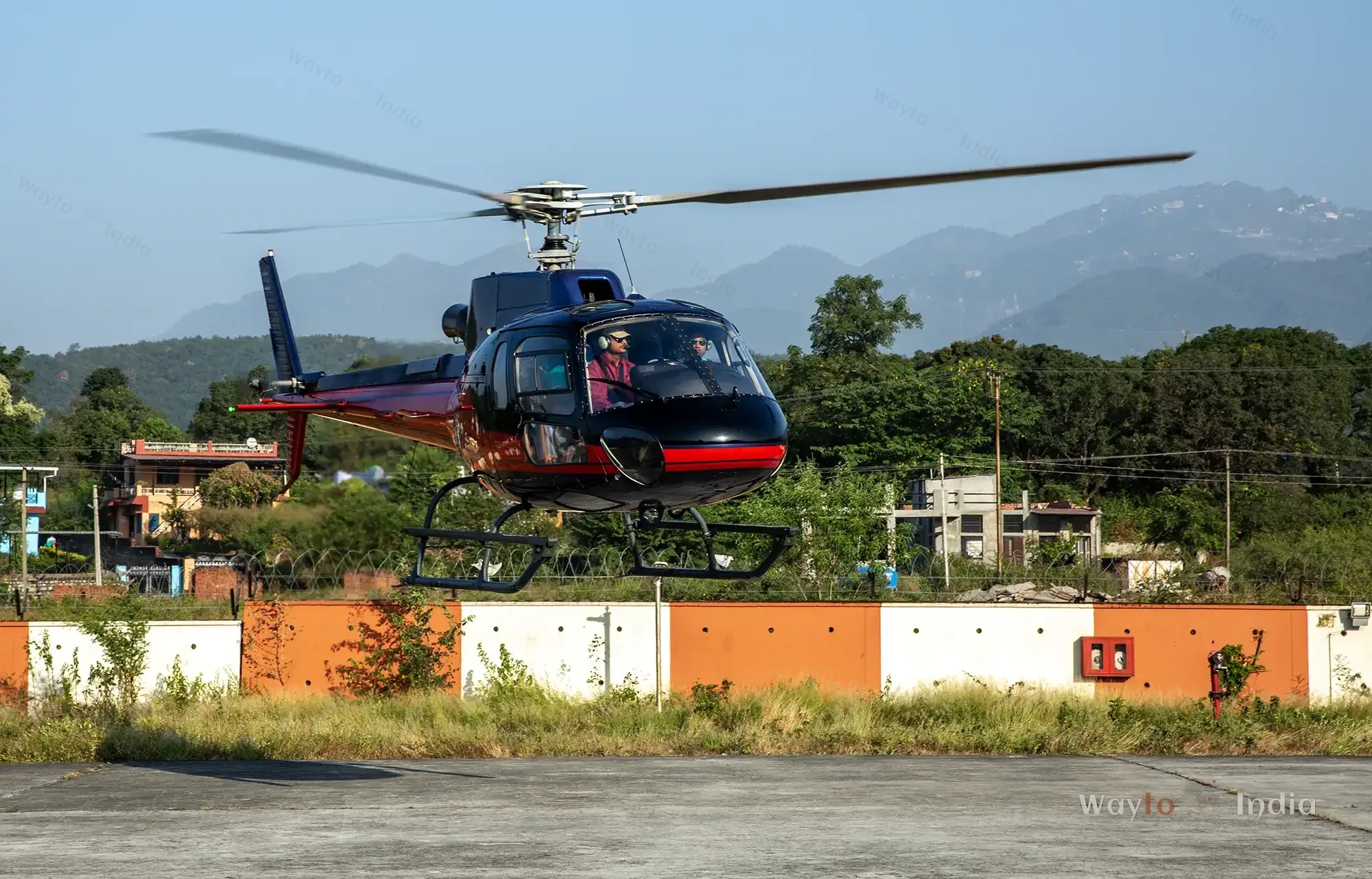
- The helicopter optionThe established Kedarnath helicopter service books on the IRCTC HeliYatra portal at round-trip fares from about 6,390 to 12,762 rupees depending on the helipad, plus a convenience fee and GST. A Badrinath shuttle from Gauchar, a flight of about 22 minutes, has been tendered at a tentative fare around 11,000 rupees per person but is not yet a confirmed scheduled IRCTC booking, so treat it as expected, not bookable, and use only official channels.
- Rooms and daily costsRooms range from simple dharamshalas and GMVN guesthouses to mid-range hotels, rising steeply in peak season. Vegetarian meals on the route are inexpensive, but carry enough cash, as connectivity and card or UPI acceptance thin out the higher you go.
Two things are free: the registration and the darshan. After that the trip's cost is mostly the road and the rooms, both of which rise in peak season and both of which reward booking ahead. If you are considering the helicopter, remember that in mid-2026 only the Kedarnath service is a confirmed IRCTC booking, so build any Badrinath chopper plan around official confirmation rather than an agent's promise.
Practical logistics: food, money, SIM and the cold
The small things that make a Badrinath day work, from the vegetarian-and-dry pilgrimage discipline to cash, connectivity, warm clothes and the temple's afternoon closing.
- Vegetarian and alcohol-free, by disciplineLike the rest of the Char Dham route, the food on the way to and at Badrinath is vegetarian, and alcohol has no place on a pilgrimage and makes altitude worse. Eat light and well, carry energy snacks such as dry fruit and biscuits, and stick to packaged drinking water rather than roadside taps.
- Money and connectivityCarry cash. ATMs and card or UPI acceptance thin out as you climb, and small vendors and dharamshalas run on cash. Mobile coverage is patchy in the high valley; BSNL and Jio tend to work best, but expect dead zones, so do not rely on a live connection for bookings.
- Dress for sudden coldEven in summer the nights are cold and the weather turns fast. Carry warm layered clothing, a windproof jacket, gloves, a cap and good walking shoes, plus sunscreen and sunglasses for the strong high-altitude sun. A small torch and a power bank are worth their weight.
- Plan around the afternoon closingThe temple closes for a few hours in the early afternoon for rituals, so plan darshan for the morning or the evening. Build the long, slow gate-convoy drive and the registration checks into your timing, and never assume you can squeeze a same-day darshan and return from Joshimath.
Safety, altitude, and staying well at Badrinath
Badrinath is welcoming, but the real risks are the altitude, the mountain road and the weather, not crime. A little planning keeps the yatra safe.
- Altitude sickness, and how to avoid itAt about 3,100 to 3,300 m, racing up from the plains in one go can bring on headache, nausea and breathlessness. Sleep a night lower at Joshimath first, drink plenty of water, avoid alcohol, walk slowly the first day, and carry any personal medicines. If symptoms get worse rather than better, descend, as that is the one reliable cure.
- The road and the weatherThe mountain highway is landslide-prone, especially in the monsoon, and the final leg runs on a one-way gate system. Travel by day, use a driver experienced on these roads, keep buffer days, and watch official road and weather updates rather than pushing on through bad conditions.
- Health checks for the vulnerableSeniors and anyone with heart, lung or blood-pressure conditions should consult a doctor before a high-altitude yatra and carry a medical summary and medicines. The helicopter, where confirmed and bookable, can spare a frail traveller the long road, but the altitude at Badrinath itself is the same either way.
- Avoid touts, book through official channelsCrime is not the issue here, but the registration, the special aarti and any helicopter should be arranged through official portals and the temple office, not roadside agents who may charge for things that are free or sell unconfirmed services. Keep your QR pass and ID handy at every checkpost.
The one piece of mountain safety that matters most: if a member of your group develops a worsening headache, vomiting, confusion or breathlessness at rest, do not push on for darshan. Descend to a lower altitude, which is the only dependable treatment, and seek medical help. An acclimatisation night at Joshimath prevents most of this, but knowing when to turn back is what keeps a yatra safe.
Badrinath for every kind of pilgrim, and on access
Badrinath suits very different travellers in different ways, from devout seniors to fit trekkers. Here is what it offers you and the one tip that matters for each, including how an older pilgrim does it safely.
- Senior pilgrims and on accessibilityVery doable with planning. Build in the acclimatisation night at Joshimath, travel by day, consider the helicopter where it is confirmed and bookable, take the Tapt Kund dip and any climb slowly, and have a doctor's clearance for anyone with heart, lung or blood-pressure issues. Skip the Vasudhara trek. The town itself is compact, but it is high, cold and uneven, so pace everything.
- Families with childrenThe yatra is a powerful family experience, but the altitude, the cold and the long road are hard on small children and need the same acclimatisation and warm clothing as for adults. Register everyone, keep the days unhurried, and watch little ones for altitude symptoms.
- Couples and first-timersAn overnight at Badrinath rather than a rushed day trip lets you catch a quiet dawn darshan and a slow evening by the Alaknanda. The Mana walk is a gentle, memorable add-on for two.
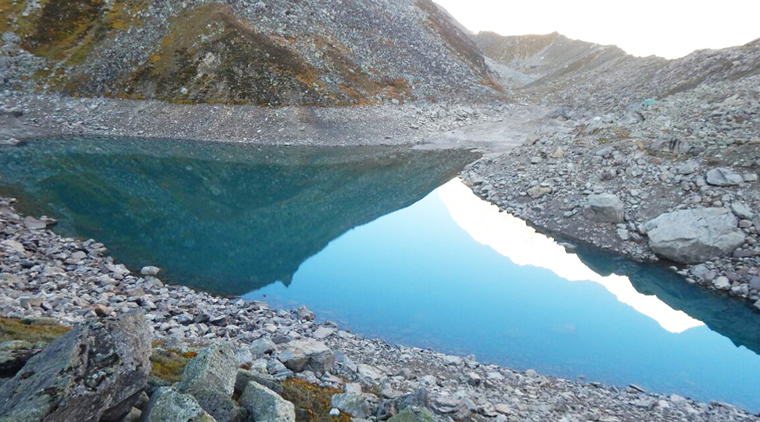
- Trekkers and the fitBadrinath is the trailhead for the Vasudhara Falls and Satopanth treks above Mana, real high-altitude walks for the acclimatised and well-equipped. Treat them as proper treks with the right gear and a guide, not a casual extension of a temple visit.
- Budget and solo pilgrimsState buses and shared jeeps from Rishikesh, GMVN guesthouses and dharamshalas, and the free darshan keep Badrinath affordable. Solo travel is straightforward on this well-trodden pilgrim route; the main discipline is the registration, the cash and the altitude, not safety.
- Devout pilgrims on the full circuitFor those doing all four dhams, Badrinath is the highest and often the last stop. Sequence it after acclimatising on the earlier shrines, and keep something in reserve for the long road and the altitude of this final climb.
A suggested Badrinath itinerary
How to shape a safe, unhurried Badrinath trip so you acclimatise properly, catch an early darshan, and still see Mana.
- Day one: up to JoshimathStart early from Haridwar or Rishikesh and drive the long road through the prayags to Joshimath, about 250 km that takes most of a day in the hills. Sleep at Joshimath, around 1,875 m, to let your body begin adjusting before the final climb. Complete your registration before you set off.
- Day two: the final climb and first darshanLeave Joshimath early for the 42 to 45 km gate-convoy stretch to Badrinath, allowing far more time than the distance suggests. Settle in, take the afternoon gently to acclimatise, and aim for the evening darshan and aarti rather than overexerting on arrival.
- Day three: dawn darshan and ManaTake the Tapt Kund dip and an early dawn darshan, then walk or drive the 3 to 4 km to Mana for Bheem Pul and the Vyas and Ganesh caves. Fit, acclimatised walkers can attempt the Vasudhara trek; everyone else should keep it gentle and start the descent in good light.
- The standalone-from-Delhi versionAllow 5 to 6 days from Delhi, with the first day to Joshimath (about 525 km, broken sensibly), the acclimatisation night, the darshan and Mana, and the long drive back, keeping a spare day for weather and gate delays.
The two things that wreck a tight Badrinath plan are skipping the Joshimath acclimatisation night and under-budgeting the one-way gate convoy on the last 42 to 45 km. Sleep lower before the final climb, leave Joshimath early, and never schedule a same-day Joshimath darshan and return. Plan it gently and the altitude and the road become manageable rather than dangerous.
The real questions travellers ask about Badrinath
Straight answers to the questions that come up again and again on traveller forums, so you arrive already knowing the score.
- Do I really need registration, and is there a fee?Yes, Char Dham registration is mandatory and it is free. Register on the official Uttarakhand portal, carry the QR pass and matching ID, and expect it to be checked at checkposts before Badrinath. Without it you can be turned back, so do it as soon as your dates are set.
- How many days do I need?From Haridwar or Rishikesh, plan 2 to 3 days with a Joshimath acclimatisation night. As a standalone trip from Delhi, give it 5 to 6 days. With Kedarnath or the full Char Dham, it stretches into a longer circuit.
- Will I get altitude sickness?You might if you race up from the plains in one go. Sleep a night at Joshimath first, hydrate, avoid alcohol and walk slowly, and most people are fine. If symptoms worsen at rest, descend, which is the reliable cure.
- Joshimath or Badrinath as a base?Sleep at Joshimath to acclimatise and for the widest choice of rooms, and overnight at Badrinath itself if you want the quiet dawn darshan and have booked ahead. Many trips do both: a night at Joshimath, then a night up top.
- Is there a confirmed helicopter to Badrinath?As of mid-2026, only the Kedarnath helicopter is an established IRCTC HeliYatra booking. A Badrinath shuttle from Gauchar has been tendered at a tentative fare around 11,000 rupees but is not yet a confirmed scheduled booking, so reconfirm on official channels before planning around it.
- Is it safe to travel during the monsoon?The road is landslide-prone in July to September and can close, so it is the riskiest window. If you must go then, travel by day, keep buffer days, watch official updates, and accept that plans may slip. Many pilgrims simply avoid these months.
Planning Badrinath from abroad
Badrinath is the high Himalayan climax of a Char Dham trip and a deeply meaningful one for a diaspora family. A little preparation - registration, season, altitude - makes it safe and smooth.
- Register online before you flyComplete the free Char Dham registration on the official Uttarakhand portal before you travel, for every member of your group including elderly parents and children. Carry the QR passes and matching ID. This is the rule overseas families most often miss, and it is genuinely enforced on the road.
- Time it to the open seasonThe temple opens only from about late April and shuts around mid-November, so your trip must fall inside the open season; there is no winter darshan at Badrinath. May to June and September to October are the comfortable windows. Reconfirm the verified dates on the temple board before booking international flights.
- Respect the altitude with parentsAt about 3,100 to 3,300 m, the altitude is the real consideration for older relatives flying in. Build in the acclimatisation night at Joshimath, get a doctor's clearance for anyone with heart, lung or blood-pressure conditions, and consider the helicopter where it is confirmed and bookable to spare the long road, while remembering the altitude up top is the same.
- Pair it with Kedarnath or the full circuitFly into Delhi, continue to Dehradun or Haridwar, and do Badrinath with Kedarnath, or as the highest stop on a full Char Dham circuit of 10 to 12 days. We can arrange a driver experienced on these roads and the registration logistics so the family can focus on the yatra.
Money, connectivity and timing for foreign visitors
The practical basics an overseas pilgrim needs for a high mountain shrine: cash, a SIM that works in the hills, warm gear, and how Badrinath fits a wider India trip.
- Carry cash, expect dead zonesCard and UPI acceptance and ATMs thin out as you climb, so draw cash in Haridwar, Rishikesh or Dehradun and carry enough for the trip. Mobile coverage is patchy in the high valley; BSNL and Jio tend to work best, so do not rely on a live connection for last-minute bookings.
- Get a SIM in the city firstPick up an Indian tourist SIM or an eSIM when you land in Delhi rather than hunting for one in the hills, and download offline maps and your registration QR pass before you lose signal on the road.
- Pack for sudden cold and strong sunEven in summer the nights are cold and the weather changes fast. Bring warm layers, a windproof jacket, gloves, a cap and good walking shoes, plus sunscreen and sunglasses for the fierce high-altitude sun, and personal medicines.
- How long to give it on a bigger tripOn a wider India trip, give Badrinath at least 2 to 3 days from Haridwar with the acclimatisation night, or fold it into a longer Char Dham circuit. It does not slot into a tight city itinerary; treat it as the high, slow Himalayan chapter.
For a diaspora family, Badrinath can be the emotional heart of a return to India, but it is a serious high-mountain trip, not a city temple visit. Register online before you fly, time it inside the open season, respect the altitude with an acclimatisation night, and let the long road be part of the pilgrimage rather than something to rush. Done gently, it is the chapter the family remembers most warmly.
Why Vishnu is worshipped under the badri tree
Badrinath takes its name from the badri, the jujube tree. In the old tradition Lord Vishnu sat in long meditation at this spot, and to shelter him from the harsh Himalayan weather his consort Lakshmi took the form of a badri tree and spread over him; in gratitude he named the place Badrika Ashram, and is worshipped here as Badri Vishal. By another long-held custom the shrine fell into neglect and was revived in the eighth to ninth century by the philosopher-saint Adi Shankaracharya, who is also said to have established the rule, kept to this day, that the rawal or head priest of Badrinath is a Namboodiri Brahmin from Kerala, a rare bond between the far north shrine and the deep south. The stories are drawn from Puranic and regional temple tradition rather than one single attributable verse, and that is how an honest page should hold them.
Planning a Badrinath trip?
Our Uttarakhand travel experts plan your full journey for you: route, hotels, darshan timings and transport. You get a free day-by-day plan and an exact quote on WhatsApp, usually within a few hours. No payment is needed to get your plan.
Tour packages that visit Badrinath
Every journey below is private, hand-crafted and fully customizable. Tell us your dates and we tailor the itinerary, the pace and the priests or guides around you.
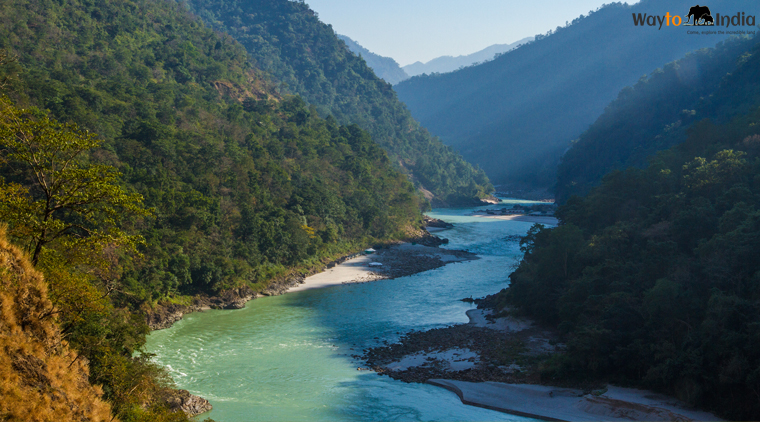 11D / 10N5.0
Chardham Yatra Tour Package 2026
- Visit Yamunotri
- Visit Gangotri
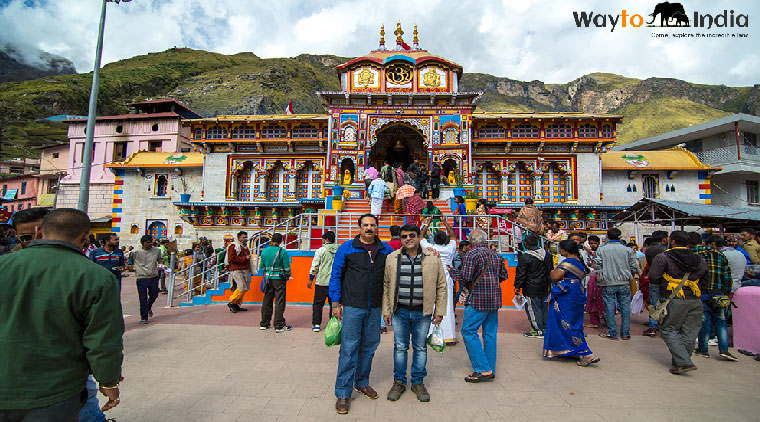 8D / 7N
Badrinath Kedarnath Yatra
- Visit Special Pooja at Shri Kedarnath Temple
- Visit Devprayag
 6D / 5N
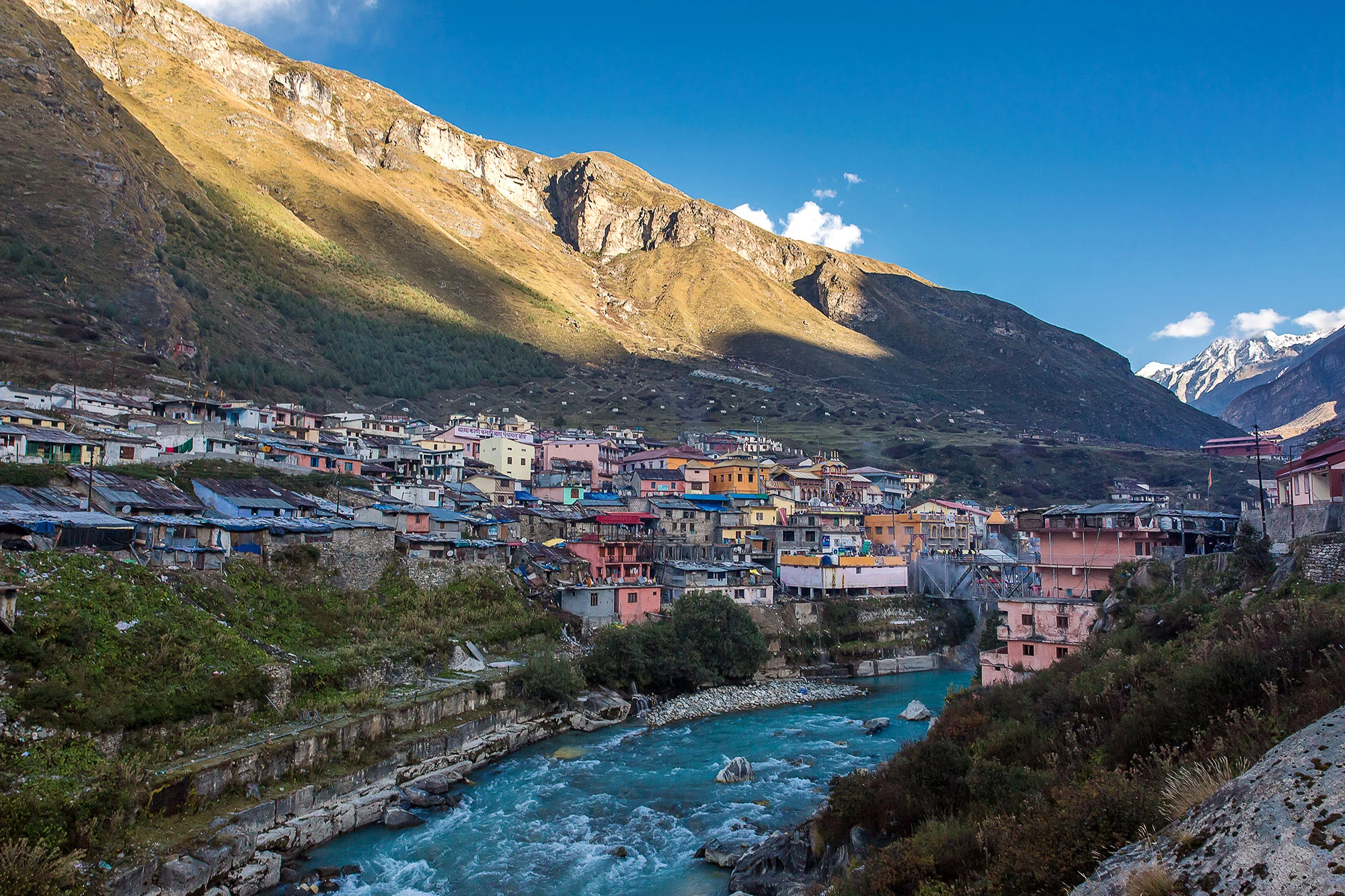
Badrinath Yatra
- Visit Har ki pauri for Famous Aarti of Holy Ganges
- Visit Mana Village,
 2D / 1N
Badrinath Yatra By Helicopter
- Flight over the Himalayas to Badrinath from Dehradun.
- VIP Darshan at Badrinath Temple.
 12D / 11N
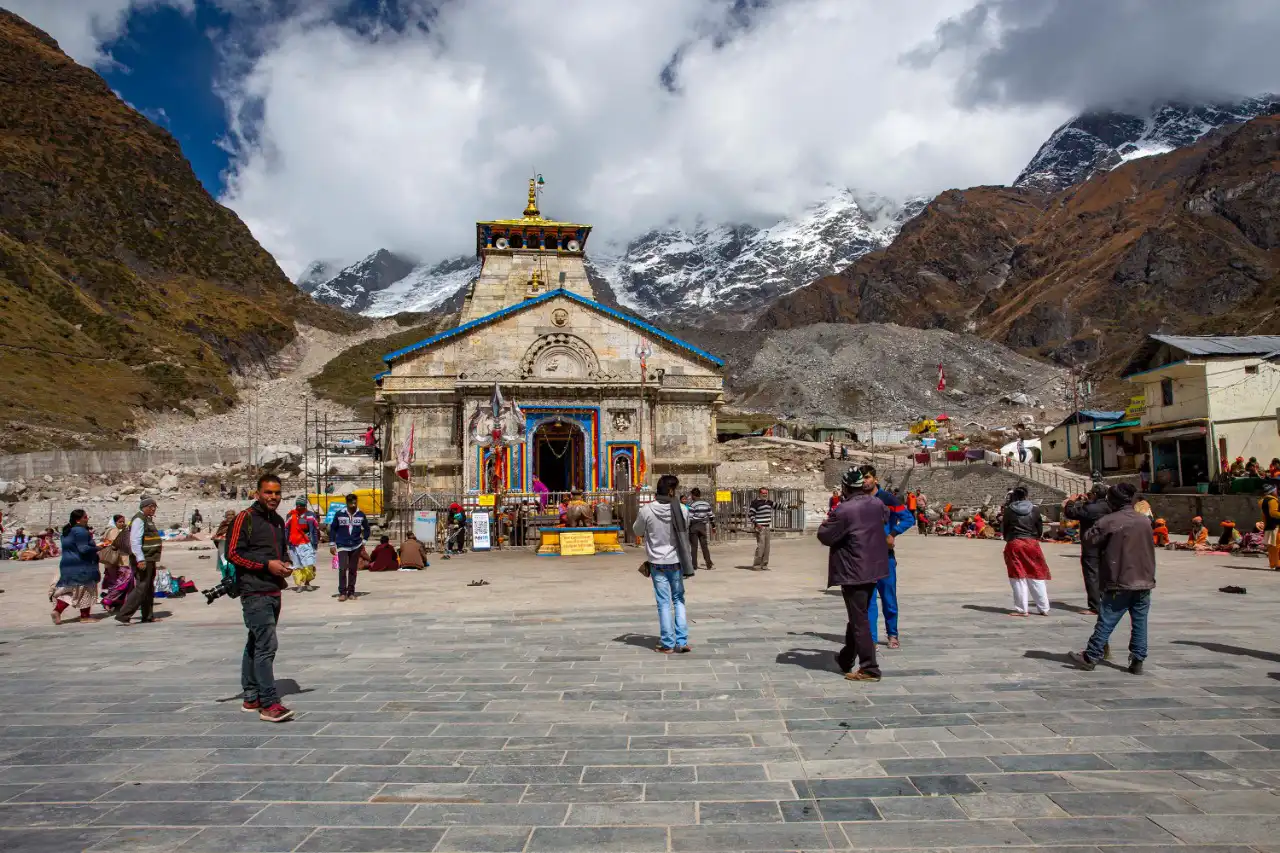
Panch Kedar Tour Package: Five Shiva Temples of Garhwal in 12 Days
- Darshan at all five Panch Kedar temples in one journey: Kedarnath, Madhyamaheshwar, Tungnath, Rudranath and Kalpeshwar
- Kedarnath, one of the twelve Jyotirlingas, where the hump of Shiva is worshipped at 3,583 metres
 11D / 10N
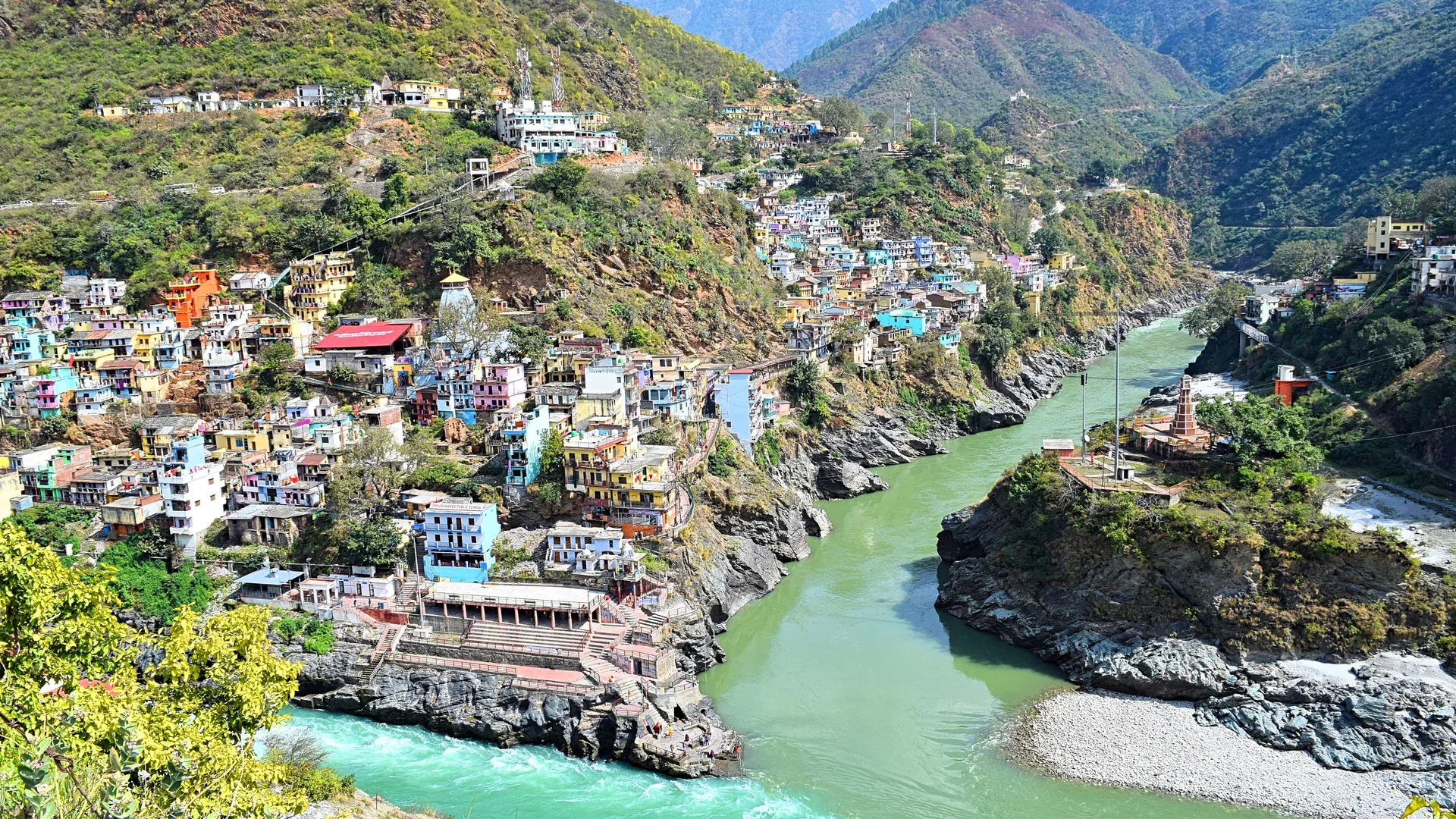
North India Divya Desam Tour Package: 7 Vada Naadu Temples in 11 Days
- All 7 North India Divya Desams in one 11 day circle: Mathura, Gokul, Naimisharanya, Ayodhya, Devprayag, Joshimath and Badrinath
- Built around the Badrinath opening window, with assistance and guidance for your mandatory Uttarakhand yatra e-registration
 5D / 4N
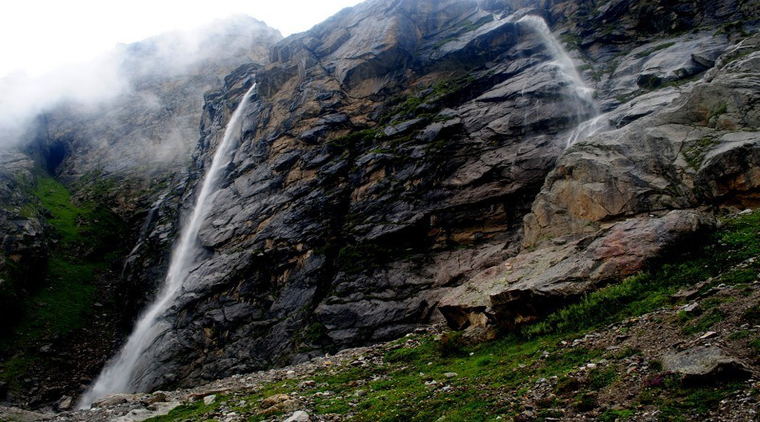
Neelkanth Base Camp Trek
- Badrinath Temple
- Vashudhara Waterfall
 6D / 5N
Char Dham Yatra By Helicopter From Dehradun
- Cover all 4 Dhams by Helicopter in 6 Days (5 Nights) from Dehradun
- Palki/Pony at Kharsali in place of 6Km Trekking to Yamunotri
 7D / 6N
Satopanth Trek
- Satopanth Lake Trek
- Satopanth Glacier