Haridwar Travel Guide
The comfortable months are October to March . Two things shape the rest of the year: the high summer fills with Char Dham pilgrims, and the monsoon closes the river rafting and...
When to visit Haridwar and Rishikesh
The comfortable months are October to March. Two things shape the rest of the year: the high summer fills with Char Dham pilgrims, and the monsoon closes the river rafting and threatens the hill roads.
- October to March: cool and clearThe most pleasant time, mild by day and genuinely cold in the early mornings, with clear skies and a beautiful green-blue Ganga. Ideal for the Aarti, the temples and gentle yoga. Carry warm layers from December to February, when dawn at the ghats can be bracing.
- April to June: hot and busyWarm to hot on the plains, and this is the peak Char Dham pilgrim season, so Haridwar and Rishikesh and the mountain roads beyond are at their most crowded. Fine for rafting and yoga if you do not mind the heat and the bustle, and the summer evenings push the Aarti a little later.
- Monsoon, about July to mid-SeptemberHeavy rain, a swollen river and real landslide risk on the hill roads to the Char Dham. River rafting is officially closed for safety in these weeks, so come for the temples, the ashrams and the green hills rather than for adventure, and watch the weather advisories.
- Decide what your trip is forIf it is the Aarti, the temples and yoga, almost any clear month works, with winter the calmest. If rafting or the Char Dham is the point, aim for the open, dry window from about October to June and avoid the monsoon, and book early in the peak summer pilgrim months.
Haridwar and Rishikesh are holy cities where alcohol is not sold and is effectively banned, and meat and eggs are essentially not sold in the temple zones. The vegetarian food is simple and excellent, so come prepared to enjoy it and do not carry alcohol to the ghats.
How to reach Haridwar and Rishikesh
Most people come from Delhi, an easy half-day by fast train or car, and Rishikesh is a short hop on from Haridwar. The holy core of Haridwar is walkable once you arrive.
- By train from DelhiHaridwar Junction is a major station with frequent trains from Delhi, and it sits only about 3 km from Har Ki Pauri. The Delhi to Dehradun Vande Bharat reaches Haridwar in roughly 3.5 to 4.5 hours, with an AC chair car fare of about 975 rupees and executive class about 1,705 rupees; many other trains run through the day. The train is the most relaxing way to come.
- By roadAbout 220 km and 5 to 6 hours from Delhi, usually broken with a stop. We can arrange a car with an experienced hill driver, which is the easiest option for a family or for continuing on to the Char Dham, where a confident mountain driver matters.
- By air, then a short driveThe nearest airport is Jolly Grant at Dehradun, about 35 to 40 km from Haridwar, roughly a 1 to 1.5 hour taxi. It has direct flights from Delhi, Mumbai and other cities. Rishikesh is even closer to the airport than Haridwar is.
- Between Haridwar and Rishikesh, and around townRishikesh is about 20 to 25 km and 45 minutes from Haridwar by road, so the two are almost always done together over two or three days. Within Haridwar the holy core is walkable, and short auto-rickshaw and e-rickshaw hops cover the rest.
Fly into Delhi, then take the fast train or drive up to Haridwar in about half a day. Dehradun's Jolly Grant airport is the nearest, reached on a short domestic hop from Delhi.
Fly into Delhi and continue by train or road, or take a domestic connection to Dehradun. Haridwar and Rishikesh are the gateway to the Char Dham in the mountains beyond.
Haridwar Junction is well linked by train across the north, and the road from Delhi is straightforward. Dehradun's airport adds flights from several Indian cities for those short on time.
Har Ki Pauri, the hill temples and the Ganga Aarti
Haridwar is the great riverside ghat of Har Ki Pauri and the hill shrines of Mansa Devi and Chandi Devi. The evening Aarti is the heart of it all, and a few facts help you do it well.
- Har Ki Pauri and the Ganga AartiThe most sacred ghat in Haridwar, at the Brahmakund, where the Ganga is believed to leave the mountains for the plains. The evening Aarti here is free and unforgettable, with rows of lamps passed over the dark water. It follows sunset, so it is roughly 6 pm in winter and later, about 6:30 to 7 pm, in the long summer evenings. Arrive 45 to 60 minutes early, because a normal evening draws several thousand people.
- Where to sit for the AartiThe clearest front view is from the small island called Malviya Dweep, reached over a footbridge, looking back at the main ghat. The stone steps are free to sit on; some local families rent simple wooden platform seats for a small amount, about 25 rupees a person, which is optional, not an entry fee. There is no ticket to attend.
- Mansa Devi and Chandi Devi by ropewayMansa Devi on Bilwa Parvat and Chandi Devi on Neel Parvat are the two hill shrines, each reached by a Udan Khatola cable car run by Usha Breco, the comfortable way up for older travellers. A one-way ride is about 163 rupees and a return about 349 rupees; a combined two-temple ticket with the bus between the hills is roughly 439 rupees adult and about 225 rupees child. The ropeways run roughly 6 am to 7 pm; reconfirm fares at the counter.
- Maya Devi and Daksha MahadevMaya Devi is an ancient Siddh Peeth in the old town, one of the Panch Tirth of Haridwar, and Daksha Mahadev at Kankhal is a revered Shiva temple, especially busy in the holy month of Saawan. Both are quieter than the ghats and easy to add to the pilgrim circuit.
There is no ticket for the Ganga Aarti at Har Ki Pauri; just arrive early, keep your shoes and valuables safe, and be wary of anyone pressing you to pay a fixed large sum for a ritual. The hill-temple ropeway fares above are the main paid items in Haridwar, and are best reconfirmed at the counter or on the official Udan Khatola site.
Rishikesh: yoga, rafting and the river bridges
Just up the road, Rishikesh is the Yoga Capital of the World and the home of river rafting in India. A couple of current facts save a wasted trip.
- Yoga, ashrams and the Triveni Ghat AartiRishikesh draws yoga seekers from around the world to ashrams like Parmarth Niketan, which holds its own riverside Ganga Aarti each evening, and the city's free Aarti at Triveni Ghat. Drop-in classes, meditation and teacher-training courses are everywhere, and the International Yoga Festival is held here every March.
- River rafting, in season onlyThe Ganga rapids are India's classic white-water run. The season is roughly mid-September to about 30 June; rafting is officially closed and not allowed during the monsoon, about 1 July to mid-September, for safety, and the closure is enforced. Wear proper footwear, wear the life jacket, and use a licensed registered operator, which we can arrange.
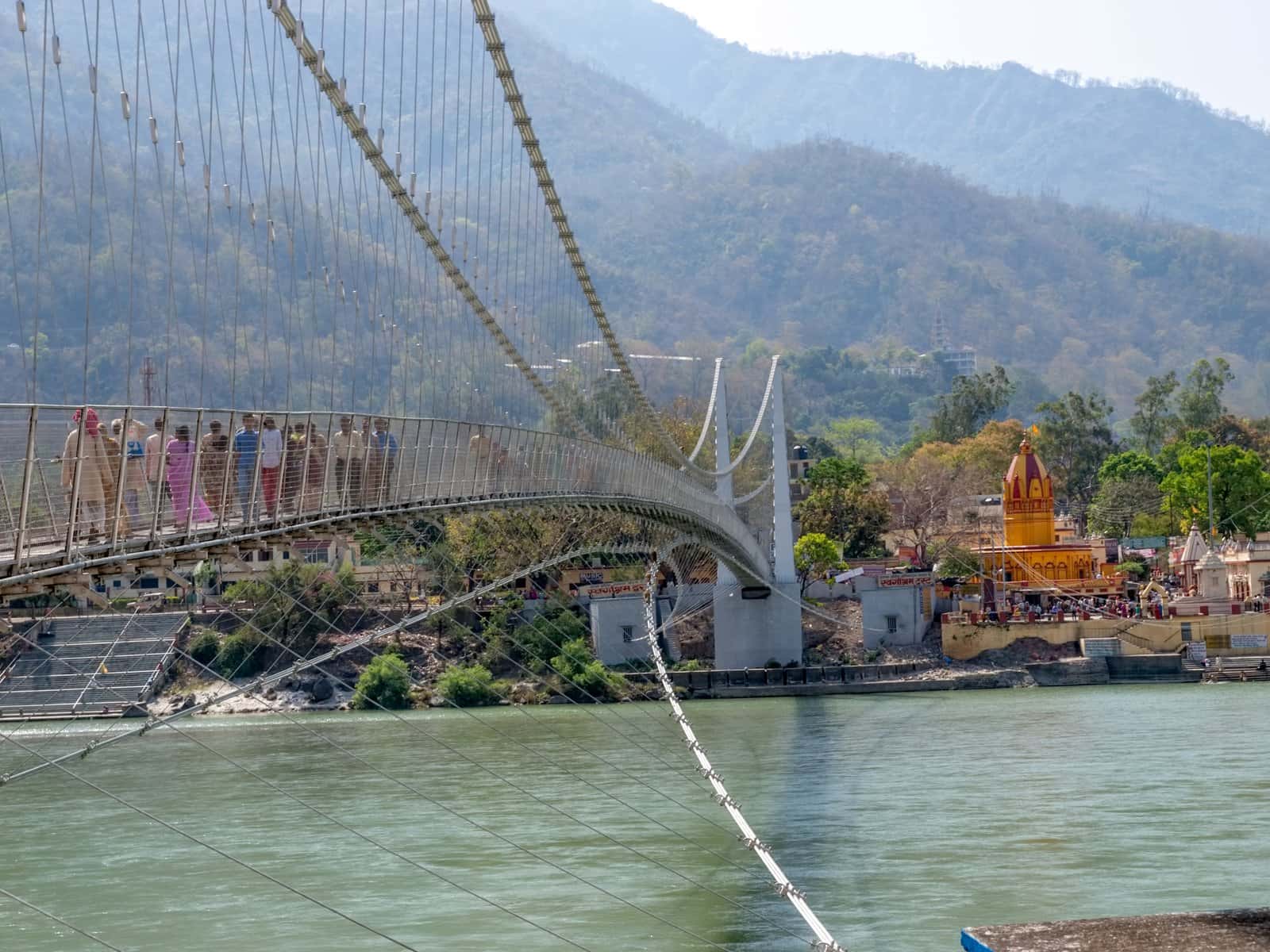
- The bridges: Ram Jhula open, Lakshman Jhula closedThe historic Lakshman Jhula footbridge has been shut since 2019 on safety grounds. Its replacement, the glass-decked Bajrang Setu at the same site, is built but as of early-to-mid 2026 is only partially open, with the formal inauguration still pending after glass-panel repairs. The nearby Ram Jhula remains fully open, so cross there and treat Bajrang Setu as a bonus only once it is fully open.
- Beatles Ashram and Neelkanth MahadevThe old Maharishi Mahesh Yogi ashram where the Beatles stayed in 1968 is now a ticketed forest-department site of murals and ruins, generally open daytime hours; carry your ID. The hill temple of Neelkanth Mahadev, about 30 km away and free to enter, is a beautiful half-day side trip on a winding road.
The single thing that disappoints rafting visitors is arriving in the monsoon, about July to mid-September, when the river is officially closed for safety. If rafting is the reason for your trip, travel in the open season, book a licensed registered operator rather than a riverside tout, and treat any monsoon rafting offer as a red flag.
Signature experiences in Haridwar and Rishikesh
Beyond ticking off temples, these are the things people remember, and how to do them well.
- Do the Ganga Aarti properlyReach Har Ki Pauri about an hour before sunset, find the Malviya Dweep island for the front view, and let the chanting and the bells build. Floating a small leaf-boat of flowers and a lamp on the river at dusk is the moment most people carry home. Rishikesh has its own quieter version at Triveni Ghat and Parmarth Niketan.
- A yoga or meditation morningEven a single drop-in class or a riverside meditation in Rishikesh is worth it. For a deeper stay, an ashram course or a few days at a yoga retreat is the reason many travellers, and many NRIs, come back. Book a reputable school or ashram in advance in season.
- A half-day on the rapids, in seasonA guided rafting stretch on the Ganga, in the open season, is exhilarating and safe with a good operator and a worn life jacket. There are gentle family stretches and bigger rapids for the brave. Choose your stretch to suit the youngest and the most nervous in your group.
- Start the Char Dham hereHaridwar and Rishikesh are the gateway to the Char Dham (Yamunotri, Gangotri, Kedarnath, Badrinath). The free online registration is compulsory, and a helicopter circuit from Dehradun makes the whole pilgrimage manageable for seniors. See the logistics and overseas sections for exactly how.
- An evening river walk and the sweetsStroll the ghats and lanes at dusk, watch the lamps on the water, browse the rudraksha and brassware stalls, and stop for chai. Old Haridwar near Har Ki Pauri is best on foot, and the local sweets and the famous Haridwar street food are part of the pleasure.
If you do only one thing slowly, make it the evening Aarti at Har Ki Pauri. Get there early, sit on the steps near the water with the crowd settling around you, and stay through to the lamps and the river of light. It is free, it is the soul of Haridwar, and people remember it long after the temples and the shopping blur together.
Where to stay in Haridwar and Rishikesh
Stay near Har Ki Pauri to be in the heart of Haridwar, or across in Rishikesh for yoga and the river. Two to three nights covers both towns comfortably.
- Near Har Ki Pauri: in the heart of itHotels and dharamshalas around Har Ki Pauri and the old town put you walking distance from the Aarti and the ghats. Atmospheric and convenient, but busier, noisier and tighter on parking. Best for first-time pilgrims who want to step straight into the scene, and for short stays.
- Quieter Haridwar and the Ganga-front hotelsA short hop from the centre, riverfront and garden hotels give you the river view with more calm and easier parking. A good middle ground for families and older travellers who want the Aarti but not the crush at the door all night.
- Rishikesh: Tapovan, Swarg Ashram and Laxman Jhula sideStay in Rishikesh for yoga, cafes and the river. The Tapovan and Laxman Jhula side suits backpackers and the cafe scene, while the Swarg Ashram and Parmarth side is calmer and closer to the ashram Aarti. Riverside resorts upstream are the quietest and the most scenic.
- How many nightsOne full night in Haridwar covers the Aarti, the ropeway temples and the old town. Add one or two nights in Rishikesh for yoga, the river and the bridges. Two to three nights across both is the comfortable trip; book far ahead for any Char Dham season, festival, or the expected Ardh Kumbh in 2027.
On major bathing days, in the peak Char Dham summer, and above all during a Kumbh or the expected Ardh Kumbh in 2027, rooms in Haridwar are scarce and dear and sell months in advance. If your dates fall on a big date, book well ahead, or stay a little out of the centre and travel in for the Aarti.
Haridwar and Rishikesh costs and a daily budget
This is an affordable trip outside festival peaks. Here is what the main fixed things cost, so you can plan and avoid being overcharged.
- The fixed-price thingsThe Ganga Aarti at Har Ki Pauri is free. The Udan Khatola ropeway is about 163 rupees one way, about 349 rupees return, and roughly 439 rupees adult or about 225 rupees child for the combined two-temple ticket with the bus. The Delhi to Haridwar Vande Bharat chair car is about 975 rupees. These anchors are not negotiable, which makes them useful to plan around.
- A rough daily budgetExcluding your room and the long-distance fare, plan on a modest day for two: simple vegetarian meals are cheap, the ropeway and an auto or two are small, and a half-day rafting trip in Rishikesh is the one bigger line. Most travellers find Haridwar and Rishikesh gentle on the wallet outside festival peaks.
- The negotiable thingsAuto and e-rickshaw hops, riverside shopping and any optional puja should have the amount agreed before they begin. A small genuine temple offering is fine; decline anyone demanding a fixed large sum for a ritual. Settle the price first and the only common friction disappears.
- Cash and cardsBigger hotels, cafes and shops take cards and UPI, but the lanes, the autos, the small eateries and the platform seats at the Aarti run on cash. ATMs are easy to find in both towns, so carry enough small notes for the day.
Everything except the temple ropeway, the train and the Aarti (which is free) is negotiable or optional, so the single habit that keeps a Haridwar trip smooth is to agree the price before anything begins, whether that is an auto ride, a shop purchase or a puja. Quotes to visitors start high and come down without drama, and a sum agreed in advance turns the town's only friction into a non-event.
Practical logistics: dry city, Char Dham registration and getting around
The small things that make the days smooth, from the dry-and-vegetarian rule to the compulsory Char Dham registration and how to move between the sights.
- Dry and vegetarian, by ruleAlcohol is not sold and is effectively banned, and meat and eggs are essentially not sold in the temple zones of both towns. The vegetarian food is excellent, so lean into it, and save any drink for a stop outside these holy cities. Do not carry alcohol to the ghats or temples.
- Register for the Char Dham, free and compulsoryIf you are continuing to the Char Dham (Yamunotri, Gangotri, Kedarnath, Badrinath), a free registration is compulsory. Do it on the official portal at registrationandtouristcare.uk.gov.in, on the Tourist Care Uttarakhand app, or by sending the word Yatra on WhatsApp to +91-8394833833; an Aadhaar-based identity is required. We can complete it for you.
- Getting aroundHaridwar's holy core, Har Ki Pauri, the old town and the ropeway base, is compact and best on foot, with short auto-rickshaw and e-rickshaw hops for the rest and to Kankhal. Between Haridwar and Rishikesh it is about a 45 minute drive, and a hired car is the easy way to do both in a day.
- Connectivity and languageMobile coverage in both towns is generally fine for calls, data and maps, though it thins on the hill roads beyond. Hindi is the main language, but English is widely understood in the yoga and tourist trade in Rishikesh, so communicating is easy.
Safety at the ghats, the river current and staying well
Haridwar and Rishikesh are gentle and welcoming, but the Ganga is powerful and the festival crowds are huge. A little awareness keeps the visit happy.
- The Ganga current at Har Ki PauriThe river here is strong, very cold and deceptively fast even where it looks calm, which is why iron chains are fixed along the bathing ghat. Hold the chains, bathe only at the marked steps, never wade out of your depth, and keep a firm grip on children and older relatives. The slippery steps cause more trouble than anything else, so move slowly.
- Crowds at the Aarti and at festivalsA normal Aarti evening draws several thousand people and a festival evening tens of thousands, with real crush near the front. Keep children and seniors close, agree a meeting point if you are separated, and during a Kumbh or the expected Ardh Kumbh in 2027 follow the crowd-management routes and avoid the very peak hour at the busiest ghat.
- Paid-ritual pressureAt the ghats some priests or touts press visitors to pay a large fixed sum for a puja or ancestral rites. A small genuine offering you choose is fine; politely but firmly decline anyone naming a big mandatory amount, and do any puja with a priest and a sum you agreed first.
- Heat, water and altitude beyondDrink bottled or filtered water and take the usual care with street food. In summer carry sun protection for the open ghats and the hill climbs. If you continue to the Char Dham, the high passes are cold and thin-aired, so build in rest days, carry warm layers even in summer, and let older travellers acclimatise.
Rishikesh in particular is one of the easier, friendlier places in India to travel alone, with a steady stream of yoga visitors and a relaxed community. Dress modestly near the temples and ghats, be firm with the paid-ritual touts, prefer the busier lanes after dark, and both towns are gentle, low-hassle stops by Indian standards.
Haridwar and Rishikesh for every kind of traveller, and on access
The same two towns suit a quiet pilgrim, an adventurous twenty-something and an older couple very differently. Here is what each gets, and the one tip that matters.
- Families with childrenGentle and rewarding: the Aarti, the ropeway up Mansa Devi, a beginner rafting stretch in season and the temple stories keep children engaged. Keep little ones firmly in hand on the slippery ghat steps and near the strong river current, and visit the Aarti from a calmer spot if it is a festival evening.
- Senior travellers, pilgrims and on accessibilityVery doable with planning. Use the Mansa Devi and Chandi Devi ropeways rather than the climbs, watch the slippery steps at Har Ki Pauri, choose a quieter evening for the Aarti and a seat on Malviya Dweep, and for the Char Dham take the helicopter circuit from Dehradun to skip the long mountain roads and the Kedarnath trek. Stay near the river to keep walking short.
- CouplesRishikesh is romantic in a calm way: a riverside cafe, an evening Aarti at Parmarth Niketan, a sunrise yoga class and a walk across Ram Jhula. Stay on the quieter Tapovan or Swarg Ashram side for the views and the slower pace.
- Solo travellers and yoga seekersRishikesh is one of the safest, friendliest places in India to travel alone, with ashram stays, drop-in yoga and an easy community of fellow travellers. Book a reputable ashram or school in advance, and remember the dry-city rule.
- Backpackers and adventure groupsRafting, cliff jumping, waterfall hikes and cheap riverside guesthouses in Tapovan. Remember the dry-city rule and the monsoon rafting closure, use a licensed operator, and carry good footwear for the rapids and the trails.
- PhotographersThe Aarti lamps on the dark river, the hill temples at first light, the bridges and the sadhus of Rishikesh. Evenings at the ghats and early mornings give the best light; ask before photographing people at prayer, and keep your kit dry near the river.
A suggested Haridwar and Rishikesh itinerary
How to shape two or three unhurried days so you catch the Aarti at the right hour, the temples in the cool, and Rishikesh at its calmest.
- Day one in HaridwarArrive and settle, then take the ropeway up Mansa Devi and Chandi Devi in the cooler part of the day, add Maya Devi or Daksha Mahadev if you have time, and reach Har Ki Pauri about an hour before sunset for the evening Ganga Aarti from Malviya Dweep. End with a slow walk through the old-town lanes.
- Day two in RishikeshDrive over to Rishikesh, start with a morning yoga class or a riverside meditation, cross Ram Jhula and wander the ashram side, and in the open season fit a half-day rafting stretch. Close with the quieter evening Aarti at Triveni Ghat or Parmarth Niketan.
- Day three, if you have itSlow it down: a deeper yoga session, the Beatles Ashram, or a half-day side trip to Neelkanth Mahadev on its winding hill road. A third day turns a tick-the-box visit into the calm spiritual pause these towns do best, and gives seniors a gentler pace.
- The gateway versionIf Haridwar and Rishikesh are the start of a Char Dham or a longer Uttarakhand trip, give them a night each, complete the compulsory Char Dham registration here, stock up, and head into the mountains rested rather than rushing both towns in a single hurried day.
The single thing that breaks a tight plan is arriving at Har Ki Pauri at a fixed clock time and finding the Aarti is an hour away, or already over, because it follows sunset, not a set hour. Build your day so you reach the ghat about an hour before sunset, roughly 6 pm in winter and a little later in summer, and you will never miss the moment people come for.
The real questions travellers ask about Haridwar and Rishikesh
Straight answers to the questions that come up again and again on traveller forums, so you arrive already knowing the score.
- When exactly is the Aarti and where do I sit?The evening Ganga Aarti at Har Ki Pauri follows sunset, so it is roughly 6 pm in winter and about 6:30 to 7 pm in summer. The clearest front view is from the Malviya Dweep island over the footbridge. The floor steps are free; the wooden platform seats some families rent are an optional small amount, about 25 rupees, not an entry fee. Arrive 45 to 60 minutes early.
- Is rafting open in the monsoon?No. Rishikesh rafting runs roughly mid-September to about 30 June and is officially closed and not allowed during the monsoon, about 1 July to mid-September, for safety. If rafting matters, travel in the open season and book a licensed registered operator, never a monsoon tout offer.
- Is Lakshman Jhula open, and the new glass bridge?The old Lakshman Jhula has been closed since 2019 on safety grounds. The Bajrang Setu glass bridge replacing it is built but as of early-to-mid 2026 is only partially open, with the formal opening still pending. Use the Ram Jhula crossing, which remains fully open, and treat Bajrang Setu as a bonus.
- Can I really not get meat or a drink?Correct. Both towns are dry and largely vegetarian holy cities, so alcohol is not sold and meat and eggs are essentially not available in the temple zones. The vegetarian food is a highlight, and any drink waits at a stop outside these cities.
- Do I really need to register for the Char Dham?Yes, if you are going to the four shrines. The registration is free and compulsory, done on the official portal registrationandtouristcare.uk.gov.in, the Tourist Care Uttarakhand app, or by WhatsApp Yatra to +91-8394833833, with an Aadhaar-based identity. Without it you can be turned back, so do it before you head up.
- How many days, and when is the next Kumbh?Two to three days covers Haridwar and Rishikesh comfortably: a night for the Aarti and temples, one or two for yoga and the river. Haridwar's next Ardh Kumbh is widely expected from about 14 January to 20 April 2027, with the full official calendar still being finalised, so reconfirm and book far ahead if you want it.
Planning Haridwar, Rishikesh and the Char Dham from abroad
This is the spiritual heart of north India and the start of the Char Dham, the trip many NRIs return for. A little planning makes the holy-town rules and the registration easy to handle.
- Register for the Char Dham firstIf you are continuing to the Char Dham (Yamunotri, Gangotri, Kedarnath, Badrinath), a free online registration is compulsory. Do it in advance at the official portal registrationandtouristcare.uk.gov.in, on the Tourist Care Uttarakhand app, or by sending the word Yatra on WhatsApp to +91-8394833833. An Aadhaar or accepted identity is needed; we can complete it for you.
- Consider the helicopter circuitFor older parents or a short trip, the Char Dham helicopter circuit from Dehradun covers all four shrines in a few days and removes the long mountain roads and the Kedarnath trek. It books out early, so plan well ahead, and it is the kindest option for grandparents.
- Come for the yogaRishikesh is the yoga capital of the world, with ashram stays, teacher-training courses and the International Yoga Festival each March. For many in the diaspora, a yoga or meditation retreat here is the trip itself, and a deeply personal return to roots.
- Know the dry-city rule and the etiquetteBoth towns are dry and vegetarian, so do not carry alcohol, and dress modestly at the temples and ghats with shoulders and knees covered. Remove shoes where asked, ask before photographing people at prayer, and at the river hold the chains and bathe only at the marked steps.
Haridwar and Rishikesh are an unusually gentle introduction to sacred India: walkable, English-friendly in the yoga quarter, dry and vegetarian, and only half a day from Delhi. Give them two to three nights as the calm, soulful chapter of a wider trip, complete the Char Dham registration here if you are heading up, and let the evening Aarti be the memory you carry home.
Money, connectivity and timing for foreign visitors
The practical basics an overseas traveller needs for two holy towns and a mountain gateway: cash, a SIM, the seasons, and how long to give it on a wider India trip.
- Carry cash, cards work in townBigger hotels, cafes and shops in both towns take cards and UPI, but the autos, the lanes, the small eateries and the platform seats at the Aarti are cash places. Draw cash at the easy-to-find ATMs and keep small notes for rides, offerings and tips.
- Get a SIM at the airportPick up an Indian tourist SIM or an eSIM when you land in Delhi rather than hunting for one later. Coverage in Haridwar and Rishikesh is fine for maps, calls and ride-hailing, though it thins on the hill roads beyond, so download offline maps before the Char Dham.
- How long to give it on a bigger tripOn a wider north India trip, two to three nights across Haridwar and Rishikesh is the right weight: a night for the Aarti and temples, one or two for yoga and the river. If the Char Dham is the goal, add a week or more for the mountains, and far more rest if older travellers are along.
- Time your visit to your comfort and the seasonOctober to March is the comfortable window for the towns. For rafting and the Char Dham, the open season is roughly October to June, avoiding the monsoon. The summer Char Dham months are crowded; a winter visit to the towns alone is calm and clear, with cold mornings, so pack a warm layer.
Haridwar hosts the Kumbh and the Ardh Kumbh, and the next Ardh Kumbh is widely expected from about 14 January to 20 April 2027. The bathing and faith are extraordinary, but the crowds are among the largest on earth and movement is slow and tightly managed. If you want a calm, comfortable first visit, especially with older parents, plan around the big mela dates rather than into them, and book far ahead either way.
Why a single ghat in Haridwar is among the holiest in India
Har Ki Pauri means the footsteps of the Lord, and tradition holds that the footprints of Lord Vishnu are set into the stone here, at the Brahmakund, the very point where the Ganga is believed to leave the mountains for the plains. The deeper story reaches back to the churning of the ocean by the gods and the demons for the amrit, the nectar of immortality. As the pot of nectar was carried across the sky, a drop is said to have fallen at Haridwar, which is why the city is one of the four that host the Kumbh Mela, when millions come to bathe at the moment the heavens are thought to align. Whatever a traveller believes, standing at Har Ki Pauri at dusk as the lamps go down onto the dark water, with the cold Himalayan river rushing past and thousands of voices joining the Aarti, is one of the most moving things in India.
Planning a Haridwar trip?
Our Uttarakhand travel experts plan your full journey for you: route, hotels, darshan timings and transport. You get a free day-by-day plan and an exact quote on WhatsApp, usually within a few hours. No payment is needed to get your plan.
Tour packages that visit Haridwar
Every journey below is private, hand-crafted and fully customizable. Tell us your dates and we tailor the itinerary, the pace and the priests or guides around you.
 18D / 17N5.0
12 Jyotirlinga Tour Package
- Darshan of Somnath Jyotirlinga
- Mallikarjuna Jyotirlinga with Bhramaramba Shaktipeeth
 11D / 10N5.0
Chardham Yatra Tour Package 2026
- Visit Yamunotri
- Visit Gangotri
 4D / 3N
Kedarnath Jyotirlinga Tour Package
- Visit Mansa Devi Temple
- Visit Chandi Devi Temple
 8D / 7N
Badrinath Kedarnath Yatra
- Visit Special Pooja at Shri Kedarnath Temple
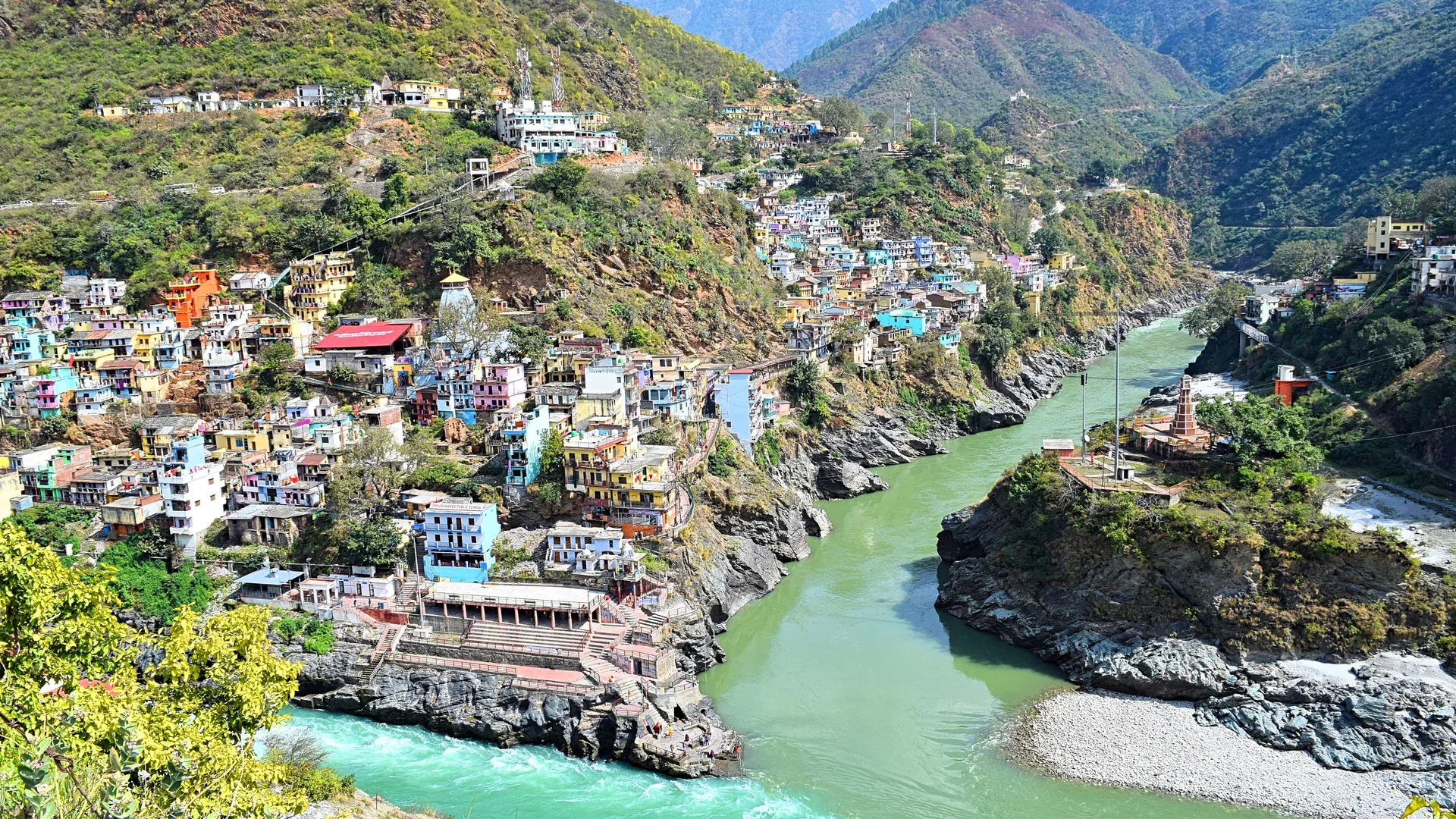
- Visit Devprayag
 6D / 5N
Badrinath Yatra
- Visit Har ki pauri for Famous Aarti of Holy Ganges
- Visit Mana Village,
 11D / 10N
North India Divya Desam Tour Package: 7 Vada Naadu Temples in 11 Days
- All 7 North India Divya Desams in one 11 day circle: Mathura, Gokul, Naimisharanya, Ayodhya, Devprayag, Joshimath and Badrinath
- Built around the Badrinath opening window, with assistance and guidance for your mandatory Uttarakhand yatra e-registration
 6D / 5N
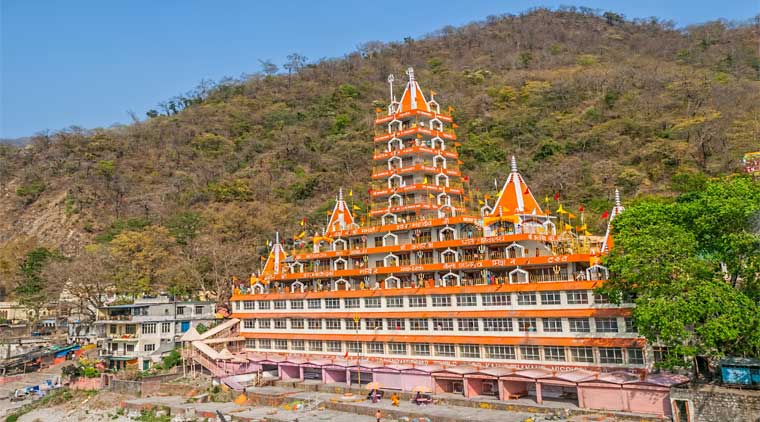
Haridwar Rishikesh Varanasi Tour Package from Delhi
- Haridwar
- Rishikesh
 7D / 6N
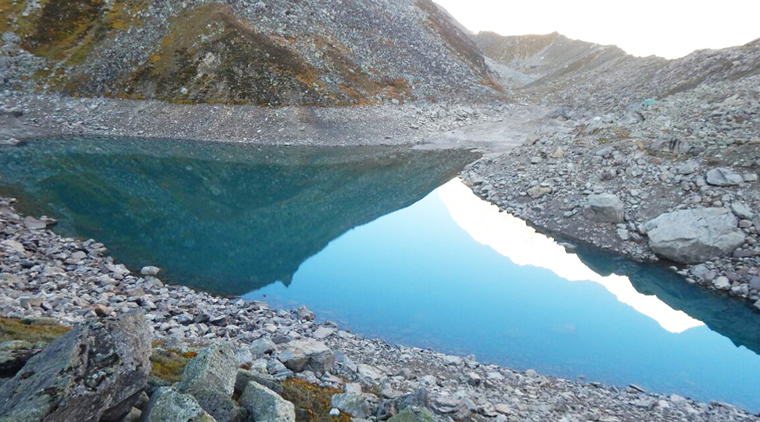
Satopanth Trek
- Satopanth Lake Trek
- Satopanth Glacier
 7D / 6N
Nau Devi Yatra
- Visit Rishikesh Sightseeing
- Visit Har-ki-Pauri