 18D / 17N 5
 All World Heritage Sites
UNESCO World Heritage · Cultural · inscribed 1993
Qutb Minar and its Monuments, Delhi
The Qutb Minar has watched over Delhi for more than 800 years. At 72.5 metres, it is the tallest stone tower in India, rising in five storeys of carved red sandstone above the ruins of the city's oldest fort. Around its feet stand a mosque, royal tombs, a grand gateway and an iron pillar that refuses to rust.
The story of this place
You are standing in Lalkot, counted as the first of the seven cities of Delhi, founded by the Tomar ruler Anang Pal around 1060. At the end of the 12th century, after the defeat of Prithviraj Chauhan, Qutbu'd-Din Aibak established the rule of the Delhi Sultanate here, and the buildings you see rose to announce it.
Aibak began the Quwwat-ul-Islam mosque in 1192, and it was completed in 1198. It is the oldest surviving mosque in northern India, and it was built with carved pillars and stones taken from about twenty demolished Hindu and Jain temples. Walk through its colonnades and you will see the older temple carvings still on the pillars. It is a place that carries a difficult history openly, and it deserves a slow, thoughtful look.
Aibak raised the first storey of the great minar around the year 1200, and the rulers after him carried it higher. Lightning damaged the tower in 1326 and again in 1368, after which Firuz Shah Tughluq rebuilt the top and gave it two extra storeys, which is why the upper storeys look different from the lower ones. Sikandar Lodi repaired it again in 1503. UNESCO inscribed the Qutb Minar and its monuments on the World Heritage List in 1993.
What you will see
The minar itself holds your eyes the longest. Each of the lower storeys is fluted differently, the first with alternating angular and rounded ribs, the second with rounded ribs, the third with angular ones, and bands of Quranic calligraphy run around the tower between richly carved balconies. Stand at the base and look straight up; the taper from a broad 14.32 metres at the base to 2.75 metres at the top is what gives the tower its grace.
In the mosque courtyard stands the famous Iron Pillar. It is about 7 metres tall and carries a Sanskrit inscription of the 4th century praising a king named Chandra, who scholars believe was the Gupta emperor Chandragupta II. After more than 1,500 years in the open, it shows almost no rust, and metallurgists still study how the ancient ironsmiths achieved this. It came here from elsewhere in India, and it is far older than everything around it.
Give time to the Alai Darwaza, the domed southern gateway built in 1311 by Alauddin Khalji, with red sandstone and white marble worked like jewellery. Nearby is the tomb of Iltutmish, built in 1235, plain outside and covered with fine carving inside. And do notice the huge unfinished stump of the Alai Minar, which Alauddin began with the dream of overtopping the Qutb Minar itself. He died when it had risen only one storey, and no one ever continued it.
The temple stone in the mosque courtyard
This is the detail almost nobody points out, and for many of our travellers it turns out to be the most interesting thing on the site.
The mosque beside the tower is the Quwwatu'l-Islam, which means the Might of Islam, and it is the oldest mosque in northern India. UNESCO records in its official description that the mosque was built using stone taken from about twenty Brahman temples that stood here before it.
You can see this with your own eyes. Walk slowly along the arcades that run around the courtyard and look at the pillars. The carving on many of them is Hindu and Jain temple work, lifted whole and set into a new building. Figures, lotus medallions, bell and chain motifs, all of it older than the mosque around it.
Give this ten minutes. Most visitors photograph the tower and leave, and they walk right past the part that actually explains the period.
Best time to visit
October to March is the pleasant season, when Delhi mornings are cool and the sandstone glows in the winter sun. Summer afternoons from April to June are harsh here because the complex has little shade, so in those months come at opening time.
The complex is open every day of the week, from early morning to evening, roughly sunrise to sunset. Most official listings give the hours as about 7 am to 5 pm, and they can shift, so check the current timing when you plan. Early morning is the best light for photographs and the quietest time to walk.
How to reach
The complex is in Mehrauli, in South Delhi. The easiest way is the metro: Qutab Minar station on the Yellow Line is about 2 km away, and autos wait outside to take you to the gate in a few minutes.
By road, taxis and app cabs reach the entrance directly from anywhere in Delhi. New Delhi railway station and Hazrat Nizamuddin station are both within a comfortable drive, and Indira Gandhi International Airport is the air gateway. Many of our Delhi day tours pair the Qutb Minar with Humayun's Tomb, because the two sites together show you the beginning and the flowering of Indo-Islamic architecture in one day.
Tips from our travel experts
Please know this before you go: you cannot climb the minar. The staircase inside has been closed to visitors since 4 December 1981, when a power failure caused a stampede inside the tower and 45 people, most of them schoolchildren, lost their lives. The tower is admired from the ground, and honestly, the carving and calligraphy are best seen from there anyway.
There is an entry fee, with different rates for Indian citizens and foreign nationals, and rates are revised from time to time, so please check the current rate on the ASI booking portal or ask your consultant. Buying the ticket online saves queue time on busy days.
Keep about two hours for the complex, wear a hat in the warm months, and carry water. The ground is uneven in places, so walk carefully with elders. Sunset from the lawns, with the tower turning deep red, is a photograph worth waiting for.
Questions travellers ask us
Can I climb inside the Qutb Minar?
No. Entry into the tower has been closed since 1981, after a stampede inside the staircase during a power failure took 45 lives. You see the minar from the ground, and its carving and calligraphy are actually best enjoyed from there.
Why does the Iron Pillar not rust?
The pillar is made of ancient wrought iron of unusual purity, and its resistance to corrosion comes from the composition of the iron and Delhi's dry climate. It has stood in the open for more than 1,500 years with almost no rust, and it remains a marvel for metallurgists.
Is the Qutb Minar open every day?
Yes, the complex is open all seven days, from morning to evening. Most listings give the hours as about 7 am to 5 pm, and timings can shift, so check the current schedule when you plan your day.
How tall is the Qutb Minar?
It is 72.5 metres tall, the highest stone tower in India. It has five storeys, tapering from 14.32 metres wide at the base to 2.75 metres at the top.
How do I reach the Qutb Minar by metro?
Take the Yellow Line to Qutab Minar station, which is about 2 km from the monument, and then a short auto ride brings you to the gate.
How much time do I need at the complex?
Keep two to three hours. That gives you the minar, the Quwwat-ul-Islam mosque, the Iron Pillar, the Alai Darwaza, the tomb of Iltutmish and the unfinished Alai Minar at an easy pace.
Why are there Hindu and Jain carvings in the Qutb Minar complex?
The Quwwatu'l-Islam mosque next to the tower was built using stone taken from about twenty Brahman temples that stood on the site earlier, and UNESCO states this in its official description of the property. Many pillars in the courtyard arcades are reused temple pillars, so Hindu and Jain carving is clearly visible on them. Walking the arcades slowly and looking at the pillars is the best few minutes you can spend in the complex.
A note on the tours below. These packages travel close to Qutb Minar and its Monuments, Delhi, but a package may not include a guided visit to the site itself. If you would like this place added to your journey, please tell your Way to India travel consultant and they will happily build it into your itinerary for you.
Tours where you stay right by it
18D / 17N 5You stay at Delhi
 19D / 18N
12 Jyotirlinga Tour Package from Delhi
● Starts Delhi
From₹85,000* / person
Explore →EMI from ₹4,162/mo
You stay at Delhi
 18D / 17N
12 Jyotirlinga Tour Package from Mumbai
● Starts Mumbai
From₹90,000* / person
Explore →EMI from ₹4,407/mo
You stay at Delhi
 5D / 4N
Bandhavgarh National Park Tour Package
● Starts Delhi
From₹25,056* / person
Explore →EMI from ₹1,227/mo
You stay at Delhi
 8D / 7N
You stay at Delhi
 10D / 9N
You stay at Delhi
You stay at Delhi
 7D / 6N
You stay at Delhi
 8D / 7N
Delhi Agra Jaipur Udaipur Tour Package
● Starts Delhi
From₹41,357* / person
Explore →EMI from ₹2,025/mo
You stay at Delhi
 4D / 3N
You stay at Delhi
 5D / 4N
You stay at Delhi
 3D / 2N
You stay at Delhi
 4D / 3N
Delhi To Haridwar Rishikesh Tour Package
● Starts Delhi
From₹19,622* / person
Explore →EMI from ₹961/mo
You stay at Delhi
 7D / 6N
Dussehra Festival Kullu
From₹35,923* / person
Explore →EMI from ₹1,759/mo
You stay at Delhi
 7D / 6N
You stay at Delhi
 7D / 6N
Gangaur Festival Jaipur
From₹35,923* / person
Explore →EMI from ₹1,759/mo
You stay at Delhi
 6D / 5N
You stay at Delhi
 7D / 6N
Golden Triangle and Gangaur Festival Tour
● Starts Delhi
From₹35,923* / person
Explore →EMI from ₹1,759/mo
You stay at Delhi
 9D / 8N
Golden Triangle and Khajuraho Dance Festival Tour
From₹46,791* / person
Explore →EMI from ₹2,291/mo
You stay at Delhi
 9D / 8N
Golden Triangle & Khajuraho Dance Festival Tour
● Starts Delhi
From₹46,791* / person
Explore →EMI from ₹2,291/mo
You stay at Delhi
 6D / 5N
You stay at Delhi
 6D / 5N
You stay at Delhi
 5D / 4N
You stay at Delhi
 4D / 3N
You stay at Delhi
 4D / 3N
You stay at Delhi
 4D / 3N
You stay at Delhi
 8D / 7N
You stay at Delhi
 9D / 8N
You stay at Delhi
 9D / 8N
You stay at Delhi
 9D / 8N
You stay at Delhi
 9D / 8N
You stay at Delhi
 10D / 9N
You stay at Delhi
 8D / 7N
You stay at Delhi
 10D / 9N
Golden Triangle Tour With Tiger Safari
● Starts Delhi
From₹52,225* / person
Explore →EMI from ₹2,557/mo
You stay at Delhi
 7D / 6N
You stay at Delhi
 9D / 8N
You stay at Delhi
 11D / 10N
Golden Triangle Tour With Varanasi And Khajuraho
● Starts Delhi
From₹57,658* / person
Explore →EMI from ₹2,823/mo
You stay at Delhi
 7D / 6N
You stay at Delhi
 9D / 8N
Golden Triangle with Ranthambore & Bharatpur Luxury Group Tour
● Starts Delhi
From₹46,791* / person
Explore →EMI from ₹2,291/mo
You stay at Delhi
 5D / 4N
Golden Triangle with Ranthambore Tour
From₹25,056* / person
Explore →EMI from ₹1,227/mo
You stay at Delhi
 14D / 13N
You stay at Delhi
 7D / 6N
You stay at Delhi
 6D / 5N
Haridwar Rishikesh Varanasi Tour Package from Delhi
● Starts Delhi
From₹30,490* / person
Explore →EMI from ₹1,493/mo
You stay at Delhi
 12D / 11N
You stay at Delhi
 11D / 10N
You stay at Delhi
 5D / 4N
Jaipur Ajmer Pushkar Tour Packages From Delhi
● Starts Delhi
From₹25,056* / person
Explore →EMI from ₹1,227/mo
You stay at Delhi
 7D / 6N
Jaisalmer Desert Festival Tour
From₹35,923* / person
Explore →EMI from ₹1,759/mo
You stay at Delhi
 8D / 7N
You stay at Delhi
 7D / 6N
You stay at Delhi
 9D / 8N
You stay at Delhi
 3D / 2N
You stay at Delhi
 11D / 10N
You stay at Delhi
 9D / 8N
You stay at Delhi
 9D / 8N
Rajasthan Tour By Car
From₹46,791* / person
Explore →EMI from ₹2,291/mo
You stay at Delhi
 12D / 11N
You stay at Delhi
 11D / 10N
You stay at Delhi
 3D / 2N
You stay at Delhi
 4D / 3N
Ranthambore From Delhi
From₹19,622* / person
Explore →EMI from ₹961/mo
You stay at Delhi
 3D / 2N
You stay at Delhi
 3D / 2N
You stay at Delhi
 9D / 8N
Uttarakhand Holidays
From₹46,791* / person
Explore →EMI from ₹2,291/mo
You stay at Delhi
 10D / 9N
Wildlife Safari Near Delhi
From₹52,225* / person
Explore →EMI from ₹2,557/mo
You stay at Delhi
 10D / 9N
You stay at Delhi
 3D / 2N
You stay at Delhi
 10D / 9N
Golden Triangle Tour with Jim Corbett National Park
● Starts Delhi
From₹52,225* / person
Explore →EMI from ₹2,557/mo
You stay at Delhi
 7D / 6N
Konark Dance Festival
From₹35,923* / person
Explore →EMI from ₹1,759/mo
You stay at Delhi
 8D / 7N
You stay at Delhi
 8D / 7N
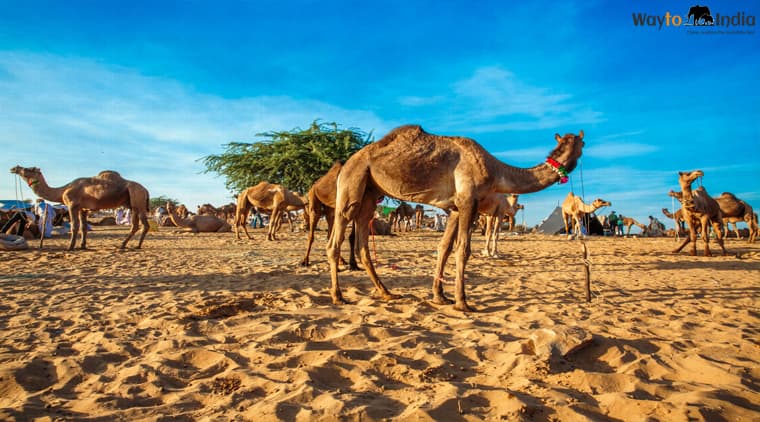
Pushkar Camel Fair
From₹41,357* / person
Explore →EMI from ₹2,025/mo
You stay at Delhi