 18D / 17N 5
 All World Heritage Sites
UNESCO World Heritage · Cultural · inscribed 2007
Red Fort Complex
The Red Fort is where the Mughal empire lived at its height, and where independent India speaks to itself every 15 August. Shah Jahan built this palace fort for his new capital, Shahjahanabad, and its massive red sandstone walls still hold marble halls, gardens and three centuries of history. Give it a full morning, and it will reward you.
The story of this place
In the 1630s, Emperor Shah Jahan decided to move his capital from Agra to Delhi. He commissioned the Red Fort in 1639 as the palace of his new city, Shahjahanabad, and it was completed in 1648. The design is attributed to Ustad Ahmad Lahori, the same master architect associated with the Taj Mahal. The fort takes its name from its great enclosing walls of red sandstone, and it joins an older neighbour, the Salimgarh fort built by Islam Shah Suri in 1546, to form the Red Fort Complex that UNESCO inscribed on the World Heritage List in 2007.
The fort has seen the whole arc of Mughal fortune. In 1739 the Persian invader Nadir Shah carried away the famous Peacock Throne from the Diwan-i-Khas. After the revolt of 1857, the British exiled the last Mughal emperor, Bahadur Shah Zafar, took over the fort, and destroyed many of the palaces, courts and gardens inside, which is why open lawns and colonial barrack buildings stand where pavilions once did.
Then came the fort's proudest chapter. On Independence Day in 1947 the national flag rose over the Red Fort, and since then, every 15 August, the Prime Minister hoists the tricolour here and addresses the nation from its ramparts. When you stand before the Lahori Gate, you are standing where modern India marks its freedom each year.
What you will see
You enter through the Lahori Gate into the Chatta Chowk, a covered bazaar where royal households once shopped and where small shops still trade today. Beyond it, the path leads through the Naubat Khana, the drum house where musicians announced the emperor.
The Diwan-i-Aam, the hall of public audience, comes next, a broad pillared hall of red sandstone where the emperor heard the petitions of ordinary people. Deeper inside, along the old river face, stand the private palaces of white marble: the Rang Mahal, the Khas Mahal, and the jewel of them all, the Diwan-i-Khas, the hall of private audience. On its walls is inscribed the famous Persian verse: if there be a paradise on earth, it is this, it is this, it is this. The Peacock Throne once stood in this hall, before Nadir Shah took it away in 1739.
A marble water channel called the Nahr-i-Behisht, the stream of paradise, once ran through these pavilions, and you can still trace its bed. The small white Moti Masjid and the Hayat Bakhsh Bagh garden lie to the north. Keep some time for the museums housed in the old British barracks inside the fort. They are dedicated to India's freedom struggle, including a moving museum on Netaji Subhas Chandra Bose and the INA, and their entry is covered by the fort ticket.
Best time to visit
October to March is the best season, with cool and clear Delhi mornings. Summer afternoons are tiring inside the wide open courtyards, so from April to June come at opening time.
Plan around two fixed points. First, the fort is closed every Monday. Second, entry hours are roughly 9:30 am to 4:30 pm, so this is a daytime monument, and mornings are the quietest. In the days around 15 August, security arrangements can restrict entry, so avoid planning a fort visit in that window and check locally if your dates fall near Independence Day.
In the evening, the fort hosts the Jai Hind light and sound show, which retells Delhi's history against the illuminated walls, with separate Hindi and English shows. It does not run on Mondays, timings change by season, and shows can be suspended around Independence Day, so please check the current schedule and book tickets in advance before you build your evening around it.
Closures worth checking before you travel
Every year, in the weeks before Independence Day, the Red Fort shuts to ordinary visitors while the ceremony is prepared. In 2026 the Archaeological Survey of India ordered it closed from 15 July right through to 15 August, under an order dated 9 July. A senior ASI official confirmed that such orders go out most years, so treat this as a seasonal pattern rather than a one off.
On 15 August itself only people holding government passes may enter for the celebration.
If your trip falls in the second half of July or the first half of August, keep that day for Humayun's Tomb or Qutub Minar and come to the Red Fort another morning. Please confirm the current position with the ASI before you travel, because the dates shift a little from year to year.
The other change worth knowing is a happier one. The fort used to be shut every Monday, and a great many websites still say so. The ASI ended that Monday closure in February 2026 and the monument now opens on all seven days.
How to reach
The Red Fort is in Old Delhi, and the metro is genuinely the smartest way to arrive, because the old city's traffic is slow. Lal Qila station on the Violet Line brings you out almost at the fort walls, and Chandni Chowk station on the Yellow Line is also within walking distance.
Old Delhi railway station is close by, New Delhi railway station is a short drive, and Indira Gandhi International Airport is the air gateway. Most of our Delhi day tours pair the fort with Jama Masjid and a walk through Chandni Chowk, because the three together give you the true flavour of Shahjahanabad in one morning.
Tips from our travel experts
Come at opening time. The fort is very large, the light is kind in the morning, and the tour buses arrive later. Keep two to three hours for a proper walk, and wear comfortable shoes, because you will cover a lot of ground.
There is an entry fee, with different rates for Indian citizens and foreign nationals, and a separate ticket for the evening show. Rates change from time to time, so please check the current rate on the official booking portal or ask your consultant. Carry an ID, keep your bag light, and expect airport-style security at the gate.
One honest word: parts of the fort are lawns and ruins rather than intact palaces, because of what was destroyed after 1857. Walk it with the story in mind, ideally with a good guide, and the empty spaces themselves become moving. That is the right way to see the Red Fort.
For our NRI and OCI travellers
If your children have grown up watching the Independence Day speech on television, bring them here. Standing below the ramparts where the Prime Minister hoists the flag every 15 August makes that moment real in a way no screen can.
Carry your OCI card or passport for the ticket counter, since rates differ by nationality. Combine the fort with a morning in Chandni Chowk and a visit to Jama Masjid, and keep the visit on any day except Monday. If elders are with you, hire the battery vehicle where available, take the visit slowly, and rest in the shaded colonnades between the halls.
Questions travellers ask us
Is the Red Fort closed on any day?
Yes, the Red Fort is closed every Monday. On other days it is open from about 9:30 am to 4:30 pm. Plan Old Delhi for any day except Monday, and keep the morning for the fort.
Is there a light and sound show at the Red Fort?
Yes, the evening Jai Hind light and sound show retells Delhi's history at the fort, with separate Hindi and English shows. It does not run on Mondays, timings change by season, and it can be suspended around Independence Day, so please check the current schedule and book in advance.
Why is the Red Fort famous on Independence Day?
Since 1947, the Prime Minister of India hoists the national flag at the Red Fort every 15 August and addresses the nation from its ramparts. In the days around Independence Day, entry to the fort can be restricted for security, so plan accordingly.
Can I see the Peacock Throne at the Red Fort?
No. The famous Peacock Throne stood in the Diwan-i-Khas until 1739, when the Persian invader Nadir Shah carried it away. Today you see the beautiful marble hall itself, with the famous verse about paradise on earth inscribed on its walls.
How do I reach the Red Fort by metro?
Take the Violet Line to Lal Qila station, which brings you out beside the fort. Chandni Chowk station on the Yellow Line is also within walking distance. The metro is much faster than driving through Old Delhi traffic.
How much time do I need at the Red Fort?
Keep two to three hours for the fort itself. If you add Jama Masjid and a walk in Chandni Chowk, the whole Old Delhi outing fills a very good half day.
Is the Red Fort open in July and August?
Usually not for the weeks just before Independence Day. In 2026 the Archaeological Survey of India closed the Red Fort to the public from 15 July to 15 August so that arrangements for the Independence Day ceremony could be completed, under an order dated 9 July. An ASI official confirmed that similar orders are issued most years. On 15 August only holders of government passes may enter. Check the current position with the ASI before travelling in that window.
A note on the tours below. These packages travel close to Red Fort Complex, but a package may not include a guided visit to the site itself. If you would like this place added to your journey, please tell your Way to India travel consultant and they will happily build it into your itinerary for you.
Tours where you stay right by it
18D / 17N 5You stay at Delhi
 19D / 18N
12 Jyotirlinga Tour Package from Delhi
● Starts Delhi
From₹85,000* / person
Explore →EMI from ₹4,162/mo
You stay at Delhi
 18D / 17N
12 Jyotirlinga Tour Package from Mumbai
● Starts Mumbai
From₹90,000* / person
Explore →EMI from ₹4,407/mo
You stay at Delhi
 5D / 4N
Bandhavgarh National Park Tour Package
● Starts Delhi
From₹25,056* / person
Explore →EMI from ₹1,227/mo
You stay at Delhi
 8D / 7N
You stay at Delhi
 10D / 9N
You stay at Delhi
You stay at Delhi
 7D / 6N
You stay at Delhi
 8D / 7N
Delhi Agra Jaipur Udaipur Tour Package
● Starts Delhi
From₹41,357* / person
Explore →EMI from ₹2,025/mo
You stay at Delhi
 4D / 3N
You stay at Delhi
 5D / 4N
You stay at Delhi
 3D / 2N
You stay at Delhi
 4D / 3N
Delhi To Haridwar Rishikesh Tour Package
● Starts Delhi
From₹19,622* / person
Explore →EMI from ₹961/mo
You stay at Delhi
 7D / 6N
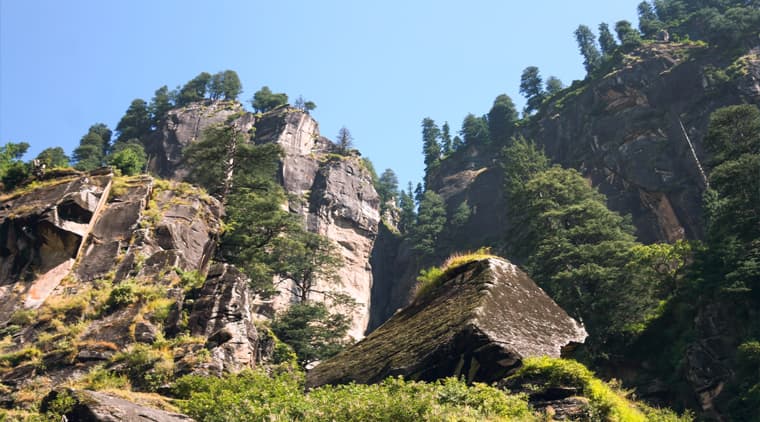
Dussehra Festival Kullu
From₹35,923* / person
Explore →EMI from ₹1,759/mo
You stay at Delhi
 7D / 6N
You stay at Delhi
 7D / 6N
Gangaur Festival Jaipur
From₹35,923* / person
Explore →EMI from ₹1,759/mo
You stay at Delhi
 6D / 5N
You stay at Delhi
 7D / 6N
Golden Triangle and Gangaur Festival Tour
● Starts Delhi
From₹35,923* / person
Explore →EMI from ₹1,759/mo
You stay at Delhi
 9D / 8N
Golden Triangle and Khajuraho Dance Festival Tour
From₹46,791* / person
Explore →EMI from ₹2,291/mo
You stay at Delhi
 9D / 8N
Golden Triangle & Khajuraho Dance Festival Tour
● Starts Delhi
From₹46,791* / person
Explore →EMI from ₹2,291/mo
You stay at Delhi
 6D / 5N
You stay at Delhi
 6D / 5N
You stay at Delhi
 5D / 4N
You stay at Delhi
 4D / 3N
You stay at Delhi
 4D / 3N
You stay at Delhi
 4D / 3N
You stay at Delhi
 8D / 7N
You stay at Delhi
 9D / 8N
You stay at Delhi
 9D / 8N
You stay at Delhi
 9D / 8N
You stay at Delhi
 9D / 8N
You stay at Delhi
 10D / 9N
You stay at Delhi
 8D / 7N
You stay at Delhi
 10D / 9N
Golden Triangle Tour With Tiger Safari
● Starts Delhi
From₹52,225* / person
Explore →EMI from ₹2,557/mo
You stay at Delhi
 7D / 6N
You stay at Delhi
 9D / 8N
You stay at Delhi
 11D / 10N
Golden Triangle Tour With Varanasi And Khajuraho
● Starts Delhi
From₹57,658* / person
Explore →EMI from ₹2,823/mo
You stay at Delhi
 7D / 6N
You stay at Delhi
 9D / 8N
Golden Triangle with Ranthambore & Bharatpur Luxury Group Tour
● Starts Delhi
From₹46,791* / person
Explore →EMI from ₹2,291/mo
You stay at Delhi
 5D / 4N
Golden Triangle with Ranthambore Tour
From₹25,056* / person
Explore →EMI from ₹1,227/mo
You stay at Delhi
 14D / 13N
You stay at Delhi
 7D / 6N
You stay at Delhi
 6D / 5N
Haridwar Rishikesh Varanasi Tour Package from Delhi
● Starts Delhi
From₹30,490* / person
Explore →EMI from ₹1,493/mo
You stay at Delhi
 12D / 11N
You stay at Delhi
 11D / 10N
You stay at Delhi
 5D / 4N
Jaipur Ajmer Pushkar Tour Packages From Delhi
● Starts Delhi
From₹25,056* / person
Explore →EMI from ₹1,227/mo
You stay at Delhi
 7D / 6N
Jaisalmer Desert Festival Tour
From₹35,923* / person
Explore →EMI from ₹1,759/mo
You stay at Delhi
 8D / 7N
You stay at Delhi
 7D / 6N
You stay at Delhi
 9D / 8N
You stay at Delhi
 3D / 2N
You stay at Delhi
 11D / 10N
You stay at Delhi
 9D / 8N
You stay at Delhi
 9D / 8N
Rajasthan Tour By Car
From₹46,791* / person
Explore →EMI from ₹2,291/mo
You stay at Delhi
 12D / 11N
You stay at Delhi
 11D / 10N
You stay at Delhi
 3D / 2N
You stay at Delhi
 4D / 3N
Ranthambore From Delhi
From₹19,622* / person
Explore →EMI from ₹961/mo
You stay at Delhi
 3D / 2N
You stay at Delhi
 3D / 2N
You stay at Delhi
 9D / 8N
Uttarakhand Holidays
From₹46,791* / person
Explore →EMI from ₹2,291/mo
You stay at Delhi
 10D / 9N
Wildlife Safari Near Delhi
From₹52,225* / person
Explore →EMI from ₹2,557/mo
You stay at Delhi
 10D / 9N
You stay at Delhi
 3D / 2N
You stay at Delhi
 10D / 9N
Golden Triangle Tour with Jim Corbett National Park
● Starts Delhi
From₹52,225* / person
Explore →EMI from ₹2,557/mo
You stay at Delhi
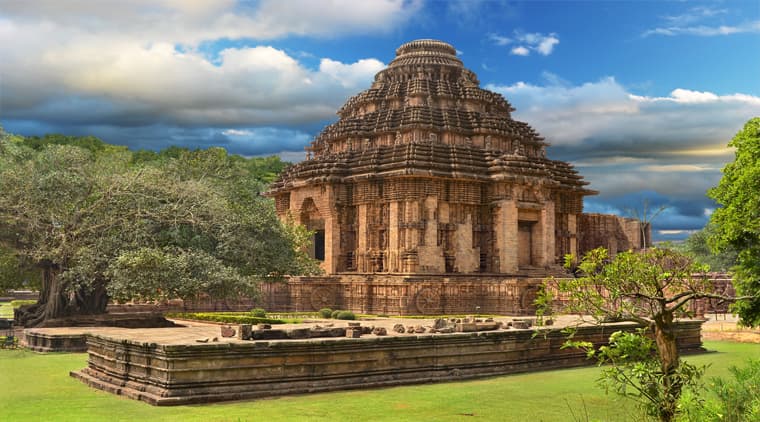 7D / 6N
Konark Dance Festival
From₹35,923* / person
Explore →EMI from ₹1,759/mo
You stay at Delhi
 8D / 7N
You stay at Delhi
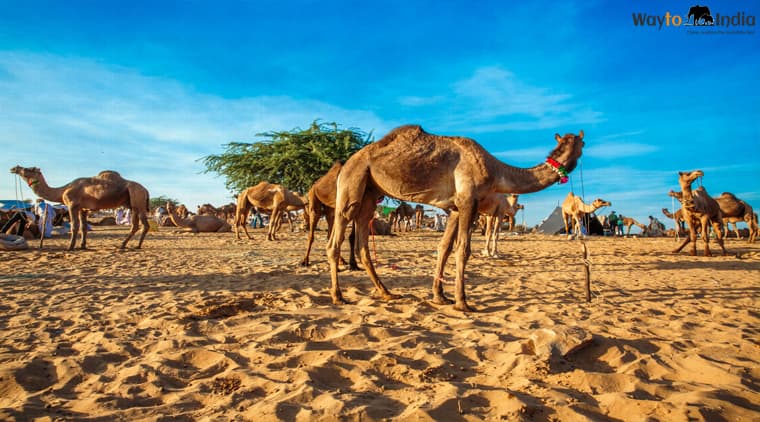 8D / 7N
Pushkar Camel Fair
From₹41,357* / person
Explore →EMI from ₹2,025/mo
You stay at Delhi