1
Yamunotri
Uttarakhand
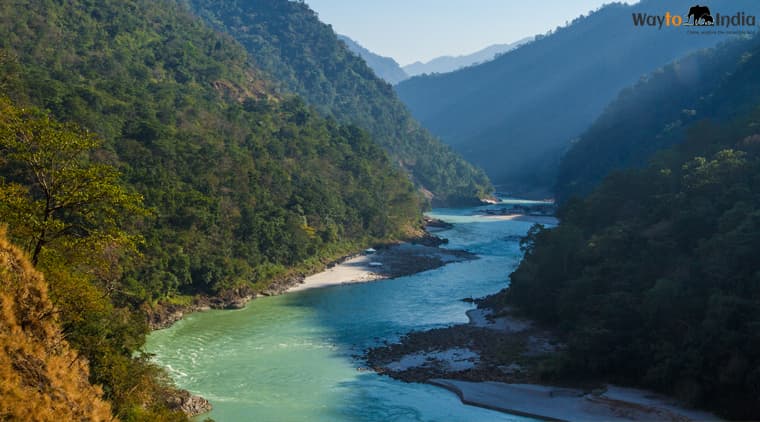
Seat of Goddess Yamuna at about 3,235 metres. Reached on foot from Janki Chatti, with the Surya Kund hot spring and the Divya Shila rock beside the shrine.
Best time: late April to June, and again September to October. Avoid peak monsoon in July and August, when landslides block the hill roads.
Overview
This is your full, honest guide to the Char Dham Yatra. We keep the facts simple and true. Where a rate or a date can change, we tell you to check the official site. Nothing here is guessed.
Char Dham means "four seats". In Uttarakhand these four seats are Yamunotri, Gangotri, Kedarnath and Badrinath. Pilgrims call this the Chota Char Dham. The name sets it apart from the bigger all India circuit of Badrinath, Dwarka, Puri and Rameswaram.
You travel in a set order. First Yamunotri, then Gangotri, then Kedarnath, and last Badrinath. This order follows old custom. It also follows the road, moving from west to east across the hills.
Each dham sits high in the Garhwal Himalayas. The shrines stay shut all winter under snow. They open again when summer comes. So the yatra runs only for about six months each year.
Yamunotri is the seat of Goddess Yamuna. The temple stands at about 3,235 metres. You reach it on foot from Janki Chatti. Near the shrine is the Surya Kund hot spring. Beside it stands a rock called Divya Shila, which pilgrims honour before darshan.
Gangotri is the seat of Goddess Ganga. The official district site puts the temple at about 3,140 to 3,200 metres. The sources differ a little on the exact height. Close by is the Bhagirath Shila. Old belief says the sage Bhagirath prayed here to bring the Ganga to earth.
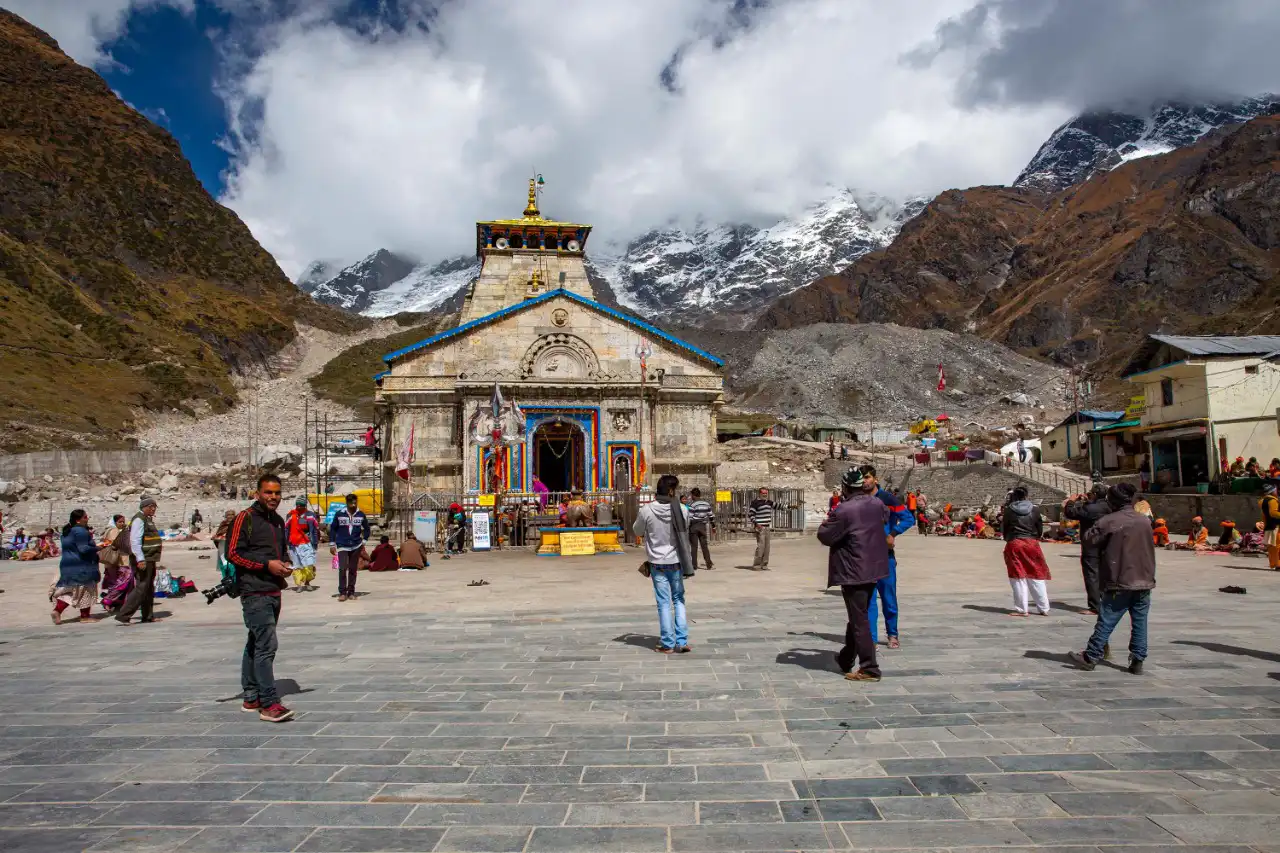
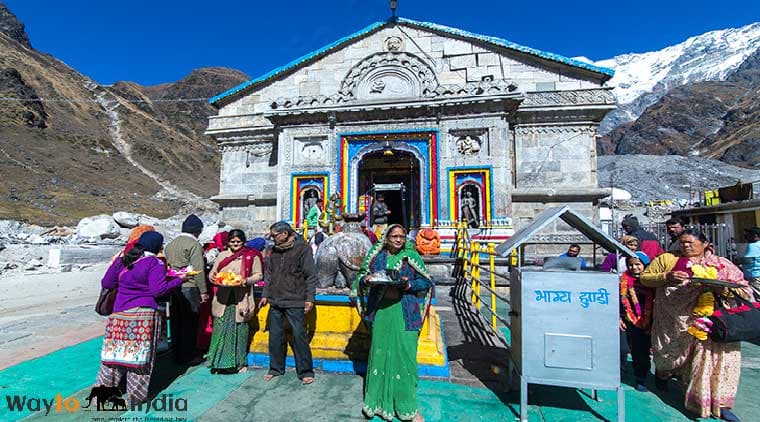
Kedarnath is one of the twelve Jyotirlingas of Lord Shiva. The temple sits very high, at about 3,580 metres. You reach it after a long uphill trek from Gaurikund. In winter the deity moves down to Ukhimath for worship.
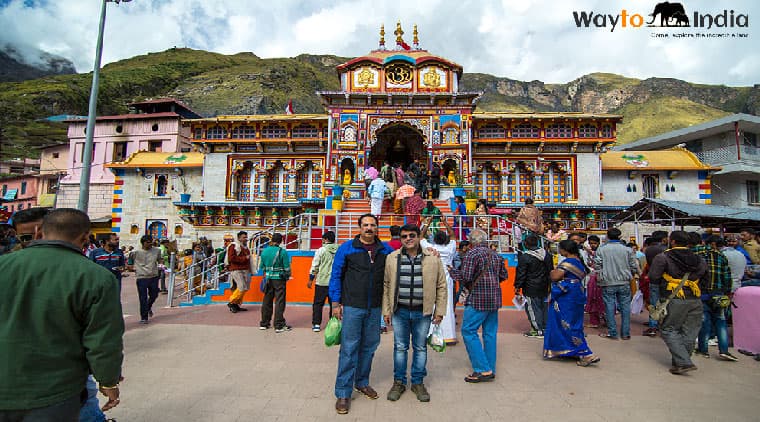
Badrinath is the seat of Lord Vishnu, here called Badrinarayan. The temple stands at about 3,100 to 3,133 metres. Just below it steams the Tapt Kund hot spring. In winter the worship shifts down to Joshimath.
Not every family has 11 days. Many pick the Do Dham instead. Do Dham means two seats. It joins only Kedarnath and Badrinath, the two most loved shrines.
A Do Dham road trip runs shorter, often about 6 to 8 days from Haridwar. You skip the long western legs to Yamunotri and Gangotri. This suits first time pilgrims and busy NRI families on a tight holiday. You still get Lord Shiva at Kedarnath and Lord Vishnu at Badrinath.
The Kedarnath trek is hard. So many pilgrims now fly. Small heli flights hop up to Kedarnath from three helipads. These are Phata, Sersi and Guptkashi. The hop takes only about 9 to 15 minutes each way. Sersi sits highest of the three.
Here is the point most agents hide. For Kedarnath the only official booking site is IRCTC HeliYatra at heliyatra.irctc.co.in. The state aviation body UCADA runs the service through IRCTC. Book only there. Do not pay any agent who claims a private quota. Seats sell out fast, so book early and check the current fare on the official site.
Full Char Dham heli tours also run by private charter over all four dhams. These are costly and weather bound. Always confirm the current rate and the flight plan with the licensed operator.
This is the rule that trips up many pilgrims. Char Dham registration is now must for everyone. You cannot get darshan without it. The only official portal is registrationandtouristcare.uk.gov.in.
You register online before you start. The state links your Aadhaar for identity, so keep it ready. Foreign passport holders register with their passport. After you register you get a Yatra pass with a QR code. Guards scan this QR at check posts and at each shrine. The service is free, so never pay a bribe for it.
There is more. Health sign up runs on a separate site, eswasthyadham.uk.gov.in. If you drive your own car, register the car at transport.uk.gov.in. Save all three before you leave home.
Kedarnath asks the most from your body. The trek from Gaurikund runs about 16 to 18 km each way. Sources differ, and one widely used figure is 17 km. The path climbs all the way up. Most walkers take about 6 to 9 hours to reach the top.
You do not have to walk. Ponies, palki chairs and porters wait at Gaurikund. A palki is a carry chair on the shoulders of four men. Porters can also carry small children in a basket. Check the current rate at the official counter, not from touts.
The air up top is thin. Kedarnath sits above 3,500 metres. Walk slow. Drink water often. Rest when your chest feels tight. If you cannot walk or ride, the heli hop is the kind way up.
The shrines follow one yearly pattern. The doors, called kapat, open around Akshaya Tritiya in late April or May. They shut again around Diwali and Bhai Dooj in October or November. Kedarnath usually closes near Kartik Purnima.
The exact day changes every year. Priests fix it by the Hindu calendar. So do not trust any fixed date you see online. Confirm the open and close date for your year on the official portal.
There are two good windows. The first is late April, May and June. The second is September and October. In these weeks the sky is often clear and the roads are open.
July and August bring the monsoon. Rain loosens the hills. Landslides and road blocks are common then. Rivers run high and angry. We do not suggest the yatra in peak monsoon. If you must travel then, keep spare days and follow every state advisory.
You are welcome at all four dhams. These Himalayan shrines admit every devotee. OCI card holders and foreign passport holders join the same yatra as everyone. You register on the same official portal, using your passport in place of Aadhaar.
Plan for the height. Many NRI elders live at sea level and feel the thin air fast. Reach Haridwar two days early to rest. Carry your foreign medicines with a doctor letter. Keep travel cover that pays for a heli rescue. Mobile signal drops in the high valleys, so tell family back home your day plan in advance.
This yatra is holy but hard. The height, the cold and the long drives test the body. Please be honest about your health.
People with heart trouble, breathing trouble or a recent surgery should ask their doctor first. Very young babies do better on the shorter Do Dham. A wheelchair cannot go up the Kedarnath trek, but a palki chair can carry a guest who cannot walk. Yamunotri also has a shorter walk with pony help. Carry your daily medicines, a warm jacket and a simple oxygen can for comfort.
Some rules keep the shrines pure and safe. Leather belts, bags and wallets are not allowed inside the temples. Leave them in the car. Alcohol and non veg food are not welcome in these holy towns. Do not fly a drone near the shrines without written state permission. Photography inside the main sanctum is usually barred, so ask before you click. Plastic litter is banned on the trek routes.
Be ready for early mornings and long hill drives. Roads twist and climb, so cars move slow. A short 100 km leg can still eat half a day. Darshan lines swell on weekends and festival days. Some days you rise before dawn to beat the crowd. This is a devotional yatra, not a rushed holiday. Go slow, chant, and let each dham fill your heart.
Best time: late April to June, and again September to October. Avoid peak monsoon in July and August, when landslides block the hill roads.
Ideal for : Hindu families, NRI and OCI pilgrims, and devotees of Lord Shiva and Lord Vishnu who want all four dhams in one trip.
Difficulty: moderate to hard
Day by day
A carefully paced plan, day by day. Tap any day for the stay, meals and altitude detail.
Today you reach Haridwar from Delhi. The drive runs about 210 to 240 km and takes roughly 5 to 6 hours. Rest in the day, as tomorrow starts early. In the evening you walk to Har Ki Pauri ghat. The Ganga Aarti here begins near sunset, so reach by early evening for a good spot. Lamps float on the river as bells ring. A lesser known point: Har Ki Pauri means "steps of the Lord", and pilgrims believe Lord Vishnu left a footprint here. Try simple Garhwal food like aloo puri for dinner. Do not step into the fast river to bathe, as the current is strong. Elders should sit on the ghat steps and avoid the crowd crush.
Special Tips for This Day: Finish your Char Dham registration on registrationandtouristcare.uk.gov.in tonight if you have not already. Keep the QR pass on your phone and on paper.
Today you drive to Barkot, the base for Yamunotri. The road covers about 210 to 220 km in roughly 7 to 8 hours. Leave right after breakfast, as the hill road is slow. You pass green ridges and the Yamuna valley. Stop for tea and stretch your legs often. A quiet fact: Barkot gives a clear view of the Bandarpunch peaks on a bright day. Try mandua roti, a local red millet bread, at a roadside dhaba. Do not throw plastic from the car, as these hills are protected. Elders should keep a light snack and water close, since meal stops are far apart.
Special Tips for This Day: Reach Barkot before dark. Mountain roads have no lights and drivers avoid night travel here for safety.
Today you visit your first dham, Yamunotri. Drive early to Janki Chatti, about 36 to 45 km and near 1.5 to 2 hours. From there you walk up about 5 to 6 km to the temple. Start the climb by early morning to avoid the midday sun. At the top, offer prayer to Goddess Yamuna. Pilgrims tie rice in a cloth and dip it in the Surya Kund hot spring, where it cooks in minutes. Honour the Divya Shila rock before darshan. Try boiled potato with local spice sold near the path. Leather bags are not allowed near the shrine. Elders can hire a pony or a palki chair at the official counter.
Special Tips for This Day: Wear good grip shoes for the wet stone path. Start down well before evening so you clear the trek in daylight.
Today you drive to Uttarkashi, the town on the Bhagirathi river. The road runs about 80 to 100 km and takes roughly 4 to 5 hours. Reach by afternoon and rest for the Gangotri day ahead. If time allows, you can visit the Vishwanath temple in town. A calm fact: Uttarkashi means "the Kashi of the north", named after holy Varanasi. Try a warm bowl of kafuli, a Garhwal spinach dish, for dinner. Do not skip warm clothes, as evenings turn cold fast here. Elders should sleep early and drink warm water to stay ready for the drive.
Special Tips for This Day: Fuel up and draw cash in Uttarkashi. ATMs and petrol pumps get rare beyond this town.
Today you visit Gangotri, the seat of Goddess Ganga. Drive up about 99 to 100 km, roughly 3.5 to 4 hours each way. Start at dawn so you return before dark. At the temple you pray to Ma Ganga beside the roaring river. Near the shrine is the Bhagirath Shila, the rock where the sage Bhagirath is said to have prayed. When the river is low you may glimpse a natural Shivling in the stream. Fill a small pot of holy Ganga water to carry home. Try hot rajma and rice at a simple mess. Bathing gear must stay modest at the ghat. Elders should skip the cold river dip and only touch the water.
Special Tips for This Day: The Gangotri road can shut for slides. Keep a spare hour and follow any state advisory before you set off.
Today you take the longest drive of the yatra. Uttarkashi to Guptkashi runs about 220 to 240 km over roughly 8 to 9 hours. Start very early and pack food for the road. You cross Tehri and long river bends on the way. Break the drive with short walks to ease your back. A small fact: Guptkashi means "hidden Kashi", and old belief ties it to Lord Shiva hiding from the Pandavas. Try a plate of Garhwali dal and rice at your halt. Do not rush the driver on the curves, as safety comes first. Elders should take a light motion sickness tablet if the bends trouble them.
Special Tips for This Day: If you plan the heli hop, your Guptkashi or Phata slot is near. Recheck your IRCTC HeliYatra booking and reporting time tonight.
Today you reach Kedarnath, the high seat of Lord Shiva. Drive to Sonprayag, then take a short shared jeep to Gaurikund, about 5 km. From Gaurikund the trek climbs about 16 to 18 km and takes roughly 6 to 9 hours. Start at first light to reach before evening. If you booked the heli, the hop from Phata or Sersi takes only about 9 to 15 minutes. Kedarnath sits above 3,500 metres, so the air is thin. A moving fact: the temple stood firm through the 2013 floods, which many call a miracle. Try hot khichdi at the top. Do not push your pace on the climb. Elders should ride a pony or palki, or choose the heli.
Special Tips for This Day: Carry a warm jacket, a raincoat and a torch. Weather turns in minutes here, and nights at Kedarnath are very cold.
Today you take darshan of Kedarnath at dawn. Reach the temple line very early, as morning darshan is calmer. Offer your prayer to the Jyotirlinga of Lord Shiva. After darshan you begin the long walk or ride down to Gaurikund. Then drive back to Guptkashi to rest. The descent still takes several hours, so go slow on tired knees. A quiet fact: in winter the Kedarnath deity is worshipped down at Ukhimath for six months. Try a warm glass of milk and light food after the trek. Do not carry leather items into the sanctum. Elders should use trekking poles and rest often on the way down.
Special Tips for This Day: Book a pony for the downhill too. Going down is harder on the knees than most pilgrims expect.
Today you drive to Badrinath, the seat of Lord Vishnu. The road runs about 190 to 215 km over roughly 8 to 9 hours, past Joshimath. Start early and enjoy the Alaknanda river views. The colourful temple front comes into sight as you near the town. A useful fact: just below the temple steams the Tapt Kund, a hot sulphur spring where pilgrims bathe before darshan. Try the temple prasad of chana and dry fruit. Do not enter the temple in shorts, as modest dress is asked. Elders should test the hot spring water first, as it stays very warm all year.
Special Tips for This Day: Reach Badrinath by evening and sleep well. The morning darshan line moves faster than the busy afternoon one.
Today you take darshan of Badrinarayan in the early morning. Reach the temple before the day crowd builds. After your prayer, bathe or dip your feet in the warm Tapt Kund. Then drive about 3 km to Mana, once called the last village of India and now named the first village of India. Here you can see the Vyas Gufa cave and the Bhim Pul rock over the Saraswati river. A special fact: old belief says the sage Ved Vyas composed the Vedas in this very cave. Try a hot cup of local herbal tea in Mana. Do not litter near the Saraswati stream. Elders can stay in the car near Mana, as the paths are uneven.
Special Tips for This Day: Mana is very high and the wind is cold even in summer. Carry a windcheater and walk slowly to save your breath.
Today you begin the long drive home to Rishikesh or Haridwar. The road covers about 290 to 300 km and takes roughly 10 to 11 hours. Leave at dawn, as this is a full day on the wheels. You follow the Alaknanda and then the Ganga down the hills. If time allows in Rishikesh, you can see the Ram Jhula and Lakshman Jhula bridges. A last fact: Rishikesh is called the yoga capital, and many ashrams line the river here. Try a simple sattvic thali before you part. Do not plan a same day flight from Delhi, as hill delays are common. Elders will feel tired, so keep the evening free to rest.
Special Tips for This Day: Book your onward Delhi flight for the next day, not tonight. Landslides and slow traffic often push the return by hours.
Travel tips
Yamunotri, Gangotri, Kedarnath and Badrinath in one holy trip. Honest logistics, the official registration and heli booking, plus a shorter Do Dham plan for busy families.
You cannot get darshan without it. Register free on the official state portal before you start, and keep the QR pass ready.
Guards scan your QR pass at check posts and at each shrine. Save all your passes before you leave home, as signal is weak in the high valleys.
For Kedarnath the heli saves the hard trek. Use the official IRCTC site only, and book early.
Heli flights stop in rain and low cloud. Keep a spare day, and be ready to walk or ride if your slot is cancelled.
The climb from Gaurikund is long and steep. Know your options before you start.
Book a pony for the downhill too, as going down is hard on the knees. A guest who cannot walk can ride a palki chair, or take the heli hop.
Two clear windows work best. Peak monsoon is risky in these hills.
Peak monsoon loosens the hills. Landslides and road blocks are common, and rivers run high. If you must travel then, keep spare days and follow every state advisory.
All four dhams welcome every devotee. Plan for the height and carry the right papers.
Mobile signal drops in the high valleys. Share your day by day plan with family back home before you lose the network.
From Yamuna to Ganga, from Shiva to Vishnu, the hills hold you in one long bow.
You came for darshan and you leave lighter. Keep a small pot of Ganga water and the temple prasad. Tell your children the tale of each dham, so the yatra lives on long after the road ends.
What's included
What travellers say
“Had a wonderful experience with way to india for my badrinath kedarnath yatra.everything was well organized-from travel accommodation to food. A special thanks to Ms. Neha who managed everything so beautifully n was extremely supportive n cooperative throughout the journey. They took great care of us n darshan was done very smoothly.”a week ago · Google
“A big thanks to Way To India for organising such a truly memorable and spiritually fulfilling experience during our 12 Jyotirlinga Darshan pilgrimage from 1st May to 18th May. They organized the entire journey exceptionally well, ensuring that every aspect of the trip was smooth, comfortable, and hassle-free. From transportation and hotel arrangements to darshan planning and coordination, everything was managed professionally. Despite the extensive travel across multiple destinations, the itinerary was well-structured, allowing us to complete all the Jyotirlinga darshans comfortably. Thanks to staff of Way To India, especially, Ms Neha, who was supportive, responsive, and attentive throughout the journey, always ready to assist whenever needed. Her dedication and careful planning made this sacred pilgrimage stress-free and enjoyable. I sincerely appreciate their excellent service, commitment, and hospitality. Highly recommend Way To India to anyone planning a spiritual tour, especially for the 12 Jyotirlinga Yatra. Thank you for making this divine journey so special and memorable.”4 months ago · Google
“We have successfully completed the 12 Jyotirlinga Yatra, with Waytoindia and it was a truly blessed and unforgettable journey. Every aspect of the tour was well planned and professionally organized, from transportation and accommodations to temple visits and sightseeing. Visiting all twelve sacred Jyotirlingas was a deeply spiritual experience. The itinerary was designed efficiently, allowing us to have darshan at each shrine comfortably while enjoying the cultural and religious significance of every destination. We sincerely appreciate the excellent support and coordination throughout the trip. The team was always available to assist, ensuring a smooth and stress-free pilgrimage. Thank you Waytoindia for making our dream of completing the 12 Jyotirlinga Yatra a reality. We highly recommend this tour to anyone seeking a well-organized and spiritually enriching pilgrimage experience. Har Har Mahadev! 🙏🕉️”4 months ago · Google
Travelled with Way to India?
Share your experience on Google — it takes a minute and helps fellow travellers plan with confidence.
You may also like
 11D / 10N 5
 8D / 7N
 12D / 11N
 5D / 4N
 4D / 3N
Tell us your dates and group size. A WayToIndia travel expert replies within a few hours with a plan you can customise freely. Planning India journeys since 2010.
Explore Way to India
© 2026 Way to India. All rights reserved.