01
Red Fort
Old Delhi
Shah Jahan's palace fort, now open every day
October to March. October, November, February and March are the most pleasant. December and January are cold and foggy. Air quality is often very poor from late October to January. April to June is very hot, and July to mid-September brings the monsoon.
Overview
This is a 2 nights and 3 days Delhi tour package. It starts and ends at Delhi airport. You stay two nights near Connaught Place, in the centre of New Delhi, so every drive is short.
In three days you see the best of both Delhis. Old Delhi gives you the Red Fort, Jama Masjid, Chandni Chowk and Gurudwara Sis Ganj Sahib. New Delhi gives you India Gate, Kartavya Path, the National War Memorial and Rashtrapati Bhavan. You also see all three UNESCO World Heritage Sites of the city: the Red Fort, Humayun's Tomb and the Qutub Minar.
For darshan, you visit Swaminarayan Akshardham, the Laxminarayan Temple (Birla Mandir), ISKCON, Gurudwara Bangla Sahib and the Lotus Temple. If you want a slower city day with a guide, see our Delhi sightseeing tour.
This one question spoils more Delhi trips than any other. Many places in Delhi close on one day of the week. Most package pages never tell you this.
So the best plan is simple. Arrive on any day from Monday to Friday. Then Day 2 and Day 3 never fall on a Monday, and Old Delhi never falls on a Sunday. If you must arrive on a Saturday or Sunday, tell us. We will swap the days around for you.
One more closure to know. In 2026 the Red Fort was closed to the public from 15 July to 15 August, to prepare for Independence Day. The ASI says it closes like this every year before Independence Day. If you travel in late July or early August, ask us first.
Most families fly into Indira Gandhi International Airport. Our driver meets you at the arrival gate. From Terminal 3 to central Delhi is about 18 to 20 km. It takes about 45 minutes, or up to 1.5 hours at rush hour.
If you come by train, we pick you up at your Delhi station. You stay near Connaught Place. From here, India Gate, Bangla Sahib and Birla Mandir are only a short drive away.
For NRI and OCI families, we suggest this. If your flight lands at night, keep Day 1 very light. Sleep first. Delhi traffic and a long flight do not mix well.
Shah Jahan built the Red Fort in the 17th century, as the palace fort of his new capital, Shahjahanabad. You enter by the Lahori Gate and walk through Chhatta Chowk, an old covered bazaar. Inside you see the Diwan-i-Aam, where the emperor met common people, and the Diwan-i-Khas of white marble. Four museums in old army barracks, together called Kranti Mandir, opened in 2019. One tells the story of 1857, and one is about Netaji Subhas Chandra Bose and the INA.
Jama Masjid is a short walk away. Shah Jahan built it between 1650 and 1656. Its courtyard holds about 25,000 people. Delhi Tourism says Indian visitors may enter from 11 am till sunset. Incredible India shows a break from 12 noon to 1:30 pm. You can hire a robe at the northern gate.
Then you take a cycle rickshaw through Chandni Chowk. Princess Jahanara Begum, Shah Jahan's daughter, laid out this market in 1650. You stop at Gurudwara Sis Ganj Sahib, where Guru Tegh Bahadur, the ninth Sikh Guru, was beheaded in 1675 on the orders of Aurangzeb. In 2025, Delhi marked 350 years of his martyrdom.
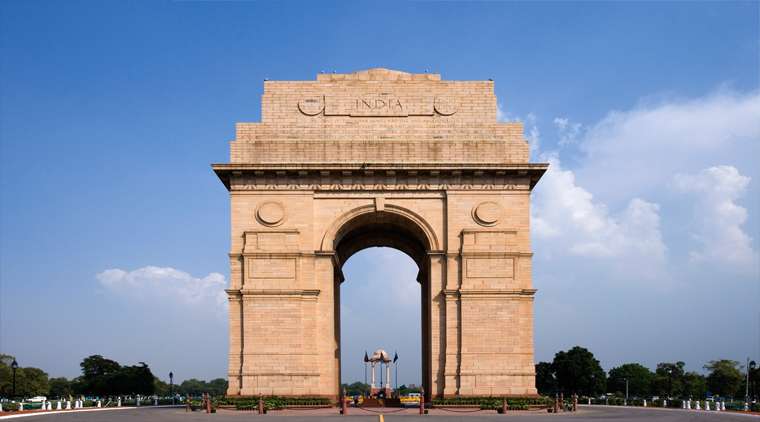
India Gate is a 42 m war memorial designed by Edwin Lutyens. It honours about 70,000 Indian soldiers who died in the First World War and the Third Anglo-Afghan War. Under the canopy near it stands a 28-foot statue of Netaji, unveiled on 8 September 2022. On the same day, Rajpath became Kartavya Path.
Next to India Gate is the National War Memorial, opened on 25 February 2019. On 21 January 2022, the Amar Jawan Jyoti flame from India Gate was merged with the flame here. The memorial is open from 9 am to 7:30 pm from November to March, and till 8:30 pm from April to October.
Rashtrapati Bhavan is the home of the President of India. You can visit it only with an online booking on the official portal, visit.rashtrapatibhavan.gov.in. Bookings open up to 7 days ahead. Visits run from Tuesday to Sunday. Every Indian visitor must carry a valid photo ID. Public visits also stop for about a week before Republic Day (21 to 29 January in 2026). The Change of Guard ceremony takes place on Saturday mornings, and the Amrit Udyan opens only during the Udyan Utsav, in February and March and again in August and September.
If the slots are full on your dates, we take you to the Pradhanmantri Sangrahalaya at Teen Murti instead. It opened in April 2022 and tells the story of every Prime Minister of India. It is closed on Mondays.
Delhi has three UNESCO sites, and this tour covers all three.
Akshardham has strict rules. Families who do not know them lose an hour at the gate.
You can buy ASI tickets online for the Red Fort, Humayun's Tomb and the Qutub Minar. Since January 2026, ASI tickets for more than 170 monuments are also sold through ONDC apps. Online tickets cost a little less than cash tickets at the counter. Please confirm the current rate on the official site.
Our car takes you everywhere on this tour. But the Delhi Metro is clean and fast, and many NRI families enjoy one ride. Useful stations: Lal Qila (Violet Line) for the Red Fort, Chandni Chowk (Yellow Line) for the old market, Chawri Bazaar for Jama Masjid, Akshardham for Akshardham, Jangpura (Violet Line) for Humayun's Tomb, Central Secretariat for India Gate and Kalkaji Mandir for the Lotus Temple.
Connaught Place station is called Rajiv Chowk. The first coach of each train is for women. Expect a security check at every station, and long queues at rush hour.
The best months are October and November, and February and March. Days are mild, about 15 to 25 degrees Celsius. December and January are cold, with thick fog in the mornings, so flights and trains can run late.
April to June is very hot, and the temperature can reach about 45 degrees Celsius. The monsoon runs from July to mid-September.
Here is the honest warning that most pages skip. From late October to January, Delhi's air quality is often very poor, and on some days severe. In November 2025 it stayed in the very poor to severe range. On such days the government applies GRAP, a set of anti-pollution rules. At higher stages, old BS-III petrol and BS-IV diesel cars cannot run in Delhi, and some older buses are stopped. These rules were revised again in September 2026. Our cars follow these rules, but elders and anyone with asthma should carry N95 masks and ask their doctor before travel.
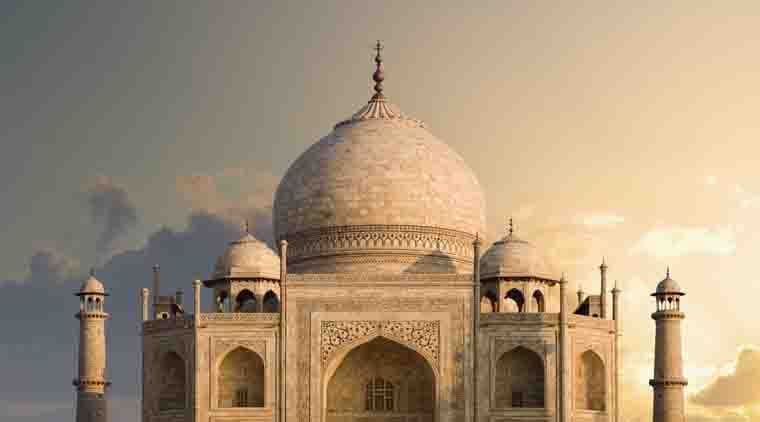
Many families add one day for the Taj Mahal. By road, Agra is about 220 to 230 km from central Delhi, about 3.5 to 4.5 hours each way on the 165.5 km Yamuna Expressway. The Taj Mahal opens 30 minutes before sunrise and is closed on Fridays.
You can also take a fast train. The Gatimaan Express runs from Hazrat Nizamuddin to Agra Cantt. When it started in 2016, it took about 100 minutes. Check the current timings on IRCTC before you book.
Choose what suits you. Our same day Agra tour by car fits into one long day. The Delhi Agra tour package for 2 days gives you a night in Agra. For Lord Krishna's land, see the Agra Mathura Vrindavan tour from Delhi. If you have a week, the Golden Triangle tour adds Agra and Jaipur.
Yes. This is an easy tour. There are no steep climbs. But you walk a lot, often on stone floors and uneven lanes.
Elders should wear soft shoes with a good grip and carry socks for the temples and gurudwaras. Keep the Chandni Chowk part short, by rickshaw. Rest in the car between stops. In the hot months, see the open monuments early in the morning.
October to March. October, November, February and March are the most pleasant. December and January are cold and foggy. Air quality is often very poor from late October to January. April to June is very hot, and July to mid-September brings the monsoon.
First-time visitors to Delhi, families with children and elders, NRI and OCI families on a short India trip, school-age children learning history, and devotees who want Akshardham, Birla Mandir, ISKCON and the gurudwaras in one trip.
Easy
Day by day
A carefully paced plan, day by day. Tap any day for the stay, meals and altitude detail.
Today you arrive in Delhi. Our driver meets you at the airport or the railway station and takes you to your hotel near Connaught Place. Check in, have a wash and rest for a while.
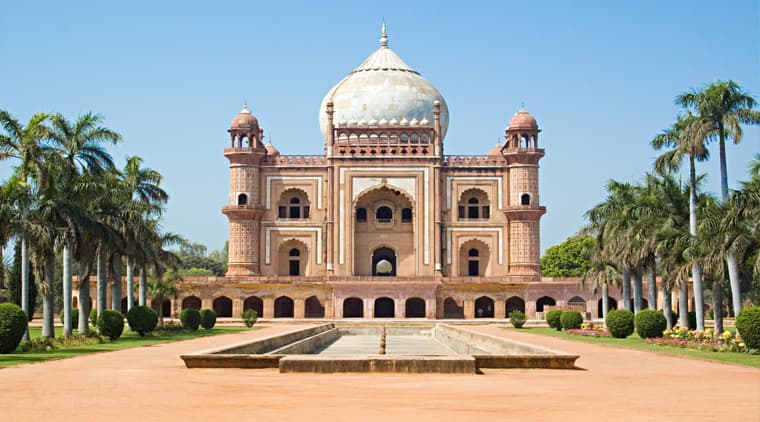
In the afternoon, drive to Humayun's Tomb in Nizamuddin. Bega Begum, the wife of Emperor Humayun, paid for this tomb. It was built in the 1560s and finished around 1570. Walk slowly through the charbagh, the garden cut into four parts by water channels. Look at the double dome, about 42.5 m high. The Taj Mahal came about 80 years later, and you can see where its idea began.
Towards evening, go to India Gate. Walk along Kartavya Path, the old Rajpath. See the 28-foot statue of Netaji under the canopy. Then walk to the National War Memorial next door. The Amar Jawan Jyoti burns here now. Read a few names of our soldiers on the walls. It is a quiet, moving place.
End the day at Gurudwara Bangla Sahib, near Connaught Place. It is open day and night. Cover your head, wash your feet, and sit by the sarovar for a few minutes. If you wish, eat in the langar, the free community kitchen, sitting on the floor with everyone else. Take kada prasad on the way out.
Special Tips for This Day: Carry socks and a scarf or handkerchief for the gurudwara. The marble floor at Bangla Sahib gets cold in winter evenings. Elders can see Humayun's Tomb from the garden paths without climbing the high platform steps. For photos, stand at the main gate of Humayun's Tomb in the soft light before sunset. Keep your ASI ticket on your phone, as you will need the ASI website again tomorrow.
Today is your Old Delhi day. Start early. Drive to the Red Fort after breakfast, about 7 to 8 km from Connaught Place. Enter by the Lahori Gate. Every Independence Day, the Prime Minister speaks to the nation from the ramparts of this fort. Walk through Chhatta Chowk, then see the Diwan-i-Aam and the white marble Diwan-i-Khas. If the children like history, spend time in the museum on Netaji and the INA.
Next, see Jama Masjid. Indian visitors can usually enter from 11 am. There is a break from 12 noon to 1:30 pm, and the mosque is full for prayers on Friday afternoon, so go before noon. Dress modestly. You can hire a robe at the northern gate. Ignore anyone who offers to be your guide and then asks for money.
Now take a cycle rickshaw into Chandni Chowk. Stop at Gurudwara Sis Ganj Sahib. Here Guru Tegh Bahadur gave his life in 1675, and Sikhs call him Hind Di Chadar, the shield of India. Cover your head and spend a few quiet minutes inside.
For lunch, walk into Paranthe Wali Gali. Pt Gaya Prasad Shiv Charan has been frying paranthas here since 1872. They are fried in pure ghee in iron pans and come with aloo sabzi, mint chutney, a sweet banana and tamarind chutney and pickle. Try aloo or gobhi first. Then eat dahi bhalla at Natraj Dahi Bhalla, at Bhai Mati Das Chowk near the Chandni Chowk metro turning. For something sweet, the Old Famous Jalebi Wala, running since 1884, stands just before Dariba Kalan. Ask for rabri on your hot jalebi.
In the afternoon, drive about 3 km to Raj Ghat. Gandhiji's last rites were held here on 31 January 1948. A plain black marble platform and an eternal flame mark the spot. Remove your shoes and walk up slowly.
Late in the afternoon, drive about 7 km to Swaminarayan Akshardham. Leave every phone and camera in the car. Take darshan of Bhagwan Swaminarayan in the mandir. If you are not tired, buy tickets for the exhibitions, and stay for the Sahaj Anand water show after sunset.
Special Tips for This Day: Start by 8 am, because Old Delhi traffic gets heavy by noon. Wear shoes you can slip off easily, as you remove them at Sis Ganj, Jama Masjid, Raj Ghat and Akshardham. Do not plan this day on a Sunday (shops shut) or a Monday (Akshardham shut). Elders should stay on the rickshaw in Chandni Chowk and walk only into Paranthe Wali Gali. Eat light at lunch if you want Akshardham to be comfortable. Your phone stays in the car at Akshardham, so fix a meeting point with your driver before you go in.
Today you see New Delhi and South Delhi, and fly home in the night. Check out after breakfast and keep your bags in the car.
Start with Rashtrapati Bhavan, if we have booked your slot on the official portal. Carry the same photo ID you used to book. If the slots were full, we go to the Pradhanmantri Sangrahalaya at Teen Murti instead.
Next, take darshan at the Laxminarayan Temple, called Birla Mandir, on Mandir Marg. It is open till 1:30 pm, then opens again from 2:30 pm. Phones and cameras are not allowed inside the temple.
Drive about 14 km south to the Qutub Minar. Stand at its foot and look up. It rises 72.5 m in five storeys of red and buff sandstone. Near it stands the Iron Pillar, with a Brahmi inscription from the 4th century. It names a king called Chandra and says the pillar was set up as a standard of Lord Vishnu. You also see the Alai Darwaza gate, built in 1311.
In the afternoon, go to the Lotus Temple. Its 27 petals are clad in white marble. Sit inside in silence for a few minutes. Then drive about 3 km to ISKCON, which opens again at 4 pm. Take darshan of Sri Sri Radha Parthasarathi and see the giant Bhagavad Gita.
End your trip at Dilli Haat in INA, open till 9 pm. Craft stalls from different states change from time to time. The food stalls serve dishes from many states, so have an early dinner here. Then our driver takes you to the airport, about 18 km away.
Special Tips for This Day: Keep 3 to 4 hours between your last stop and an international flight, because evening traffic to the airport can be slow. Do not plan this day on a Monday: Rashtrapati Bhavan, the Lotus Temple and the Pradhanmantri Sangrahalaya are closed. Carry photo ID for Rashtrapati Bhavan. At the Qutub complex, elders can rest on the lawns in the shade. ISKCON closes between 1 pm and 4 pm, so go there last.
Travel tips
On this trip you walk the Red Fort, eat paranthas in Chandni Chowk, bow your head at Sis Ganj and Bangla Sahib, take darshan at Akshardham, and see all three UNESCO sites of Delhi. Here is everything you should know before you go, and while you travel.
Arrive on any day from Monday to Friday. Then your temple day never falls on a Monday, and Old Delhi never falls on a Sunday.
In 2026 the Red Fort was closed to the public from 15 July to 15 August, to prepare for Independence Day. The ASI says it closes like this every year. If you travel in late July or early August, please ask us first.
No phones, cameras or electronic items inside. There is a free cloakroom. Akshardham is closed on Mondays.
The Sahaj Anand water show runs after sunset and lasts about 24 minutes. Reach Akshardham by 4 pm so that you see the mandir in daylight first.
Book on the official portal, visit.rashtrapatibhavan.gov.in, up to 7 days ahead. Visits run from Tuesday to Sunday.
We take you to the Pradhanmantri Sangrahalaya at Teen Murti instead. It opened in April 2022 and tells the story of every Prime Minister of India. It is closed on Mondays.
The best months are October, November, February and March. From late October to January, air quality is often very poor.
In November 2025 Delhi's air stayed in the very poor to severe range. On such days the government applies GRAP rules, and at higher stages old BS-III petrol and BS-IV diesel cars cannot run. The rules were revised in September 2026. Elders and anyone with asthma should carry N95 masks and ask their doctor before travel.
Buy ASI tickets online for the Red Fort, Humayun's Tomb and the Qutub Minar. Online tickets cost a little less than cash at the counter.
Lal Qila (Violet Line) for the Red Fort, Chandni Chowk (Yellow Line) for the old market, and Chawri Bazaar for Jama Masjid.
Central Secretariat for India Gate, RK Ashram Marg for Birla Mandir, and Rajiv Chowk, which is Connaught Place.
Jangpura (Violet Line) for Humayun's Tomb, Kalkaji Mandir for the Lotus Temple, and Akshardham station for Akshardham.
Since January 2026, ASI tickets for more than 170 monuments are also sold through ONDC apps. Our car covers every stop on this tour, but one Metro ride is a nice way to see how Delhi moves.
Eat paranthas at Pt Gaya Prasad Shiv Charan (since 1872), dahi bhalla at Natraj, and jalebi at the Old Famous Jalebi Wala (since 1884).
Delhi Tourism itself warns that many 'antiques' in Chhatta Chowk are of doubtful age. Fix rickshaw fares before you sit, use only the official prepaid taxi booth at the airport, and ignore strangers who offer to guide you at Jama Masjid.
Agra is about 220 to 230 km from central Delhi, about 3.5 to 4.5 hours each way by road. The Taj Mahal is closed on Fridays.
Om Namo Narayanaya
When the Laxminarayan Temple was ready in 1939, Mahatma Gandhi agreed to open it on one condition: people of every caste must be allowed to enter. Every devotee is welcome here today. When you take darshan of Lord Narayan and Goddess Lakshmi on your last morning, remember that this temple was opened for all of India, and you carry that thought home.
What's included
What travellers say
“Had a wonderful experience with way to india for my badrinath kedarnath yatra.everything was well organized-from travel accommodation to food. A special thanks to Ms. Neha who managed everything so beautifully n was extremely supportive n cooperative throughout the journey. They took great care of us n darshan was done very smoothly.”3 weeks ago · Google
“A big thanks to Way To India for organising such a truly memorable and spiritually fulfilling experience during our 12 Jyotirlinga Darshan pilgrimage from 1st May to 18th May. They organized the entire journey exceptionally well, ensuring that every aspect of the trip was smooth, comfortable, and hassle-free. From transportation and hotel arrangements to darshan planning and coordination, everything was managed professionally. Despite the extensive travel across multiple destinations, the itinerary was well-structured, allowing us to complete all the Jyotirlinga darshans comfortably. Thanks to staff of Way To India, especially, Ms Neha, who was supportive, responsive, and attentive throughout the journey, always ready to assist whenever needed. Her dedication and careful planning made this sacred pilgrimage stress-free and enjoyable. I sincerely appreciate their excellent service, commitment, and hospitality. Highly recommend Way To India to anyone planning a spiritual tour, especially for the 12 Jyotirlinga Yatra. Thank you for making this divine journey so special and memorable.”4 months ago · Google
“We have successfully completed the 12 Jyotirlinga Yatra, with Waytoindia and it was a truly blessed and unforgettable journey. Every aspect of the tour was well planned and professionally organized, from transportation and accommodations to temple visits and sightseeing. Visiting all twelve sacred Jyotirlingas was a deeply spiritual experience. The itinerary was designed efficiently, allowing us to have darshan at each shrine comfortably while enjoying the cultural and religious significance of every destination. We sincerely appreciate the excellent support and coordination throughout the trip. The team was always available to assist, ensuring a smooth and stress-free pilgrimage. Thank you Waytoindia for making our dream of completing the 12 Jyotirlinga Yatra a reality. We highly recommend this tour to anyone seeking a well-organized and spiritually enriching pilgrimage experience. Har Har Mahadev! 🙏🕉️”5 months ago · Google
Travelled with Way to India?
Share your experience on Google — it takes a minute and helps fellow travellers plan with confidence.
FAQ
Three days are enough to see the main sights of Delhi at a calm pace. In 2 nights and 3 days you can cover Old Delhi, New Delhi, the three UNESCO sites and the big temples. Add one more day if you want to see the Taj Mahal in Agra.
No, not any more. The Red Fort used to close on Mondays. By an order of 13 February 2026, the Archaeological Survey of India opened it on all seven days of the week. It can still close for special events, such as the weeks before Independence Day.
Akshardham, Rashtrapati Bhavan and the Pradhanmantri Sangrahalaya are closed on Mondays. The Lotus Temple is closed on Mondays too. The Red Fort, Humayun's Tomb, the Qutub Minar, India Gate and the gurudwaras are open. So do not keep your temple and museum day on a Monday.
No. Mobile phones, cameras, pen drives and all electronic items are not allowed inside Akshardham. You can leave them in the free cloakroom or in your car. Luggage, food and drinks are not allowed either. Akshardham is closed on Mondays.
Book online on the official portal, visit.rashtrapatibhavan.gov.in. Bookings open up to 7 days in advance, and visits run from Tuesday to Sunday. Every Indian visitor must carry a valid photo ID. Foreign visitors need their passport. The building is closed on Mondays and gazetted holidays.
October to March is the best time. October, November, February and March are the most pleasant. December and January are cold and foggy. From late October to January, air quality is often very poor, so elders and people with asthma should carry N95 masks. April to June is very hot.
Delhi has three UNESCO World Heritage Sites: Humayun's Tomb (listed in 1993), the Qutub Minar and its monuments (1993), and the Red Fort Complex (2007). This tour covers all three.
No. Visitors cannot climb the Qutub Minar today. You can walk around its base and see the Iron Pillar and the Alai Darwaza in the same complex.
Eat paranthas in Paranthe Wali Gali, where Pt Gaya Prasad Shiv Charan has run since 1872. Try dahi bhalla at Natraj Dahi Bhalla and hot jalebi with rabri at the Old Famous Jalebi Wala, running since 1884. All three are in Chandni Chowk. Go before evening, as the lanes get very crowded.
Yes. Agra is about 220 to 230 km from central Delhi by road, about 3.5 to 4.5 hours each way on the Yamuna Expressway. You can also take a fast train from Hazrat Nizamuddin. The Taj Mahal is closed on Fridays, so plan the Agra day on another day.
Yes, Delhi is a common family trip, and this tour is easy. Use only official prepaid taxi booths at the airport, ignore people who offer to guide you at monuments, and fix rickshaw fares first. Keep cash in a zipped pocket in crowded Chandni Chowk. Elders should wear soft shoes with a good grip.
Start this 3-day tour on any day from Monday to Friday. Then your temple and museum days do not fall on a Monday, and your Old Delhi day does not fall on a Sunday, when most Chandni Chowk shops are shut.
Before you book
You may also like
Tell us your dates and group size. A WayToIndia travel expert replies within a few hours with a plan you can customise freely. Planning India journeys since 2010.
Explore Way to India
© 2026 Way to India. All rights reserved.