 16D / 15N
 All World Heritage Sites
UNESCO World Heritage · Natural · inscribed 1988
Nanda Devi and Valley of Flowers National Parks
High in the Garhwal Himalaya of Uttarakhand lie two national parks that share one World Heritage title. The Valley of Flowers is a soft, open valley that fills with alpine flowers in the short summer, reached by a beautiful trek. Nanda Devi National Park, guarding India's second highest mountain, is a wilderness kept strictly closed to visitors. Together they are protected as one of the most precious natural sites in the country.
The story of this place
This World Heritage Site is made of two national parks. Nanda Devi National Park was inscribed by UNESCO in 1988. In 2005 the boundary was changed to add the Valley of Flowers National Park, and the two together now form one property under the criteria for natural beauty and for biodiversity.
Nanda Devi National Park is dominated by the peak of Nanda Devi, at 7,817 metres the second highest mountain in India. It is approached through the Rishi Ganga gorge, one of the deepest in the world. The Valley of Flowers, with its gentler slopes and open flower meadows, complements this rugged, remote mountain wilderness. Both parks sit in a transition zone between the Zanskar and the Great Himalaya ranges, which is one reason so many different plants grow here.
For Hindu travellers this land carries deep meaning. Nanda Devi is worshipped as a form of the Goddess, and the whole region is honoured in old tradition long before botanists and mountaineers began to praise it. The Valley of Flowers itself has been loved in local belief for generations, and gained wider fame after the mountaineer Frank Smythe wrote about it in the 1930s.
What you will see
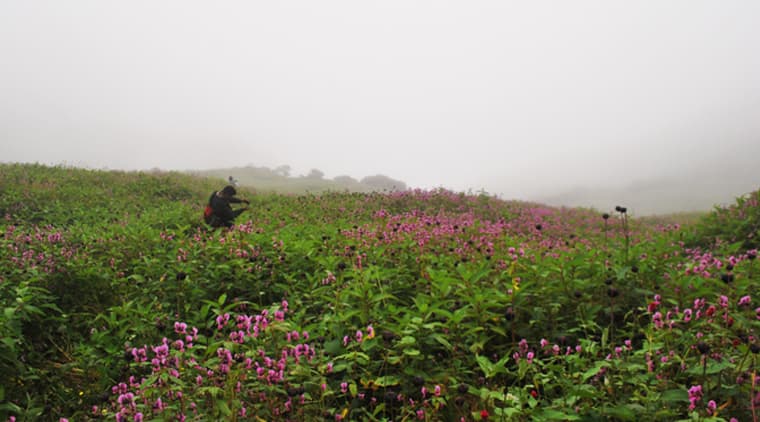
The Valley of Flowers is the part that welcomes visitors, and it is a gentle wonder. In the short summer, after the snow melts and the monsoon arrives, the valley floor turns into a carpet of alpine flowers of many colours. Among them grow the blue poppy and the sacred Brahma Kamal, flowers that Himalayan travellers hold dear. A clear stream runs through the valley, and snow peaks rise all around.
The wider area is home to rare and shy animals, including the snow leopard, the Himalayan musk deer and the blue sheep, though these live deep in the wilderness and are almost never seen by ordinary visitors. What you will surely enjoy is the walk itself, the clean mountain air, the birds, and the ever changing view of peaks and clouds.
Please remember that the Valley of Flowers is a day visit only. You are not allowed to stay overnight, camp, or pick any flowers inside the valley. You walk in during the day and return to Ghangaria by evening.
The trek and honest access
The road reaches Govindghat. From there the walk to Ghangaria, the base village, is about 13 km, on a well made pilgrim path. Ghangaria sits at about 3,050 metres. Ponies and porters are available, and part of the route can be covered by a shorter pony or shared vehicle stretch that changes from year to year, so check the current arrangement locally. From Ghangaria, the Valley of Flowers is a further walk of about 4 km each way, which you do as a day trip.
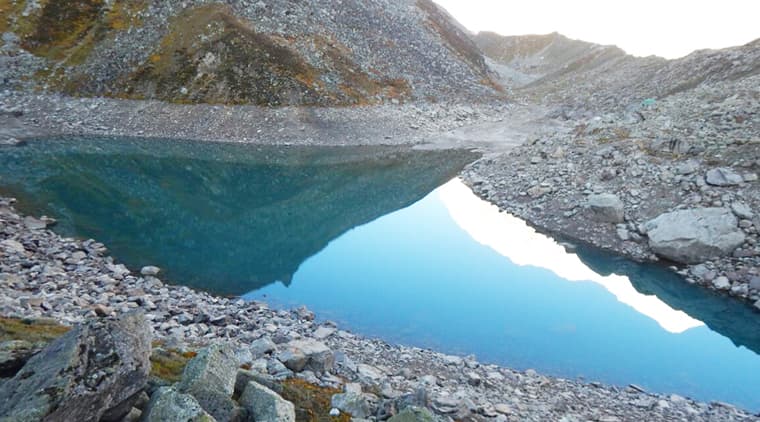
This same base at Ghangaria is the start of the trek to Hemkund Sahib, the holy Sikh Gurudwara that sits at about 4,329 metres beside a glacial lake, ringed by seven peaks. Many travellers do both: the Valley of Flowers on one day and Hemkund Sahib on another. This is why the region draws both nature lovers and pilgrims.
Now the honest part about Nanda Devi. The inner sanctuary of Nanda Devi National Park is closed to visitors. Mountaineering and adventure activities inside the park have been banned since 1983, because of damage caused in earlier years, and the area is kept as an untouched wilderness for science and conservation. So when we speak of visiting, we mean the Valley of Flowers and its trek, not the Nanda Devi sanctuary, which you cannot enter.
Best time to visit
The Valley of Flowers is open for only a few months each year, and the exact dates are set by the forest authorities. It usually opens around the start of June and closes at the end of October. Please confirm the current year's opening and closing dates before you plan.
The flowers do not bloom the whole season. The valley is at its most beautiful when the flowers are at their peak, which is usually from mid July to about the third week of August, during the monsoon. This is also the time of rain, mist and slippery paths, so it is a trade off between the best flowers and the easier weather.
Early June is greener with fewer flowers, and by late September the flowers fade and autumn colours appear. From November to May the whole area is under snow and the parks are closed.
How to reach
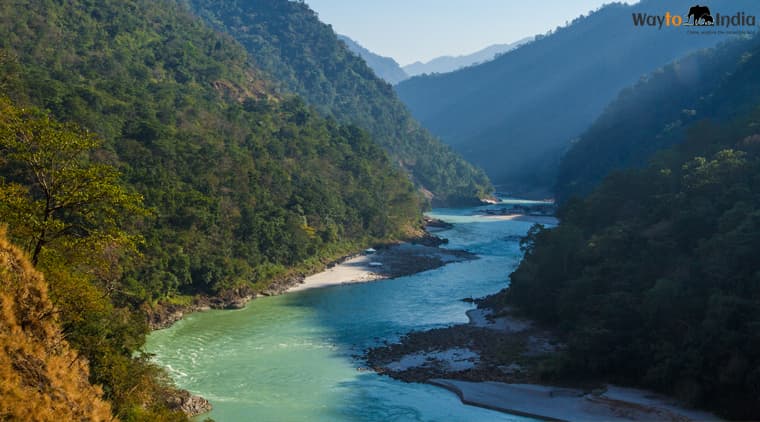
The nearest airport is Jolly Grant at Dehradun, about 290 km from Govindghat by road. The nearest railway stations are Rishikesh and Haridwar. From there the road runs up through the mountains, through Devprayag, Rudraprayag, Karnaprayag, Joshimath and on to Govindghat, and this is a long journey of two days with a night on the way, as the roads are winding.
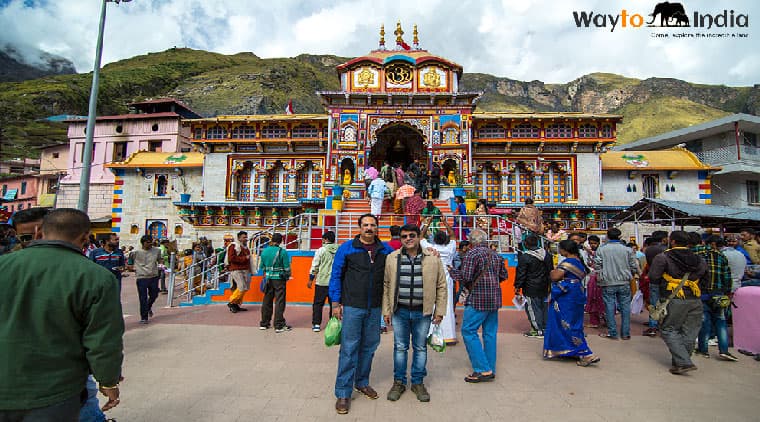
Most of our plans keep a night at Joshimath or Govindghat before the trek, and a night or two at Ghangaria so that you can do both the Valley of Flowers and Hemkund Sahib without rushing. Because this is high mountain country, we always build in time for rest and for the weather. Govindghat is also on the main route to Badrinath, so many travellers combine this trek with a darshan at Badrinath.
Tips from our travel experts
Give yourself enough days and do not rush the height. Ghangaria is above 3,000 metres and Hemkund Sahib is well above 4,000 metres, so climb slowly, drink water often, and tell your guide at once if you feel a strong headache or breathlessness.
Carry good walking shoes with grip, a strong rain jacket and a rain cover for your bag, warm layers, and a walking stick. The monsoon path can be wet and slippery. Start your day early, because clouds and rain often build up in the afternoon.
Respect the rules that protect this place: no overnight stay in the valley, no camping, no plucking of flowers, and no plastic left behind. Registration and an entry permit are needed for the Valley of Flowers, taken at Ghangaria, and we arrange this for our guests. Keep a buffer day for weather, as mountain plans can shift.
For our NRI and OCI travellers
This is a trek, not a drive up, so please come with a reasonable level of fitness and start preparing with walking a few weeks before. If your parents are keen but cannot walk far, ponies are available for much of the route, but the high altitude still needs care and a doctor's advice.
Plan a comfortable number of days from Delhi, ideally around 7 to 9 days, so that you have time to reach slowly, rest at height, and enjoy both the Valley of Flowers and Hemkund Sahib. Mobile network in the mountains is weak, so tell your family not to worry if you are out of reach for a day. Many of our overseas guests tell us this quiet valley of flowers was the most peaceful part of their whole India journey.
Questions travellers ask us
When is the Valley of Flowers open and when do the flowers bloom?
The valley usually opens around the start of June and closes at the end of October, with the exact dates set each year by the forest authorities. The flowers are at their peak from about mid July to the third week of August, during the monsoon. Please confirm the current dates before you plan.
Can I visit the Nanda Devi sanctuary?
No. The inner sanctuary of Nanda Devi National Park is closed to visitors, and mountaineering and adventure activities inside have been banned since 1983 to protect the wilderness. Visitors come for the Valley of Flowers and its trek, not the Nanda Devi sanctuary.
How hard is the trek to the Valley of Flowers?
From Govindghat it is about 13 km to the base village of Ghangaria, then about 4 km more each way to the valley, done as a day trip. It is a steady mountain walk on a made path. A person of reasonable fitness can do it, and ponies and porters are available for much of the route.
Can I combine the Valley of Flowers with Hemkund Sahib?
Yes, and many travellers do. Both start from the same base village of Ghangaria. Most people keep one day for the Valley of Flowers and another day for the climb to Hemkund Sahib, the holy Gurudwara at about 4,329 metres. Govindghat is also on the route to Badrinath.
Can I stay the night or pick flowers in the valley?
No. The Valley of Flowers is a day visit only. Overnight stay, camping and plucking of flowers are not allowed inside the valley. You walk in during the day and return to Ghangaria by evening. An entry permit is needed, taken at Ghangaria.
A note on the tours below. These packages travel close to Nanda Devi and Valley of Flowers National Parks, but a package may not include a guided visit to the site itself. If you would like this place added to your journey, please tell your Way to India travel consultant and they will happily build it into your itinerary for you.
Tours where you stay right by it
16D / 15NYou stay at Joshimath
 6D / 5N
You stay at Joshimath
 6D / 5N
You stay at Joshimath
Valley of Flowers Uttarakhand Package
From₹41,357* / person
Explore →EMI from ₹2,025/mo
You stay at Joshimath
 6D / 5N
Valley of Flowers Trekking Tour
From₹30,490* / person
Explore →EMI from ₹1,493/mo
You stay at Govindghat
 7D / 6N
You stay at Govindghat
You stay at Govindghat
Tours with it a short drive away
Tours with it an easy day trip away
 6D / 5N
About 46 km from your stay at Guptkashi
 19D / 18N
12 Jyotirlinga Tour Package from Delhi
● Starts Delhi
From₹85,000* / person
Explore →EMI from ₹4,162/mo
About 46 km from your stay at Guptkashi
 18D / 17N
12 Jyotirlinga Tour Package from Mumbai
● Starts Mumbai
From₹90,000* / person
Explore →EMI from ₹4,407/mo
About 46 km from your stay at Guptkashi
 4D / 3N
About 46 km from your stay at Ukhimath
 4D / 3N
About 46 km from your stay at Guptkashi
 5D / 4N
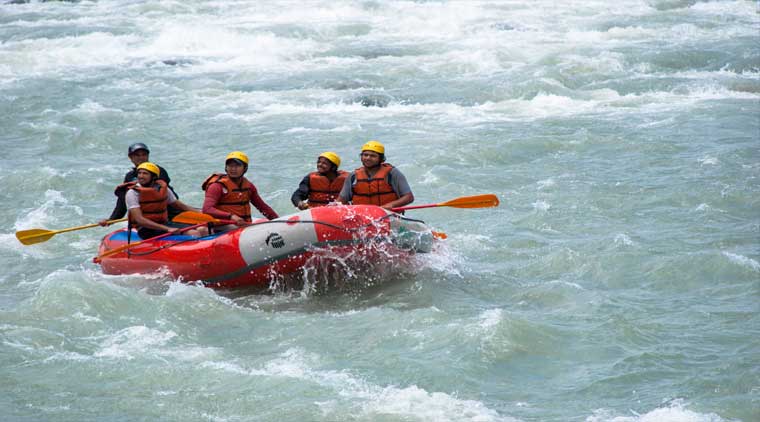
Rafting in Rishikesh with trekking in Himalayas
● Starts Haridwar
From₹25,056* / person
Explore →EMI from ₹1,227/mo
About 46 km from your stay at Deoria Tal
 18D / 17N 5
About 46 km from your stay at Guptkashi
 8D / 7N
About 57 km from your stay at Chopta